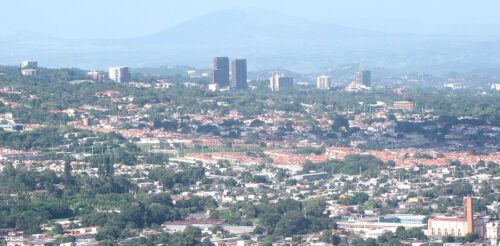
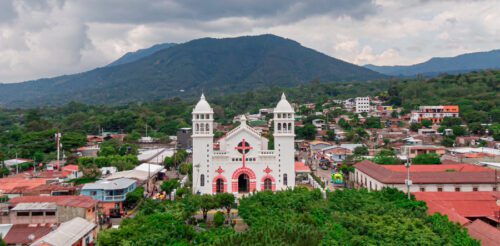
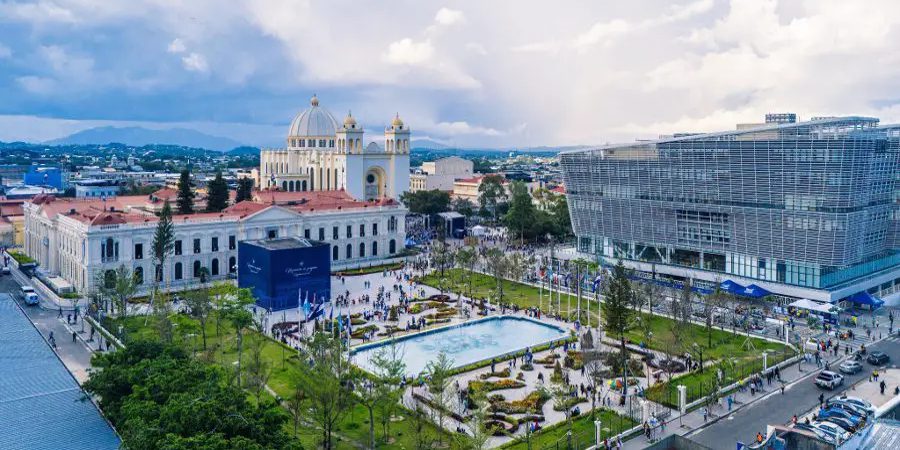
 Downtown San Salvador, El Salvador.
El Salvador may be Central America’s smallest country, but it offers an impressive variety of experiences. From volcanic landscapes to Pacific beaches, the things to do in El Salvador appeal to travelers with different interests.
You can explore ancient Mayan ruins, stroll through colorful towns, hike mountain trails, or enjoy traditional Salvadoran food.
Whether you’re planning your first trip or looking for somewhere new to explore, there’s plenty to discover. Explore El Salvador’s top attractions and travel experiences to find destinations that match your interests.
- Explore El Salvador’s Volcanoes
- Visit the Best Beaches
- Discover National Parks and Natural Areas
- Explore Colonial Towns and Villages
- Discover Mayan Archaeological Sites
- Experience Salvadoran Culture and Traditions
- Enjoy Outdoor Adventures and Nature
- Experience Surfing and Water Sports
- Discover Salvadoran Food and Gastronomy
- Explore Cities and Historic Landmarks
- Experience El Salvador’s Scenic Tourist Routes
- Enjoy Family-Friendly Activities in El Salvador
- Discover Off-the-Beaten-Path Experiences
- Practical Tips for Exploring El Salvador
- Discover the Many Sides of El Salvador

1. Explore El Salvador’s Volcanoes
Let’s start by exploring Salvadoran volcanoes; they offer some of the most stunning views in the country. These remarkable landmarks draw hikers, photographers, and travelers who appreciate exploring nature.
Hike Santa Ana Volcano
Santa Ana Volcano, also known as Ilamatepec, is the country’s highest volcano. Its summit offers remarkable views of a turquoise crater lake, surrounding mountains, and the western Salvadoran countryside.
The hike attracts both local and international visitors. Although the trail requires physical effort, reaching the summit rewards hikers with one of El Salvador’s most distinctive natural landscapes.
Discover Izalco Volcano
Izalco Volcano stands out for its steep, dark slopes and nearly symmetrical cone. Its volcanic landscape contrasts sharply with the green forests surrounding the nearby Cerro Verde area.
Visitors can admire Izalco from several viewpoints or join organized hikes when conditions and park regulations permit. The volcano also holds an important place in Salvadoran history.
Visit San Salvador Volcano and El Boquerón
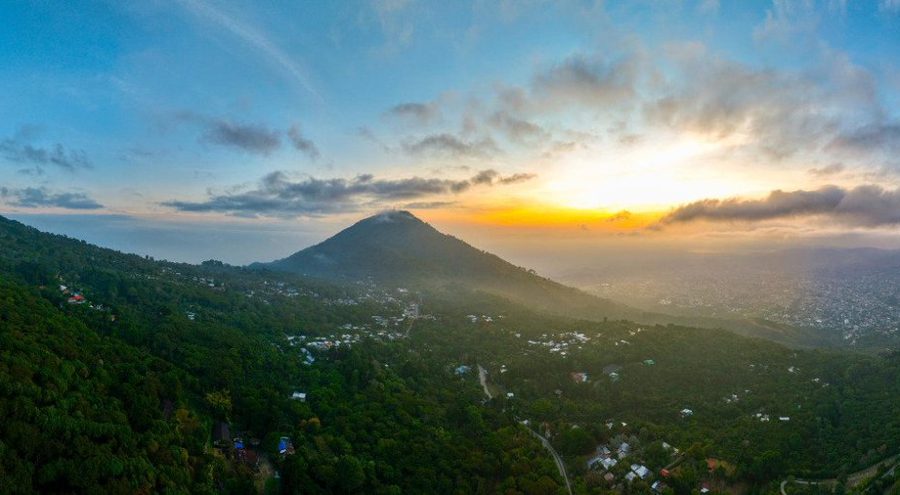
San Salvador Volcano, also called Quezaltepeque, rises above the capital and provides an accessible mountain escape. Its upper slopes feature cooler temperatures, restaurants, scenic viewpoints, and forested surroundings.
El Boquerón National Park offers visitors the opportunity to see the volcano’s enormous crater. It’s a popular destination for short walks, photography, and enjoying mountain scenery near San Salvador.
2. Visit the Best Beaches in El Salvador
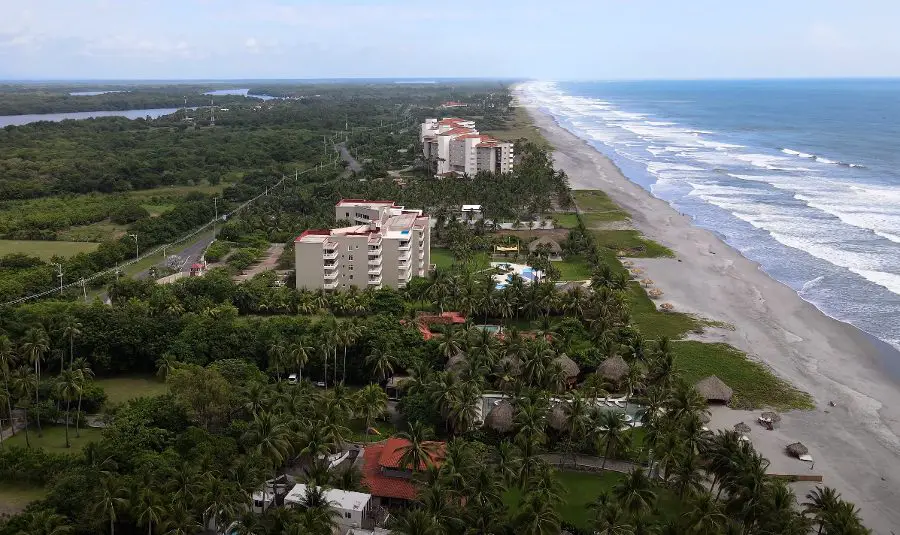
El Salvador’s Pacific coastline offers everything from powerful surfing waves to peaceful stretches of sand. These beaches attract surfers, families, and visitors seeking a relaxing coastal getaway.
Discover El Tunco and El Sunzal
El Tunco is one of El Salvador’s best-known beach communities. Its lively atmosphere, beachfront restaurants, surf culture, and sunsets make it especially popular with international travelers.
Nearby El Sunzal attracts surfers with its consistent waves. Visitors who don’t surf can still enjoy the coastal scenery, watch experienced surfers, or relax at restaurants overlooking the ocean.
Relax at Costa del Sol
La Costa del Sol offers a laid-back coastal escape with long sandy beaches, plenty of places to stay, and restaurants serving fresh seafood.
Nearby, the Jaltepeque estuary gives visitors even more to explore. You can take a boat tour, discover coastal ecosystems, or spend time exploring the waterways before heading back to the beach.
Explore El Cuco and Las Flores
Eastern El Salvador has some beautiful beaches, including El Cuco and Las Flores. Here, you can enjoy warm Pacific waters, catch some waves, and relax in a quieter atmosphere than you’ll find at some of the busier beaches along the western coast.
Many visitors choose the area for extended beach stays. Local accommodations and restaurants provide convenient access to the coast while maintaining the region’s laid-back character.
3. Discover El Salvador’s National Parks and Natural Areas
The national parks of El Salvador protect some of the country’s most stunning landscapes, including cloud forests, volcanic regions, and tropical woodlands. These parks let visitors experience the nation’s natural beauty and diversity.
Explore El Imposible National Park
El Imposible National Park protects one of western El Salvador’s most important forest ecosystems. Its rugged mountains and lush forests provide a home for many plants and animals, making it a great destination for nature lovers.
At El Imposible, you can hike along designated trails, spot wildlife, and discover how conservation efforts help protect the park.
Visit Montecristo National Park
Montecristo National Park lies in northern El Salvador near the borders with Guatemala and Honduras. Its mountainous cloud forest features dense vegetation, cool temperatures, and an unusual natural environment.
The park draws hikers, birdwatchers, and travelers who want to explore its beautiful forests. Since the park protects sensitive natural areas, you may need permission to visit certain sections, so check the entry requirements before you go.
Discover Cerro Verde National Park
At Cerro Verde National Park, you can explore easy forest trails, enjoy stunning views of nearby volcanoes, and escape the heat of western El Salvador’s lowlands thanks to the park’s cooler mountain climate.
Visitors often combine a walk through Cerro Verde with views of Izalco and Santa Ana volcanoes. The area also serves as a starting point for organized volcanic hikes.

4. Explore Colonial Towns and Charming Villages
Explore El Salvador’s colorful towns and discover local traditions, charming architecture, and everyday community life.
Discover the Colonial Charm of Suchitoto
Suchitoto is known for its cobblestone streets, colonial-era architecture, and cultural atmosphere. The town’s historic center invites visitors to explore on foot and discover local art galleries.
Nearby Lake Suchitlán adds another attraction to the area. Travelers can enjoy scenic views, visit restaurants, or arrange boat excursions to explore parts of the reservoir.
Explore Ataco and Its Colorful Streets
Concepción de Ataco, or simply Ataco, is a colorful mountain town along the Ruta de las Flores. It’s a favorite weekend getaway, known for its vibrant murals, handmade crafts, and great local coffee.
As you walk through town, you’ll come across brightly painted buildings, small shops, and cozy cafés. You can also explore nearby coffee farms and enjoy beautiful views of the surrounding mountains.
Visit Juayúa and Apaneca
Juayúa draws visitors with its popular food festival, lively central plaza, and beautiful natural surroundings. You can use the town as a starting point to explore nearby waterfalls and mountain communities.
Apaneca welcomes visitors with cool mountain weather, scenic coffee plantations, and plenty of outdoor activities. You can explore the countryside, visit Laguna Verde, or check out other attractions along the Ruta de las Flores.

5. Discover El Salvador’s Mayan Archaeological Sites
El Salvador has several archaeological sites that preserve evidence of ancient communities and their traditions. Exploring these locations provides a deeper understanding of the country’s pre-Columbian history.
Explore the Ruins of Tazumal
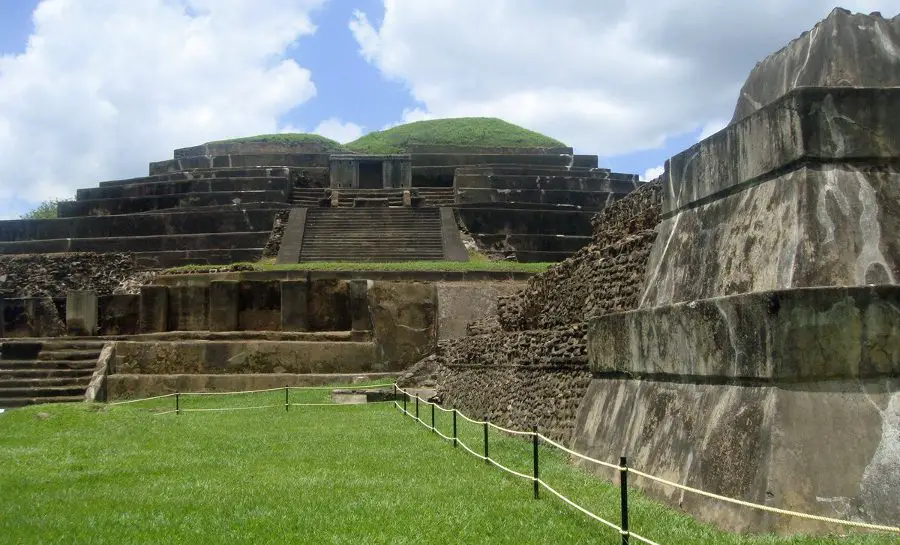
Tazumal, situated in Chalchuapa, is one of the most famous archaeological sites in El Salvador. Its structures showcase the region’s extensive history of settlement, ceremonial practices, and cultural evolution.
Visitors can walk through the archaeological park and explore its museum. The site offers an accessible introduction to the ancient civilizations that once inhabited western El Salvador.
Visit Joya de Cerén
Joya de Cerén is a UNESCO World Heritage Site known for preserving the remains of a pre-Hispanic farming community buried beneath volcanic ash during an ancient eruption.
Unlike major ceremonial centers, Joya de Cerén reveals details about ordinary household life. Visitors can see preserved structures and learn how people lived, worked, and organized their communities.
Discover San Andrés Archaeological Park
San Andrés was an important pre-Hispanic ceremonial and administrative center in the Zapotitán Valley. Its surviving structures help illustrate the political and cultural development of ancient settlements.
The archaeological park includes excavated areas and exhibits explaining the site’s history. Many travelers combine San Andrés with a visit to nearby Joya de Cerén.
6. Experience Salvadoran Culture and Traditions
El Salvador’s cultural traditions remain visible in its festivals, food, handicrafts, music, and religious celebrations. Experiencing these customs helps visitors connect with the country’s identity beyond its tourist attractions.
Attend Traditional Festivals and Celebrations
Every year, towns across El Salvador celebrate their patron saint festivals with religious events, traditional music, delicious food, and lively community gatherings. These celebrations keep local traditions alive.
Holy Week, Independence Day, and Christmas also fill the country with unique traditions and celebrations. Visit during these holidays, and you’ll get a closer look at Salvadoran culture.
Explore Local Markets and Handicrafts
Traditional markets give you a taste of everyday life in El Salvador. You can browse fresh produce, shop for handmade goods, try regional foods, and experience the lively atmosphere of local markets.
In towns like La Palma, you’ll find colorful handicrafts that reflect El Salvador’s artistic traditions. Stop by local workshops and shops to meet artisans, admire their work, and pick up unique, locally made souvenirs.
Visit Museums and Cultural Landmarks
Museums across El Salvador display archaeological items, historical artifacts, and artwork by Salvadoran artists. They help visitors explore the country’s history and better understand how its culture has evolved over time.
In San Salvador, the National Museum of Anthropology and the Museum of Art offer different perspectives on Salvadoran heritage. Both complement visits to historic landmarks and archaeological sites.

7. Enjoy Outdoor Adventures and Nature Activities
Outdoor recreation extends well beyond El Salvador’s volcanoes and beaches. The country also offers waterfalls, lakes, forest trails, and mountain landscapes suited to different levels of adventure.
Discover Waterfalls and Natural Swimming Areas
Exploring El Salvador’s countryside is a great way to discover beautiful waterfalls and cool off along the way. Some are just a short walk away, while others require a longer hike through forests and mountains.
One popular spot is Los Chorros de la Calera, near Juayúa. Before you go, check whether the area is open to visitors and follow local safety advice, especially if you plan to swim or explore the trails.
Visit Lakes and Lagoons
El Salvador’s lakes and lagoons offer beautiful views and plenty of ways to enjoy the outdoors. At Lake Coatepeque, you can admire the volcanic landscape, take in the surrounding mountains, and enjoy a meal at a waterfront restaurant.
Lake Ilopango, near San Salvador, is another great place to visit. You can take a boat ride, enjoy lakeside dining, or simply relax while admiring the surrounding volcanic scenery.
Go Hiking and Birdwatching
El Salvador’s mountain trails, forests, and countryside offer plenty of great spots for hiking and birdwatching. As you explore different areas, you’ll have the chance to see a variety of local and migratory birds.
Early mornings are a great time to head out, especially when the weather is cooler and wildlife is more active.
8. Experience Surfing and Water Sports
Surfing has become one of El Salvador’s most recognizable outdoor activities. The Pacific coastline features numerous breaks that attract experienced surfers and people learning the sport.
Surf the Pacific Coast
El Sunzal, El Tunco, Punta Roca, and Las Flores are some of El Salvador’s most popular surfing spots. Each beach offers different waves and a unique experience, so there’s plenty to explore.
Experienced surfers usually pick their spots based on the swell, tides, and wave conditions. If you’re new to surfing, start at a beginner-friendly beach.
Take Surfing Lessons
Several coastal communities offer surfing lessons and board rentals. Instructors introduce beginners to paddling, balance, wave selection, and basic ocean safety.
Learning with a qualified instructor can make the experience more enjoyable. Visitors should choose lessons that match their abilities and the day’s ocean conditions.
Enjoy Kayaking and Boat Excursions
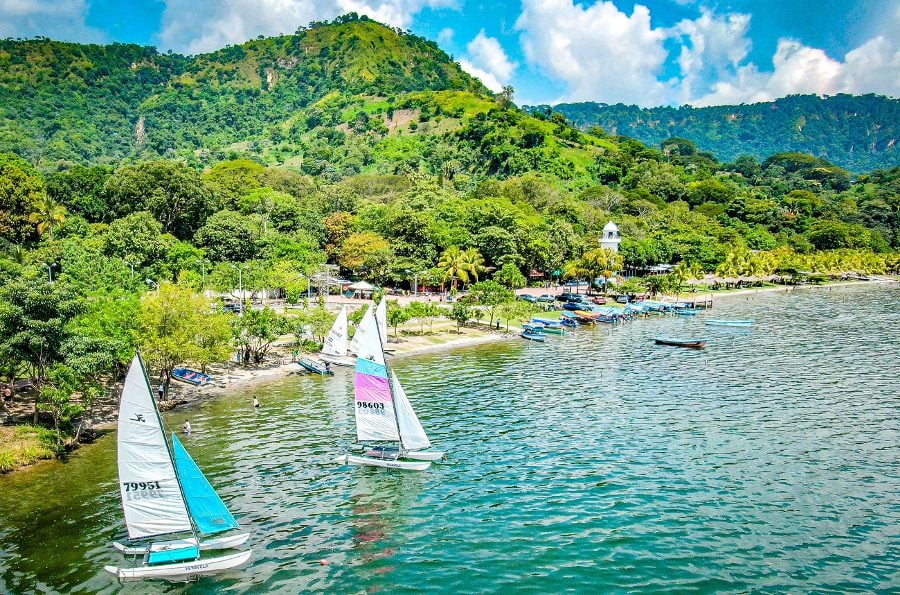
Surfing isn’t the only way to enjoy El Salvador’s waters. You can also go kayaking or take a guided boat tour to explore the country’s lakes, estuaries, and calm waterways.
Places like the Jaltepeque Estuary and Lake Suchitlán offer great opportunities to enjoy nature from the water. Local tour operators can help you choose the best routes and activities based on current conditions.

9. Discover Salvadoran Food and Gastronomy
Food is a big part of Salvadoran culture, and trying local dishes is one of the best ways to experience everyday life in El Salvador. Each region has its own specialties, with flavors and recipes that families have passed down for generations.
Try Traditional Salvadoran Pupusas
Pupusas are El Salvador’s signature dish. These thick corn or rice flour tortillas contain fillings such as cheese, beans, pork, or combinations of traditional ingredients.
Restaurants and neighborhood pupuserías serve them throughout the country. They’re commonly accompanied by curtido, a lightly fermented cabbage relish, and tomato sauce.
Discover Other Typical Salvadoran Dishes
Salvadoran food offers much more than just pupusas. You’ll find plenty of delicious traditional dishes to try, including yuca frita, tamales, panes con pollo, riguas, and a variety of homemade soups and stews.
Local markets and small family-run restaurants are great places to enjoy these foods and experience authentic Salvadoran flavors. Many families still prepare these dishes using traditional recipes and local ingredients passed down through generations.
Explore Salvadoran Coffee Culture
Coffee has played a big role in El Salvador’s history, shaping its economy, countryside, and rural communities for generations. Mountain towns like Apaneca and Ataco still have strong ties to coffee growing.
Visitors can enjoy locally grown coffee at cafés or explore farms offering educational tours. These experiences introduce the growing, harvesting, and processing methods behind Salvadoran coffee.
10. Explore El Salvador’s Cities and Historic Landmarks
El Salvador’s cities offer plenty to explore, from historic landmarks and cultural attractions to busy markets and lively public spaces. Take a walk through their historic centers, and you’ll discover places and stories that have shaped the country’s history.
Discover Historic Downtown San Salvador
San Salvador’s historic center is a great place to explore the city’s history and culture.
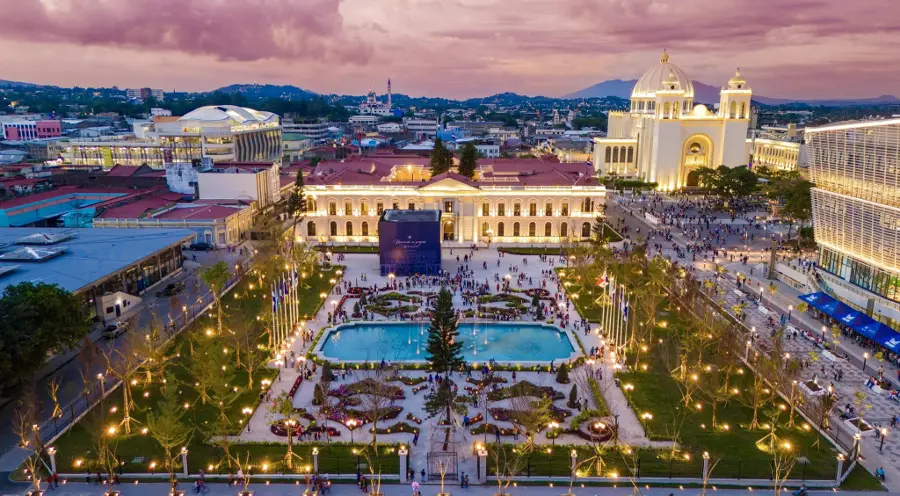
Here, you’ll find well-known landmarks like the Metropolitan Cathedral, National Palace, and National Theater, along with lively plazas and streets full of history.
Visitors can explore the area on foot, photograph historic buildings, and discover nearby restaurants. Many choose to visit during the day when exploring the surrounding attractions.
Visit Santa Ana and Its Historic Center
Santa Ana is known for its impressive neo-Gothic cathedral, historic theater, and central plaza. The city’s architecture makes it a rewarding destination for visitors interested in history.
A walk through the historic center reveals traditional buildings, shops, and local restaurants. Santa Ana also provides convenient access to several major attractions in western El Salvador.
Explore San Miguel
San Miguel is one of the main cities in eastern El Salvador and a great place to experience local life. You can visit its cathedral, stroll through the central park, explore busy shopping areas, and get a feel for the city’s traditions.
The city is especially associated with its annual carnival celebrations. Outside the festival season, travelers can explore local food, historic landmarks, and surrounding destinations.
11. Experience El Salvador’s Scenic Tourist Routes
Tourist routes connect several attractions within the same region, making them useful for travelers who want to explore multiple destinations without planning each stop separately.
Explore the Ruta de las Flores
The Ruta de las Flores takes you through the mountains of western El Salvador, where you’ll find charming towns, coffee farms, delicious food, and scenic views along the way.
Popular stops include Nahuizalco, Salcoatitán, Juayúa, Apaneca, and Ataco. Wander through local markets, grab coffee at a cozy café, admire colorful murals, and explore the surrounding countryside.
Discover the Ruta de la Paz
The Ruta de la Paz takes visitors through communities in northeastern El Salvador associated with the country’s civil war history and the peace process.
Destinations such as Perquín and nearby communities preserve historical memories through museums, landmarks, and local stories. The route combines cultural heritage with mountainous scenery.
Travel Along the Archaeological Route
Western El Salvador contains several important archaeological attractions within a relatively compact area. This makes it possible to visit multiple sites during a regional excursion.
Tazumal, Casa Blanca, San Andrés, and Joya de Cerén provide different perspectives on pre-Columbian life.
12. Enjoy Family-Friendly Activities in El Salvador
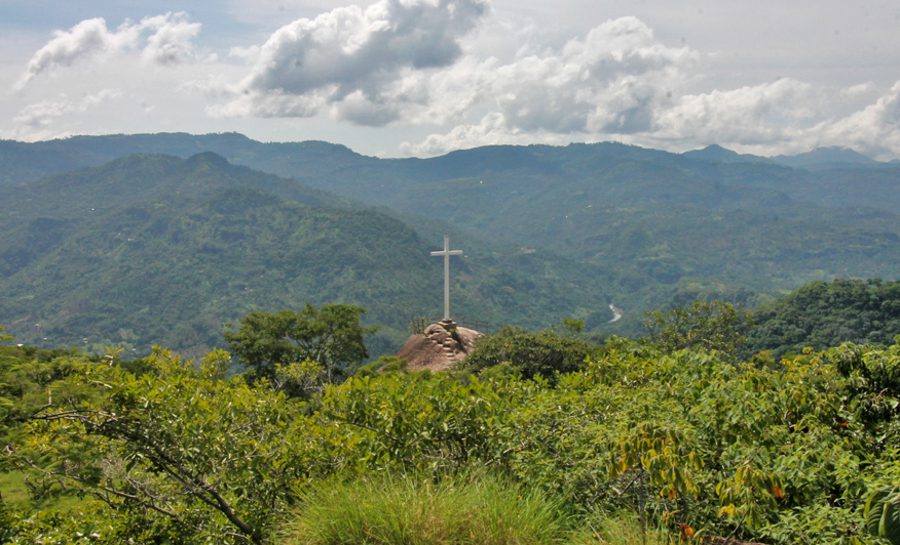
If you’re exploring El Salvador with your family, you’ll find plenty of fun places to visit, from parks and beaches to museums, lakes, and outdoor attractions. There’s something for everyone, whether you’re traveling with young kids, teenagers, or adults.
Visit Recreational Parks
El Salvador’s recreational parks are great places to relax, enjoy a picnic, go for a walk, or cool off with a swim. Some offer plenty of facilities, while others let you enjoy nature.
Los Chorros Recreational Park and Balboa Park are popular spots for Salvadoran families looking to spend time outdoors.
Explore Family-Friendly Beaches
Beach outings are a popular family activity, especially during weekends and holidays. Some coastal destinations offer accommodations, restaurants, and spaces for relaxing near the ocean.
El Cuco, La Costa del Sol, Los Cóbanos, El Espino, and Metalío are great beaches for a family getaway in El Salvador. Each offers beautiful coastal scenery, space to relax, and opportunities to enjoy a fun day by the ocean.
13. Discover Off-the-Beaten-Path Experiences
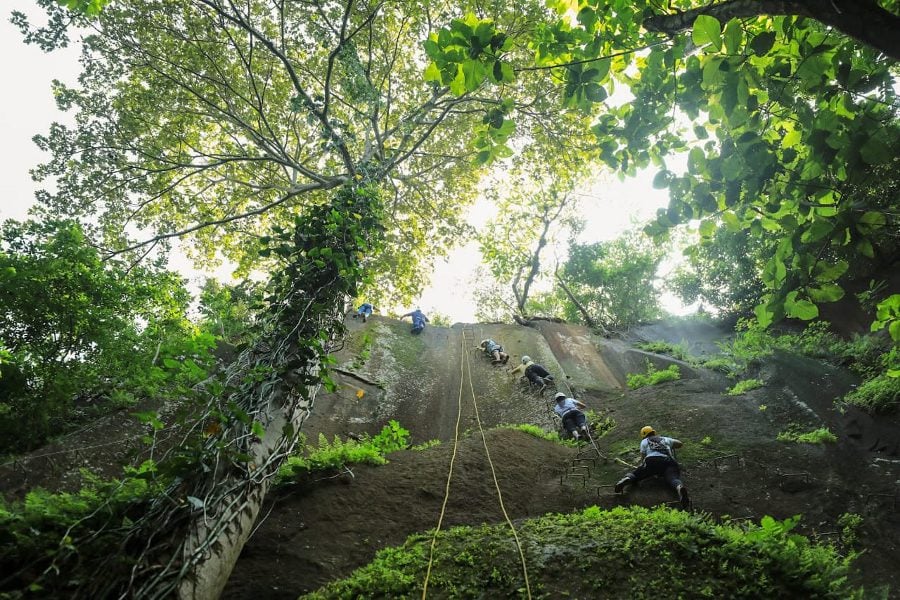
There’s plenty to discover in El Salvador beyond the popular tourist spots. Explore small towns and quiet rural areas where you’ll meet locals, experience everyday life, and enjoy a more personal side of the country.
Explore Lesser-Known Towns
El Salvador’s small towns are great places to experience local traditions, colorful celebrations, and authentic Salvadoran food.
You can stroll through central plazas, browse local markets, and enjoy homemade dishes at family-run restaurants. Take some time to chat with the locals, too. It’s a great way to learn more about the people and their traditions.
14. Practical Tips for Exploring El Salvador
Planning ahead helps visitors make the most of their time. Although El Salvador is relatively small, travel conditions, weather, and transportation options can influence daily activities.
Choose the Best Time for Outdoor Activities
El Salvador generally experiences a dry season from November through April and a rainy season from May through October. Seasonal conditions influence hiking, beach trips, and outdoor excursions.
The dry season often provides more predictable conditions for mountain activities. During the rainy season, landscapes become greener, but afternoon storms can affect trails and road travel.
Allow Enough Time to Explore
If you only have a few days in El Salvador, stick to one or two regions. San Salvador, La Libertad, and western El Salvador have plenty of great places to visit without spending too much time on the road.
Got more time? Head east for some beautiful beaches, explore the mountain towns up north, or check out more archaeological sites.
Discover the Many Sides of El Salvador
El Salvador offers much more than just a typical beach vacation. Its volcanoes, historic towns, archaeological sites, national parks, and traditional cuisine provide opportunities for unforgettable experiences throughout the country.
Some travelers come for surfing and adventure, while others prefer exploring local communities and cultural landmarks. The variety makes it possible to enjoy several different experiences during one visit.
Whether you’re discovering El Salvador for the first time or returning to explore somewhere new, there’s always another town, trail, beach, or local tradition waiting to be experienced.