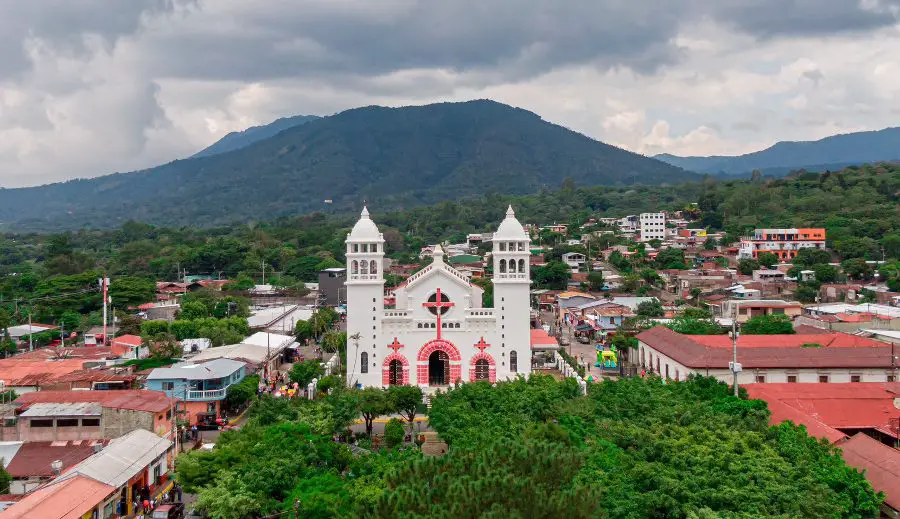
 Juayua in Sonsonate El Salvador.
Small towns in El Salvador offer travelers a chance to discover the country’s cultural traditions, historic architecture, beautiful landscapes, and welcoming communities beyond its larger cities and popular beaches.
Exploring these destinations adds another dimension to El Salvador Tourism, introducing visitors to colonial streets, traditional markets, mountain communities, and places where Salvadoran customs remain part of everyday life.
From the colorful murals of Ataco to the historic streets of Suchitoto, each town has something different to offer.
- Discovering the Small Towns of El Salvador
- Best Small Towns in El Salvador to Visit
- Small Towns in El Salvador by Travel Interest
- Best Regions for Exploring Small Towns in El Salvador
- What to See and Do in Salvadoran Small Towns
- Suggested Routes for Visiting Small Towns in El Salvador
- Why Small Towns Belong on Your El Salvador Travel Itinerary
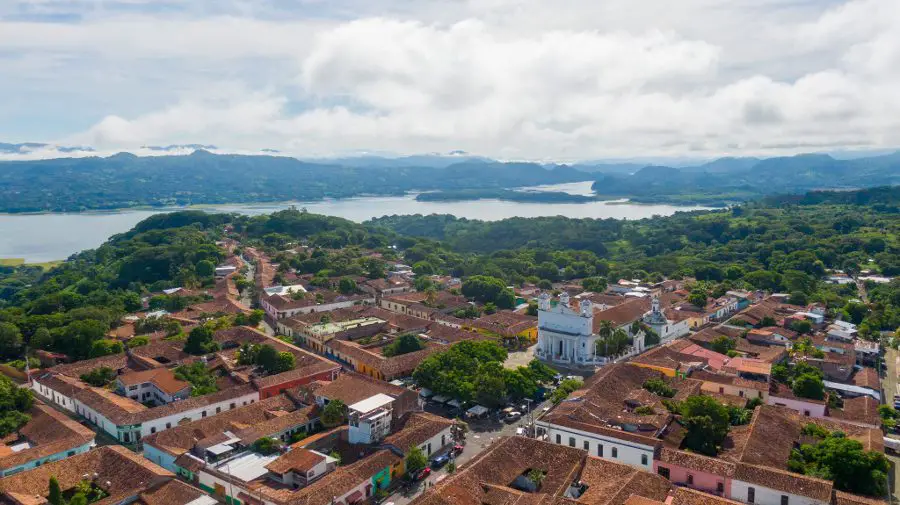
Discovering the Small Towns of El Salvador
El Salvador’s small towns showcase the country’s rich history, beautiful landscapes, and colorful traditions. Some grew around central plazas and churches, while others built their communities through farming, coffee production, local businesses, and traditional crafts.
Each town has its own personality, but they all give visitors a chance to experience everyday Salvadoran life away from busy cities and popular tourist destinations.
You can walk along cobblestone streets lined with colonial-era buildings, explore colorful neighborhoods, or visit lively local markets. Mountain views and a relaxed atmosphere make these towns great places to slow down and enjoy your surroundings.
What Makes Salvadoran Small Towns Special?
One of the best things about small towns in El Salvador is how they keep local traditions alive. Religious festivals, traditional foods, artisan workshops, and community celebrations bring people together and give each town its own character.
Visitors can explore historic churches, walk through local markets, try regional dishes, and discover traditions that Salvadoran families have passed down for generations.
The scenery makes these towns even more special. Some sit among coffee plantations and green mountains, while others offer beautiful views of valleys, the Pacific coast, or the beautiful lakes in El Salvador.
Why Visit Small Towns Instead of Only Major Cities?
Small towns show you a different side of El Salvador. While bigger cities offer shopping centers, museums, restaurants, and other attractions, smaller towns give you a closer look at local culture, everyday life, and traditional customs.
Many destinations are suitable for day trips, although spending a night or two allows visitors to explore without rushing. The popular tourist routes in El Salvador will take you to these colorful towns.
Travelers interested in photography, history, food, nature, and cultural experiences will find plenty of reasons to include these towns in their itineraries.
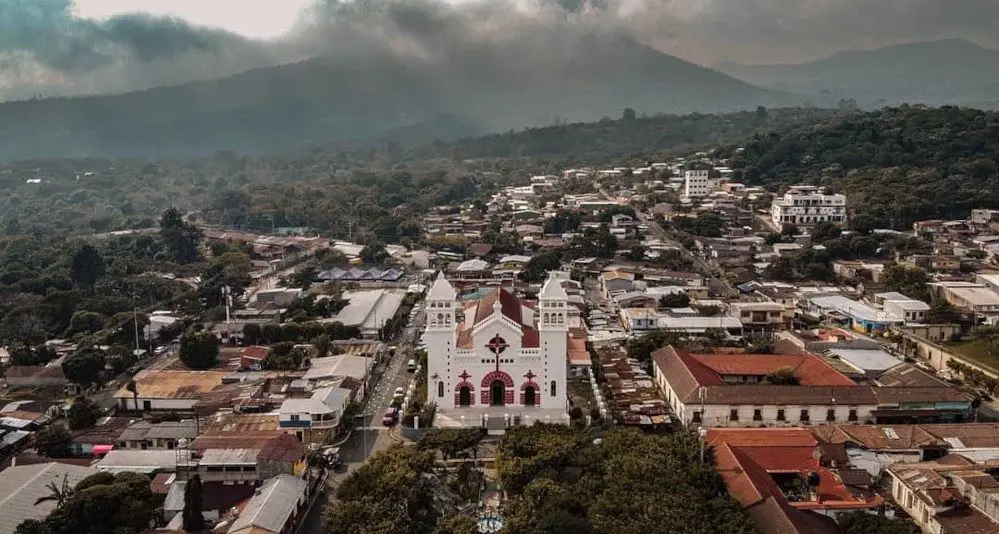
Best Small Towns in El Salvador to Visit
El Salvador has many small towns worth visiting, each offering a unique mix of history, culture, breathtaking scenery, and local traditions. Here, you can explore beyond the popular tourist spots in the country.
Many of these lively small towns rank among the best places to visit in El Salvador. The following destinations stand out for their distinctive character and the variety of experiences they offer visitors.
Suchitoto: Colonial Architecture and Cultural Heritage
Suchitoto, in the department of Cuscatlán, is one of El Salvador’s most popular historic towns. Its cobblestone streets, traditional houses, and rich cultural heritage attract visitors who enjoy exploring history and old architecture.
In the town center, you’ll find Santa Lucía Church, which overlooks a central plaza. The plaza is surrounded by restaurants, small shops, and historic buildings, making it an excellent place to stroll and discover.
Suchitoto is also a great starting point for exploring Lake Suchitlán. You can take a boat ride, watch local birds, or simply enjoy the beautiful views of the lake and surrounding countryside.
Art galleries, cultural events, and local workshops contribute to the town’s reputation as an important center for Salvadoran arts and heritage.
Juayúa: Traditional Food and Mountain Scenery
Juayúa is a mountain town in Sonsonate known for its traditional food, pleasant climate, and location along the famous Ruta de las Flores.
Its weekend gastronomic festival has become one of the town’s main attractions, bringing together vendors serving Salvadoran dishes and regional specialties.
Visitors can walk through the central plaza, admire the Cristo Negro Church, and explore nearby natural attractions, including waterfalls and forested mountain areas.
Juayúa also makes a convenient base for discovering neighboring towns along the Ruta de las Flores.
Concepción de Ataco: Colorful Streets and Coffee Traditions
Concepción de Ataco, commonly called Ataco, is one of the most colorful towns in western El Salvador.
Located in the department of Ahuachapán, the town attracts visitors with its painted murals, cobblestone streets, artisan shops, and surrounding coffee-growing landscapes.
Walking through the historic center reveals artwork depicting Salvadoran traditions, rural life, and local culture. Visitors can also explore coffee-related attractions, browse handicraft stores, and enjoy views of the surrounding mountains.
Apaneca: Coffee Plantations and Cool Mountain Weather
Situated in the highlands of Ahuachapán, Apaneca is known for its cool climate, coffee plantations, and beautiful mountain surroundings.
Nearby Laguna Verde provides a scenic natural attraction, while the surrounding countryside offers outdoor activities and opportunities to explore rural landscapes.
The town lies along the Ruta de las Flores and offers opportunities to experience El Salvador’s coffee-growing heritage. Apaneca appeals to travelers who enjoy peaceful mountain settings, coffee culture, and nature-based experiences.
Nahuizalco: Indigenous Heritage and Traditional Crafts
Nahuizalco is a culturally significant town in Sonsonate with strong Indigenous roots and a long tradition of artisan production.
The community is particularly associated with basket weaving, furniture making, and handicrafts produced from natural materials. Visitors can explore Nahuizalco’s traditional markets, shop for local products, and get a glimpse of everyday life in the town.
Nahuizalco also keeps its Indigenous heritage alive through local traditions and customs, giving travelers a chance to experience Salvadoran culture beyond the usual tourist attractions.
Salcoatitán: Traditional Food and a Relaxed Atmosphere
Salcoatitán is a small town along the Ruta de las Flores, known for its traditional food, historic surroundings, and relaxed atmosphere.
Its central plaza provides a pleasant setting for exploring local businesses and sampling Salvadoran snacks. The town’s historic church and traditional streets reflect the architectural character found throughout the region.
Many visitors combine Salcoatitán with trips to Juayúa, Apaneca, and Ataco, making it a convenient stop on a wider mountain excursion.
Alegría: Mountain Views and Laguna de Alegría
Alegría is a picturesque mountain town in eastern El Salvador, known for its cool weather, scenic surroundings, and nearby volcanic lagoon.
The town’s colorful streets, central plaza, and local businesses create an inviting atmosphere for visitors. Its best-known natural attraction is Laguna de Alegría, a crater lake located on the slopes of the Tecapa volcanic complex.
You can explore the town, enjoy mountain scenery, and discover one of eastern El Salvador’s distinctive natural landscapes.
Berlín: Coffee Heritage and Mountain Landscapes
Located in Usulután, Berlín is a highland town with strong connections to coffee cultivation and regional history.
Its mountain location provides a cooler climate than many of the country’s coastal and lowland communities. Visitors can explore the central streets, observe local architecture, and learn about the town’s agricultural heritage.
Berlín also provides access to scenic rural landscapes and nearby communities in eastern El Salvador.
Perquín: History and Natural Beauty
Perquín is a mountain town in Morazán with an important place in El Salvador’s modern history.
The town is closely associated with the country’s civil war, and its Museo de la Revolución preserves exhibits, photographs, and historical materials related to that period.
Beyond its historical attractions, Perquín offers mountain scenery, a cooler climate, and access to natural areas in northern Morazán. Visitors interested in Salvadoran history often combine a trip to Perquín with other destinations along the Ruta de Paz.
La Palma: Folk Art and Handicrafts
La Palma is one of El Salvador’s best-known artisan towns, particularly recognized for its colorful folk art.
Salvadoran artist Fernando Llort helped shape the town’s artistic identity with his colorful designs, inspiring generations of local artisans. Today, you can explore shops filled with hand-painted wooden crafts, ceramics, and colorful artwork.
Located in the northern mountains of Chalatenango, La Palma also offers pleasant scenery and serves as a starting point for exploring nearby highland destinations.
San Ignacio: Mountain Scenery and Outdoor Adventures
San Ignacio is a small mountain town in Chalatenango, surrounded by some of the highest mountains in El Salvador. It’s a great place to visit if you enjoy cooler weather, beautiful scenery, and spending time outdoors.
Just a short trip from town, you’ll find Cerro El Pital, one of the most popular mountain destinations in the country. You can go hiking, spend a night camping, or simply relax and take in the amazing views.
San Ignacio also gives visitors a chance to experience everyday life in the Salvadoran countryside. Farming plays an important role in the area, and nearby communities offer a look at the traditions and relaxed pace of mountain life.
Panchimalco: Indigenous Traditions and Historic Architecture
The town of Panchimalco sits surrounded by mountains; it is about 15 kilometers from the capital city, San Salvador. This town offers outstanding natural parks to enjoy with family or friends, such as the Balboa Natural Park, The Family Park, and Los Planes de Renderos.
Panchimalco has deep links to Salvadoran indigenous people; this is where the Pipil Indians fled to during the Spanish takeover of San Salvador. The first weekend in May is the best time to visit this town, during their traditional Flowers and Palms festival.
Izalco: Indigenous Heritage and Historic Landmarks
Izalco is a historic town in Sonsonate that keeps its Indigenous roots and traditions alive through its churches, neighborhoods, and religious celebrations.
The town lies near the Izalco Volcano, one of El Salvador’s most recognizable volcanic landmarks.
Visitors can explore its historic center, discover local traditions, and use the surrounding region as a starting point for visiting natural attractions in western El Salvador.
Conchagua: Historic Streets and Coastal Mountain Views
Conchagua is a historic town near the Gulf of Fonseca in eastern El Salvador. Visitors can explore its traditional streets, central plaza, and colonial-era church.
Its location near Conchagua Volcano gives visitors access to mountain landscapes and impressive views of the gulf and its islands.
Conchagua offers an appealing combination of history, natural scenery, and regional culture for travelers exploring eastern El Salvador.

Small Towns in El Salvador by Travel Interest
Choosing which towns to visit often depends on what travelers want to experience. Some destinations emphasize history and architecture, while others offer outdoor adventures, food, or traditional crafts.
| Travel Interest | Recommended Towns |
|---|---|
| Colonial architecture and history | Suchitoto, Panchimalco, Conchagua |
| Salvadoran culture and traditions | Nahuizalco, Izalco, Panchimalco |
| Coffee culture | Ataco, Apaneca, Berlín |
| Nature and mountain scenery | Alegría, San Ignacio, Perquín |
| Traditional food | Juayúa, Salcoatitán |
| Arts and handicrafts | La Palma, Ataco, Nahuizalco |
Travelers interested in several activities can combine nearby destinations rather than focusing on only one town.
For example, the Ruta de las Flores brings together coffee culture, traditional food, handicrafts, and mountain scenery within a relatively compact region.
Best Regions for Exploring Small Towns in El Salvador
El Salvador’s geography makes it possible to visit several small towns during a single trip. However, each region offers a different combination of landscapes, traditions, and attractions.
Small Towns Along the Ruta de las Flores
The Ruta de las Flores is one of the country’s most popular regional travel routes. It connects several towns in Sonsonate and Ahuachapán, including Nahuizalco, Salcoatitán, Juayúa, Apaneca, and Concepción de Ataco.
Travelers can explore colorful streets, traditional markets, coffee plantations, and mountain scenery while discovering the character of each community.
Small Towns in the Northern Highlands
Northern El Salvador features mountain communities surrounded by forests, agricultural landscapes, and some of the country’s highest elevations.
La Palma and San Ignacio are particularly appealing destinations in Chalatenango. Visitors can explore artisan workshops, enjoy cooler weather, and discover nearby natural attractions such as Cerro El Pital.
Small Towns in Eastern El Salvador
Eastern El Salvador features historic communities, beautiful mountain scenery, and vibrant cultural destinations that receive less attention than western tourist routes.
Alegría, Berlín, Perquín, and Conchagua offer opportunities to explore the region’s rich history and stunning landscapes.
These towns also make useful starting points for discovering nearby lakes, mountains, museums, and rural communities.
Small Towns in El Salvador Near the Capital City
Travelers staying in the capital can visit several culturally interesting towns without planning a lengthy journey.
Panchimalco and Suchitoto are two appealing options for day trips, although they lie in different directions from San Salvador.
Both offer historic architecture, local traditions, and opportunities to experience Salvadoran culture outside the capital’s urban environment.

What to See and Do in Small Towns in El Salvador
Small towns offer more than attractive streets and scenic viewpoints. Many preserve cultural practices and community traditions that give visitors a closer look at Salvadoran life.
Explore Historic Churches and Central Plazas
In many Salvadoran towns, the central plaza brings people together and serves as a popular gathering spot.
Visitors can admire historic churches, watch locals go about their daily routines, and stroll through streets lined with traditional buildings.
Visit Local Markets and Artisan Workshops at Small Towns in El Salvador
Markets provide opportunities to discover regional products, traditional foods, and locally made handicrafts.
In towns such as Nahuizalco and La Palma, artisan workshops also offer insight into crafts that contribute to the communities’ cultural identities.
Discover Traditional Salvadoran Food
Food plays an important role in small-town experiences. Visitors can sample pupusas, tamales, yuca dishes, traditional sweets, and other regional specialties at local eateries and markets.
Juayúa is especially associated with food tourism, while towns along the Ruta de las Flores offer opportunities to discover regional flavors.
Experience Local Festivals and Cultural Traditions
Religious celebrations, patron saint festivals, and community events remain important parts of Salvadoran cultural life.
These celebrations often include music, traditional foods, processions, and activities that bring residents together.
Visitors interested in local traditions can plan trips around established annual celebrations, although specific dates and programs should be verified beforehand.
Explore Coffee Farms and Natural Attractions at Small Towns in El Salvador
Many mountain towns sit near coffee plantations, forests, volcanic landscapes, and scenic viewpoints.
Travelers can combine cultural sightseeing with coffee-related experiences, hiking, birdwatching, and visits to natural attractions.
Outdoor activities vary by location, so it’s helpful to research access conditions and whether a local guide is recommended.
Suggested Routes for Visiting Small Towns in El Salvador
Grouping nearby towns into regional routes helps travelers spend less time on transportation and more time discovering local attractions.
Historic Towns Near San Salvador: Visit Panchimalco for its cultural heritage, then plan a separate excursion to Suchitoto for colonial architecture, art, and Lake Suchitlán. Each works well as a day trip.
Two-Day Ruta de las Flores Trip: Explore Nahuizalco, Salcoatitán, and Juayúa on the first day. Continue to Apaneca and Ataco on the second day, allowing time for food, crafts, and coffee.
Northern Highlands Weekend: Spend time in La Palma exploring folk art and handicrafts, then continue to San Ignacio and nearby mountain attractions, including Cerro El Pital.
Eastern El Salvador Exploration: Explore Alegría and Berlín together, then consider separate trips to Perquín in Morazán or Conchagua in La Unión. Allow additional travel time between these areas.

Why Small Towns in El Salvador Belong on Your Travel Itinerary
Exploring small towns in El Salvador gives you a chance to discover places that many travelers overlook.
Beyond the country’s beautiful beaches, busy cities, and impressive volcanoes and volcanic landscapes in El Salvador, these communities offer a closer look at local traditions, everyday life, and natural beauty.
Whether you’re wandering through Suchitoto’s historic streets, discovering La Palma’s folk art, or enjoying mountain scenery in Apaneca, each destination offers a different perspective on the country.
You don’t need to visit every town in one trip. Choosing a few destinations based on your interests and allowing time to explore can make the experience more enjoyable.
El Salvador’s small towns invite travelers to discover local history, appreciate regional traditions, and experience the everyday character of the communities that help shape the country’s identity.