
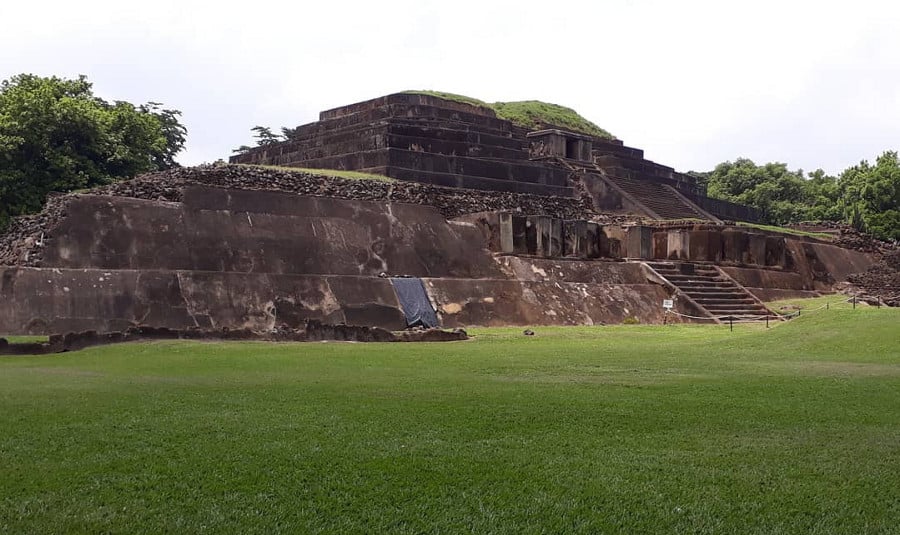
The Tazumal Archaeological Site, located in Chalchuapa, El Salvador, is one of the country’s most remarkable pre-Columbian landmarks, offering visitors a glimpse into ancient civilizations that flourished centuries ago.
Known for its impressive pyramids and ceremonial structures, Tazumal is among the most significant ancient Mayan archaeological sites in El Salvador, preserving evidence of the region’s rich cultural heritage.
Today, the archaeological park attracts history enthusiasts and travelers interested in exploring El Salvador’s ancient past. Its architecture and archaeological discoveries reveal centuries of cultural development.
- What Is the Tazumal Archaeological Site?
- History of the Tazumal Archaeological Site
- Tazumal and the Ancient Maya Civilization
- Architecture and Main Structures at Tazumal
- Important Archaeological Discoveries at Tazumal
- Visiting the Tazumal Archaeological Site
- Other Archaeological Sites Near Tazumal
- Tazumal’s Importance to Salvadoran Cultural Heritage
What Is the Tazumal Archaeological Site?
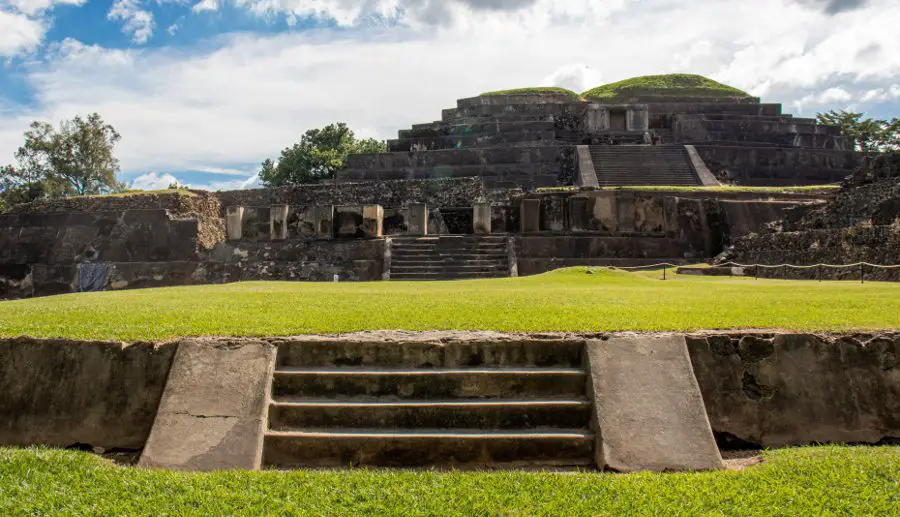
Tazumal is a pre-Columbian archaeological complex in the city of Chalchuapa, in the department of Santa Ana, western El Salvador. It forms part of a larger archaeological landscape that includes several ancient settlements.
Tazumal is best known for its impressive pyramid, ceremonial platforms, and ancient structures that once played important roles in religious and political life.
But there’s more to Tazumal than its impressive ruins. Archaeological discoveries show that Chalchuapa had strong cultural and trade connections with communities across Mesoamerica, making it an important center for commerce and cultural exchange.
Meaning and Origin of the Name Tazumal
The name Tazumal is commonly associated with the Nahuat language, although interpretations of its precise meaning vary. One frequently cited translation is “the place where souls are consumed.”
However, historians still aren’t sure where the name came from or what it originally meant. Archaeologists also haven’t confirmed what the ancient inhabitants called the site.
History of the Tazumal Archaeological Site
Tazumal’s history goes back centuries and tells the story of how ancient communities in western El Salvador grew and changed over time. Its ruins give visitors a glimpse into everyday life, religious traditions, and the connections people built with neighboring communities.
Early Settlement and Development
According to historians, people began settling in the Chalchuapa area around 1200 BC. Over the centuries, these early communities established farming settlements, built ceremonial centers, and developed more advanced construction techniques.
Tazumal grew into an important center during the Classic period, as its inhabitants built impressive structures and expanded the ceremonial complex.
The site continued to develop during the Postclassic period, as new cultural influences and growing connections with other Mesoamerican societies shaped its history.
Tazumal During the Classic and Postclassic Periods
During the Classic period, roughly AD 250 to 900, Tazumal grew into an important ceremonial center. Its builders followed architectural styles and traditions commonly found throughout the Maya region.
Over time, the people of Tazumal added new structures and introduced different architectural styles. These changes show how the site maintained connections with other Mesoamerican communities through trade, politics, and religious practices.
Archaeological evidence indicates that activity continued into the Early Postclassic period, although the site’s role and importance changed over time.
Archaeological Excavations and Discoveries
Archaeologists began exploring Tazumal more closely during the twentieth century. In the 1940s, American archaeologist Stanley H. Boggs led major excavations and worked to restore several of the site’s ancient structures.
His discoveries helped researchers identify important buildings, understand how the site developed over time, and uncover artifacts that offered clues about its past.
Since then, other archaeologists have continued exploring Tazumal, learning more about its architecture and connections to nearby ancient communities.
Today, researchers still study the site’s structures and artifacts to better understand how people lived in ancient Chalchuapa.
Tazumal and the Ancient Maya Civilization
Tazumal grew in a region where Maya civilization had a strong influence, but its history also shows connections with other Mesoamerican cultures.
The site’s architecture, pottery, and ceremonial practices reveal close ties to the wider Maya world, especially during the Classic period.
Maya Influence on Tazumal
You can see Maya cultural influence in Tazumal’s impressive architecture, building techniques, and archaeological artifacts. Its ceremonial buildings also share similarities with those at other major Maya sites throughout the region.
However, Tazumal wasn’t an isolated Maya settlement. Its inhabitants participated in a broader cultural environment shaped by trade, migration, and interaction among neighboring societies.
Connections With Other Mesoamerican Cultures
Archaeological discoveries indicate that Tazumal had connections with communities outside of the Maya civilization.
Artifacts and architectural elements demonstrate influences from various regions of Mesoamerica, highlighting how trade and social interactions facilitated the spread of cultural traditions across the region.
These connections help explain why Tazumal’s history includes architectural and artistic features that changed across different periods.
Architecture and Main Structures at Tazumal
The architecture of Tazumal is among its most recognizable features. Its surviving buildings reveal the engineering knowledge and ceremonial traditions of the societies that occupied the complex.
The Main Pyramid and Ceremonial Structures
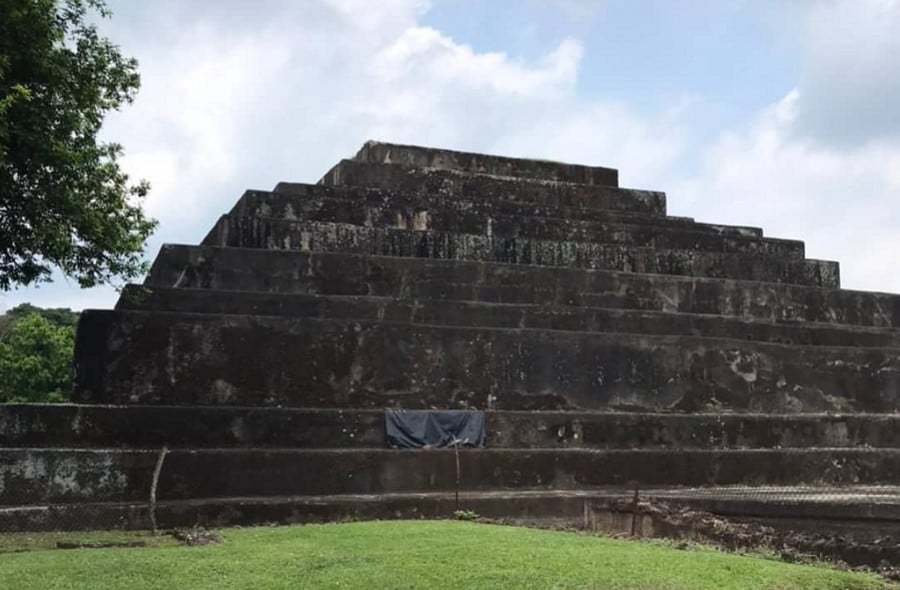
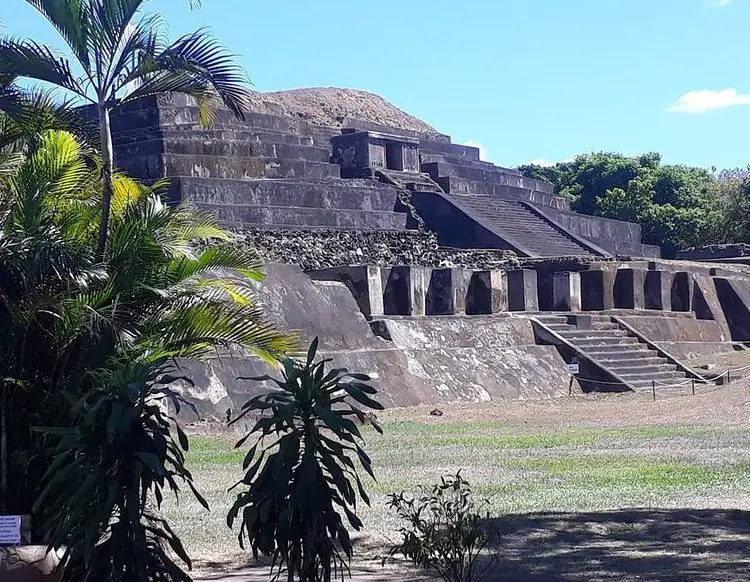
The large stepped pyramid is Tazumal’s most impressive structure and dominates the archaeological park. It stands at the center of a complex that ancient builders developed over several construction phases.
The pyramid’s terraces, stairways, and raised platforms show how important these massive structures were for religious ceremonies and other activities in ancient times.
Instead of building everything at once, different generations expanded and modified existing structures. Over time, their work shaped the impressive archaeological site visitors can explore today.
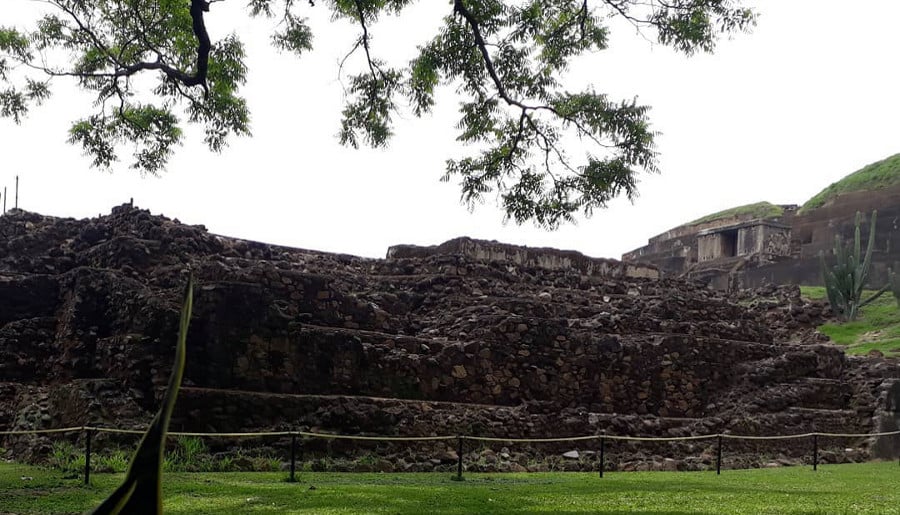
Platforms, Plazas, and Other Archaeological Features
Beyond the main pyramid, Tazumal has several platforms and other ancient structures that people once used for ceremonies and public gatherings.
These spaces helped people move around the complex and provided places to gather. Their layout also offers clues about how ancient communities used the site.
Today, archaeologists study these structures to learn more about how architecture, religious traditions, and political power shaped life at Tazumal.
Important Archaeological Discoveries at Tazumal
Excavations at Tazumal have uncovered sculptures, ceramics, burial offerings, and other objects that reveal aspects of ancient society.
These discoveries provide evidence of artistic traditions, ceremonial activities, and connections with neighboring communities.
The Virgin of Tazumal Sculpture
One of the site’s most recognizable discoveries is a stone sculpture commonly called the Virgin of Tazumal, or Virgen de Tazumal.
The sculpture shows a standing human figure and offers an important example of pre-Columbian stone carving from the archaeological area.
Its discovery helps researchers better understand how the region’s ancient inhabitants expressed themselves through art and the symbols and traditions they valued.
Ceramics, Artifacts, and Burial Discoveries
Archaeologists have discovered pottery, decorative objects, and items that were used in religious ceremonies and burials.
These findings improve researchers’ understanding of how individuals connected to Tazumal lived, practiced their beliefs, and organized their communities.
Ceramic styles are particularly useful because they provide evidence of changing cultural influences and relationships with other settlements.
Visiting the Tazumal Archaeological Site
Tazumal is one of the most accessible archaeological attractions in western El Salvador. Its location within Chalchuapa allows visitors to combine historical exploration with a visit to the nearby cities.
The archaeological park offers an opportunity to observe monumental pre-Columbian architecture without traveling far from Santa Ana.
Tazumal is located in Chalchuapa, a historic city in the department of Santa Ana, approximately 80 kilometers west of San Salvador.
The archaeological park sits within the urban area, making it relatively easy to reach by private vehicle or public transportation.
What to See at the Archaeological Park
The main attraction is the monumental pyramid, which visitors can observe from designated areas within the park.
Additional archaeological remains, informational displays, and landscaped spaces help explain the site’s historical significance.
Visitors can walk through the grounds while examining the architectural features that distinguish Tazumal from other pre-Columbian sites in El Salvador.
The Tazumal Site Museum
The archaeological park also has a museum where visitors can learn about the site’s history and archaeological discoveries.
The exhibits explore how Chalchuapa’s ancient cultures developed and showcase artifacts that archaeologists uncovered during excavations.
Exploring the museum adds context to the outdoor structures and offers a deeper appreciation of the communities that once inhabited the region.
Best Time to Visit Tazumal
Tazumal can be visited throughout the year, although weather conditions influence the experience.
The dry season, generally from November through April, offers more predictable conditions for exploring the outdoor archaeological grounds.
Morning visits can be more comfortable, particularly during warmer months. Comfortable footwear, drinking water, and sun protection are useful when exploring the park.
Other Archaeological Sites Near Tazumal
Chalchuapa contains several important archaeological areas, making it an interesting destination for travelers who want to explore El Salvador’s ancient history.
Casa Blanca Archaeological Site
Casa Blanca is another important archaeological site in Chalchuapa. Its ancient structures offer a glimpse into the region’s early ceremonial traditions and show how local cultures developed over time.
Visitors interested in Tazumal can explore Casa Blanca to gain a broader understanding of the ancient settlements that developed across the Chalchuapa area.
El Trapiche Archaeological Area
El Trapiche is an archaeological area associated with some of Chalchuapa’s earliest monumental construction.
Its archaeological remains contribute to understanding the development of ceremonial centers long before Tazumal reached its greatest importance.
Although visitor access may differ from that of established archaeological parks, El Trapiche remains important to the region’s archaeological history.
Tazumal’s Importance to El Salvador’s Cultural Heritage
The Tazumal Archaeological Site offers a fascinating look into El Salvador’s ancient past. Its pyramids, ceremonial structures, and archaeological discoveries show how they lived and shaped the region.
Tazumal connects visitors with the country’s pre-Columbian history. Exploring the ruins helps people understand the ancient influences that helped shape Salvadoran culture and traditions over the centuries.
Many visitors come to admire the ruins, but they leave with a deeper appreciation for El Salvador’s history. Each structure tells part of a story that stretches back centuries.
You can explore Tazumal as part of a broader journey through the country’s historical attractions. Explore the best places to visit and things to do in El Salvador to discover more destinations that showcase its heritage.

