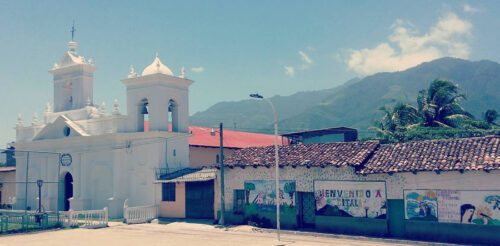
El Cuco Beach El Salvador.
The tourist routes in El Salvador showcase the country’s natural beauty, volcanic landscapes, pristine beaches, and amazing culture. These well-established paths guide visitors through adventure, relaxation, and authentic rural encounters.
These routes are essential for the growth of tourism in El Salvador. They help organize travel options, increase visitor numbers, extend stays, and generate economic opportunities for local communities along the way.
Beyond sightseeing, tourist routes preserve and celebrate El Salvador’s culture. They connect travelers with traditions, indigenous crafts, gastronomy, and festivals, offering immersive experiences that keep cultural identity alive while supporting sustainable tourism practices.

Flowers Route or Ruta de Las Flores
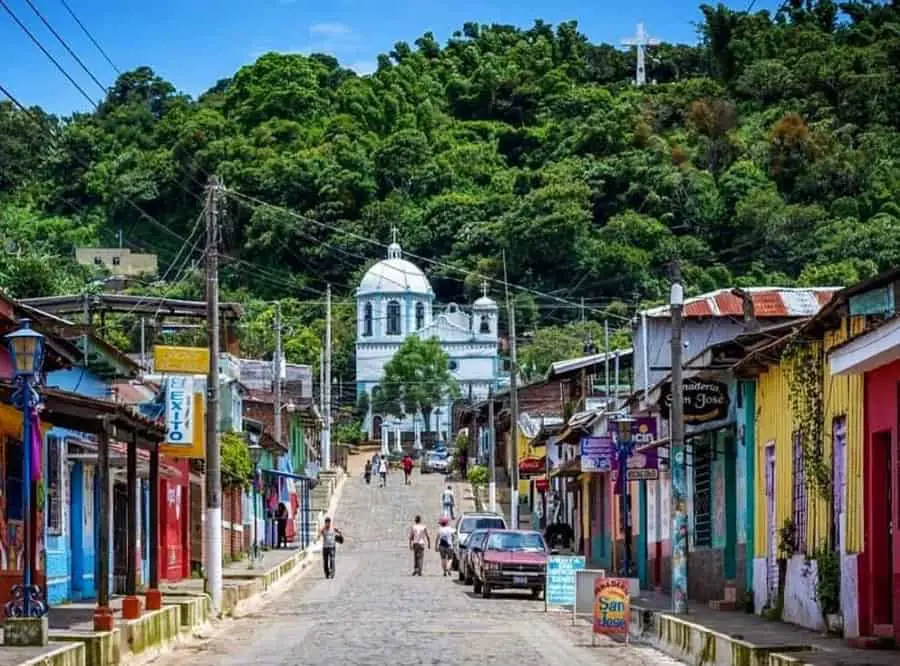
El Salvador’s Flower Route, or La Ruta de las Flores, is the country’s best-known tourist route. Stretching through the western highlands, it combines colorful colonial towns, coffee plantations, waterfalls, handicrafts, traditional cuisine, and a pleasant mountain climate.
Its variety of attractions makes it an excellent destination for almost every type of traveler.
The route gets its name from the wildflowers that once bloomed along its roads. Today, it is famous for its charming towns, vibrant murals, artisan markets, coffee farms, and lively weekend food festivals.
Juayúa is the route’s most popular stop, attracting visitors with its famous weekend food festival. Local vendors serve traditional Salvadoran dishes and local specialties, creating one of the country’s top culinary experiences.
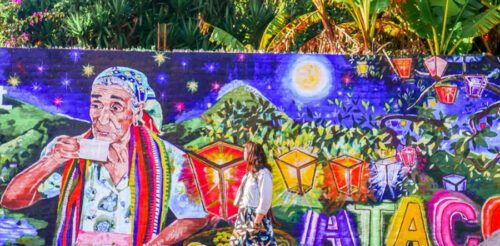
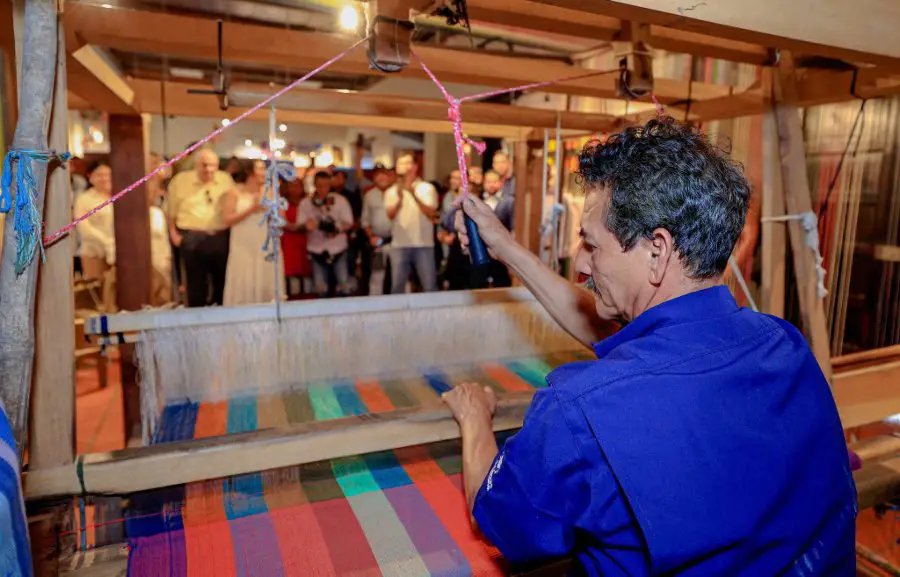
In Ataco, cobblestone streets and colorful murals create a charming atmosphere. Artisans display handwoven textiles, while coffee tours introduce visitors to one of El Salvador’s most prized exports.
Apaneca adds adventure to the route. Its surrounding hills and dense forest invite ziplining, hiking, and visits to coffee plantations. Apaneca is an excellent stop for eco-tourism and outdoor enthusiasts alike.
The neighboring towns of Salcoatitán and Nahuizalco add even more cultural richness to the route. Local markets feature handcrafted ceramics, woven textiles, wood carvings, and other traditional products. At the same time, festivals and warm hospitality provide visitors with an authentic taste of Salvadoran culture.
The Flower Route combines nature, cuisine, culture, and adventure in one journey. It captures the essence of western El Salvador, making it a must-see for both locals and international visitors.
Sun and Beach Route
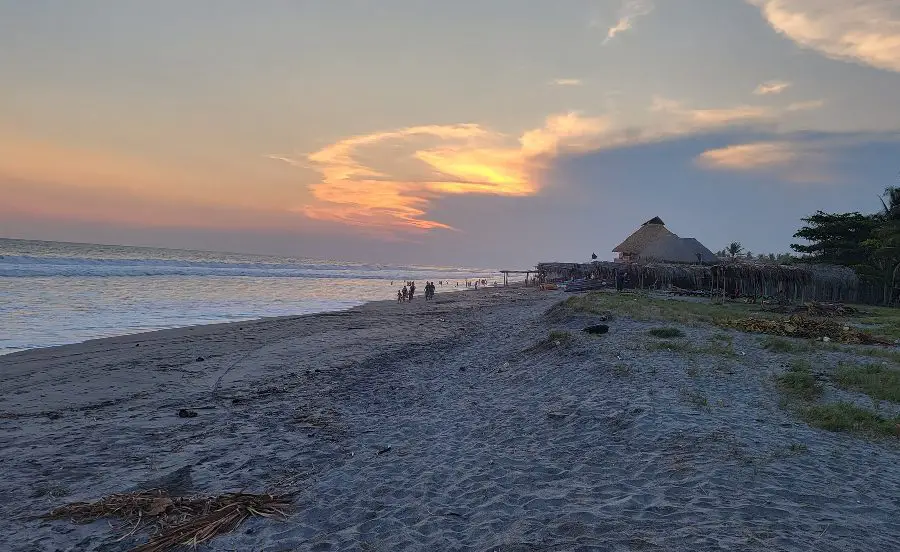
Looking for sun, waves, and adventure? El Salvador’s Sun and Beach Route delivers all three, combining surf hotspots, quiet escapes, and natural wonders along its spectacular Pacific coastline.
This route is a cornerstone of Salvadoran tourism. Since 2019, the Salvadoran government has spent millions of dollars improving infrastructure along the coastal area.
The mix of dark and golden-sand beaches with dramatic landscapes along the Sun and Beach Route attracts both international travelers and locals.
Some Destinations along this route are El Tunco, El Zonte, Punta Roca, La Costa del Sol, Los Cóbanos, Barra de Santiago, El Cuco, Las Flores, and Punta Mango.
The Sun and Beach Route offers much more than beautiful beaches and great waves. It also takes visitors to stunning mangrove forests, including Jiquilisco Bay and Barra de Santiago, where nature and wildlife are the main attractions.
These mangroves are perfect for kayaking, fishing, and birdwatching. Paddling through the peaceful waterways gives visitors a chance to see herons, iguanas, and many species of migratory birds in their natural habitat.
Those looking for even more adventure can explore beneath the Pacific’s surface. Scuba diving reveals colorful marine life, volcanic rock formations, and underwater landscapes that make the Sun and Beach Route just as exciting below the water as it is above.
Volcano Route
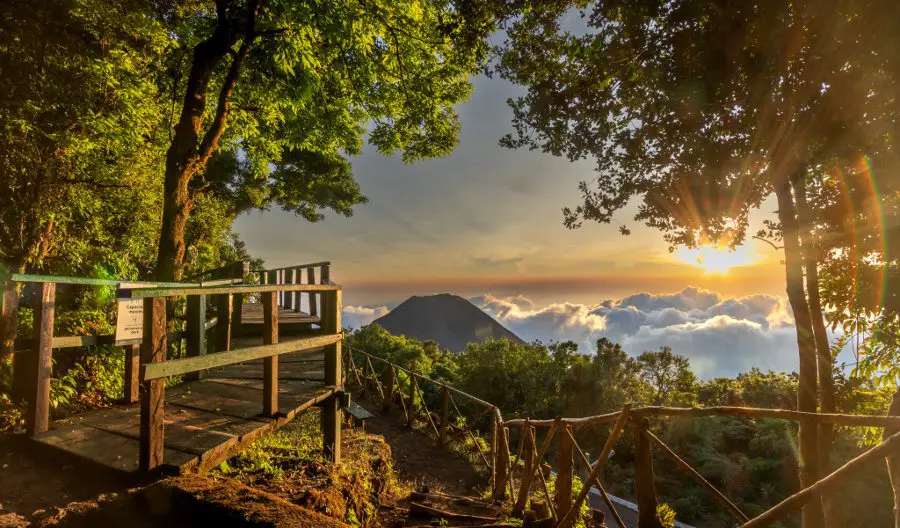
The Volcano Route is one of El Salvador’s most striking tourist destinations. It encompasses three majestic volcanoes and one volcanic caldera: Izalco, Ilamatepec, Cerro Verde, and Lake Coatepeque.
This protected natural area in the western highlands offers travelers panoramic views of volcanic craters, lush forests, and distant landscapes stretching toward Lake Coatepeque. Its trails reveal both adventure and tranquility.
Hiking through the Volcano Routeimmerses visitors in El Salvador’s dramatic geological history. Trails wind past steaming fumaroles, dense cloud forests, and breathtaking overlooks, making it a prime destination for eco-tourists and adventure seekers alike.
As a key tourist route, the Volcano Route boosts local economies by attracting international travelers and domestic visitors. It strengthens El Salvador’s tourism brand by combining natural beauty with accessible infrastructure and guided experiences.
The Volcano Route also plays an important cultural role. Surrounding towns integrate their traditions into the visitor experience, offering artisanal crafts, Salvadoran cuisine, and folklore that complement the route’s natural wonders.
Archaeological Route
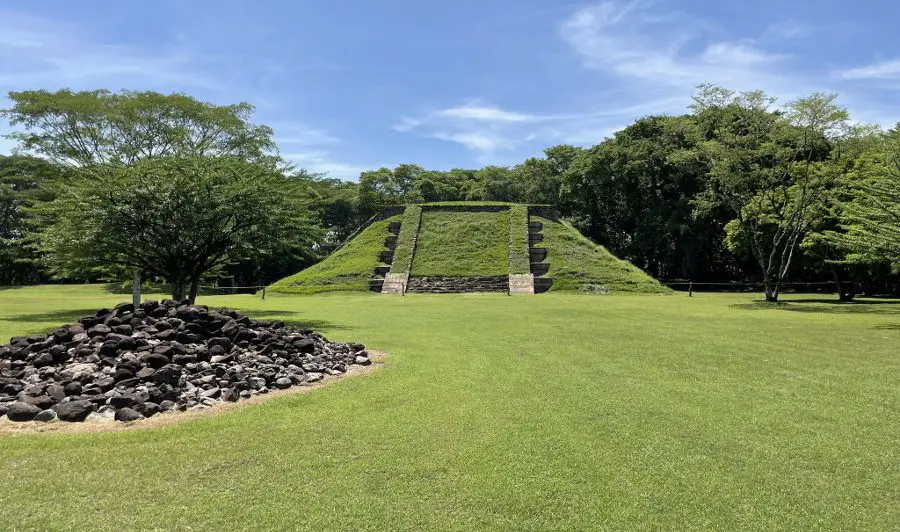
El Salvador’s Archaeological Route, or Ruta Arqueológica, takes travelers back to the country’s pre-Columbian past. It connects ancient sites that preserve the heritage of the Maya and Pipil civilizations.
One highlight is Joya de Cerén, a UNESCO World Heritage Site. Known as the “Pompeii of the Americas,” this preserved village offers a glimpse into daily life before the Spanish conquest.
Tazumal, located in Chalchuapa, impresses with its towering pyramids and ceremonial structures. Visitors explore temples, ball courts, and artifacts that reveal the sophistication of Mesoamerican culture in El Salvador.
San Andrés offers another glimpse of history with its plazas and structures once used for political and religious ceremonies. The site reveals El Salvador’s role in regional trade networks.
Cihuatán, the largest archaeological site in the country, displays remnants of a once-thriving city. Its ruins highlight urban planning and connections to wider Mesoamerican cultures.
The Ruta Arqueológica also promotes cultural pride. By walking these sites, travelers witness El Salvador’s roots, linking the modern nation to traditions and knowledge passed down through centuries of indigenous resilience.
Fresh Climate Route
El Salvador’s Fresh Climate Route, or Ruta Fresca, runs through northern Chalatenango. With temperatures between 10 and 18°C, it offers a refreshing escape from the country’s tropical heat.
The route highlights La Palma, San Ignacio, and Citalá—three mountain towns where cool air, lush landscapes, and cultural charm create an inviting atmosphere for visitors year-round.
La Palma stands out for its strong artistic identity. It is home to a museum dedicated to Fernando Llort, the renowned Salvadoran artist who transformed the town into a creative hub.
San Ignacio enchants travelers with its cobblestone streets and old-style architecture. The town preserves an atmosphere that recalls the El Salvador of earlier generations, filled with tradition.
Citalá, near the Honduran border, offers sweeping natural viewpoints. Visitors can hike forest trails, admire panoramic landscapes, and appreciate the tranquil pace of this highland community.
The main natural attractions are El Pital and Miramundo. These places have cold weather and are ideal for ecotourism activities.
Cerro El Pital is the highest point in El Salvador (2,730 meters above sea level). It is located in San Ignacio, with cool temperatures and coniferous forests.
Miramundo: A mountainous area with hotels, cabins, and high-altitude viewpoints ideal for relaxing amidst constant mist.
El Salvador’s Fresh Climate Route combines ecotourism, agro-tourism, and artisan workshops—it balances nature with culture.

Peace Route
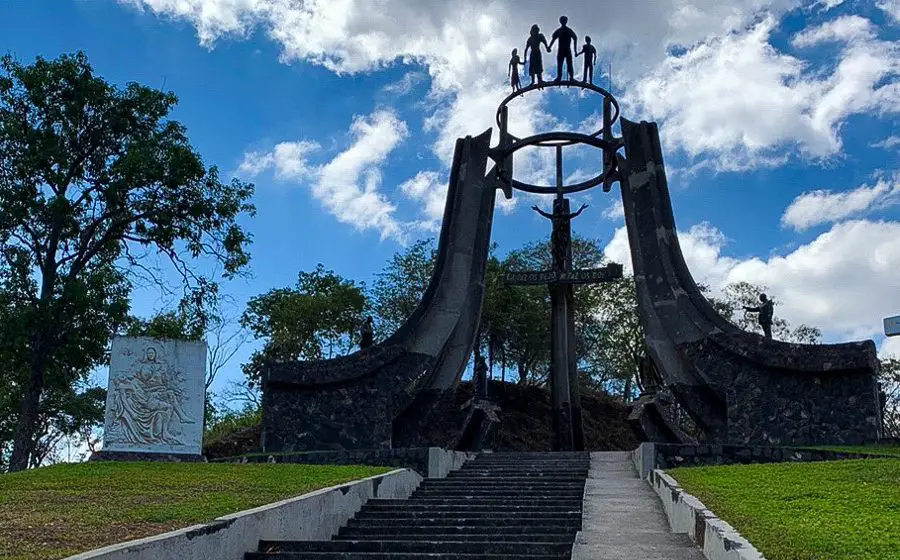
El Salvador’s Peace Route, or Ruta de la Paz, traces the history of the civil war across the department of Morazán. It guides visitors through towns once central to the country’s conflict.
The route combines history, museums, mountains, waterfalls, and the legacy of the Salvadoran Civil War. It appeals to travelers interested in history, culture, and nature.
The Peace Route includes the town of Perquín, home to the Museum of the Revolution, one of El Salvador’s most important historical museums.
This museum exhibits feature photographs, weapons, personal belongings, and firsthand accounts that help visitors understand the country’s civil war and the experiences of those who lived through it.
Many of the route’s attractions take visitors beyond the urban areas. Guided hikes lead to former guerrilla camps, hidden encampments, and other sites that played a role during the 1980s armed conflict.
Walking these trails offers a unique perspective on the history that shaped eastern El Salvador.
Tourism along this route supports local economies, transforming once war-torn towns into places of education and remembrance. Hotels, guided tours, and cultural events create opportunities for sustainable development.
The route also highlights the culture of the towns along the way. Local festivals, traditional foods, and handcrafted products give visitors a chance to experience everyday life while learning how these communities rebuilt after the war.
By linking remembrance with tourism, the Peace Route helps preserve collective memory. It invites reflection, healing, and respect, ensuring future generations understand both the costs and the lessons of war.
Thousand Summits Route
El Salvador’s Thousand Summits Route, or Ruta de las Mil Cumbres, is a breathtaking ecotourism journey through rugged mountains, forests, and charming rural communities.
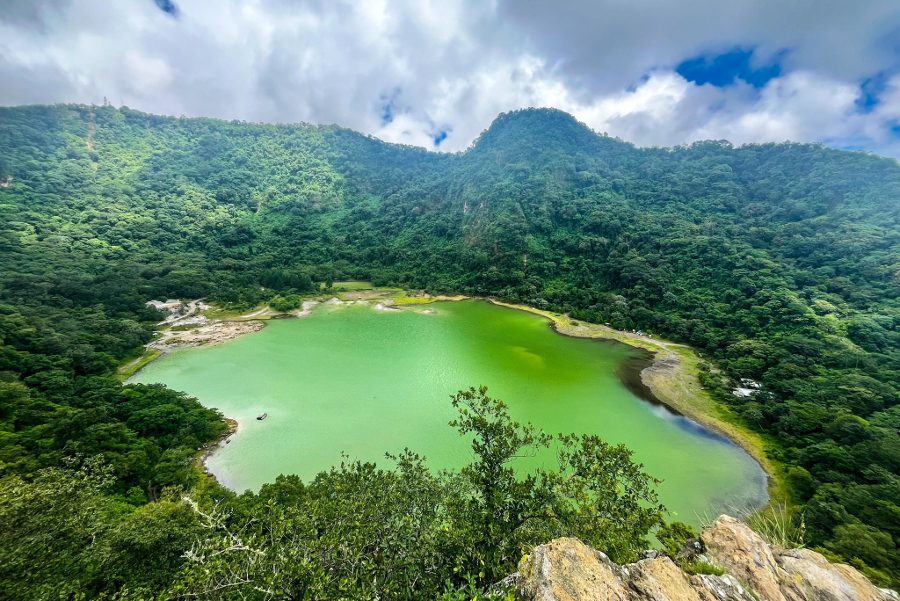
The Route links Jiquilisco Bay with the Sierra de Tecapa and Laguna de Alegría, a volcanic crater whose shimmering waters change color with light and minerals.
The journey moves from coastal mangroves to high volcanic landscapes within hours, blending water sports, birdwatching, and mountain coffee plantations—ideal for travelers seeking both nature and cultural immersion.
Jiquilisco Bay, one of the first stops, is a Ramsar Biosphere Reserve with El Salvador’s largest mangrove forest. Visitors enjoy kayaking, birdwatching, and exploring its rich marine and coastal ecosystems.
In Alegría, natural beauty meets cultural vibrancy. The town offers charming attractions while serving as a gateway to the Sierra de Tecapa and its dramatic volcanic landscapes.
Laguna de Alegría, known as the “Emerald of Latin America,” crowns this route. Mist, hot springs, and lush vegetation surround the crater lagoon, creating a mystical and unforgettable experience.
Nearby, El Jojotal Lagoon and the city of Berlin add biodiversity and coffee culture. Together, these destinations make the Thousand Summits Route a unique ecotourism adventure in El Salvador.
Artisanal Route
El Salvador’s Artisanal Route, known as the Ruta Artesanal, highlights the nation’s craftsmanship and creativity. This route stretches across several small towns, connecting visitors with artisans who preserve centuries-old techniques through vibrant handmade works.
This tourist route introduces travelers to pottery, weaving, and woodwork, with each town showcasing distinctive traditions. From painted ceramics in Ilobasco to indigo-dyed fabrics in San Sebastián, authenticity defines every stop.
El Salvador’s Artisanal Route connects six towns renowned for preserving the country’s rich artistic traditions and cultural heritage. Ilobasco, La Palma, San Ignacio, San Sebastián, Suchitoto, and Citalá.
Each colorful town offers visitors a unique glimpse into Salvadoran craftsmanship, from handcrafted ceramics and colorful painted woodwork to traditional textiles and locally made artisan products.
The Ruta Artesanal is more than a shopping experience—it strengthens El Salvador’s tourism industry. Visitors generate income for artisan families, supporting rural economies while sustaining artistic practices threatened by industrialization and mass production.
Along the route, workshops open their doors to tourists, allowing hands-on participation. Learning to weave or craft pottery offers travelers cultural immersion while giving artisans recognition for their inherited knowledge and skill.
The route embodies Salvadoran cultural identity, preserving folklore and traditional methods. Each handcrafted piece tells a story of resilience, community, and history.
By linking tourism to culture, El Salvador’s Artisanal Route becomes both a showcase and a safeguard. It strengthens pride, empowers artisans, and positions the country as a destination for authentic, meaningful experiences.
The Tourist Routes in El Salvador
The tourist routes in El Salvador reveal the country’s diversity—volcanoes, beaches, forests, and traditions. Each path invites exploration, blending natural beauty, culture, and history into unforgettable journeys for travelers seeking authenticity.
From archaeological sites to artisan towns and coastal escapes, these routes showcase El Salvador’s soul. They connect communities, preserve heritage, and ensure tourism contributes to both cultural pride and economic growth.