 Salvadoran Traditional Foods.
El Salvador Cuisine is more than just food—it is part of the country’s heritage. From freshly made pupusas to traditional soups and sweet desserts, Salvadoran dishes combine simple ingredients with recipes and cooking traditions passed down through generations.
Across El Salvador, street vendors, bustling markets, local restaurants, and family kitchens serve traditional foods that bring people together.
Salvadoran cuisine offers a wide variety of flavors. And although El Salvador is a small country, regional variations give traditional recipes their own character. Food in El Salvador brings together culture, community, and flavors deeply rooted in the country’s history.
- Salvadoran cuisine
- 1. Pupusas
- 2. Tamales
- 3. Yuca Frita con Chicharron
- 4. Sopa de Pata
- 5. Sopa de Res
- 6. Sopa de Mondongo
- 7. Sopa de Gallina India
- 8. Empanadas
- 9. Pasteles or Pastelitos
- 10. Quesadillas
- 11. Panes Rellenos
- 12. Platanos con Huevos, Crema y Frijoles.
- 13. Lomo Relleno
- 14. Coctel de Conchas
- 15. Enchiladas
- 16. Mariscada
- 17. Nuegados
- 18. Arroz con Leche
- 19. Casamiento
- 20. Marquesote
Salvadoran cuisine
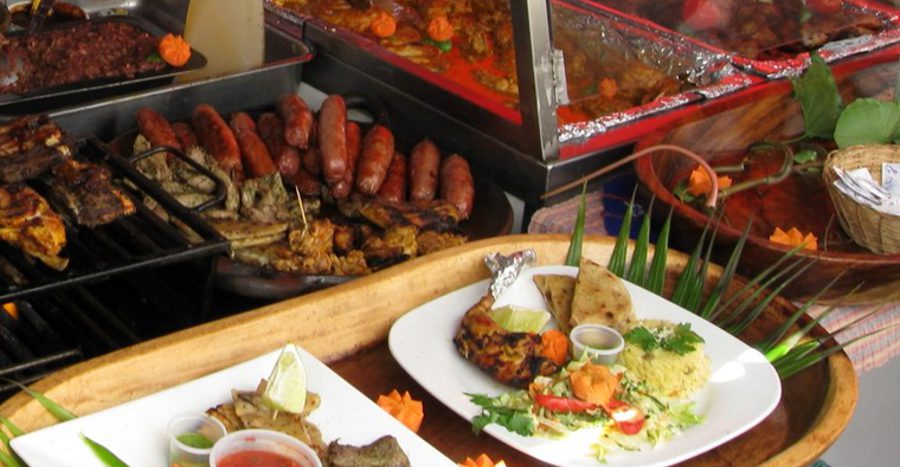
Salvadoran cuisine reflects the country’s history and culture, blending indigenous ingredients with Spanish influences.
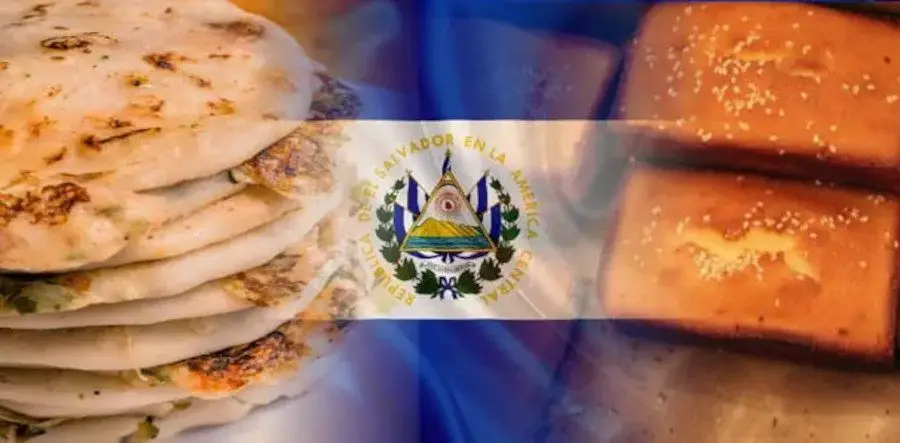
Pupusas, El Salvador’s national dish, embody this heritage. Stuffed with cheese, beans, or chicharrón, these thick corn tortillas are cooked on hot griddles and served with tangy curtido and salsa.
Street foods bring Salvadoran flavors to life. Yuca frita, pastelitos, and empanadas are staples at markets and festivals, offering quick, affordable, and flavorful bites to hungry crowds.
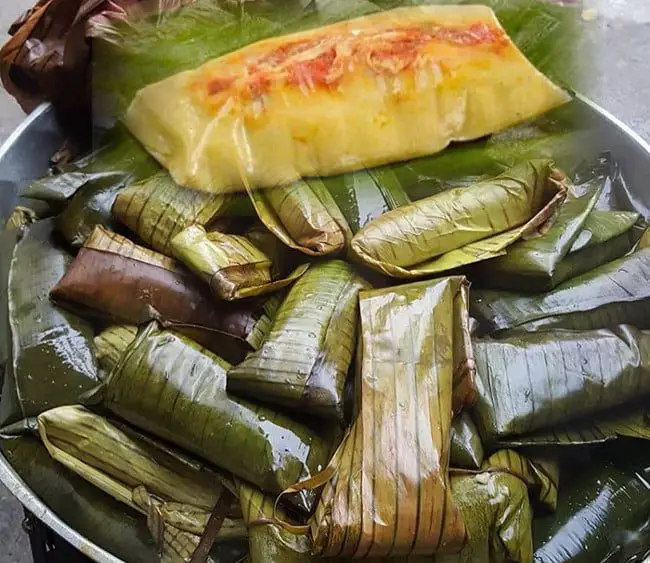
Tamales showcase tradition with a festive touch. Wrapped in banana leaves, filled with chicken or vegetables, and steamed until tender, they are served during holidays and family gatherings.
Soups hold a central place in Salvadoran tables. Sopa de res, mariscada, and sopa de gallina india provide warmth, nutrition, and comfort, often enjoyed as Sunday or special-occasion meals.
Fruits highlight El Salvador’s tropical abundance. Mangoes, jocotes, tamarind, and zapotes are savored fresh, juiced, or sprinkled with chili and lime, creating vibrant, refreshing snacks year-round.
Drinks and beverages also define the culture. Horchata made from morro seeds, atol de elote, and chilate blend ancestral recipes with comforting flavors still enjoyed across towns and cities.
Modern Salvadoran cuisine elevates tradition with innovation. Chefs reinvent classics using gourmet techniques and local produce, creating dishes that preserve heritage while appealing to global tastes and contemporary dining trends.
Salvadoran cuisine is best enjoyed in small, colorful towns where traditions thrive, and during holidays or celebrations, when families gather to share festive dishes that highlight culture, flavor, and community. You can also enjoy this food at food festivals or from street vendors.
For visitors and anyone interested in Salvadoran culture, exploring traditional food is one of the best ways to experience the country. These 20 must-try Salvadoran foods highlight the flavors, ingredients, and traditions that make the nation’s cuisine distinctive and worth discovering.
1. Pupusas. The National Dish of El Salvador
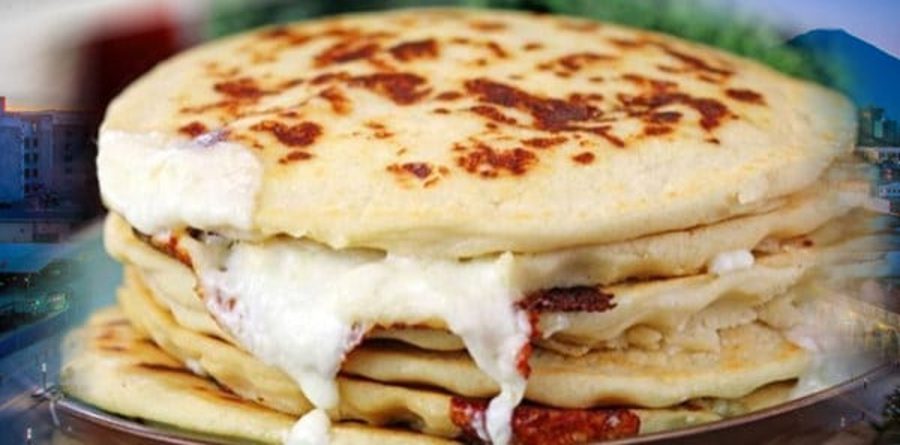
Pupusas are a source of pride for Salvadorans and are widely recognized as El Salvador’s signature dish. Ask almost any Salvadoran what to try when visiting the country, and pupusas will likely top the list.
Traditional pupusas are made with corn flour, although rice flour is also popular in some parts of the country. Classic fillings include cheese, refried beans, and chicharrón. Other varieties feature ingredients such as loroco, ayote, and chicken, giving this traditional dish plenty of variety.
No plate of pupusas is complete without curtido and tomato salsa. The tangy cabbage slaw and flavorful sauce complement the warm pupusas perfectly. Recipes vary among pupuserías, giving each place its own distinctive flavor.
Pupusas are found throughout El Salvador, from neighborhood pupuserías and busy city markets to small roadside stands. Salvadorans enjoy them for breakfast, lunch, or dinner, as well as a filling snack at almost any time of day.
2. Tamales. Best Salvadoran Food for Special Celebrations
Salvadoran tamales are a beloved Salvadoran traditional food made with seasoned corn dough and filled with ingredients such as chicken, boiled eggs, vegetables, and a savory tomato-based sauce. The tamales are then wrapped in banana leaves and cooked until tender.
Each tamale can have its own distinctive flavor. The tomato-based sauce placed inside often varies from one family to another, with recipes and preparation methods passed down through generations.
Throughout El Salvador, tamales come in several varieties. Popular options include traditional chicken tamales, tamales pisques filled with beans, sweet sugar tamales, and corn tamales, all enjoyed year-round.
Tamales are also closely connected to family and community traditions. Salvadorans prepare them for weddings, funerals, other large gatherings, and holidays or celebrations.
3. Yuca Frita con Chicharron or Deep-Fried Cassava with Pork Chunks
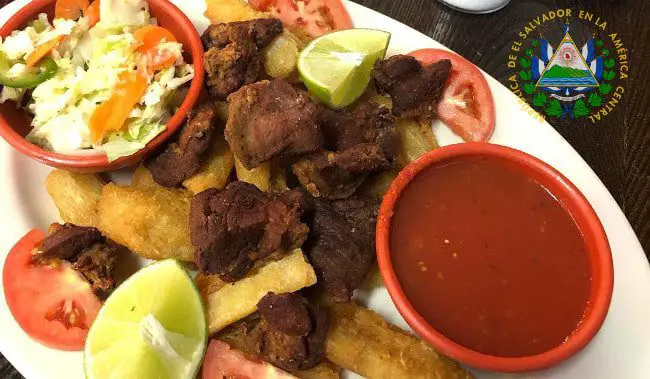
Yuca con chicharrón is one of El Salvador’s most iconic street foods, combining golden-fried cassava with crispy pork belly chunks, topped with cabbage slaw and tangy tomato sauce.
Chicharrón, the star protein, is made from pork belly chunks or pork rinds, deep-fried to perfection. Its crunch contrasts beautifully with the soft, starchy texture of fried yuca.
Across El Salvador, yuca con chicharrón is served with regional flair. Variations in cabbage slaw and sauces give each plate its own unique local identity.
4. Sopa de Pata or Cow’s Foot Soup
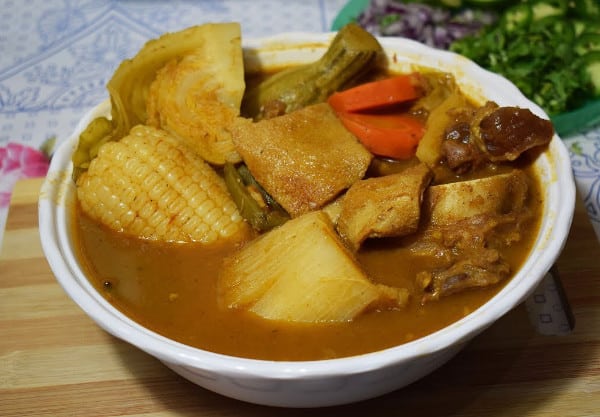
Sopa de Pata is a delicious Salvadoran soup made from cow’s feet, simmered with yuca, corn, beans, plantains, tomatoes, and cabbage, creating a rich, comforting flavor. This traditional dish offers a deeply satisfying taste.
This traditional soup is considered a delicacy in El Salvador. Restaurants often prepare it only on certain days of the week, and it is usually served fresh at lunchtime.
This beloved soup holds special appeal for locals, especially older generations, who treasure its warmth, nourishment, and connection to the country’s culinary traditions and family roots.
5. Sopa de Res or Beef Soup
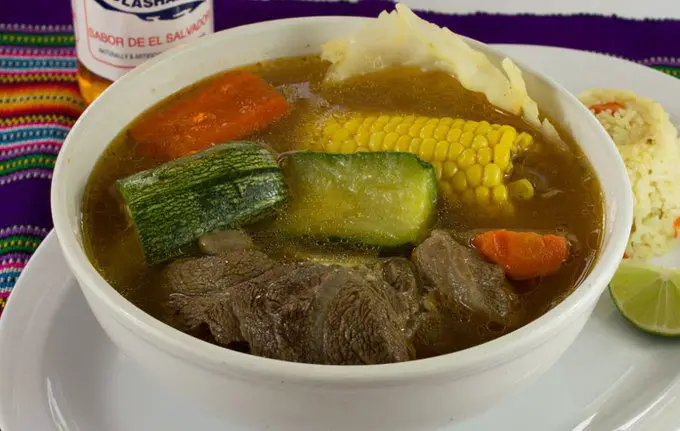
Sopa de Res, or beef soup, is a classic Salvadoran dish prepared with chunks of beef, corn, carrots, yuca, cabbage, plantains, and zucchini.
This comforting soup is a lunchtime tradition across El Salvador. You’ll mostly find Sopa de Res served in modest eateries at bustling local markets, where vendors prepare it fresh and steaming hot for hungry lunchtime crowds.
6. Sopa de Mondongo or Tripe Soup
Mondongo soup is made using cow’s tripe, tendons, and cartilage mixed with spices, corn, cabbage, carrots, and yuca. Mondongo soup is a popular dish among local Salvadorans for curing hangovers. It is regularly sold during the weekends at lunchtime.
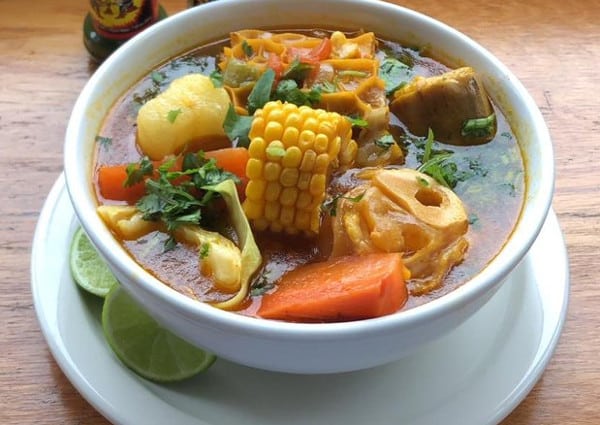
7. Sopa de Gallina India or Wild Chicken Soup
Wild chicken soup, or Sopa de Gallina India, is made with wild or indigenous Indian chicken. The soup is cooked with chopped vegetables, garlic, herbs, and spices.
Sopa de Gallina India is a popular lunch dish found in local markets, mainly at lunchtime. Most restaurants serve it only on special occasions or on weekends.
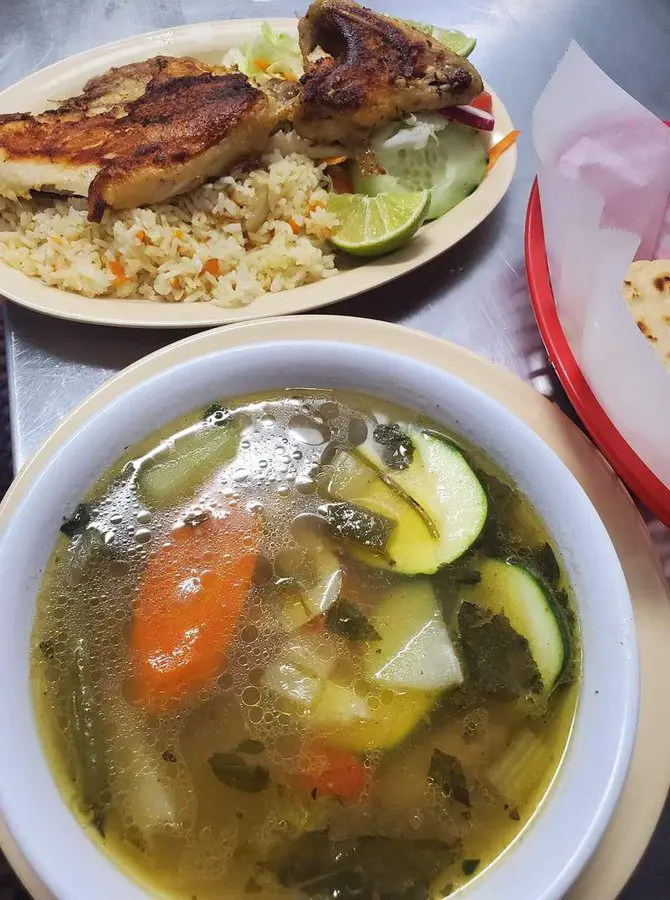
8. Empanadas de Leche o Frijoles
Empanadas are ground plantain molded into oval balls stuffed with vanilla custard or beans; this sweet food is served with sugar sprinkled on top. Empanadas are served as a dessert or snack, usually with coffee.
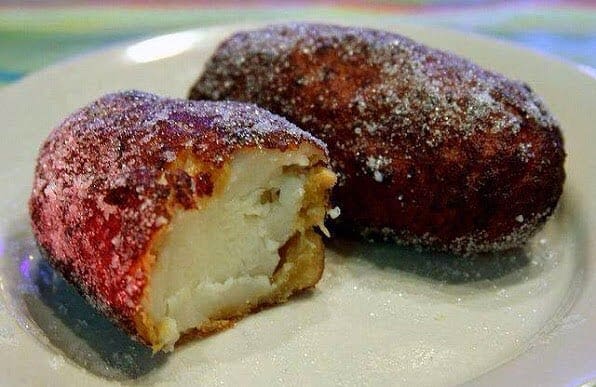
9. Pasteles or Pastelitos
Pastelitos, or fried pasteles, are a beloved Salvadoran snack made with corn dough, achiote, and spices, shaped into half-moons, and filled with meat, vegetables, or a combination of both.
Deep-fried until golden, these crispy delights are typically served with tomato sauce and fresh cabbage, offering a flavorful appetizer or quick street food enjoyed throughout El Salvador.
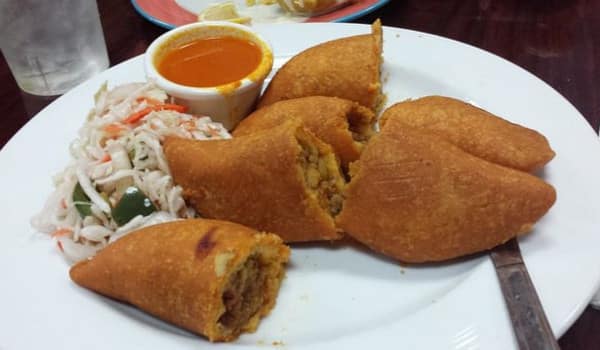
10. Quesadillas. Salvadoran Cheesecake
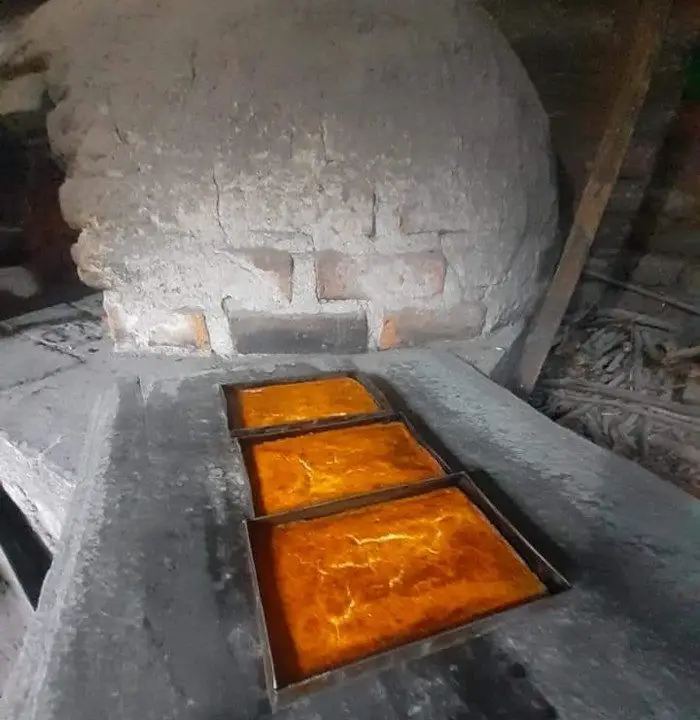
Salvadoran quesadilla is a sweet, cheesy dessert bread made with local cheese, eggs, milk, butter, and flour, traditionally baked in rustic wood-fired artisanal ovens.
Topped with sesame seeds, this rich treat pairs perfectly with coffee or hot chocolate and is sold everywhere—from restaurants and cafés to roadside stands across El Salvador.
11. Panes Rellenos. Salvadoran Sandwiches
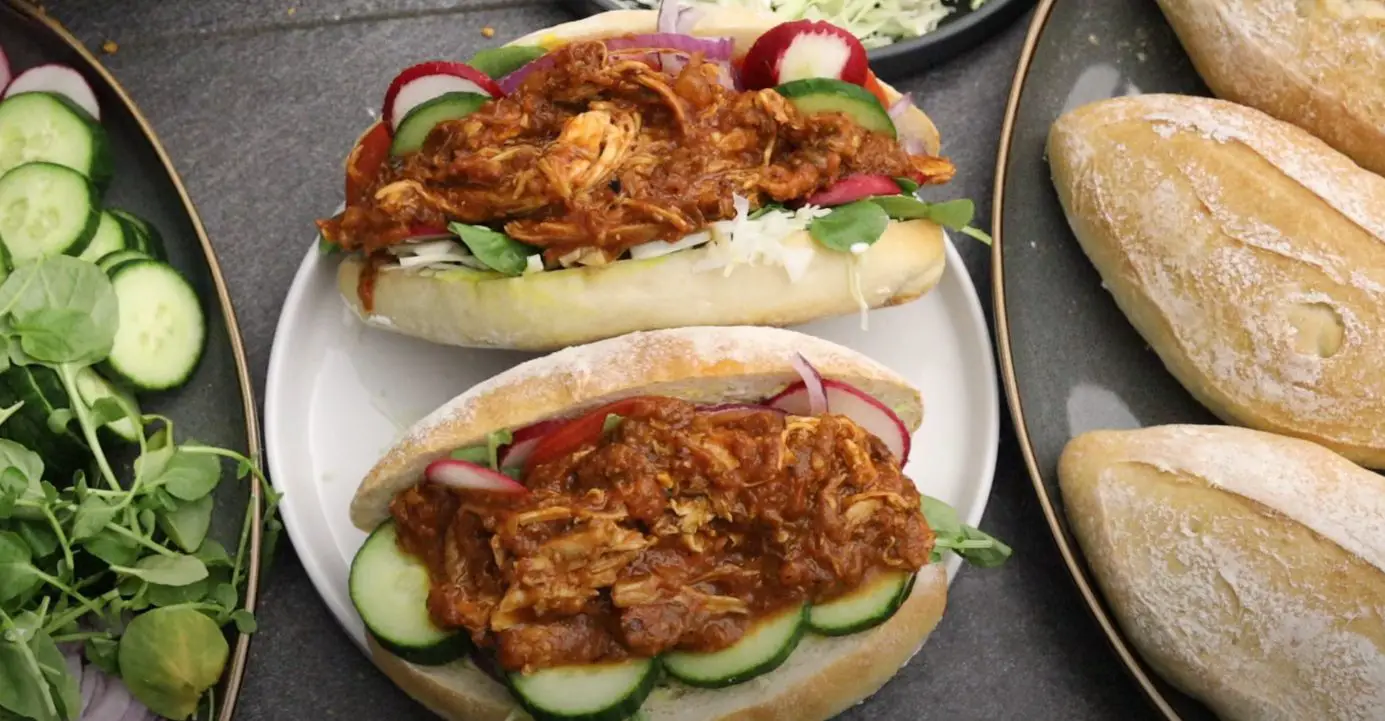
Panes Rellenos are chicken or turkey subs mixed with a tomato-based sauce and spices; it is topped with tomatoes, cucumbers, and lettuce. Panes Rellenos are also known as Panes Migueleños because they are a characteristic food of the department of San Miguel in the eastern part of the country.
12. Plátanos con huevos, crema y frijoles.
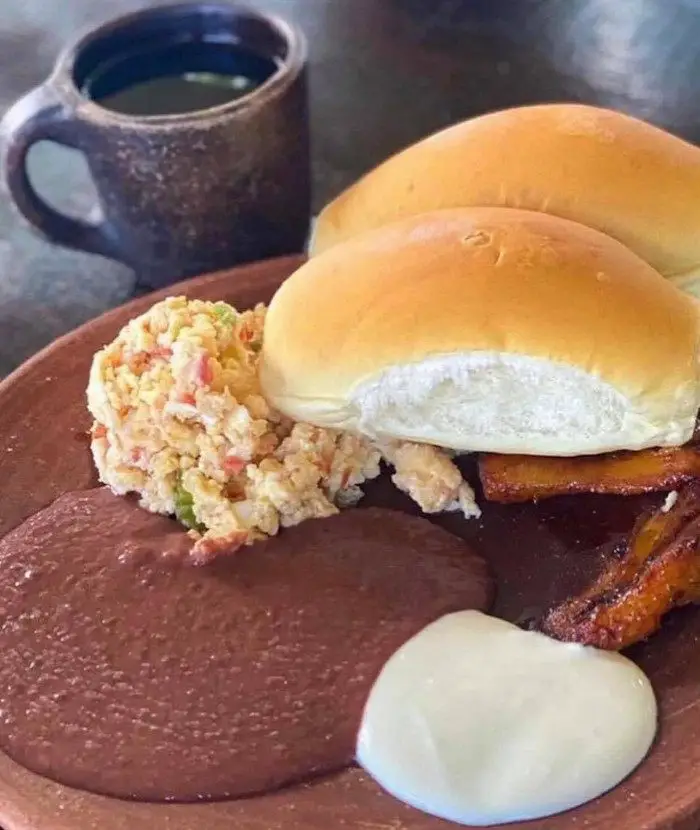
Plátanos con Huevos, Crema y frijoles, or fried plantains with eggs, cream, and beans, is a typical Salvadoran breakfast found all over El Salvador.
This breakfast dish includes either Tortillas or bread (Pan Frances). Each place that serves a typical Salvadoran breakfast offers different variations of scrambled eggs and beans.
13. Lomo Relleno. Stuffed Pork Loin
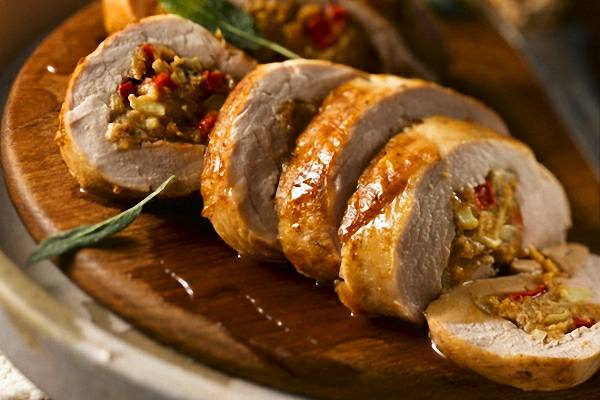
Lomo Relleno, or stuffed pork loin, is a cherished Salvadoran dish traditionally prepared for special celebrations, such as Christmas, bringing families together around a rich, flavorful centerpiece.
The tenderloin is flattened and filled with vegetables and meats such as carrots, onions, peppers, potatoes, ham, or bacon, then roasted to perfection.
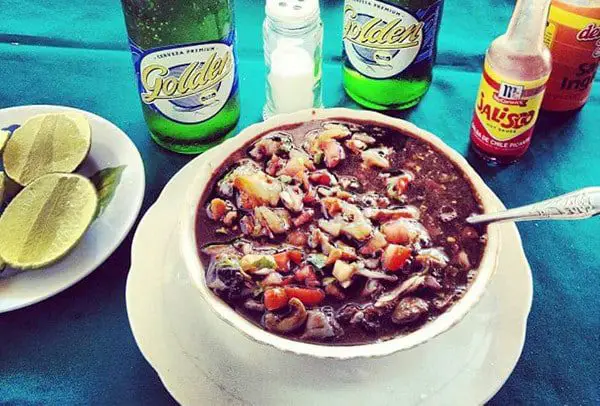
14. Coctel de Conchas or Shellfish Cocktail
Shellfish cocktail, or Coctel de conchas, is a typical dish popular in Salvadoran coastal areas. It combines black shell clams (conchas Negras), diced tomatoes, cilantro, lemon juice, and onions. Worcestershire sauce, hot sauce, and salt add flavor.
15. Salvadoran Enchiladas
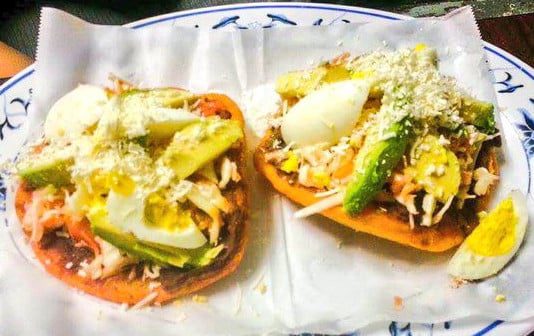
Salvadoran enchiladas start with corn dough seasoned with achiote and spices. The dough is flattened into a tortilla-like shape, then fried until crisp and golden brown.
They’re topped with bean paste, boiled egg slices, tomatoes, avocado, and cabbage. Shredded cheese and flavorful sauces finish the dish, creating a colorful, uniquely Salvadoran street food favorite.
16. Mariscada or Seafood Soup
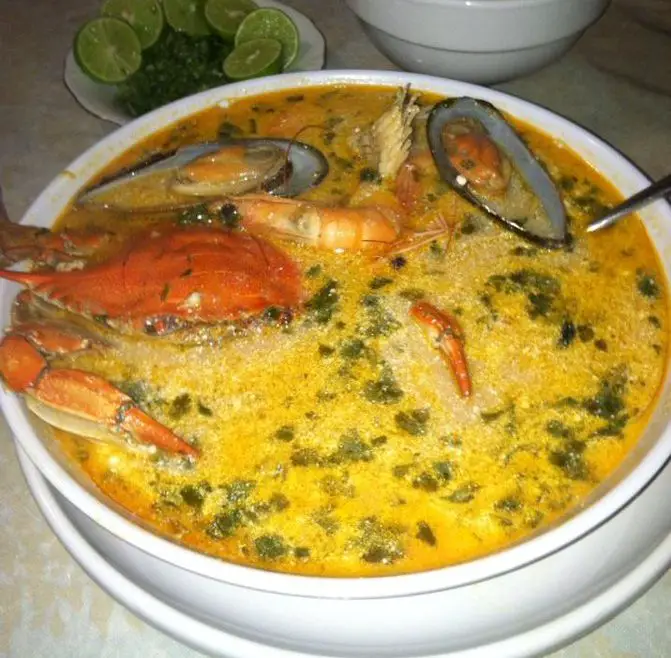
Mariscada is a traditional Salvadoran seafood soup, especially popular along the coasts. It combines fish, shrimp, squid, crab, clams, and lobster into a hearty, flavorful dish.
Topped with cilantro and chives, this soup bursts with freshness. Depending on preference, it’s served in a clear broth or enriched with Salvadoran cream for a creamy texture.
17. Nuegados
Salvadoran Nuegados are made of Yuca or corn dough. Nuegados are deep-fried and served with honey; they are a sweet dish usually eaten as a snack or dessert. This tasty dish is often served with Chilate, a traditional drink in El Salvador.
18. Arroz con Leche or Rice with Milk
Arroz con Leche is a popular dessert item in El Salvador. Rice with milk, or Arroz con Leche, is easy to make. To prepare it, you must boil rice, sugar, cinnamon, and milk. You can eat this dessert hot or cold.
19. Casamiento
Casamiento is made with leftover beans and rice. They are mixed together and refried again to give it a unique taste; some places add vegetables such as peppers, onions, and tomatoes to give it additional flavor. Casamiento is a complementary side item served with other meats or with scrambled eggs for breakfast.
20. Marquesote or Salvadoran Cake
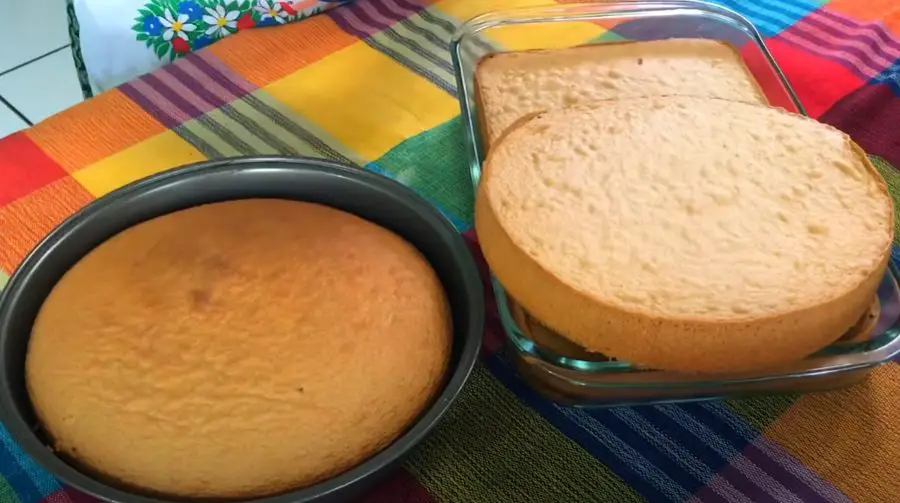
The Salvadoran Marquesote is a traditional fluffy cake usually served as a snack with coffee or hot chocolate. This typical dessert cake is made with flour, sugar, eggs, vanilla, and cinnamon.
El Salvador is the smallest country in Central America with fantastic gastronomy. Try the traditional Salvadoran foods; I am sure you will enjoy them! Travel to El Salvador and indulge yourself with the excellent local cuisine, or look for a recipe online and prepare these typical Salvadoran foods.
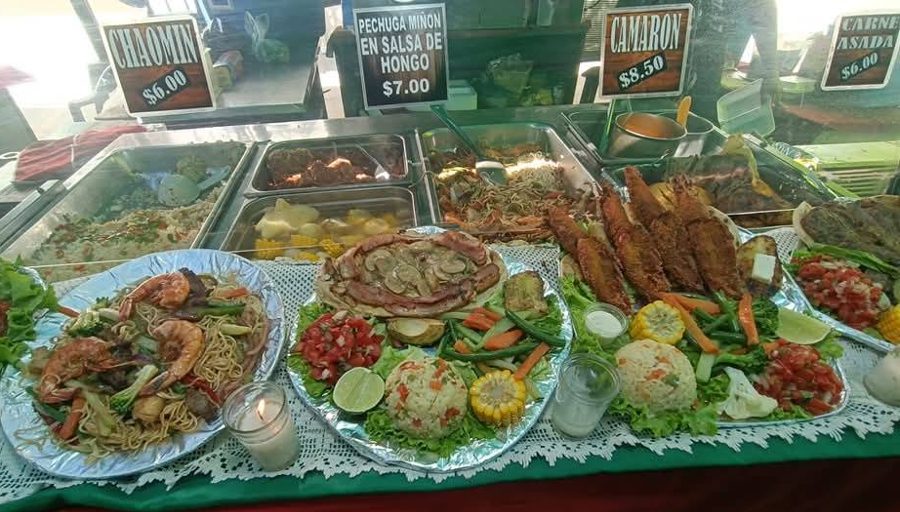
Salvadoran Cuisine: El Salvador Foods at its Best
Salvadoran cuisine is more than just food—it’s a cultural expression. Each dish reflects history, identity, and the warmth of a nation proud to share its flavors.
From pupusas and tamales to hearty soups and street snacks, Salvadoran foods showcase creativity with corn, beans, fresh vegetables, and meats that define everyday meals and celebrations.
Exploring Salvadoran foods means tasting culture in every bite. Whether through rustic street stalls or family kitchens, El Salvador’s flavors always leave a lasting impression.