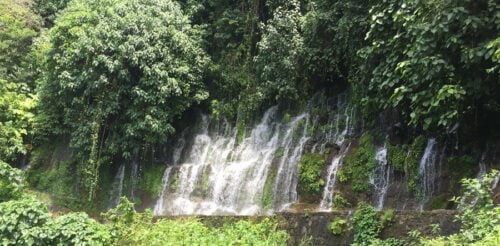
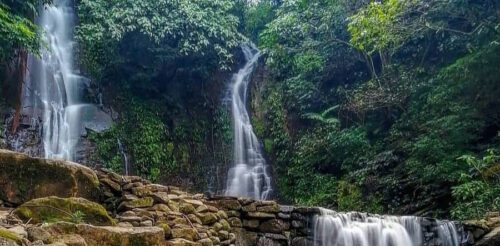
Waterfalls in El Salvador offer travelers a chance to explore the country’s natural beauty, from powerful cascades surrounded by tropical forests to peaceful pools hidden among mountains and volcanic landscapes.
These natural attractions add another dimension to El Salvador Tourism, giving visitors opportunities to hike through scenic trails, discover rural communities, and experience new destinations.
Some waterfalls are easy to reach, while others require challenging hikes through rugged terrain. Whether you’re seeking adventure, relaxation, or beautiful scenery, there’s plenty to discover across the country.
Best Waterfalls in El Salvador
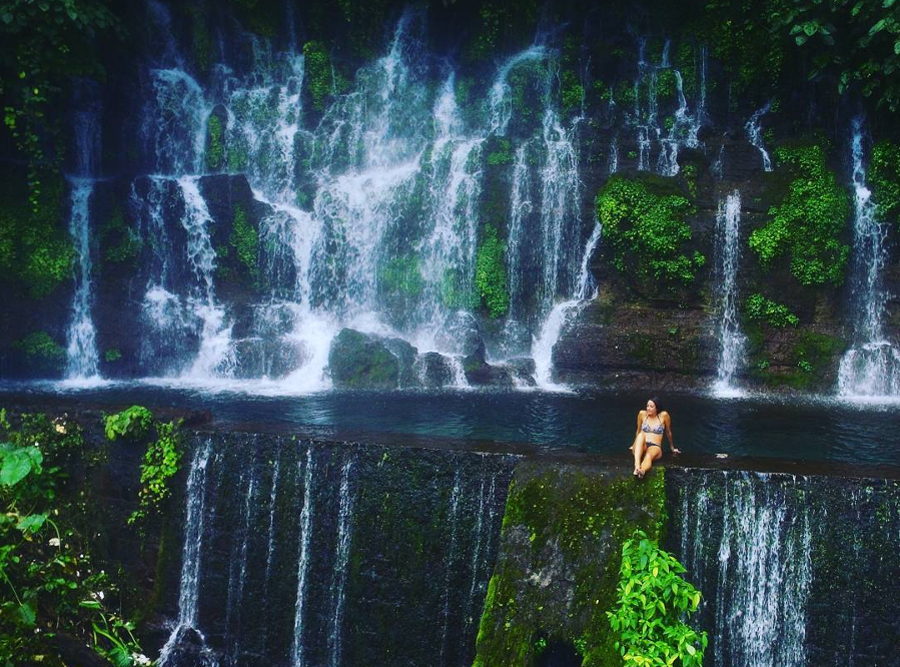
El Salvador has plenty of beautiful waterfalls to explore, each with its own scenery and charm. Some impress visitors with towering rock formations, while others offer natural swimming pools surrounded by lush forests.
Many waterfalls sit near small towns and farming communities, giving travelers a chance to enjoy nature while discovering local traditions, trying traditional food, and experiencing everyday life in El Salvador.
Los Tercios Waterfall
Located near Suchitoto in the department of Cuscatlán, Los Tercios is one of El Salvador’s most unusual natural attractions. Its defining feature is a wall of hexagonal basalt columns formed through ancient volcanic activity.
During the rainy season, water flows over the dark rock formations, creating a distinctive waterfall. In the dry season, the flow can decrease significantly, revealing the geometric patterns of the volcanic stone.
Visitors often combine a trip to Los Tercios with sightseeing in Suchitoto, a charming colonial town known for its historic streets, traditional architecture, and views of Lake Suchitlán.
The unique rock formations of Los Tercios Waterfall make it one of El Salvador’s most interesting natural attractions. Its impressive stone columns create a landscape unlike most waterfalls in the country.

Tamanique Waterfalls
The Tamanique Waterfalls, located in the department of La Libertad, are popular among travelers who enjoy hiking, exploring natural pools, and spending time in the tropical countryside.
Reaching the waterfalls requires descending steep trails through hillsides and rocky terrain. The hike can be physically demanding, particularly during hot weather or when rainfall makes the paths slippery.
Several cascades and natural pools create an attractive setting for outdoor adventures. Visitors often combine their excursion with a trip to nearby Pacific beaches, including El Tunco.
Adventure seekers can explore a series of waterfalls hidden in the hills near El Tunco. The trip combines scenic hiking, beautiful rock formations, and refreshing pools surrounded by nature.
Hiring a local guide is recommended, especially for first-time visitors unfamiliar with the trails and changing water conditions.

Chorros de la Calera
Chorros de la Calera is a natural attraction near Juayúa, a mountain town in the department of Sonsonate along the popular Ruta de las Flores.
The area features water flowing over rocky formations into natural pools surrounded by vegetation. Its mountain setting provides a refreshing contrast to the warmer coastal areas of El Salvador.
Many travelers combine a visit with exploring Juayúa’s restaurants, traditional food, and nearby coffee-growing communities.
Access to Chorros de la Calera has varied over time, so visitors should confirm whether the site is open before planning an excursion.
Chorros de la Calera Waterfalls offer a beautiful natural escape near Juayúa. Visitors can admire water flowing over rocky cliffs while enjoying the lush surroundings of El Salvador’s western highlands.

Malacatiupán Waterfalls
Malacatiupán, located near Atiquizaya in the department of Ahuachapán, offers a different experience from many other waterfalls in El Salvador.
The area is known for naturally heated water associated with geothermal activity, creating an unusual environment where warm water flows through rocky formations.
Surrounding vegetation and the distinctive water features make Malacatiupán an interesting destination for travelers exploring western El Salvador.
Visitors should approach the water carefully because temperatures, currents, and access conditions can vary. Local guidance can help travelers identify suitable areas for exploring.

El Escuco Waterfall
El Escuco Waterfall is located near Santo Domingo de Guzmán in the department of Sonsonate. It features a cascade that drops into a natural pool surrounded by rock walls and tropical greenery.
You can get a close-up view of the cascading water and surrounding scenery thanks to the waterfall’s small, peaceful setting. Many travelers stop at El Escuco while exploring the rural communities and natural attractions of western El Salvador.
Water depth, currents, and swimming conditions change with rainfall, so visitors should follow local recommendations before entering the pool.
Near Santo Domingo de Guzmán, travelers can discover a beautiful waterfall surrounded by lush tropical vegetation. This hidden natural attraction offers a relaxing getaway from El Salvador’s busier tourist destinations.
Don Juan Waterfalls
The Don Juan Waterfalls are located in the western highlands of El Salvador, within the broader tourism region associated with the Ruta de las Flores.
Surrounded by vegetation and mountain scenery, the cascades offer travelers another opportunity to experience the country’s natural landscapes away from its busiest destinations.
You can easily include this area in a trip to nearby coffee-growing communities, mountain towns, and other attractions in western El Salvador.
Before you go, check how to access the area, what the trails are like, and whether local guides are available.
Nature lovers exploring Ahuachapán can visit the beautiful Don Juan Waterfalls, a scenic destination where visitors can enjoy cascading water and the natural beauty of western El Salvador.
Las Pilas and La Olomina Waterfalls
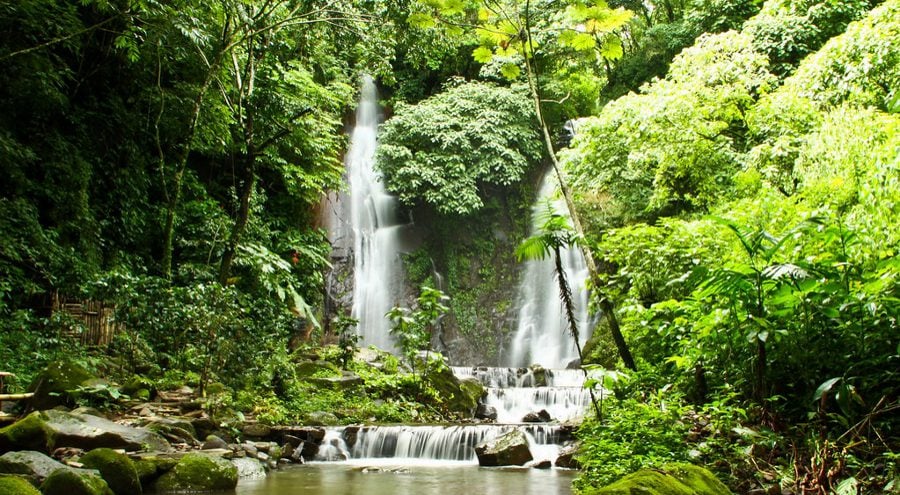
Las Pilas and La Olomina waterfalls are located in the mountains of Arambala, Morazán, inside Julia’s Natural Park. They connect to the Sapo River, famous for its crystal-clear waters and beautiful natural scenery.
Las Pilas plunges an impressive 30 meters, creating refreshing natural pools for visitors to cool off in. Nearby, La Olomina features two waterfalls, approximately 26 and 10 meters high, surrounded by lush greenery and rocky terrain.
You can explore both waterfalls on the same visit, following trails through the forest. The park also offers swimming areas, scenic viewpoints, camping facilities, and places to relax with family or friends.
Discover the beautiful waterfalls of Las Pilas and La Olomina, in Morazán, where you can enjoy clear waters, peaceful surroundings, and scenic trails through the mountains.

El Chorrerón Waterfall in Morazán
El Chorrerón Waterfall is a beautiful natural attraction in Morazán, eastern El Salvador. Surrounded by rocky cliffs and lush vegetation, this waterfall offers visitors a peaceful setting away from busy tourist destinations.
The waterfall draws nature lovers looking to explore Morazán’s rugged landscapes. You can enjoy the scenery, take photographs, and experience the region’s natural beauty while spending time outdoors.
Getting to El Chorrerón may involve walking along uneven terrain, so comfortable shoes are a good idea. Visiting with a local guide can make exploring the area easier and safer.

Waterfalls in El Salvador by Region
El Salvador’s relatively small size makes it possible to explore different natural landscapes during a single trip. However, winding mountain roads and rural trails can make travel times longer than expected.
| Waterfall Name | Location | Region |
|---|---|---|
| Los Tercios | Suchitoto | Central |
| Tamanique | La Libertad | Central |
| Chorros de la Calera | Juayúa | Western |
| Malacatiupán | Atiquizaya | Western |
| El Escuco | Santo Domingo de Guzmán | Western |
| Don Juan | Ahuachapán | Western |
| Las Pilas and La Olomina | Morazán | Eastern |
| El Chorrerón | Morazán | Eastern |
Waterfalls in Western El Salvador
Western El Salvador is home to several notable waterfalls, particularly in the departments of Sonsonate and Ahuachapán.
Chorros de la Calera, El Escuco, Malacatiupán, and the Don Juan Waterfalls provide opportunities to combine outdoor exploration with visits to mountain towns and traditional communities.
The small towns along the Ruta de las Flores offers a convenient starting point for travelers interested in exploring this region’s natural attractions.
Waterfalls in Central El Salvador
Central El Salvador offers waterfall destinations that travelers can explore during excursions from San Salvador and surrounding communities.
Los Tercios, near Suchitoto, draws visitors with its unusual volcanic rock formations, while Tamanique offers scenic hiking trails and natural pools to explore.
Waterfalls in Eastern El Salvador
Eastern El Salvador offers beautiful waterfalls surrounded by lush forests, rugged hills, and peaceful countryside. Morazán stands out as a great destination for travelers who enjoy nature and outdoor adventures.
Las Pilas and La Olomina waterfalls attract visitors looking to explore the region’s natural beauty. You can combine a visit to these waterfalls with other outdoor activities in Morazán.
El Chorrerón Waterfall offers another great stop for nature lovers. Many travelers visit these waterfalls as part of a longer trip through Morazán, exploring small towns, local traditions, and cultural attractions along the way.
Best Time to Visit Waterfalls in El Salvador
El Salvador has two main seasons, and each creates different conditions for visiting waterfalls. Rainfall influences water flow, trail accessibility, and the appearance of the surrounding vegetation.
Visiting Waterfalls During the Dry Season
El Salvador’s dry season usually runs from November through April, with less rain and more reliable weather for outdoor adventures.
You’ll find many trails easier to explore, but some waterfalls have less water or nearly dry up during these months.
Los Tercios illustrates how seasonal changes can dramatically affect a waterfall’s appearance.
Visiting Waterfalls During the Rainy Season
The rainy season generally runs from May through October, when increased rainfall feeds rivers and waterfalls throughout the country.
Cascades often become fuller, and the surrounding hillsides turn especially green, creating attractive scenery for visitors and photographers.
However, heavy rainfall can also produce muddy trails, strong currents, slippery rocks, and dangerous flash floods.
How Rainfall Affects Waterfall Access
Rainfall affects more than water flow. It can change road conditions, hiking routes, river crossings, and the safety of natural swimming pools.
Even when skies appear clear near a waterfall, storms farther upstream can cause rivers to rise unexpectedly.
Checking local weather and access conditions before traveling is particularly important during the rainy season.
How to Visit Waterfalls in El Salvador
Visiting waterfalls can be one of the most rewarding outdoor experiences in El Salvador, but planning ahead makes excursions safer and more enjoyable.
Getting There by Car or Public Transportation
A private vehicle provides flexibility when visiting waterfalls outside major towns, particularly destinations reached by rural roads.
Public transportation connects many communities, but reaching a waterfall may require additional transportation or walking.
Travelers should research the final portion of their route rather than assuming buses stop near the attraction.
Guided Tours vs. Independent Visits
Independent visits can work well at established destinations with clearly marked trails and straightforward access.
For waterfalls involving difficult terrain, river crossings, or unfamiliar routes, hiring a local guide is often the better option.
Guides can also share information about the surrounding environment, local communities, and conditions that visitors might otherwise overlook.
Entrance Fees and Local Guides
Some waterfalls charge entrance fees, while others require you to arrange access with local property owners or community guides.
Also, prices, opening hours, and available services vary from place to place and may change over time. Before heading out, check the latest details to avoid surprises, especially if you plan to visit lesser-known waterfalls.

Discover the Natural Beauty of El Salvador’s Waterfalls
There’s nothing quite like standing beside a waterfall, listening to rushing water, and enjoying the cool mountain air. El Salvador’s waterfalls offer some of the country’s most beautiful natural escapes.
From the unusual rock formations of Los Tercios to the natural pools of Tamanique, each waterfall offers something different. Some invite you to hike, while others offer quiet spots to relax.
These natural attractions rank among the best places to visit in El Salvador, especially for travelers who enjoy exploring beyond the beaches and discovering the country’s quieter, less-traveled destinations.
You can also combine waterfall visits with trips to El Salvador’s volcanoes and national parks. These destinations offer even more opportunities to hike, enjoy scenic views, and experience the country’s diverse landscapes.
Many travelers visit several waterfalls during their trips and stop in nearby towns to try local food and experience Salvadoran culture. It’s a fun way to discover more of the country.
Whether you’re planning a quick weekend trip or a longer vacation, don’t miss the chance to explore El Salvador’s waterfalls. Grab your walking shoes, bring your camera, and enjoy the adventure!