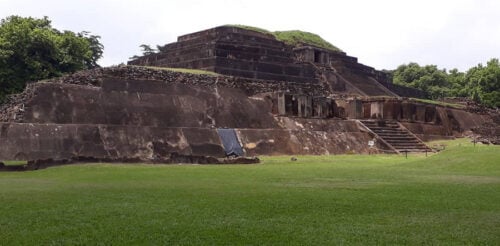
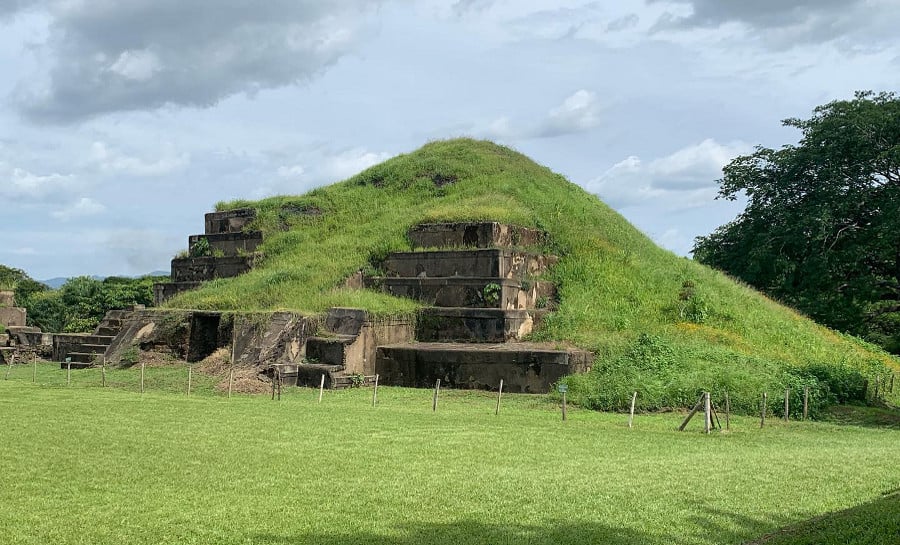
 San Andrés Archaeological Site.
The San Andrés Archaeological Site is one of El Salvador’s most important ancient Maya settlements. Located in the Zapotitán Valley, it offers visitors a look at the country’s pre-Columbian history.
Unlike some of the smaller ancient archaeological sites found throughout El Salvador, San Andrés served as a major political and ceremonial center, with impressive structures that reveal its historical importance.
Today, visitors can explore ancient pyramids, walk through ceremonial plazas, and learn about the Maya civilization that once flourished here. It’s a rewarding stop for anyone interested in Salvadoran history.
The History of San Andrés Archaeological Site
San Andrés developed into an important Maya settlement during the Classic Period, particularly between approximately 600 and 900 AD. Its location in the fertile Zapotitán Valley helped support agriculture, trade, and population growth.
The settlement grew into a regional center for politics and ceremonies. Local rulers likely oversaw religious events, trade, and community matters.
Archaeologists have found plazas, pyramid-shaped buildings, homes, and ceremonial spaces at the site. These finds show how Maya communities set up their towns and stayed connected with other groups in Mesoamerica.
The site’s history also reflects the region’s volcanic landscape. Eruptions affected the Zapotitán Valley over the centuries, sometimes disrupting settlements while preserving valuable archaeological evidence beneath layers of volcanic material.
Although San Andrés eventually lost its prominence, its surviving structures provide an important record of Maya civilization in what is now western El Salvador.
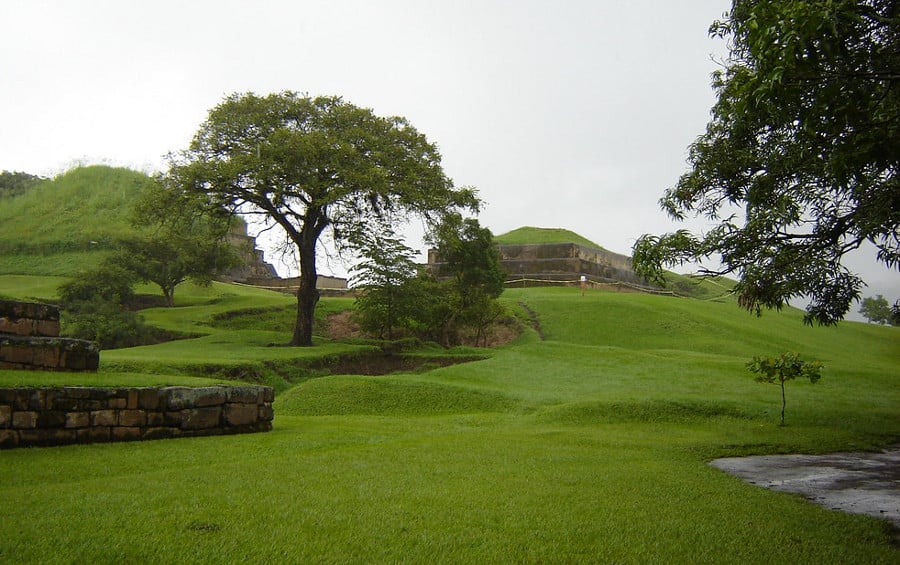
What to See at San Andrés Archaeological Site
The archaeological park has several excavated structures surrounded by open green spaces. Visitors can walk through marked areas and see the remains of buildings that were once part of an important ceremonial complex.
The Acropolis
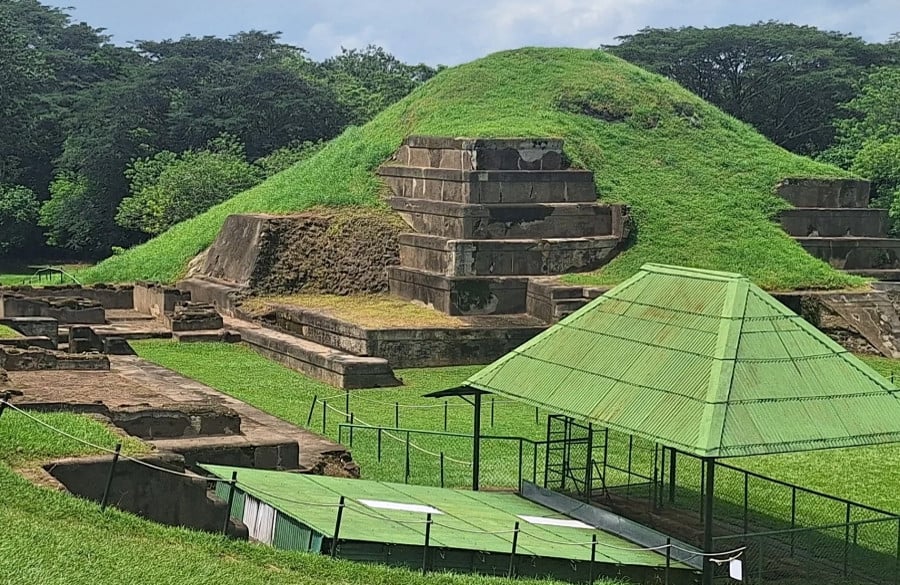
The Acropolis is one of the site’s most significant architectural complexes. It consists of elevated platforms and structures associated with the political and ceremonial activities of the ancient settlement.
Researchers believe this area played an important role in the lives of the ruling elite. Its layout suggests that certain spaces served purposes beyond ordinary residential activities.
Today, the Acropolis offers visitors a closer look at the construction techniques and architectural organization of the Maya communities that inhabited the valley.
The Pyramids and Ceremonial Structures
San Andrés has several pyramid-shaped structures that show the skill of its ancient builders. These monuments were part of a bigger complex where people held ceremonies and public events.
The structures at San Andrés are different from the tall stone pyramids at some well-known Maya sites. Builders here used methods that fit the local materials and environment.
Visitors can appreciate the size and arrangement of these monuments while imagining the religious ceremonies and community events that once took place around them.
The Ceremonial Plaza
The ceremonial plaza served as an important gathering space within the settlement. Its location near major structures suggests that it hosted public activities connected to religious and political life.
Open spaces like this played a central role in Maya urban planning. They allowed communities to gather for ceremonies, celebrations, and other activities that reinforced social relationships.
Walking around the plaza gives visitors a better sense of the settlement’s original layout and the relationship between its different buildings.
The San Andrés Archaeological Museum
The archaeological park also features a museum that introduces visitors to the history of San Andrés and the communities that occupied the surrounding valley.
Its exhibits provide context for the ruins, explaining the settlement’s development, architectural characteristics, and connections with other ancient populations.
Archaeological objects and educational displays help illustrate everyday activities, ceremonial practices, and the cultural traditions of the people who lived in the region.
Visiting the museum before exploring the ruins can make the experience more meaningful. You’ll have a clearer understanding of what the structures represent and why archaeologists consider the settlement important.
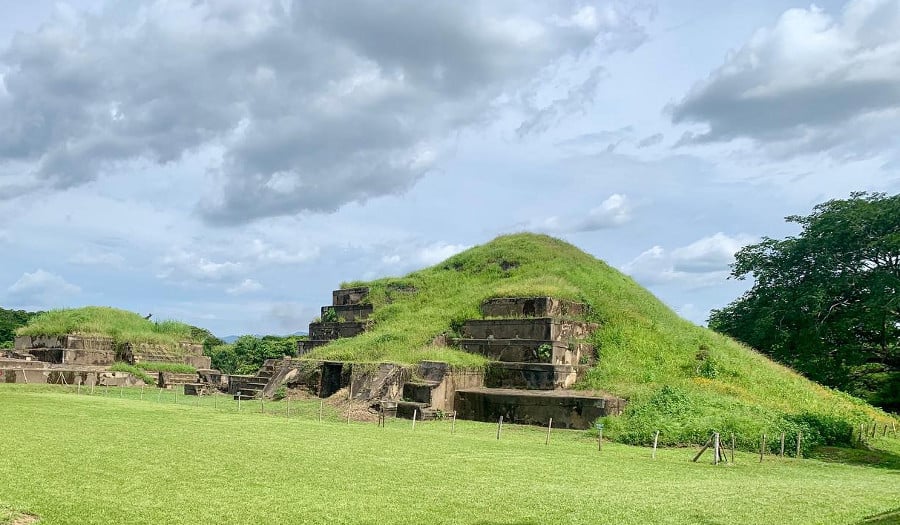
Where Is San Andrés Archaeological Site Located?
San Andrés Archaeological Site is located in the municipality of Ciudad Arce, La Libertad, within the Zapotitán Valley of western El Salvador. It sits approximately 35 kilometers west of San Salvador.
The archaeological park is accessible from the Pan-American Highway, making it a convenient destination for travelers exploring historical attractions outside the capital.
Its location also places it relatively close to other important archaeological destinations, including Joya de Cerén, a UNESCO World Heritage Site known for its remarkably preserved pre-Hispanic farming community.
Why San Andrés Matters to El Salvador’s Cultural Heritage
San Andrés is a key part of El Salvador’s pre-Hispanic history. The archaeological remains show that advanced political, religious, and economic centers were here long before the Spanish arrived.
The archaeological site also challenges the belief that Maya civilization only developed in Guatemala, Mexico, or Honduras. Western El Salvador was part of a larger region where communities traded goods, shared traditions, and built strong connections with one another.
Preserving San Andrés means keeping an important part of Salvadoran ancient history alive. For visitors, exploring the ruins is a great way to discover a lesser-known side of the area’s rich history.
Discovering the Ancient Maya Legacy at San Andrés
San Andrés may not have the enormous temples associated with other Maya destinations, but its historical importance makes it one of El Salvador’s most interesting archaeological attractions.
Exploring the ruins and museum gives visitors a chance to discover how ancient communities lived, governed, and celebrated their traditions in the fertile Zapotitán Valley.
Whether you’re planning a cultural day trip or exploring the country’s ancient history, San Andrés offers a glimpse into the civilizations that helped shape El Salvador.
A Closer Look at the Site’s Archaeological Discoveries
Archaeologists have found that San Andrés was once much bigger than the monuments you see today. The ancient city may have spread over 200 hectares and included homes and farmland.
Farmers grew maize, beans, and squash, and artisans made pottery and obsidian tools. These findings show that San Andrés was home to a complex community, not just its ceremonial and administrative center.
The museum also keeps evidence of a colonial-era indigo processing facility found near the ruins. This rare link lets visitors explore two different periods of Salvadoran history in one location.
Preserving the site is important as well. Conservation experts have repaired fragile adobe buildings with methods and materials that help protect them from further damage.