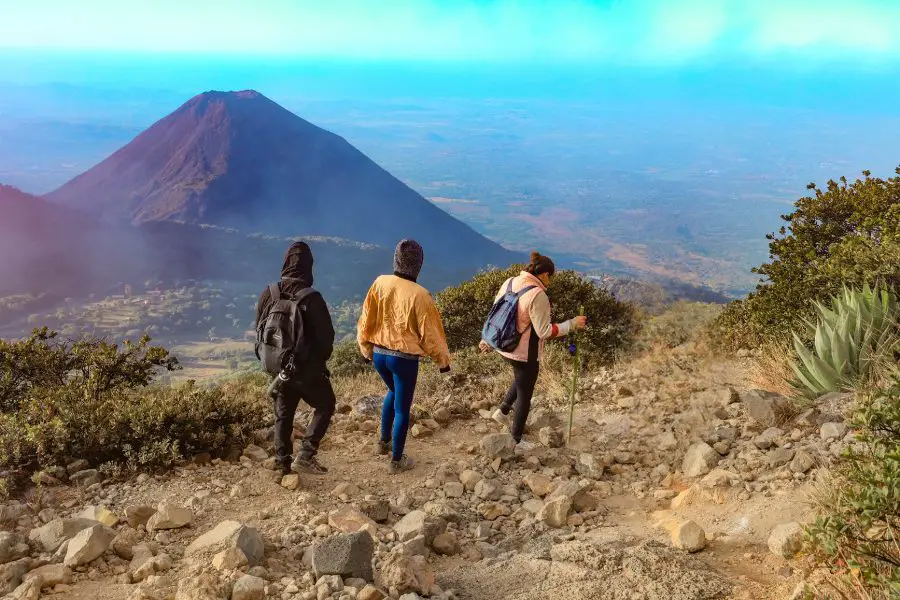
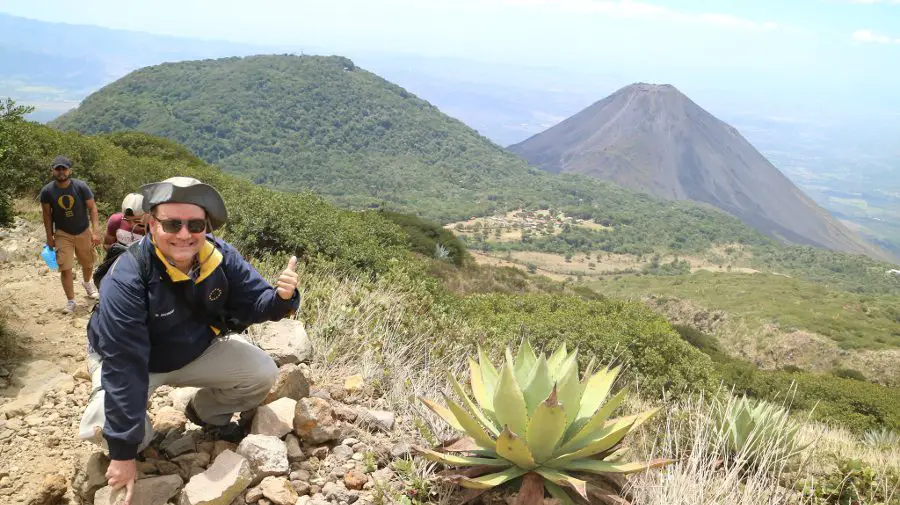
 Cerro Verde National Park. Image by
El Salvador National Parks offer some of the country’s most beautiful natural landscapes, from towering volcanoes and mist-covered mountains to tropical forests filled with wildlife and scenic hiking trails.
El Salvador may be small, but it has an impressive variety of natural landscapes and ecosystems. Its protected areas help preserve wildlife habitats while giving visitors a chance to explore and enjoy the country’s natural beauty.
Whether you enjoy hiking, birdwatching, photography, or spending time outdoors, these natural destinations offer something different. Each park reveals another side of El Salvador’s natural beauty and biodiversity.

The Best National Parks in El Salvador
The National parks in El Salvador protect a variety of ecosystems, including tropical dry forests, cloud forests, and volcanic highlands. Each destination has distinctive landscapes, wildlife, and outdoor attractions.
Some parks offer challenging hiking trails and stunning viewpoints, while others let you slow down and enjoy peaceful surroundings filled with lush greenery, mountain views, and the sounds of birds and wildlife.
El Imposible National Park: Tropical Forests and Wildlife
Located in the department of Ahuachapán, El Imposible National Park protects one of El Salvador’s most important remaining tropical forest ecosystems. Its rugged mountains and deep valleys create a spectacular natural setting.
El Imposible gets its name from a dangerous mountain passage that locals had to use to transport goods through the region. Today, its dense forests and rugged terrain attract hikers and nature lovers.
The park is home to a wide variety of birds, mammals, reptiles, and other wildlife. El Imposible attracts nature lovers with its forest trails, mountain landscapes, and incredible biodiversity. Before planning your trip, explore what to see and do at this remarkable national park.
Montecristo National Park: Cloud Forests and Mountain Landscapes
Montecristo National Park sits in the mountains of Santa Ana, near the borders with Guatemala and Honduras. Its cool weather and misty forests offer a refreshing change from El Salvador’s warmer lowlands.
The park’s forest is home to mosses, ferns, orchids, and trees that thrive in the cool, humid climate. Thick fog often rolls through the forest, creating a peaceful atmosphere along trails.
Montecristo also forms part of the Trifinio region, where the three countries meet. Its forests play an important role in protecting biodiversity and water resources across the surrounding mountains.
If you enjoy hiking and exploring nature, don’t miss El Salvador’s beautiful Montecristo cloud forest. This mountain features misty trails, towering trees, and diverse wildlife.
Los Volcanes National Park: Volcanoes and Scenic Hiking Trails
Los Volcanes National Park, also know as the Cerro Verde National Park has three of the most popular volcanoes in El Salvador: Santa Ana, Izalco, and Cerro Verde. The park is among the country’s best-known destinations for volcanic scenery.
Santa Ana Volcano, also known as Ilamatepec, is the tallest volcano in El Salvador. Hikers who reach the summit enjoy amazing views of the surrounding areas and its crater lake.
Cerro Verde attracts visitors with its dense forests and scenic viewpoints, while Izalco catches the eye with its steep volcanic cone. Together, these three volcanoes make the park a great place for hiking, sightseeing, and enjoying nature.
If you enjoy hiking and exploring volcanic landscapes, Los Volcanes National Park in El Salvador is a great place to visit.
El Boquerón National Park: Exploring San Salvador’s Volcanic Crater
El Boquerón National Park sits on San Salvador Volcano, within easy reach of the capital. Its main attraction is a massive volcanic crater surrounded by vegetation and impressive mountain scenery.
You can take a short walk along the park’s trails to enjoy beautiful views of the crater. Inside the larger crater, you’ll also spot a smaller volcanic cone called El Boqueroncito.
The cool weather, easy walking paths, and scenic viewpoints make the park a great place for families and casual visitors. This park is ideal for those who want to explore nature without a challenging hike.
Just outside San Salvador, El Boquerón National Park offers beautiful crater views, cool mountain air, and easy walking trails. It’s a great destination for a relaxing outdoor adventure.
San Diego and San Felipe Las Barras National Park: Dry Forests and Biodiversity
Located in western El Salvador, near Lake Güija, this protected area preserves tropical dry forest ecosystems. Its landscape differs noticeably from the humid forests found in Montecristo and El Imposible.
During the dry season, many trees lose their leaves to conserve water. With the arrival of rain, the landscape becomes greener, supporting a variety of plants and animals.
The area provides important habitat for birds, reptiles, and mammals adapted to seasonal conditions. It also demonstrates why protecting different forest ecosystems matters for El Salvador’s biodiversity.
Wildlife and Biodiversity in El Salvador National Parks
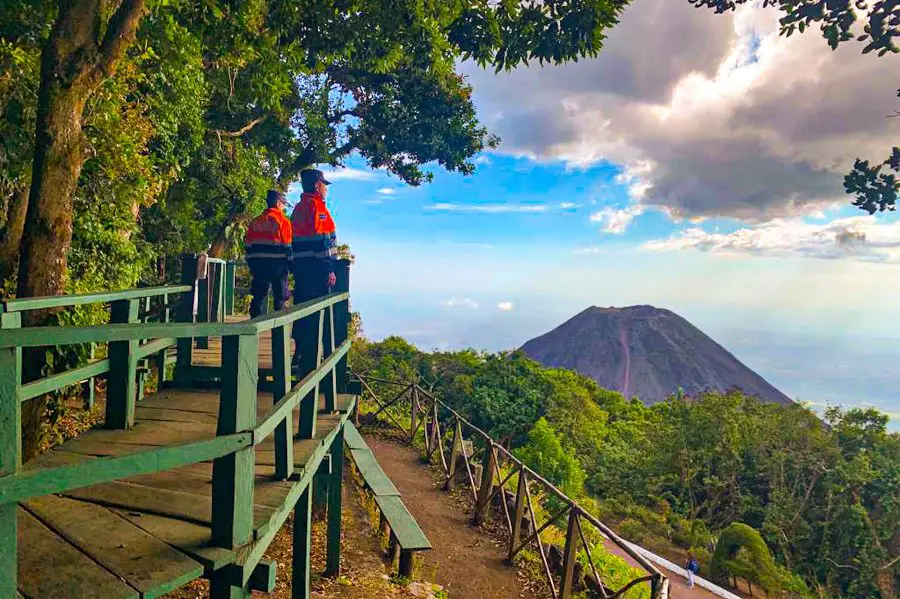
El Salvador’s wildlife includes colorful birds, mammals, reptiles, amphibians, and countless insects. Across the country, protected forests give native animals places to find food, raise their young, and thrive in their natural habitats.
Native Animals and Bird Species
Birdwatchers can spot toucans, motmots, woodpeckers, hummingbirds, and other tropical birds, depending on the park they visit. The forests are also home to armadillos, coatis, and white-tailed deer.
Keep in mind that many animals stay hidden during the day, so spotting wildlife often takes a little patience and luck.
Forests, Plants, and Unique Ecosystems
El Salvador’s natural areas offer a mix of forest environments. Cloud forests grow in cool, misty mountains, while tropical dry forests handle months of little rainfall.
Volcanic areas bring another layer of diversity. Their rich soils, changing elevations, and different temperatures support a wide range of plants and wildlife.
You can see much of this natural diversity while exploring the country’s volcanic regions. The beautiful volcanoes of El Salvador offer impressive landscapes, unique vegetation, and opportunities for outdoor adventures.
Why National Parks Matter for Wildlife Conservation
Protected natural areas help keep forests and wildlife habitats safe from deforestation, expanding farmland, and other human activities.
Furthermore, they protect water sources, reduce soil erosion, and help forest ecosystems stay connected.
Protecting these natural spaces benefits both wildlife and local communities. Healthy forests keep water cleaner, support the environment, and create opportunities for sustainable tourism.
Forests aren’t the only places where you can experience El Salvador’s natural beauty. The country also has scenic lakes surrounded by mountains, forests, and volcanic landscapes, offering plenty of opportunities to explore the outdoors.

Outdoor Activities in El Salvador National Parks
El Salvador National Parks offer plenty of outdoor adventures, from relaxing walks through the forest to challenging volcano hikes. You can choose activities that match your interests and sense of adventure.
Hiking Trails and Nature Walks
El Salvador offers hiking experiences for everyone, from short nature walks to challenging mountain trails. Hikers can enjoy great views of volcanoes at Los Volcanes National Park.
Exploring El Salvador’s hiking trails often leads to some beautiful natural attractions. Along the way, visitors can discover scenic waterfalls in El Salvador, surrounded by forests and rocky landscapes.
Keep in mind that nature walk vary by location. Some trails are easier than others, and certain routes require authorized guides or special permits.
Volcano Exploration and Scenic Viewpoints
Volcanic landscapes are among El Salvador’s most popular natural attractions. Santa Ana Volcano offers a challenging hike to the summit, while El Boquerón gives visitors easy access to viewpoints overlooking its impressive crater.
These destinations attract photographers looking to capture mountain scenery and volcanic formations. On clear mornings, visitors can enjoy views of the surrounding mountains and valleys.
Photography and Outdoor Adventures
Nature photography gives visitors another reason to explore protected landscapes. Forest textures, colorful birds, mountain silhouettes, and volcanic scenery provide subjects throughout the year.
More adventurous travelers may prefer longer hikes and rugged terrain. Others enjoy relaxed walks, landscape photography, and observing the natural surroundings without following a demanding itinerary.

Best Time to Visit El Salvador National Parks
El Salvador has two main seasons: a dry season that generally runs from November through April and a rainy season extending approximately from May through October. Each season has its own benefits, depending on the destination and the activities you have in mind.
Visiting During the Dry Season
The dry season provides more predictable conditions for hiking and sightseeing. Undoubtedly, the trails will be less muddy, and clearer skies can improve visibility from mountain and volcanic viewpoints.
However, exposed routes can become hot, particularly at lower elevations. Visitors should carry sufficient drinking water, wear sun protection, and consider beginning outdoor activities early.
Exploring National Parks During the Rainy Season
During the rainy season, the forests in these national parks turn dense and green as rivers swell and plants grow. The changing landscape creates beautiful scenery for nature lovers and photographers.
However, heavy rain can make hiking trails slippery and restrict access to some of the areas. Before heading out, check the weather and follow park authorities’ recommendations, especially when exploring remote locations.
Tips for Visiting El Salvador National Parks
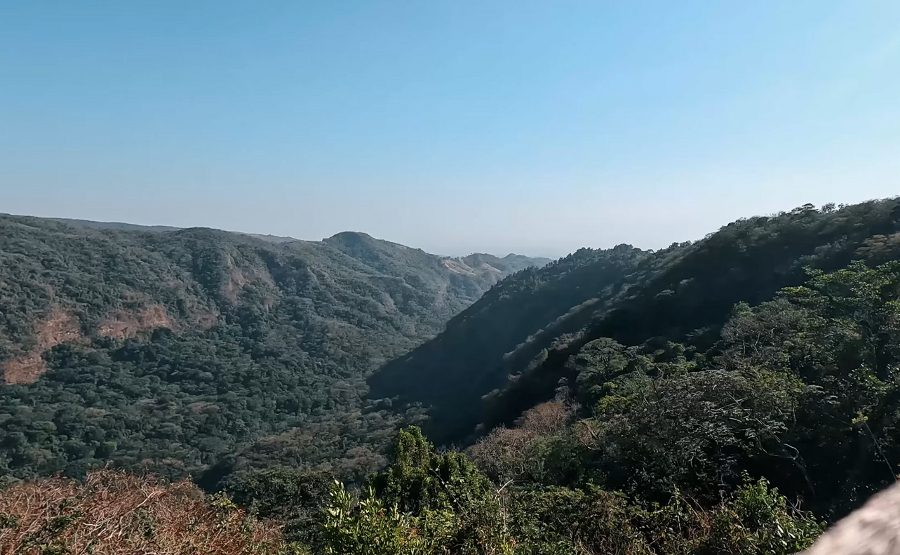
Planning ahead makes visiting protected natural areas safer and more enjoyable. At some parks, you can walk in casually, but others have stricter access requirements for environmental protection or due to difficult terrain.
What to Bring for a National Park Visit
Bring comfortable hiking shoes, plenty of drinking water, sunscreen, insect repellent, and lightweight clothing for your outdoor adventures.
If you plan to explore higher elevations, pack a light jacket or raincoat since the weather can change quickly. You can also bring binoculars, a camera, and a reusable water bottle to make the most of your visit.
Park Entrance Requirements and Visitor Regulations
Each national park has its own entry requirements. Some require advance reservations, authorized guides, or special permits, while others welcome visitors with easy public access.
It is important that before your trip, you check with El Salvador’s Ministry of Environment or the park administrator for the latest information and requirements.
Hiking Safety and Responsible Tourism
Staying on designated paths reduces the risk of accidents and protects the park’s ecosystem. Visitors should always follow park instructions and refrain from entering restricted areas.
Always take your trash with you and avoid disturbing wildlife. Protecting these national parks is important so future generations can enjoy them too.
Discover the Natural Beauty of El Salvador National Parks
El Salvador National Parks reveal a side of the country that goes far beyond its famous beaches and historic towns. Their volcanoes, forests, wildlife, and mountain landscapes offer memorable outdoor experiences.
Whether you’re exploring a volcanic crater, hiking through a cloud forest, or watching birds in the wild, you’ll find plenty of ways to enjoy El Salvador’s natural beauty and discover what makes these protected areas special.
Exploring El Salvador’s national parks is just one way to experience the country. You can also discover charming towns filled with local traditions and Salvadoran culture, where everyday life offers a different kind of adventure.