 Beaches, Colorful Towns, and Pristine Parks.
El Salvador’s Tourism has grown steadily, showcasing the country’s stunning beaches, majestic volcanoes, rich archaeological sites, and vibrant towns.
Visitors are drawn to surf towns like El Tunco, charming colonial cities such as Suchitoto, and vibrant cultural celebrations like the Holy Week, which highlight El Salvador’s diverse cultural heritage and traditions.
For people living in El Salvador, tourism provides an opportunity. Locals often work in hotels, restaurants, or tour operations; furthermore, the money spent by tourists benefits the country’s economy.
Tourism to El Salvador
Since 2021, tourism in El Salvador has experienced rapid growth, captivating travelers with its diverse landscapes and rich cultural traditions.
Once overshadowed by a violent past, improved security has helped the nation emerge as one of Central America’s top destinations. El Salvador is now considered one of the safest countries in Latin America.
El Salvador offers numerous travel destinations. For example, the pristine Pacific beaches attract surfers in pursuit of world-class waves, while inland rainforests and volcanic terrain offer eco-tourism adventures.
Also, historic towns like Apaneca, Juayua, and Suchitoto enrich the experience with colonial architecture, bustling markets, tasty street foods, and authentic Salvadoran cuisine.
Destinations
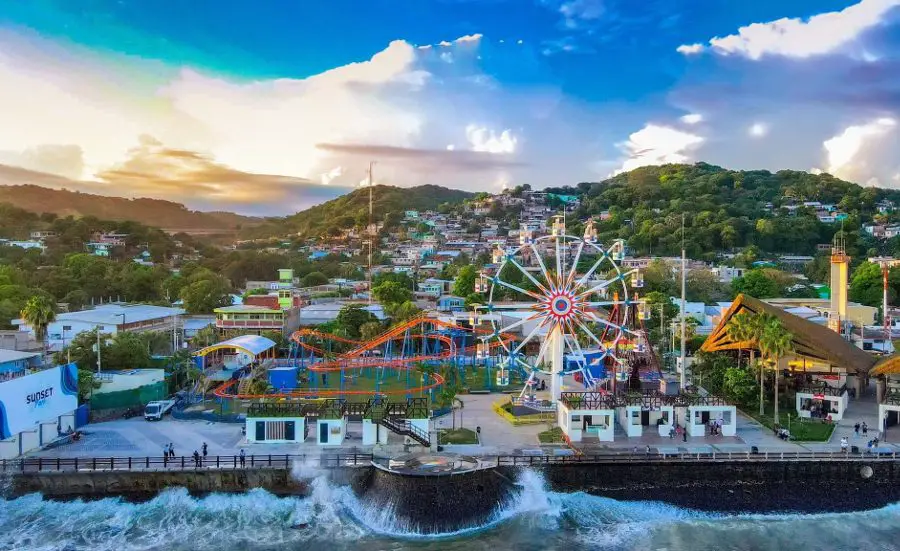
El Salvador’s top tourist destinations include stunning Pacific beaches, such as El Cuco and La Costa del Sol, as well as world-class surf spots like Punta Roca and El Zonte.
Additionally, the country has majestic volcanoes, serene lakes, and lush natural parks, which provide adventure seekers with a perfect blend of excitement and tranquility.
Lastly, charming colonial towns such as Suchitoto and Apaneca, along with archaeological sites like Joya de Cerén and Tazumal, as well as engaging museums, highlight El Salvador’s rich history, culture, and Mesoamerican heritage.
The Salvadoran Beaches
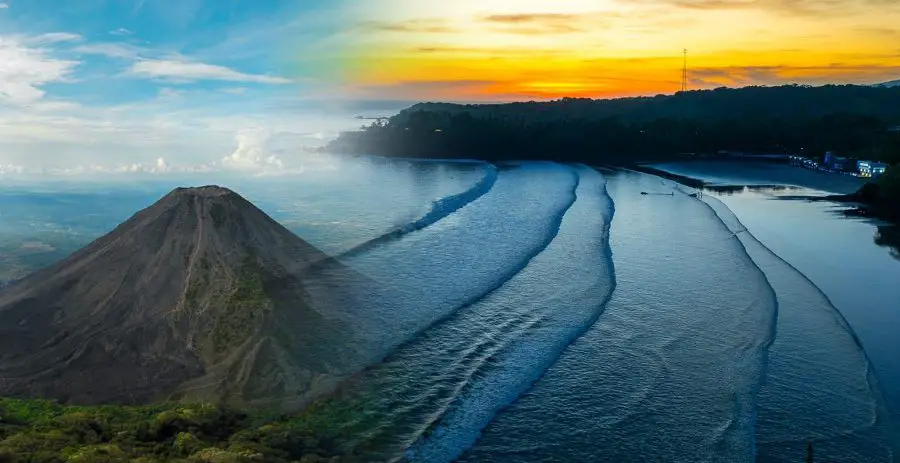
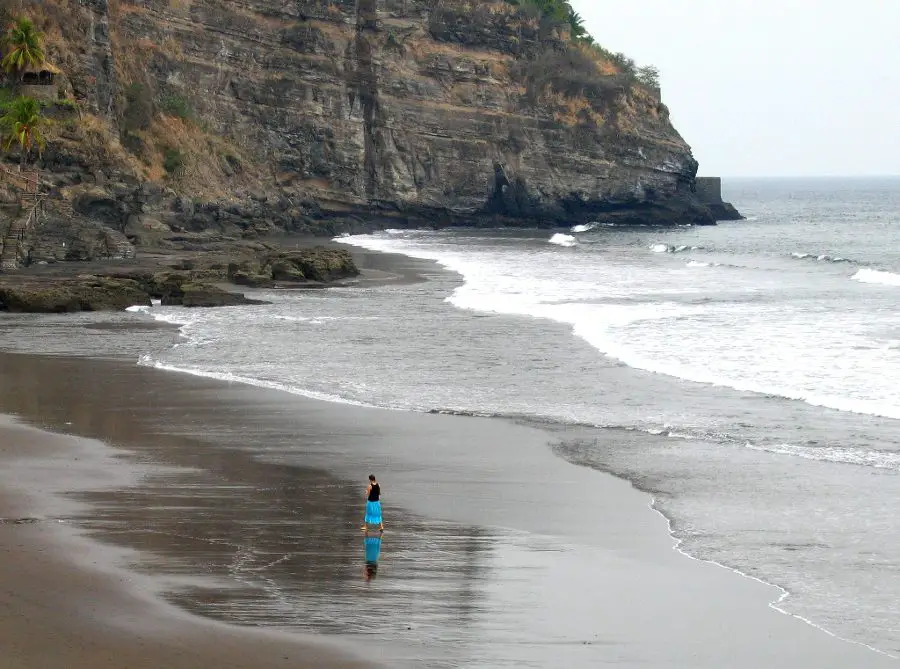
Welcome to El Salvador’s Pacific coast, where golden sands, turquoise waters, and world-class surf create one of Central America’s most enticing beach destinations.
From world-class surf breaks to tranquil hideaways, the country’s beaches offer both adventure and relaxation in stunning natural settings.
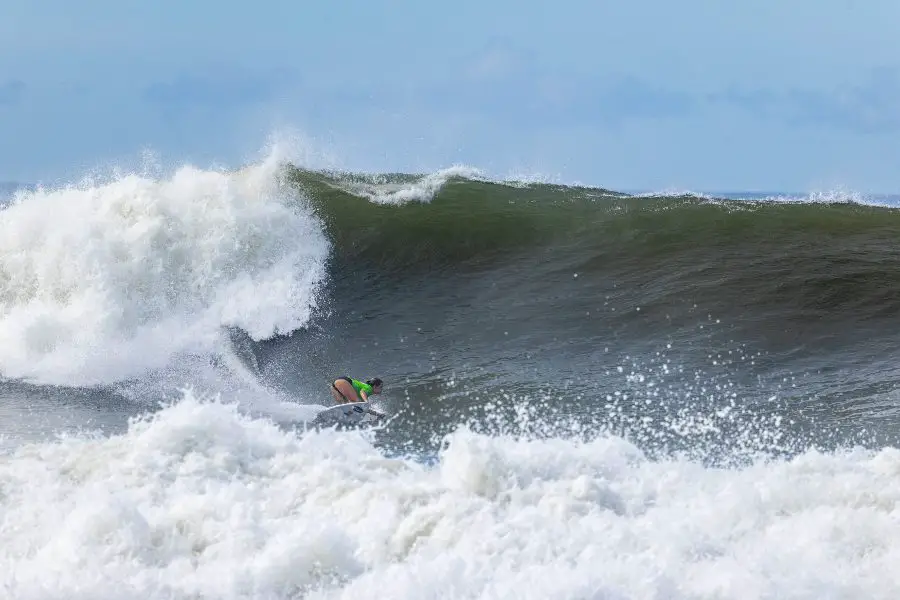
El Salvador is a true surfing paradise. Renowned beaches like El Tunco, Punta Roca, and Las Flores host international competitions and attract surfers from across the globe, solidifying the nation’s reputation as a must-visit destination for wave enthusiasts.
For those seeking tranquility, vast sandy stretches, such as those found in the Costa del Sol, El Cuco, and Los Cóbanos, provide the perfect setting for family outings or quiet escapes. These calm waters and scenic coastlines make relaxation effortless.
| # | Beach Name | Location | Highlights |
|---|---|---|---|
| 1 | El Tunco | La Libertad | Iconic surf destination, nightlife, international crowd, cultural hotspot. |
| 2 | El Zonte | La Libertad | Surf culture, eco-lodges, yoga retreats, laid-back vibe. |
| 3 | Costa del Sol | La Paz | Long sandy coast, family-friendly resorts, water sports. |
| 4 | El Cuco | San Miguel | Relaxed fishing town, gateway to Playa Las Flores. |
| 5 | Los Cobanos | Sonsonate | Coral reef diving, snorkeling, marine biodiversity, eco-tourism. |
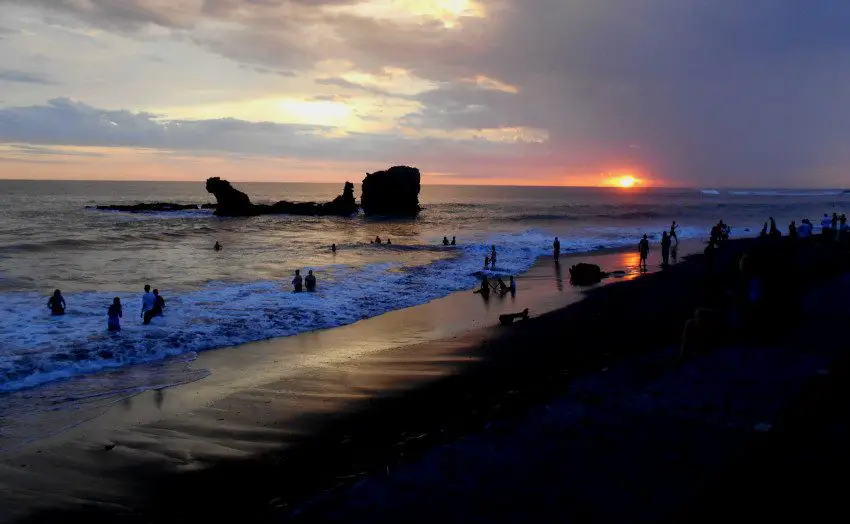
One of the defining features of El Salvador’s beaches is their accessibility and the variety of experiences they offer.
Popular destinations such as Punta Roca, Costa del Sol, and La Libertad feature modern amenities. At the same time, beaches like Mizata, El Cuco, and Las Flores provide a quieter, more rustic atmosphere.
Thanks to El Salvador’s compact size, reaching the country’s coastline is quick and convenient. Many of its most popular surfing and recreational beaches are located within a short drive of the international airport, making them ideal for weekend escapes as well as longer vacations.
From world-class surf breaks and lively beach towns to peaceful stretches of sand surrounded by natural beauty, El Salvador’s coastline offers something for every traveler.
Whether you’re seeking adventure, relaxation, or scenic coastal landscapes, the country’s beaches remain one of its greatest attractions and a compelling reason to visit this Central American destination.
Surfing Beaches
El Salvador has earned international recognition as a premier surfing destination, where powerful Pacific swells meet stunning volcanic coastlines.
Through the Surf City El Salvador tourism initiative, the country has strengthened its reputation as one of the best places to surf in Central America while helping drive the growth of its tourism industry.
From world-class waves to relaxed surf towns, El Salvador’s beaches attract everyone from seasoned professionals to beginners and travelers searching for the perfect ride.
El Tunco and Punta Roca are among the country’s most iconic surf destinations, renowned for their consistent waves, international competitions, and vibrant atmosphere.
Together, they offer an unforgettable blend of exceptional surfing, local culture, and lively nightlife that keeps visitors coming back year after year.
| # | Beach Name | Location | Highlights |
|---|---|---|---|
| 1 | El Tunco | La Libertad | Iconic surf town, lively nightlife, accessible waves for all levels. |
| 2 | Punta Roca | La Libertad | Famous right-hand point break, hosts international surf competitions. |
| 3 | El Sunzal | La Libertad | Consistent long waves, surf schools, popular with beginners and pros alike. |
| 4 | Las Flores | San Miguel | Renowned point break with powerful, consistent waves, global surf hotspot. |
| 5 | El Zonte | La Libertad | Strong surf culture, eco-lodges, yoga retreats, growing international reputation. |
Las Flores and El Sunzal offer experiences for both professionals and beginners, with powerful waves, surf schools, and warm waters. These beaches highlight El Salvador’s versatility, welcoming every kind of surfing enthusiast.
Lastly, El Zonte blends surf culture with eco-tourism, yoga retreats, and rustic accommodations. Surfing has become a top tourist attraction, shaping El Salvador’s identity on the global travel map.
El Salvador Volcano Landscape
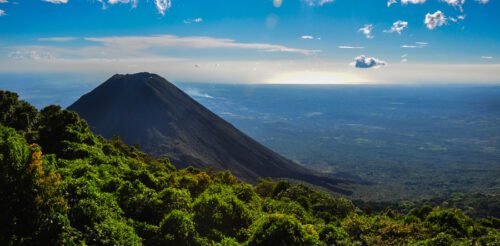
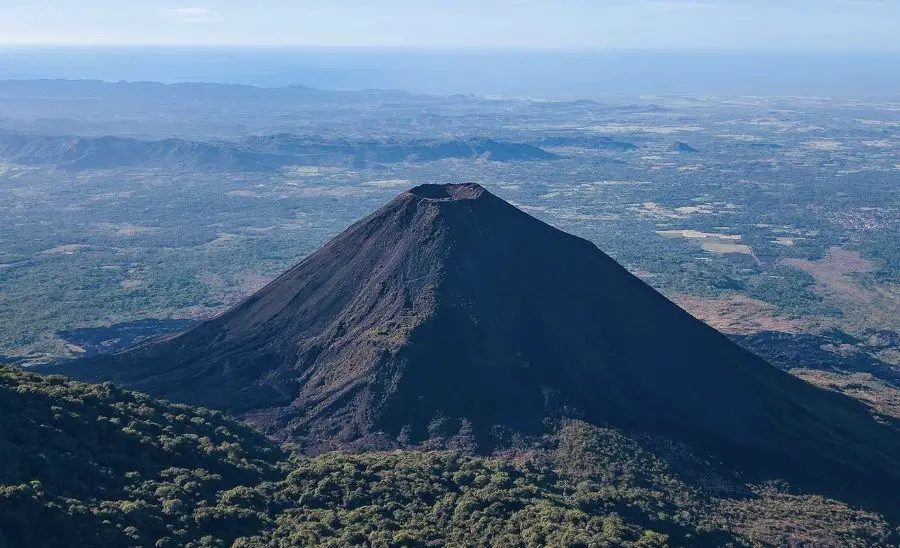
El Salvador, often referred to as the “Land of Volcanoes,” is home to over twenty volcanoes that shape its dramatic landscapes. These towering volcanoes play a central role in the country’s growing tourism industry.
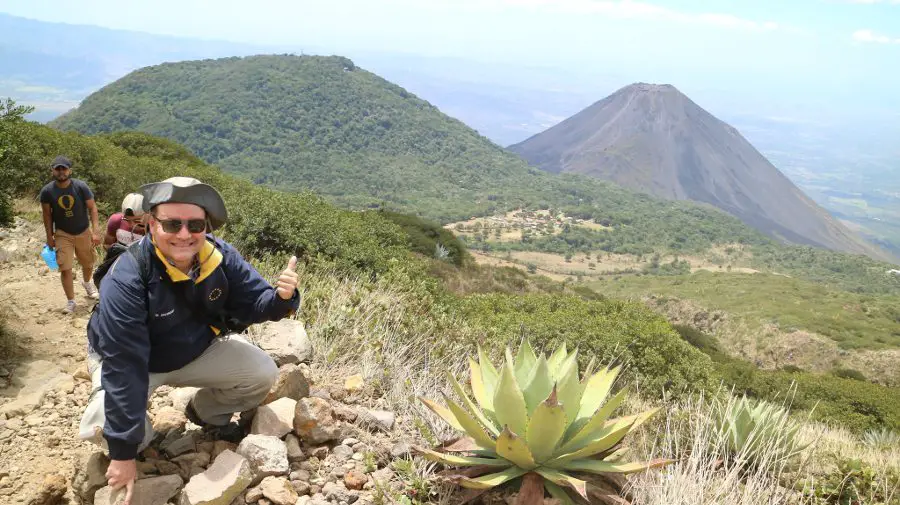
Tourists are drawn to the iconic Izalco Volcano, once known as the “Lighthouse of the Pacific.” Its frequent eruptions in history made it legendary, and today it remains a popular hiking destination.
The towering Santa Ana Volcano, also known as Ilamatepec, offers one of El Salvador’s most breathtaking views. Its turquoise crater lake attracts thousands of visitors each year, cementing its status as a premier tourist attraction.
San Salvador Volcano, looming over the capital city, combines accessibility with natural wonder. Visitors enjoy hiking trails, viewpoints, and cultural attractions nearby, making it an essential stop for international travelers.
Volcanoes not only provide adventure but also enrich eco-tourism. Trails through volcanic landscapes highlight unique ecosystems, birdwatching opportunities, and the diverse natural beauty that defines El Salvador’s environment.
| # | Volcano | Height | Location | Highlights |
|---|---|---|---|---|
| 1 | Izalco | 1,950m | Sonsonate | Known as the “Lighthouse of the Pacific”, famous historic eruptions, accessible hiking trails. |
| 2 | Santa Ana Ilamatepec |
2,381m | Santa Ana or | Highest volcano in El Salvador, turquoise crater lake, panoramic views, challenging hikes. |
| 3 | San Salvador or Quezaltepeque |
1,893m | San Salvador | Overlooks the capital city, easy access, scenic viewpoints, and cultural attractions. |
| 4 | San Miguel or Chaparrastique |
2,130m | San Miguel | Active volcano with stunning views, adventure tourism, strong cultural significance locally. |
| 5 | Tecapa | 1,593m | Usulutan | Famous for Laguna de Alegría, called the “Emerald of the Americas,” geothermal activity, eco-tourism. |
Volcanoes shape cultural tourism by bringing folklore, traditions, and indigenous legends to life. They provide visitors with a genuine sense of El Salvador’s identity and a deeper understanding of its spiritual heritage.
In the end, volcano tourism captures El Salvador’s distinct appeal. By blending adventure, culture, and nature, these natural attractions enhance the country’s status as one of Central America’s most vibrant destinations.
Explore El Salvador’s Colorful Towns
Discover the charm of El Salvador’s colorful towns, where cobblestone streets, colonial architecture, and rich traditions create unforgettable travel experiences.
These picturesque communities are among the country’s most rewarding destinations, offering visitors a glimpse into its history, culture, and everyday life.
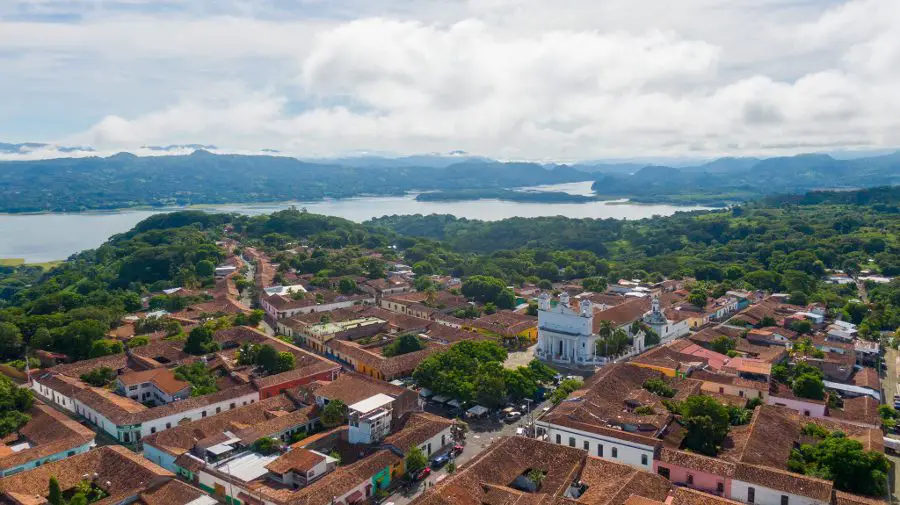
Towns such as Suchitoto, Panchimalco, and Juayúa captivate travelers with their historic churches, lively markets, local gastronomic festivals, local festivities, and vibrant cultural heritage.
Many are also surrounded by mountains, lakes, volcanoes, and other natural attractions, making them excellent starting points for ecotourism and outdoor adventures.
Beyond their scenic beauty, these towns invite visitors to experience authentic Salvadoran culture. Travelers can explore historic landmarks, sample traditional cuisine, enjoy locally grown coffee, and connect with welcoming communities that proudly preserve their customs and traditions.
Whether you’re interested in history, culture, gastronomy, or nature, El Salvador’s colorful towns offer a memorable blend of old-world charm and modern hospitality. Their unique character and timeless appeal make them some of the country’s most rewarding places to explore.
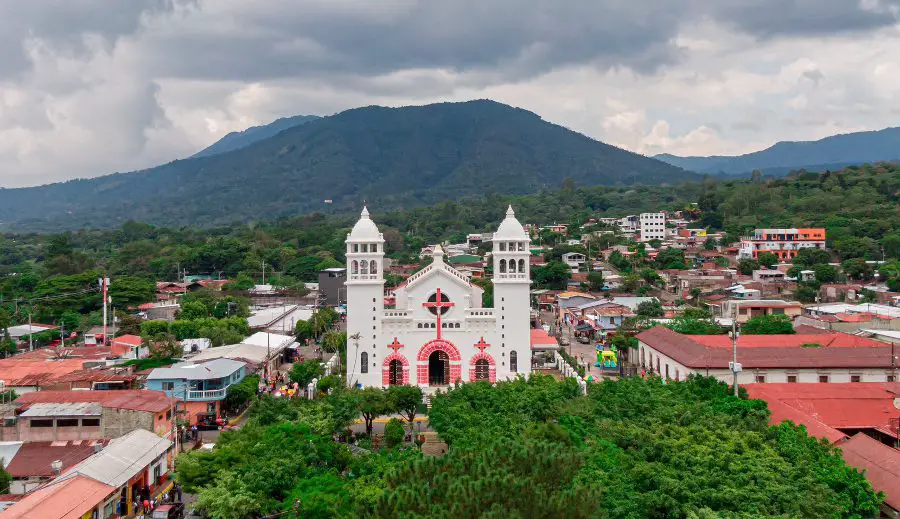
National Parks
Discover El Salvador’s natural wonders by exploring its national parks, perfect for ecotourism adventures. From volcanic landscapes to lush rainforests, these protected areas invite travelers to experience some of Central America’s most diverse ecosystems.
Known as the “Land of Volcanoes,” El Salvador offers countless opportunities for nature lovers. Its parks feature volcanoes, lakes, rivers, waterfalls, and a mix of unique flora and fauna that make every visit unforgettable.
Top destinations include Cerro Verde, El Boquerón, Montecristo, and El Pital. Some parks, like El Boquerón, are close to major cities, while others, such as El Pital, sit in more remote, pristine regions.
El Salvador’s national parks serve as sanctuaries of biodiversity and natural beauty. By preserving these ecosystems, the country protects its heritage while giving adventurers the chance to explore landscapes that inspire awe and conservation alike.
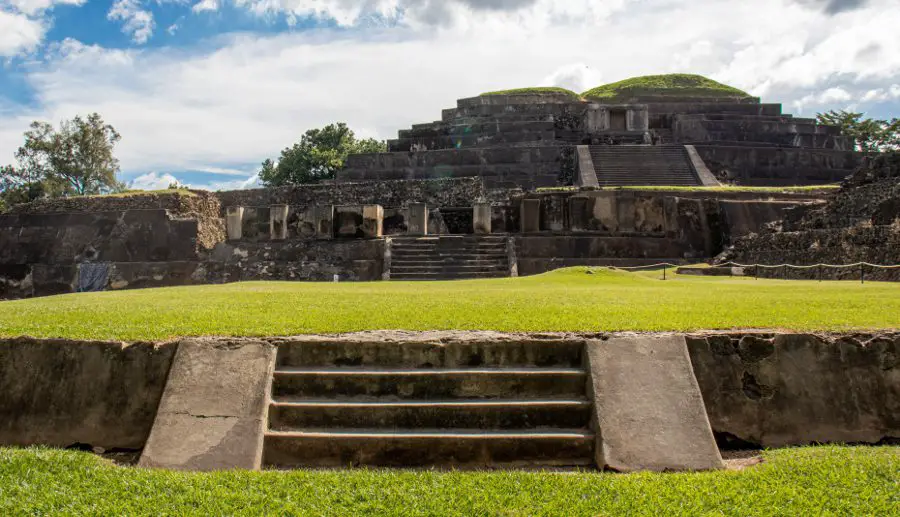
Archaeological Sites
Step back in time at El Salvador’s archaeological sites, where ancient Maya civilizations left incredible legacies. Places like Tazumal, Joya de Cerén, Cihuatán, San Andrés, and Casa Blanca reveal a fascinating cultural past.
Tazumal, located in Chalchuapa, is one of the country’s most significant ruins. Its towering pyramid and ceremonial structures showcase the advanced architecture and traditions of the Maya, who once thrived here.
Joya de Cerén, often called the “Pompeii of the Americas,” offers a rare glimpse into everyday Maya life. Preserved by volcanic ash, this UNESCO World Heritage Site is a must-visit for history enthusiasts.
Cihuatán, near Aguilares, highlights El Salvador’s importance in regional trade networks. Its vast plazas, defensive walls, and temples reveal the sophistication and influence of Maya culture in Central America.
San Andrés combines political and ceremonial significance with stunning volcanic backdrops. Visitors explore pyramids, plazas, and artifacts that connect El Salvador’s modern identity with its pre-Columbian roots and traditions.
Casa Blanca, another treasure of Chalchuapa, features ruins and a museum showcasing artifacts and ancient crafts.
Together, El Salvador’s archaeological sites enhance the nation’s tourism appeal while preserving its heritage for future generations.
Lakes in El Salvador
El Salvador’s lakes are top tourist attractions that blend natural beauty, adventure, and culture. Scattered across the country, they offer travelers unique experiences, from volcanic landscapes and turquoise waters to bird-filled wetlands and historic archaeological sites.
Lake Ilopango, just outside San Salvador, is a volcanic caldera where visitors enjoy diving, boating, and fishing. Easily accessible from the capital, it’s a favorite weekend escape filled with local charm and vibrant festivals.
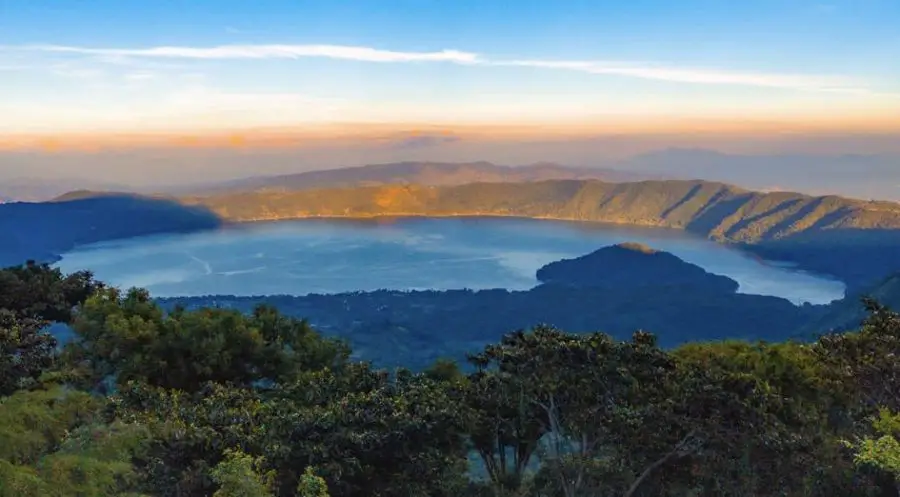
One of the country’s most famous destinations, Lake Coatepeque, amazes with its turquoise waters surrounded by volcanoes. Travelers flock here to swim, kayak, or dine at lakeside restaurants with breathtaking panoramic views.
For eco-tourism, Lake Suchitlán offers boat rides and birdwatching, framed by mountains and near the colonial town of Suchitoto. Its scenic setting makes it a perfect mix of culture and nature.
Finally, Lake Güija, shared with Guatemala, captivates visitors with its islands, fishing spots, and nearby archaeological remains. This lake attracts both history enthusiasts and nature lovers seeking a less crowded destination.
El Salvador Tourism: Museums
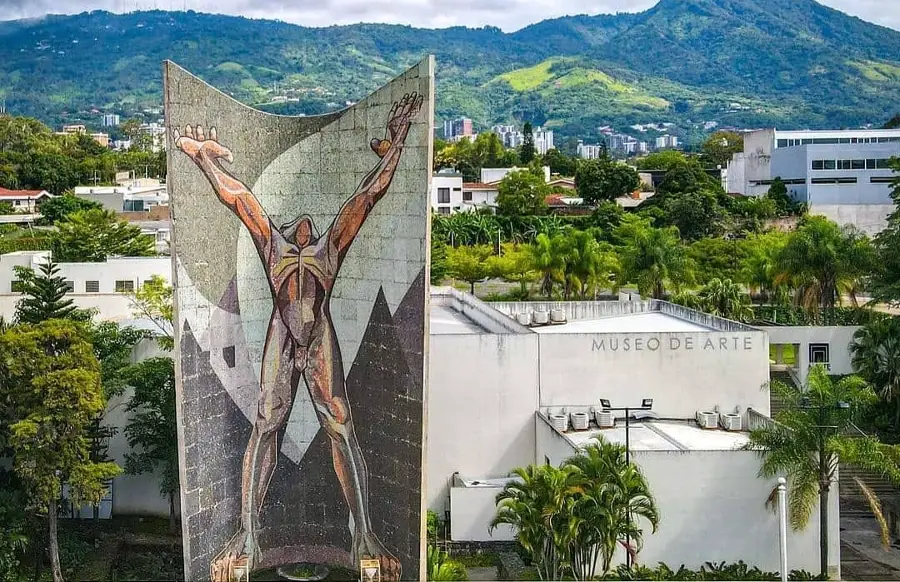
Museums in El Salvador invite travelers to explore the country’s history, art, and identity. They preserve stories of resilience while offering visitors engaging spaces filled with culture, creativity, and unforgettable learning experiences.
From the Art Museum of El Salvador, showcasing exceptional art collections in San Salvador, to the small Museum of the Salvadoran Revolution in Perquín, these cultural landmarks are worth exploring for every visitor.
These museums highlight the nation’s diversity, displaying ancient artifacts, contemporary works, and exhibits documenting political and social struggles. Each one provides insight into the different layers of Salvadoran heritage and transformation.
Tourists who include museums in their journey discover much more than exhibits—they connect with El Salvador’s rich cultural heritage and identity. These destinations make culture a cornerstone of tourism, enriching visits beyond beaches and volcanoes.
Explore El Salvador Through Its Tourist Routes
Many people say you can drive across El Salvador in just a few hours. While that is true, its compact size hides countless attractions and unexpected destinations that continue to surprise both locals and international visitors.
One of the best ways to experience the country’s diversity is by following its tourist routes. These routes connect beaches, volcanoes, colonial towns, archaeological sites, artisan communities, and breathtaking mountain landscapes into memorable travel experiences.
The Ministry of Tourism (MITUR) promotes eight official tourist routes: the Sun and Beach Route, Flower Route, Archaeological Route, Artisan Route, Volcano Complex Route, Thousand Peaks Route, Peace Route, and Fresh Route, each highlighting a unique side of the country.
Whether you enjoy road trips, stopping at scenic viewpoints, or discovering hidden attractions, these routes belong on your itinerary. Together, they showcase El Salvador’s natural beauty, rich heritage, and welcoming culture while making travel simple and rewarding.
El Salvador Tourism and Safety
Safety has become one of the strongest pillars of El Salvador’s tourism industry. Once known as one of the most violent countries in the world, El Salvador has transformed into one of the safest destinations in the region.
Before 2020, the country faced global headlines for crime, violence, and forced migration. By 2024, however, sweeping changes have placed El Salvador on the map for security improvements and its growing tourism appeal.
Today, the U.S. State Department travel advisory to El Salvador is Level 1, its lowest level—advising travelers to exercise only standard precautions. Even people with body tattoos feel safe in El Salvador.
The numbers tell the story. In 2015, El Salvador’s homicide rate stood at 103 per 100,000 people. By 2022, that figure had fallen dramatically to 7.8, showing historic progress.
In 2026, the murder rate dropped further to less than 1 per 100,000—the lowest in Central America and the lowest the country had seen in more than five decades.
| Year | Total Homicides | Daily Homicide Rate | Homicides per 100,000 Inhabitants |
|---|---|---|---|
| 2026 *Oct 10 | 48 | 0.17 | 0.97 |
| 2025 | 82 | 0.22 | 1.36 |
| 2024 | 114 | 0.31 | 1.89 |
| 2023 | 156 | 0.43 | 2.4 |
| 2022 | 495 | 1.36 | 7.8 |
| 2021 | 1152 | 3.16 | 18.1 |
| 2020 | 1341 | 3.67 | 21.2 |
| 2019 | 2398 | 6.57 | 35.8 |
| 2018 | 3346 | 9.17 | 50.4 |
| 2017 | 3962 | 10.85 | 60.2 |
| 2016 | 5280 | 14.47 | 81.0 |
| 2015 | 6656 | 18.24 | 106.3 |
| 2014 | 3921 | 10.74 | 61.3 |
| 2013 | 2513 | 6.88 | 40.6 |
These results reflect the government’s focus on safety for both locals and visitors. Strong measures and investments in security have created an environment where people feel more confident exploring every corner of the country.
Today, El Salvador is not only safe but also welcoming. Tourists and residents alike enjoy the peace of mind that allows them to fully appreciate the country’s stunning beaches, majestic volcanoes, charming towns, and rich cultural heritage.
El Salvador Tourism: Culture
Salvadoran culture is one of the country’s greatest attractions, blending centuries of history with vibrant traditions, colorful festivals, music, cuisine, and welcoming communities. Visitors experience a living heritage that reflects the nation’s unique identity and enduring spirit.
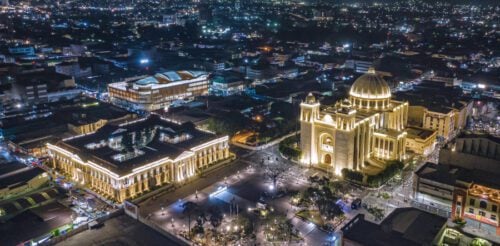
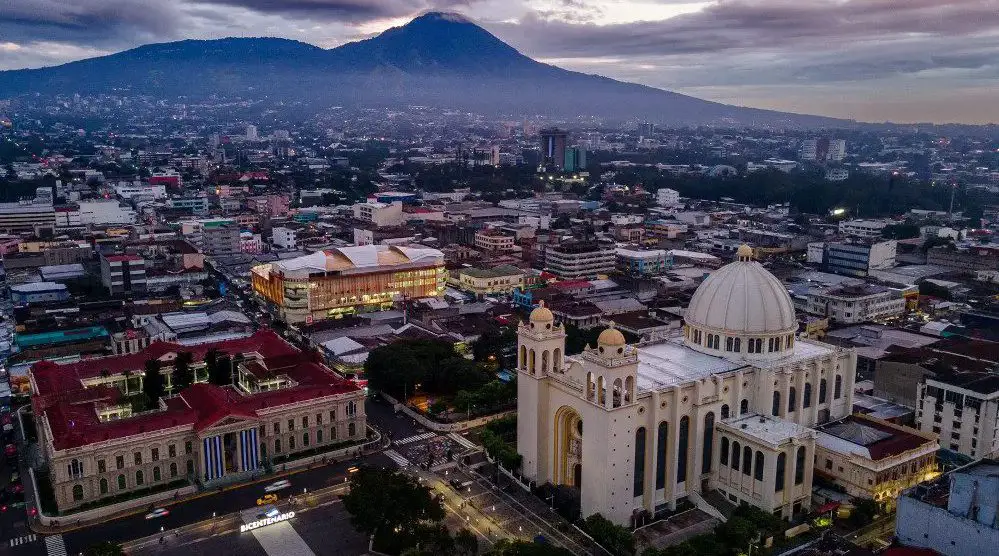
Historic churches are among El Salvador’s most treasured cultural landmarks. The Metropolitan Cathedral, El Rosario Church, and other iconic religious sites showcase remarkable architecture, deep spiritual significance, and centuries of history that continue to attract visitors.
Beyond its churches, El Salvador is home to historic theaters, public squares, and colonial-era buildings that reveal the country’s rich past. These landmarks preserve important stories while providing memorable settings for cultural exploration and photography.
San Salvador’s Historic Downtown serves as the cultural heart of the nation. Its concentration of churches, monuments, museums, and historic buildings makes it one of the country’s most rewarding destinations for history and culture enthusiasts.
Exploring these cultural treasures offers more than a sightseeing experience. Travelers gain a deeper appreciation for Salvadoran history, admire remarkable architecture, and discover traditions that make El Salvador a fascinating destination in Central America.
El Salvador Tourism
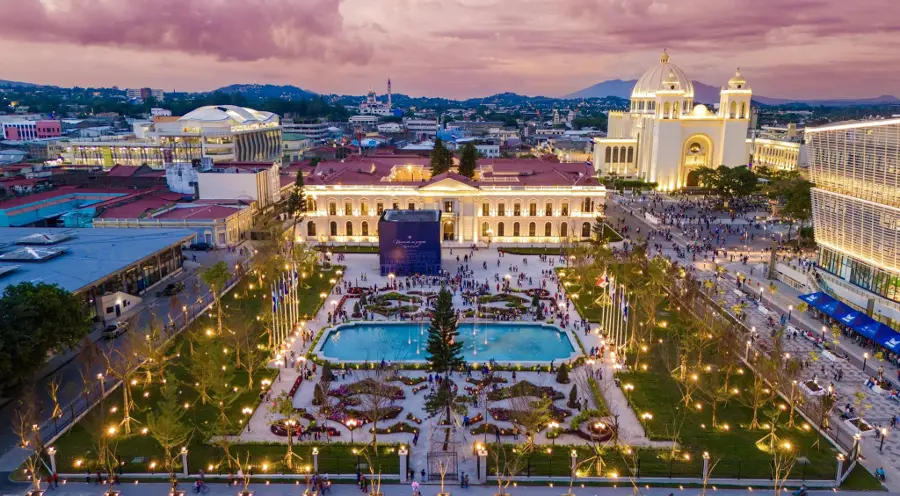
El Salvador’s tourism offers hidden treasures and vibrant experiences. From pristine beaches to colonial towns and dynamic cities, the nation invites travelers into a country rich in culture and natural beauty.
As safety measures improve, visitors find reassurance, enabling the exploration of diverse landscapes. El Salvador, often overlooked, has emerged as a destination where authenticity and adventure converge.
With sustainability at its core, the Salvadoran tourism industry showcases the country’s charm and fosters a responsible and engaging approach for travelers to enjoy and appreciate.
Travel to El Salvador and take the journey that transcends boundaries, which will leave you with memories of its natural wonders, pristine beaches, and great culture. Undoubtedly, El Salvador is a must-visit destination!