Long before El Salvador became a country, ancient civilizations built pyramids, established communities, and developed cultural traditions. Today, their archaeological remains offer a captivating glance into the region’s history.
The archaeological sites in El Salvador show how ancient communities lived, worked, and worshipped. From massive ceremonial centers to villages preserved beneath volcanic ash, these historical landmarks tell stories spanning centuries.
Visitors exploring the ancient ruins in El Salvador can discover remarkable destinations, including Tazumal, San Andrés, Cihuatán, Casa Blanca, and Joya de Cerén, a UNESCO World Heritage Site.
The History of Archaeological Sites in El Salvador
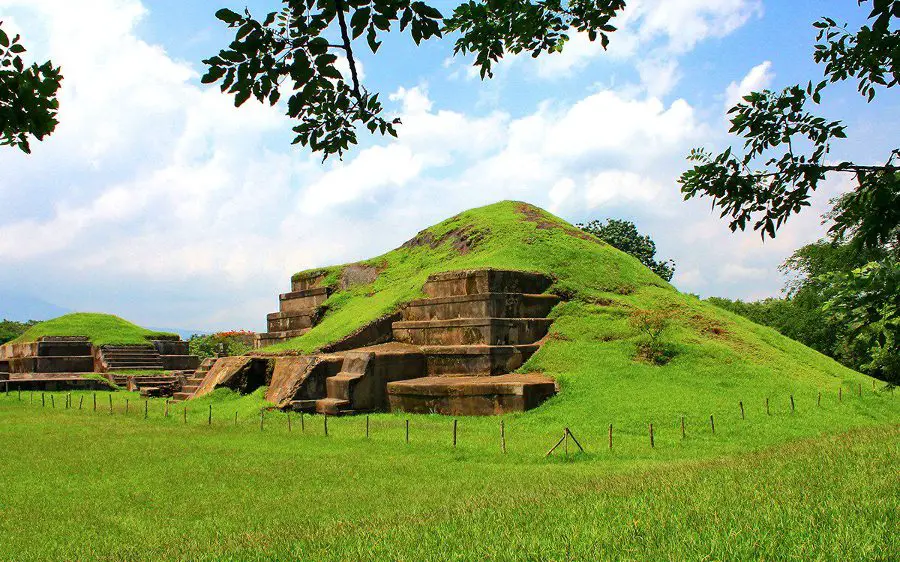
El Salvador has thousands of years of archaeological history. Ancient settlements tell the stories of different communities that lived across the region and helped shape the broader cultural traditions of Mesoamerica.
Over the years, archaeologists have uncovered ceremonial structures, homes, pottery, sculptures, and everyday objects that offer a glimpse into how these communities lived.
Ancient Civilizations That Inhabited El Salvador
Long before the Spanish arrived, different Indigenous people lived throughout what is now El Salvador. Over the centuries, they built settlements, developed their own traditions, and maintained connections with neighboring regions.
These early communities depended heavily on farming, especially growing maize. As their populations grew, some settlements became important centers for religious ceremonies, trade, and political activities.
The Pipil, who spoke a Nahuan language, became prominent in parts of western and central El Salvador during the Postclassic period. Other Indigenous populations occupied different areas of the territory.
The Influence of Maya Culture in El Salvador
The Maya civilization shaped several ancient settlements in western El Salvador, especially during the Classic period. These communities shared traditions, traded goods, and maintained cultural connections with important Maya centers across the region.
Today, the Maya ruins in El Salvador offer a glimpse into those connections through their architecture, ceremonial traditions, and artwork. Archaeological sites like Tazumal and San Andrés show how the region played a role in ancient Mesoamerica.
But the Maya weren’t the only people who shaped El Salvador’s ancient history. Different communities left their mark across the country, creating a rich archaeological heritage that goes well beyond Maya civilization.
The Importance of Archaeological Discoveries
Archaeological discoveries help researchers reconstruct the lives of people who left few written records. Buildings, pottery, tools, and burial objects provide evidence about social organization, religious beliefs, and economic activities.
Some discoveries are particularly valuable because they preserve details of ordinary life. At Joya de Cerén, for example, volcanic ash protected buildings and household objects that would otherwise have disappeared.
The Most Important Archaeological Sites in El Salvador
El Salvador has numerous archaeological locations, although only some have been developed into public parks. Five prominent sites offer visitors opportunities to explore different periods of the country’s ancient history.
Joya de Cerén Archaeological Site
Joya de Cerén is one of Central America’s most fascinating archaeological sites. Located in the Zapotitán Valley, this ancient farming village offers a rare look at how ordinary Maya families lived during the Classic period.
Around the seventh century, the nearby Loma Caldera volcano erupted and covered the village in volcanic ash. The eruption buried homes, household items, and farmland, preserving remarkable details of daily life.
Unlike large Maya ceremonial centers, Joya de Cerén tells the story of everyday people. Archaeologists have uncovered homes, kitchens, storage buildings, and farming areas.
In 1993, UNESCO named Joya de Cerén a World Heritage Site because of its incredible preservation and the valuable information it provides about ancient communities in Mesoamerica.
Today, visitors can explore protected excavation areas and discover how villagers farmed, built their homes, prepared food, and went about their daily routines centuries ago.

San Andrés Archaeological Site
San Andrés Archaeological Park lies in the Zapotitán Valley, not far from Joya de Cerén. During the Classic period, it developed into an important political and ceremonial center.
The settlement featured monumental architecture, ceremonial plazas, and elevated structures associated with religious and administrative activities. Its development reflects the complex organization of ancient societies in the region.
Today, visitors can walk through the archaeological park, observe its restored structures, and learn about the settlement’s role in the region’s pre-Hispanic history.
Tazumal Archaeological Site
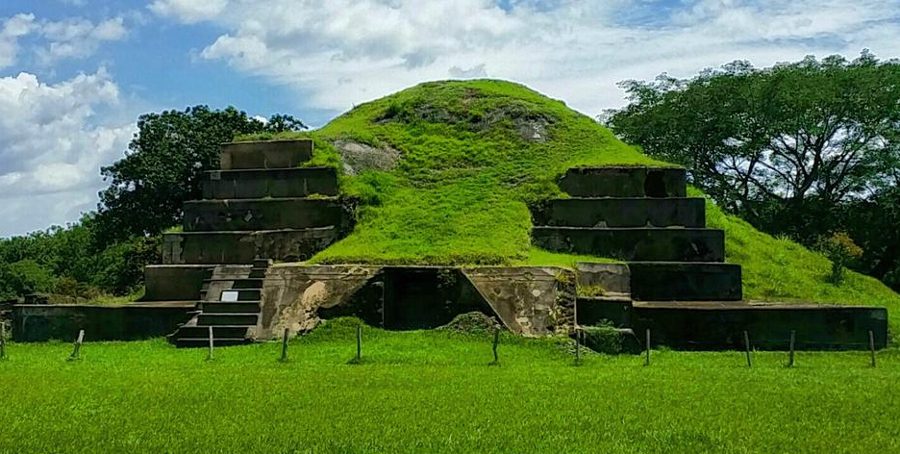
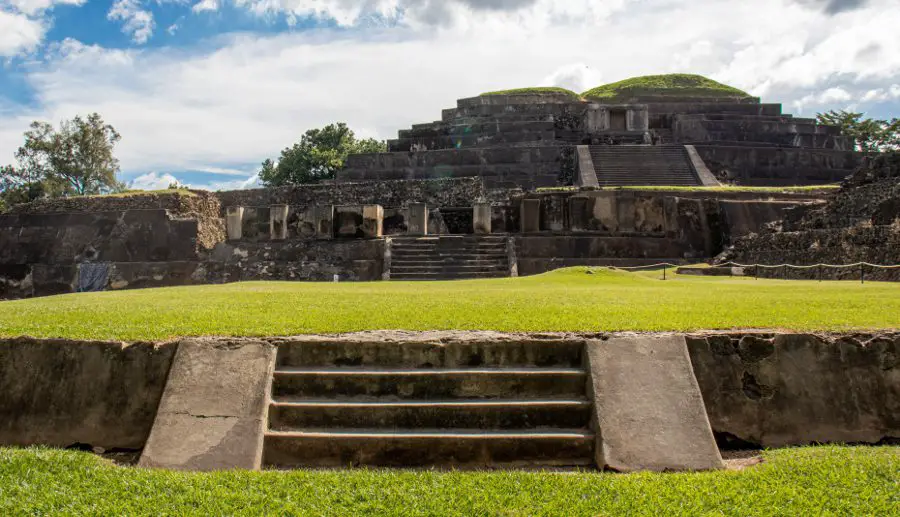
Tazumal is among the most recognizable archaeological landmarks in El Salvador. Located in Chalchuapa, Santa Ana, the site features impressive monumental structures that reflect centuries of construction and ceremonial activity.
The archaeological complex formed part of the larger Chalchuapa settlement area, which experienced a long history of human occupation and cultural development.
Its principal structure contains several construction phases, showing how successive generations modified and expanded ceremonial buildings. Archaeologists have also uncovered burials, pottery, and objects associated with religious practices.
Tazumal’s architecture reflects influences from different Mesoamerican traditions. These connections demonstrate the importance of western El Salvador as a meeting point for cultural exchange.
Visitors can explore the archaeological park and appreciate one of the country’s most impressive examples of ancient monumental architecture.
Casa Blanca Archaeological Site
Casa Blanca Archaeological Park is another important archaeological destination in Chalchuapa. Its history connects closely with the broader settlement complex that includes Tazumal and other nearby archaeological areas.
Casa Blanca features ancient ceremonial structures that reveal how people lived during different periods of Mesoamerican history. These remains offer a glimpse into the early communities that shaped western El Salvador.
When visiting Chalchuapa, you can easily explore Casa Blanca and nearby Tazumal on the same trip. Together, these archaeological sites offer a fascinating look at El Salvador’s ancient architecture, history, and Indigenous cultures.
Cihuatán Archaeological Site
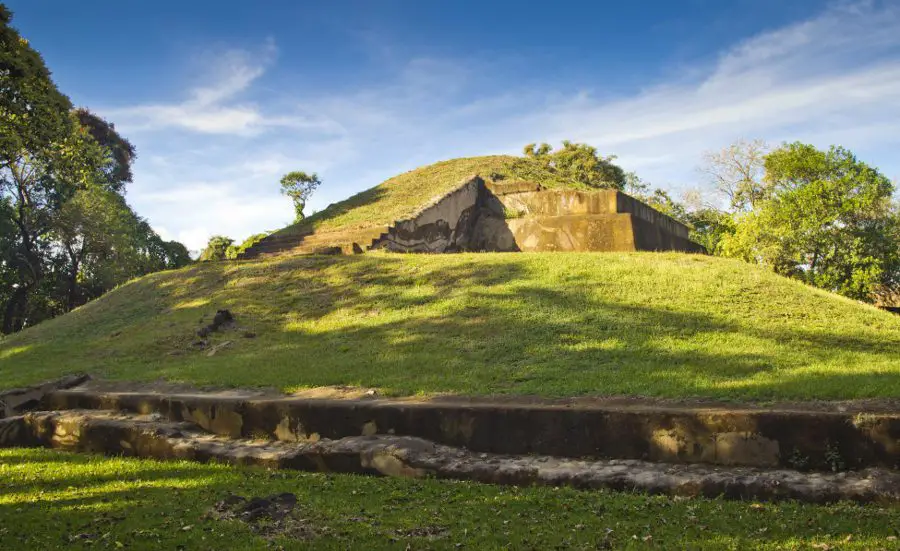
Cihuatán Archaeological Park represents a different chapter of El Salvador’s ancient history. Located north of San Salvador, the settlement developed during the Early Postclassic period, after the decline of many Classic-period centers.
Cihuatán grew into a large settlement with ceremonial buildings, residential areas, plazas, and ballcourts. Its architecture shows how cultures across Mesoamerica changed during this period.
The site helps researchers understand how communities developed after the Classic Maya era. Archaeologists continue to investigate its origins, political structure, and the reasons people eventually abandoned it.
Today, visitors can explore different areas of the archaeological park and see the remains of structures that show just how large and complex this ancient city once was.
Other Archaeological Sites Worth Knowing
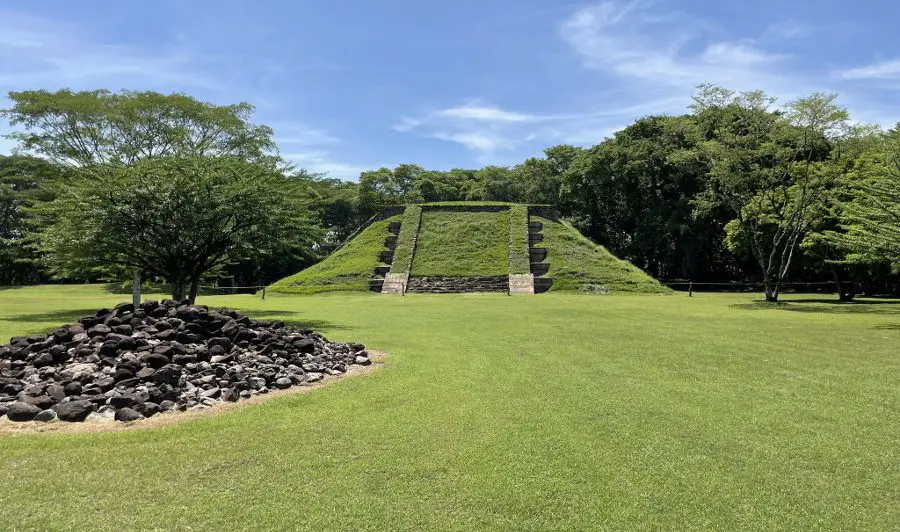
Beyond its famous archaeological parks, El Salvador has many lesser-known sites. Archaeologists continue to study some of these locations, while others offer limited public access or lack facilities for visitors.
Sites like Quelepa in eastern El Salvador and Cara Sucia in the west help researchers better understand how ancient communities lived, developed, and shaped their cultural traditions.
These places show that El Salvador’s archaeological heritage goes far beyond its popular attractions.
What Archaeological Sites Reveal About Ancient Life in El Salvador
Ancient ruins tell us much more than how people built their homes and structures. They show how communities lived, grew their food, developed traditions, and connected with neighboring settlements.
Archaeological discoveries also reveal how daily life differed between farming villages, ceremonial centers, and larger settlements. Each community played its own role in shaping the region’s history.
Daily Life, Agriculture, and Ancient Communities
Agriculture supported many ancient settlements throughout El Salvador. Communities cultivated maize, beans, squash, and other crops that formed the foundation of their diets and local economies.
Discoveries at Joya de Cerén offer a fascinating look at how ancient communities farmed and lived. Preserved fields, homes, and everyday objects show how families managed their work, and grew food.
These findings help visitors picture life beyond the ancient pyramids and temples. People cooked meals, tended crops, cared for their homes, and took part in traditions that brought their communities together.
Religious Ceremonies and Sacred Spaces
Religion played an important role in many ancient Mesoamerican societies. Communities constructed ceremonial buildings and plazas where they carried out rituals and public gatherings.
Archaeologists examine ceremonial buildings, offerings, and symbolic objects to learn how ancient communities practiced their rituals. Still, the surviving evidence doesn’t always reveal exactly what those rituals meant.
At sites like Tazumal and San Andrés, large ceremonial structures show how important these spaces were to ancient communities.
Architecture, Pyramids, and Ceremonial Centers
The pyramids and platforms found at El Salvador archaeological sites demonstrate sophisticated building traditions. Ancient builders used materials and techniques suited to their environment and available resources.
These structures also reveal differences in social organization. Monumental construction often required coordinated labor and specialized knowledge.
Trade and Connections With Mesoamerica
Ancient communities in El Salvador built strong connections with neighboring regions through trade, migration, and cultural exchange. These relationships helped shape local economies, artistic traditions, and the way people built their communities.
Archaeologists have uncovered materials from other regions, including obsidian and distinctive pottery. These discoveries show how ancient communities traded and interacted with people far beyond what we know today as El Salvador.
Western El Salvador played an important role in these connections because of its location within Mesoamerica.
UNESCO World Heritage and Archaeological Preservation
El Salvador’s archaeological sites offer a glimpse into the civilizations that once lived here. Protecting these places helps preserve the country’s history and gives future generations a chance to learn about its cultural heritage.
Preservation requires cooperation among archaeologists, cultural institutions, local communities, and visitors. Without proper protection, erosion, development, looting, and environmental damage can permanently destroy archaeological evidence.
Why Joya de Cerén Is a UNESCO World Heritage Site
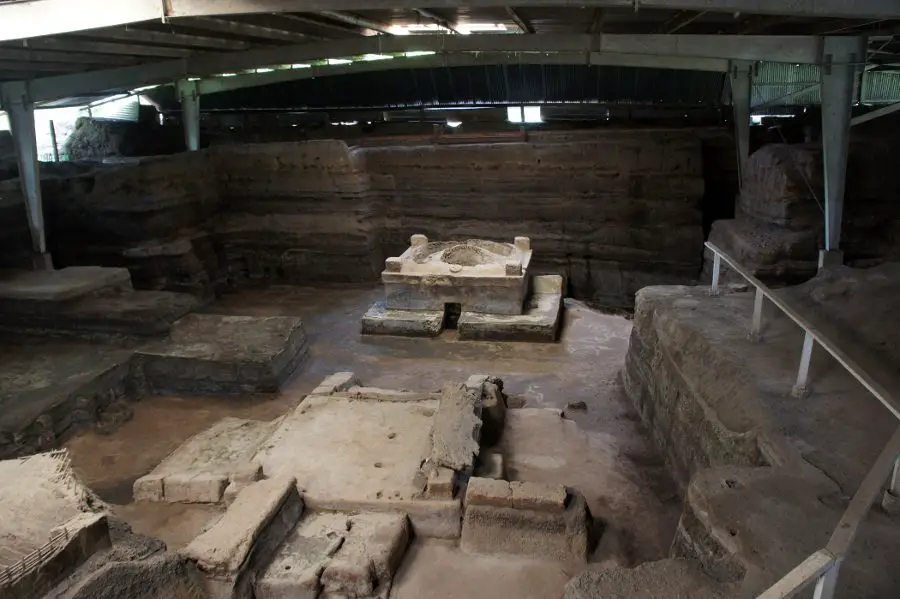
Joya de Cerén received UNESCO World Heritage recognition because of its exceptional preservation of a pre-Hispanic farming community. Its remains provide rare archaeological evidence of ordinary life in ancient Mesoamerica.
While many archaeological sites emphasize monumental architecture, Joya de Cerén preserves residential buildings, agricultural spaces, and household objects.
Joya de Cerén’s importance extends beyond El Salvador. Researchers studying ancient agriculture, domestic architecture, and community organization use the site to better understand patterns of Mesoamerican life.
The Role of Archaeological Research and Museums
Archaeologists continue to investigate ancient settlements using excavation, mapping, laboratory analysis, and other research methods. Their work helps establish timelines and identify relationships between different communities.
Museums preserve artifacts and explain their historical significance. They also provide educational opportunities for visitors who want to understand the cultures behind the archaeological remains.
Visiting Archaeological Sites in El Salvador
Exploring archaeological parks is an excellent way to combine cultural tourism with outdoor activities. Many of these destinations offer open spaces, ancient structures, and educational exhibits that introduce visitors to the country’s history.
Travelers can explore several major archaeological destinations during a short trip, particularly in western and central El Salvador, where some of the best-known parks are located.
Where Are the Main Archaeological Sites Located?
The principal archaeological parks are distributed across several departments. Joya de Cerén and San Andrés lie in La Libertad, while Tazumal and Casa Blanca are located in Chalchuapa, Santa Ana.
Cihuatán lies farther north, near Aguilares in the department of San Salvador. Its location makes it a separate excursion from the archaeological destinations in western El Salvador.
The Best Time of Year to Visit
El Salvador’s tropical climate allows travelers to explore archaeological destinations throughout much of the year. However, seasonal weather conditions can influence the comfort of outdoor visits.
The dry season, generally extending from November through April, usually offers more predictable conditions for walking through archaeological parks.
On the other hand, the rainy season brings greener landscapes and occasional afternoon showers. Reaching these destinations during the rainy season is also more challenging.
Morning visits are often more comfortable because temperatures tend to be lower. Bringing drinking water, sunscreen, comfortable footwear, and a hat can make the experience more enjoyable.
What to Expect During Your Visit
Most developed archaeological parks feature walking areas where visitors can observe ancient structures and learn about their historical importance.
The experience varies considerably between sites. Tazumal features monumental architecture, while Joya de Cerén emphasizes preserved residential spaces and evidence of ancient agricultural life.
Visitors should check official information before traveling, since opening hours, admission policies, available services, and access to particular structures may change over time.
Discovering El Salvador Through Its Archaeological Heritage
El Salvador’s archaeological sites connect visitors with the ancient civilizations that shaped the region. Their structures and artifacts tell fascinating stories about the people, traditions, and communities that once thrived here.
From the impressive pyramids of Tazumal to the remarkably preserved farming village of Joya de Cerén, each site offers a unique glimpse into ancient life and the rich cultural heritage of El Salvador.
Today, these archaeological treasures play an important role in El Salvador’s culture and tourism. Many are part of the country’s tourist routes, giving local and international visitors opportunities to explore its Indigenous heritage.