
 El Salvador Art Museum (MARTE)
Museums in El Salvador offer a fascinating look at the country’s history, artistic traditions, and cultural identity. From ancient Maya artifacts to contemporary artwork, these spaces display narratives that shaped Salvadoran society.
Whether you’re interested in archaeology, history, art, or local traditions, you’ll find museums worth exploring. Many help visitors better understand the traditions and cultural heritage of El Salvador.
Some museums occupy historic buildings, while others feature modern exhibition spaces and interactive displays. You can explore several in San Salvador or discover smaller cultural institutions throughout the country.

Why Visit Museums in El Salvador?
El Salvador has a rich history that stretches from pre-Columbian civilizations to the modern republic. Its museums preserve important pieces of that past and make them accessible to visitors.
You can examine archaeological discoveries, admire Salvadoran artwork, and learn how political events influenced the country’s development. These collections offer perspectives that traditional sightseeing doesn’t always provide.
Many museums also highlight everyday Salvadoran life, including traditional clothing, agricultural practices, religious customs, and local craftsmanship. These exhibits connect historical events with the communities that experienced them.
For travelers, museums offer another advantage. They’re a great way to spend a few hours away from the heat while discovering something meaningful about the places they’re visiting.
Archaeological Museums in El Salvador
Archaeological museums give visitors a closer look at the people who lived in El Salvador long before the Spanish arrived. Inside, you’ll find pottery, stone sculptures, ceremonial objects, and other artifacts from ancient settlements.
These museums also show how Indigenous communities lived, grew their food, traded with neighboring groups, and practiced their religious traditions.
National Museum of Anthropology Dr. David J. Guzmán (MUNA)
The National Museum of Anthropology Dr. David J. Guzmán is one of the country’s most important cultural institutions. Located in San Salvador, it explores Salvadoran history through archaeological and anthropological collections.
At this museum, visitors will find objects from Indigenous civilizations, colonial times, and traditional Salvadoran life. The exhibits show how each historical period has shaped the country’s cultural identity.
MUNA makes an excellent starting point for anyone interested in understanding El Salvador beyond its beaches and volcanoes. Its collections provide useful context for visiting archaeological sites elsewhere.
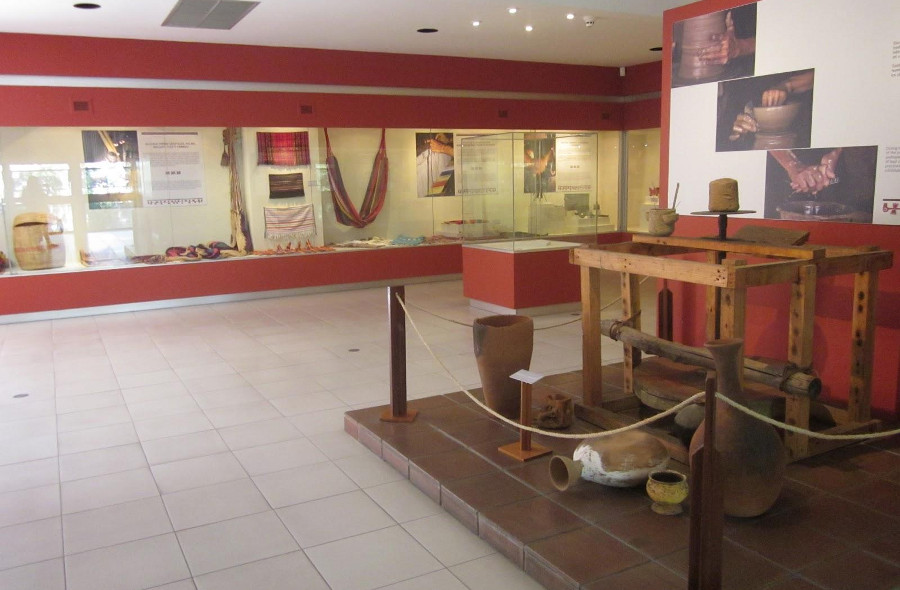
Joya de Cerén Site Museum
The Joya de Cerén Archaeological Site preserves the remains of a pre-Hispanic farming community buried beneath volcanic ash following an eruption centuries ago.
Unlike archaeological sites centered on temples or ceremonial buildings, Joya de Cerén reveals how ordinary families lived. Preserved structures and household objects offer an unusually detailed picture of daily life.
The site’s museum and exhibits help visitors explore how people once lived, grew their food, prepared meals, organized their homes, and interacted with the natural environment around them.

Tazumal Archaeological Site Museum
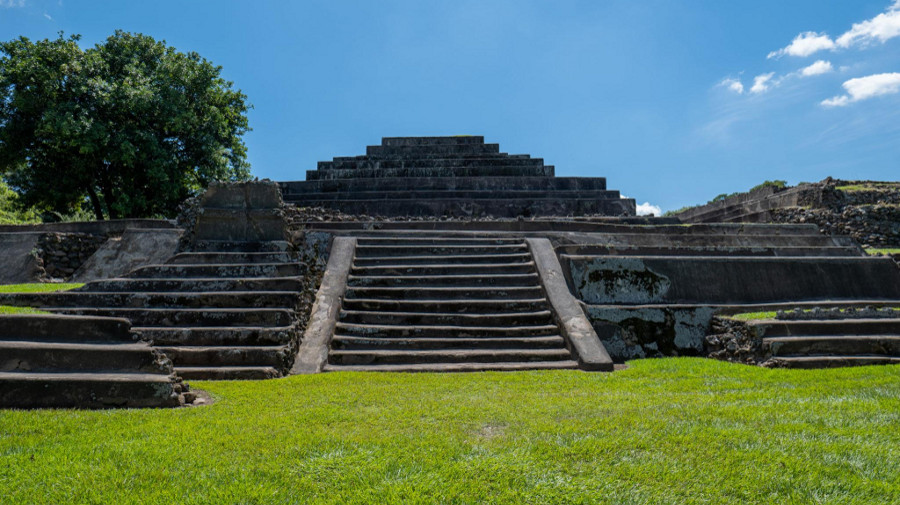
The Tazumal Archaeological Site in Chalchuapa is home to impressive pre-Columbian structures and a museum filled with fascinating discoveries from the region’s past.
You can walk around the ancient ceremonial complex and learn about the civilizations that once lived here. The museum’s exhibits explore the site’s architecture, religious traditions, and history.
What makes Tazumal even more interesting is Chalchuapa’s long history of human settlement. Archaeological discoveries throughout the area show how important this part of western El Salvador was to ancient civilizations.
Art Museums in El Salvador
Art museums in El Salvador give visitors a chance to explore the creativity of local artists and see how Salvadoran art has changed over time. You’ll find everything from traditional paintings and sculptures to modern installations and experimental artwork.
These museums also show how Salvadoran artists use their work to tell stories about the country’s history and everyday life. Many exhibitions explore topics like identity, migration, political struggles, and the connections between people and their communities.
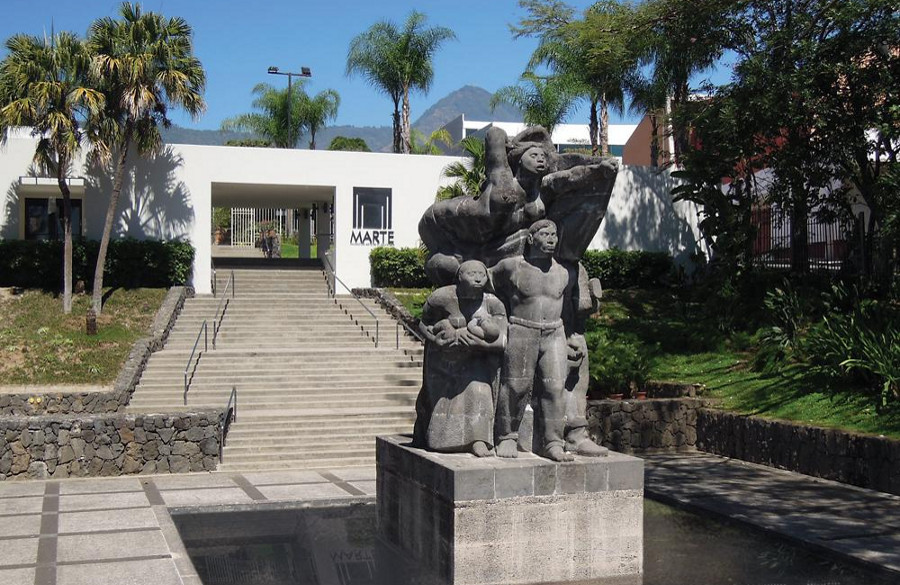
Museum of Art of El Salvador (MARTE)
The Museum of Art of El Salvador (MARTE) is a major destination for visitors interested in Salvadoran visual arts. Its exhibitions feature works from different artistic periods and movements.
The museum showcases paintings, sculptures, photography, and other artwork. It puts Salvadoran artists in the spotlight and encourages visitors to explore how art reflects the country’s culture, history, and social changes.
MARTE offers a different perspective on El Salvador’s history. Through artwork, visitors can explore how artists interpret national identity, historical events, and changing social realities.
Forma Museum
The Museo Forma has an important place in Salvadoran art history. Its origins reflect efforts to preserve and promote the country’s artistic heritage.
Associated with Salvadoran artist Julia Díaz, the museum represents a significant chapter in the development of national artistic institutions and the recognition of local creative talent.
History Museums in El Salvador
History museums help visitors understand the events, institutions, and individuals that shaped El Salvador. Their collections often examine political developments, social transformations, and periods of national conflict.
Some institutions focus on particular historical episodes, while others preserve documents, photographs, personal testimonies, and objects connected to broader changes in Salvadoran society.
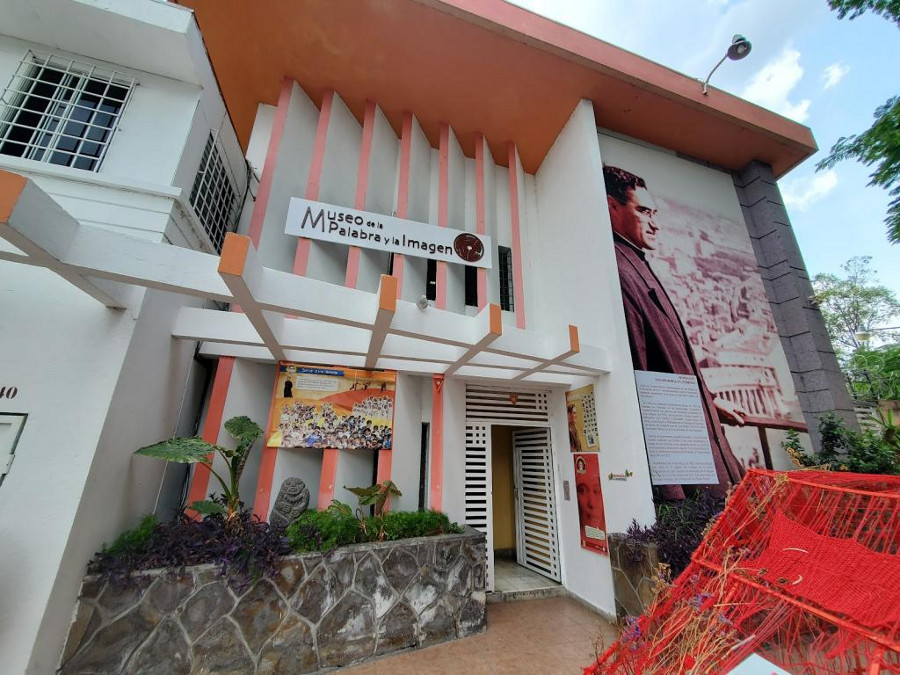
Museum of the Word and Image (MUPI)
The Museum of the Word and Image preserves photographs, recordings, documents, and other materials related to El Salvador’s social and historical experiences.
Its collections explore subjects such as historical memory, cultural identity, migration, and the country’s civil war. Personal stories help visitors understand events beyond official historical accounts.
MUPI is a great place to explore if you’re interested in journalism, documentary photography, or oral history. Its archives show how personal stories help preserve a country’s history and collective memory.
Military History Museum
The Military History Museum of El Salvador is located in the historic El Zapote military complex in San Salvador. It displays collections related to the country’s armed forces.
Exhibits include military equipment, uniforms, photographs, and objects connected to different periods of Salvadoran military history. The museum also preserves aspects of the historic complex itself.
Visitors can learn about the development of military institutions and their role in national history. For broader context, it’s useful to explore civilian perspectives at other historical museums.

Natural History and Science Museums
El Salvador’s natural history museums explore the country’s geological formations, biodiversity, and ecosystems. They provide an educational experience for visitors interested in volcanoes, wildlife, fossils, and environmental conservation.
These museums are especially useful for families and students. Their exhibits help explain the natural processes that created El Salvador’s landscapes and the challenges facing its environment.
Natural History Museum of El Salvador (MUHNES)
The Natural History Museum of El Salvador sits inside Saburo Hirao Park in San Salvador. It introduces visitors to the country’s natural environment and geological history.
Its exhibition areas cover rocks and minerals, paleontology, and ecosystems. Visitors can learn about ancient life, geological processes, and the biodiversity found across Salvadoran territory.
Families often combine a museum visit with time in the surrounding park. This makes MUHNES a practical choice for anyone traveling with children or exploring San Salvador.

Tin Marín Children’s Museum
The Tin Marín Children’s Museum makes learning fun through play. Kids can explore interactive exhibits, get creative, discover science, and learn about communication and everyday life through hands-on activities.
Instead of just looking at displays, children get to jump in and try things for themselves. This playful approach keeps young visitors entertained while helping them learn something new.
Parents can include the museum in a family sightseeing itinerary, especially when younger children need a break from historical monuments, archaeological sites, or longer guided tours.

Regional and Community Museums in El Salvador
You don’t have to visit the capital to explore El Salvador’s museums. Regional and community museums showcase local history, traditions, and cultural practices that larger national museums might not cover in much detail.
These smaller museums share stories that reflect the communities around them. Visitors can learn how local people helped shape Salvadoran history through farming, trade, art, and social movements.
Regional Museum of the West – Santa Ana
The Regional Museum of the West explores the history and cultural heritage of western El Salvador.
One of its notable exhibitions examines the history of Salvadoran currency. Another highlights the life and work of writer Claribel Alegría, connecting visitors with the country’s literary heritage.
The museum also hosts temporary exhibitions and educational activities. Its central location makes it a convenient addition to a walking tour of Santa Ana.
Regional Museum of the East – San Miguel
The Regional Museum of the East focuses on the archaeological, historical, and cultural heritage of eastern El Salvador, an area with its own distinctive traditions.
Its exhibitions introduce visitors to regional history, Indigenous heritage, and cultural practices. These collections help explain the development of communities across the eastern part of the country.
For travelers exploring San Miguel and nearby departments, the museum provides historical background that complements visits to local towns, traditional markets, and cultural attractions.
Museum of the Salvadoran Revolution – Perquín
The Museum of the Salvadoran Revolution examines El Salvador’s civil war through photographs, documents, personal accounts, and objects associated with the conflict.
Located in Perquín, a town closely connected to wartime events, the museum presents perspectives from the former guerrilla movement and the communities affected by the conflict.
Visitors interested in recent Salvadoran history can combine the museum with other historical sites in Morazán. Exploring different accounts helps build a more complete understanding of this difficult period.

Planning Your Museum Visits in El Salvador
Most people can visit one or two museums comfortably in half a day. If you like to read all the exhibits, you might need more time at bigger museums.
San Salvador is a good place to start since many major museums are in the city. You can also visit restaurants, historic sites, and other cultural attractions nearby.
Santa Ana, Chalchuapa, San Miguel, and Morazán also have museums where you can learn about local history. Going to museums outside the capital lets you discover places you might not visit otherwise.
Before you go, check each museum’s hours, ticket prices, and what’s on display. Some museums close on certain days or change their hours for holidays and special events.
The Ministry of Culture provides information about public museums and archaeological parks. Privately operated institutions generally maintain their own visitor information and exhibition calendars.
Discover El Salvador Through Its Museums
Museums in El Salvador share stories that visitors might overlook when they visit the country’s beaches, volcanoes, or colonial towns.
These museums link ancient civilizations, artistic traditions, and modern history to daily life in El Salvador.
Whether you’re planning a cultural getaway or building a longer itinerary, museums complement the many activities and attractions to experience throughout El Salvador.
Explore beyond El Salvador’s most famous museums to discover smaller regional ones that offer memorable exhibits showcasing local history.