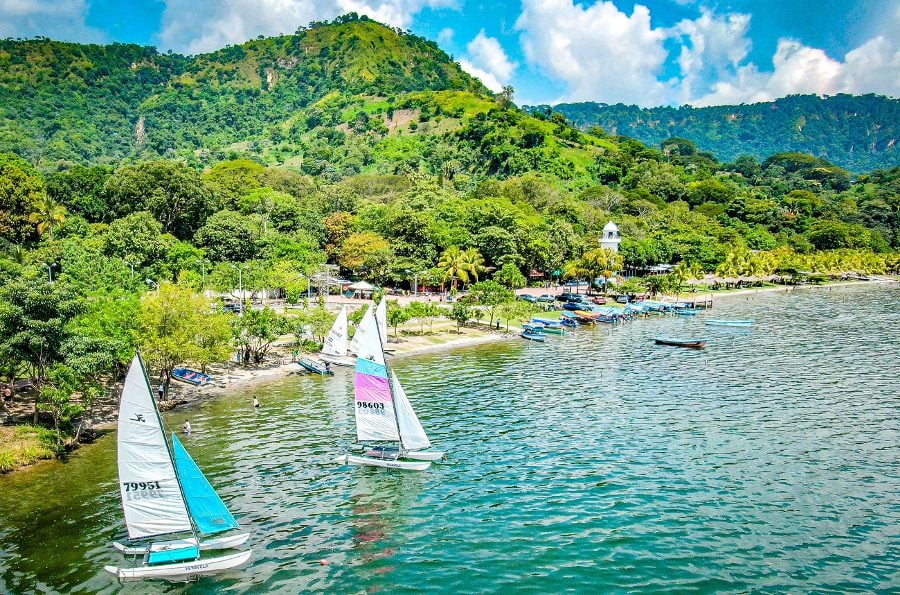
Suchitlan Lake. Image by
Surrounded by volcanic mountains, green hills, and small lakeside communities, the lakes in El Salvador offer some of the country’s most beautiful landscapes and memorable outdoor experiences.
Some lakes attract visitors with waterfront restaurants and boat rides, while others offer peaceful surroundings, abundant wildlife, and opportunities to explore the country’s natural and cultural heritage.
Whether you’re planning a relaxing afternoon or exploring the country’s natural attractions, these lakes deserve a place on your list of destinations to visit in El Salvador.
Lakes in El Salvador: An Overview
The lakes of El Salvador are scattered across the country’s volcanic highlands, valleys, and lowland regions. They vary in size, origin, accessibility, and the experiences they offer visitors.
Volcanic activity created several of El Salvador’s natural lakes thousands of years ago. Other geological processes shaped some lakes, while people built artificial reservoirs to generate electricity and manage water resources.
Visitors come to enjoy the water, but the surrounding mountains, volcanoes, and beautiful scenery often make the experience even more memorable.
Among the best-known El Salvador lakes are Coatepeque, Ilopango, Güija, and Suchitlán. Each has distinct characteristics that make it an appealing destination for nature lovers and travelers.
The Most Beautiful and Popular Lakes in El Salvador
From volcanic waters surrounded by steep hills to expansive reservoirs dotted with islands, these beautiful lakes in El Salvador showcase the country’s diverse natural scenery.
Lake Coatepeque: A Scenic Volcanic Lake
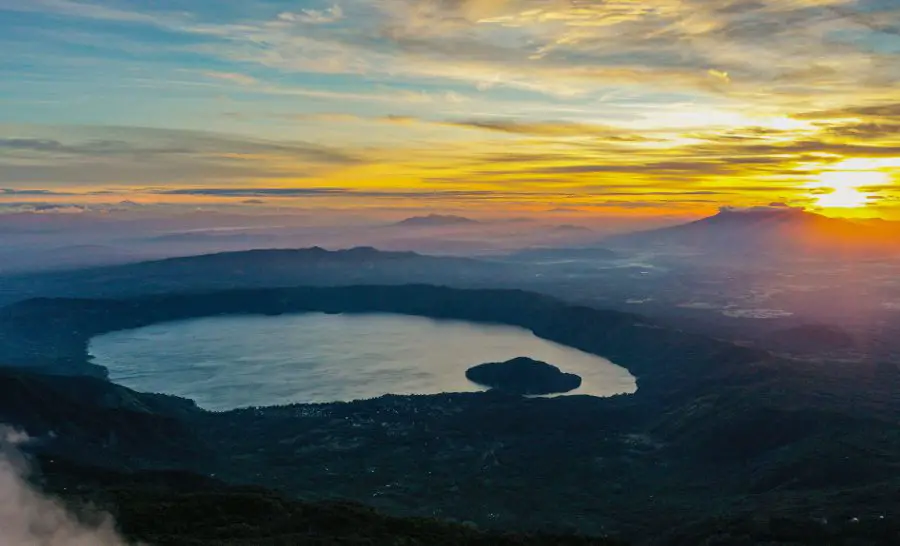
Lake Coatepeque, located in the department of Santa Ana, is one of El Salvador’s most recognizable natural attractions. Its deep-blue waters occupy a volcanic caldera surrounded by forested hills.
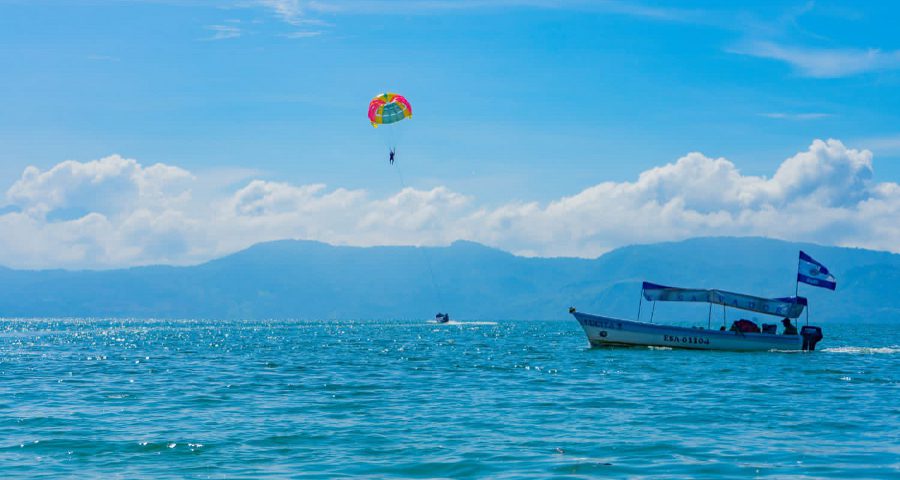
The lake attracts visitors looking for waterfront restaurants, scenic viewpoints, and recreational activities. The most popular activities are boat rides, kayaking, and lakeside dining.
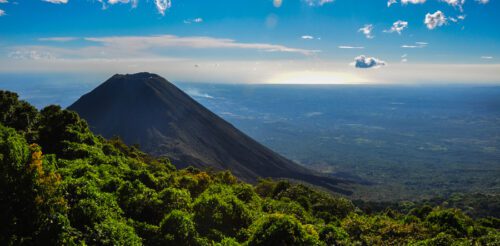
Many travelers combine a visit to Coatepeque with nearby attractions, including Santa Ana Volcano and Cerro Verde National Park, making the area ideal for a day of exploration.
Lake Ilopango: El Salvador’s Largest Natural Lake
Lake Ilopango spans parts of the San Salvador, Cuscatlán, and La Paz departments. This large volcanic lake was formed within a caldera created by explosive eruptions.
Lake Ilopango is close to San Salvador, making it an easy getaway for visitors staying in the capital.
The lake’s vast waters, volcanic history, and surrounding hills make it a beautiful place to explore. Visitors can take in panoramic views from nearby lookout points or spend time exploring the shoreline.
Lake Güija: A Lake Shared With Guatemala
Lake Güija lies along the border between El Salvador and Guatemala, with portions extending into both countries. Its relatively quiet surroundings offer a different experience from busier tourism destinations.
The lake supports fishing communities and provides habitat for numerous bird species. The surrounding areas have some archaeological items that reflect the region’s long history of human settlement.
Visitors interested in nature, local traditions, and historical landscapes may find Güija especially appealing. However, tourism services and public access vary depending on the location.

Lake Suchitlán: El Salvador’s Famous Artificial Lake
Lake Suchitlán is a large artificial reservoir created following the construction of the Cerrón Grande Hydroelectric Dam along the Lempa River during the 1970s.
The reservoir stretches across parts of northern and central El Salvador. Its islands, wetlands, and surrounding countryside provide important habitats for resident and migratory birds.
The colonial town of Suchitoto serves as one of the most popular starting points for exploring the lake. Visitors can enjoy boat tours, birdwatching, and scenic waterfront views.

Where Are the Main Lakes in El Salvador Located?
These lakes are distributed across various regions of El Salvador, ranging from the volcanic landscape near Santa Ana in the west to the central highlands and areas near the Guatemalan border.
Each lake offers its own natural beauty and activities. Some are easily accessible from major cities, while others require additional travel through rural communities.
| Lake | Location | Type |
|---|---|---|
| Coatepeque | Santa Ana | Volcanic caldera lake |
| Ilopango | San Salvador, Cuscatlán, La Paz | Volcanic caldera lake |
| Güija | Santa Ana, Guatemala border | Natural lake |
| Suchitlán | Northern and central El Salvador | Artificial reservoir |
What Makes El Salvador’s Lakes Unique?
Beyond their attractive landscapes, the Salvadoran lakes reveal much about the country’s geology and biodiversity. Every environment showcases unique natural processes and the relationships that exist with nearby communities.
Volcanic Origins and Natural Formation
El Salvador sits in Central America’s volcanic region, where thousands of years of geological activity have shaped the country’s mountains, valleys, and lakes.
Coatepeque and Ilopango are particularly striking examples. Both occupy volcanic calderas, large depressions created when the ground collapsed following major volcanic activity.
Wildlife and Freshwater Ecosystems
Lakes and nearby wetlands provide homes for fish, aquatic plants, and many bird species. They also help local communities earn a living, especially in areas where families depend on fishing.
Birdwatchers often visit Lake Suchitlán and Lake Güija to spot different bird species and enjoy the surrounding wildlife. The birds they see vary depending on the season, migration patterns, and local habitat conditions.
Cultural and Historical Significance
For generations, local communities have relied on these lakes for fishing, daily activities, and traditional practices. The lakes and their surrounding landscapes have also helped shape the area’s history and way of life.
Some areas also preserve archaeological remains associated with pre-Hispanic civilizations, adding historical interest to destinations already known for their natural beauty.
Things to Do at the Lakes in El Salvador
The best activities depend on which lake you visit, but several destinations offer opportunities to enjoy the water, explore nearby communities, and appreciate the scenery.
Boat Tours and Water Sports
Boat tours let visitors see the lakes from a different angle while enjoying views of nearby hills, islands, and lakeside communities. Some lakes also offer kayaking and other fun outdoor activities.
Swimming and Lakeside Relaxation
Certain lakeside establishments provide swimming areas, pools, and spaces for relaxing near the water. However, swimming conditions vary, and not every shoreline is suitable or safe.
Fishing and Birdwatching
Fishing remains an important activity for communities around several lakes. Visitors can also enjoy birdwatching, particularly in quieter areas where wetlands and vegetation attract wildlife.
Lakeside Restaurants and Scenic Viewpoints
Waterfront restaurants and elevated viewpoints are among the main attractions around Coatepeque and Ilopango. Many visitors come simply to enjoy a meal overlooking the surrounding landscape.
What Is the Best Lake to Visit in El Salvador?
Choosing the best lake depends on your interests, travel plans, and preferred activities. Each destination offers a different combination of scenery, recreation, and local experiences.
Coatepeque is an excellent choice for scenic dining and relaxation. Ilopango appeals to visitors seeking a lake excursion within relatively easy reach of San Salvador.
Suchitlán offers boat tours, birdwatching, and the opportunity to explore nearby Suchitoto. Güija may appeal more to travelers interested in peaceful natural surroundings and regional history.
Best Time to Visit the Lakes in El Salvador
El Salvador has two main seasons, and both influence the appearance of its lakes and the experiences available to visitors throughout the year.
The dry season generally runs from November through April. Visitors often experience sunnier conditions, making this period popular for sightseeing, boat rides, and outdoor recreation.
The rainy season usually extends from May through October. Surrounding hills become greener, creating particularly attractive landscapes, although afternoon rainfall can interrupt outdoor activities.
Tips for Visiting Lakes in El Salvador
Planning ahead can make a lakeside trip more enjoyable, particularly when visiting less-developed areas or traveling beyond the country’s main tourism corridors.
- Check road conditions and available transportation before leaving, especially when visiting rural lakeside communities.
- Confirm public access, restaurant availability, and boat tour arrangements, since services differ between destinations.
- Avoid swimming in unfamiliar areas without reliable local safety information.
- Bring sunscreen, drinking water, and suitable clothing for changing weather conditions.
- Respect local communities, protect wildlife, and avoid leaving trash along the shoreline.
Discover More of El Salvador’s Natural Attractions
The lakes in El Salvador offer more than beautiful scenery. They connect visitors with volcanic landscapes, wildlife, historic communities, and outdoor experiences found throughout this small Central American country.
Whether you enjoy the lively atmosphere of Lake Coatepeque or the peaceful surroundings of Lake Güija, visiting these lakes is a great way to experience El Salvador’s natural beauty.
There’s plenty more to explore beyond the lakes. You can hike volcanoes, visit waterfalls, discover charming mountain towns, and explore national parks while learning more about the country’s landscapes and cultural heritage.