 Ruta de Las Flores El Salvador.
 The Ruta de Las Flores El Salvador has colorful mountain towns, fresh coffee, traditional food, and beautiful landscapes. It is one of El Salvador’s most memorable destinations, with every stop offering something different to discover.
This scenic route takes you through western El Salvador, connecting six charming towns surrounded by coffee plantations, lush mountains, and natural attractions.
Whether you want to explore waterfalls, try local food, visit historic churches, or just relax in the cool mountain air, you’ll find plenty to see and do along the Ruta de Las Flores.
Table of contents will go here!
- What Is the Ruta de Las Flores?
- Why Is It Called the Route of Flowers?
- Towns Along the Route of Flowers
- Nahuizalco
- Salcoatitán
- Juayúa
- Apaneca
- Concepción de Ataco
- Ahuachapán
- Things to Do Along the Ruta de Las Flores
- Explore Historic Centers and Local Markets
- Visit Coffee Plantations
- Visit the Juayua Food Festival
- Discover Natural Attractions
- Try the 7 Waterfalls Hiking Trip
- Explore Los Chorros de la Calera Waterfall
- Go Canopying and Zip-Lining in Apaneca
- Experience Traditional Salvadoran Food
- Shop for Local Handicrafts
- Explore Laguna Verde
- History and Cultural Significance of the Ruta de Las Flores
- Best Time to Visit the Ruta de Las Flores
- Getting to the Ruta de Las Flores
- Suggested Itineraries
- Where to Stay at the Route of Flowers

What Is the Ruta de Las Flores?
The Ruta de Las Flores, or Route of Flowers, is a scenic tourist route in western El Salvador that connects several mountain communities known for their coffee traditions, cultural heritage, and natural beauty.
The route passes through six towns: Nahuizalco, Salcoatitán, Juayúa, Apaneca, Concepción de Ataco, and Ahuachapan. Visitors have plenty of reasons to explore more than just one place, as each colorful town offers something different.
The Ruta de Las Flores go through the departments of Sonsonate and Ahuachapán in western El Salvador. The region lies within the country’s volcanic highlands, where coffee farms cover many surrounding hillsides.
Most travelers start their journey in Nahuizalco and make their way to Concepción de Ataco, but you can easily explore the route in reverse. Along the way, winding roads take you through charming towns, scenic viewpoints, and beautiful countryside.
Why Is It Called the Route of Flowers?
The name comes from the colorful flowers and vegetation that brighten the mountainous landscape, particularly during certain times of the year. Flowering plants add another layer of beauty to the region.
But there’s much more to Ruta de Las Flores than just flowers. You can explore charming towns, browse traditional markets, enjoy local food and coffee, and experience plenty of outdoor adventures.
The Six Towns Along the Route of Flowers
The six towns form the heart of the Ruta de Las Flores. Although they share mountain scenery and cultural traditions, each offers distinctive attractions and experiences that make it worth visiting.
Nahuizalco: Indigenous Heritage and Traditional Crafts
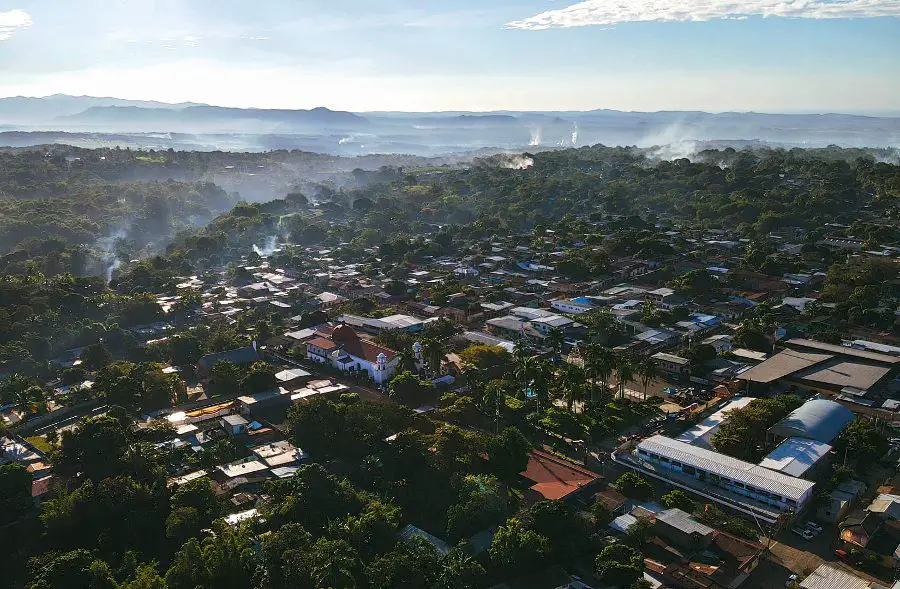
Nahuizalco stands out for its Indigenous roots, traditional handicrafts, and lively local markets. This charming town in the Sonsonate department gives visitors a chance to experience the rich culture and traditions of western El Salvador.
Walk through the town center, visit the local church, and shop for handmade crafts. Local artisans keep traditions alive through basket weaving and other crafts. They use skills passed down from one generation to the next.
Nahuizalco is famous for its wicker and tule handicrafts, including baskets, floor mats, and furniture. These crafts are well known all over El Salvador and Central America.
Another top thing to do in Nahuizalco is to visit the night market. It is one of the traditions that make Nahuizalco a major tourist attraction.
Salcoatitán: Coffee Traditions and Small-Town Charm
Salcoatitan is a charming mountain town known for its relaxed atmosphere, traditional mosaics, art galleries, and coffee-growing heritage.
One of its main attractions is Plaza La Ceiba, where a massive ceiba tree has stood for more than 400 years. According to local legend, anyone who hugs its trunk and expresses gratitude in Nahuatl will receive a gift from the spirit believed to live within the tree.
Near the plaza, visitors can admire the historic San Miguel Arcángel Church, a beautiful colonial-style landmark dating back to the early 19th century.
Weekends are a great time to explore Salcoatitan. The town comes alive with local food vendors offering traditional Salvadoran dishes near the church and central park. You can enjoy a delicious meal, explore the surroundings, and experience the town’s laid-back atmosphere.
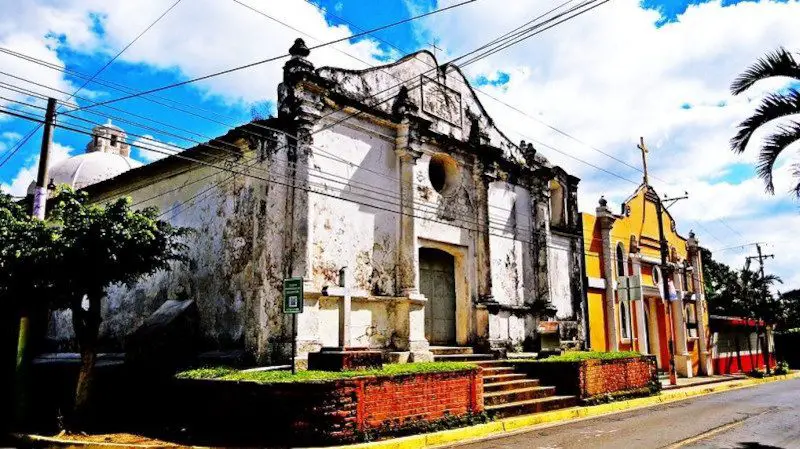
Juayúa: Food Festivals and Natural Attractions
Juayúa is one of the most popular destinations along La Ruta de Las Flores, especially for its famous weekend food festival.
Every weekend, Juayúa comes alive as local vendors fill the streets with traditional Salvadoran dishes, grilled meats, desserts, and regional specialties. The gastronomic festival is one of the town’s biggest attractions and a favorite among locals and tourists.
There’s more to Juayúa than its popular food festival. You can stroll through its historic center, browse local shops, or explore the town on a colorful conga bus.
If you love nature, head to Los Chorros de La Calera, a beautiful series of waterfalls about two kilometers from the town center. You can also hike through the surrounding mountains, follow scenic trails, and take in the natural beauty of western El Salvador.
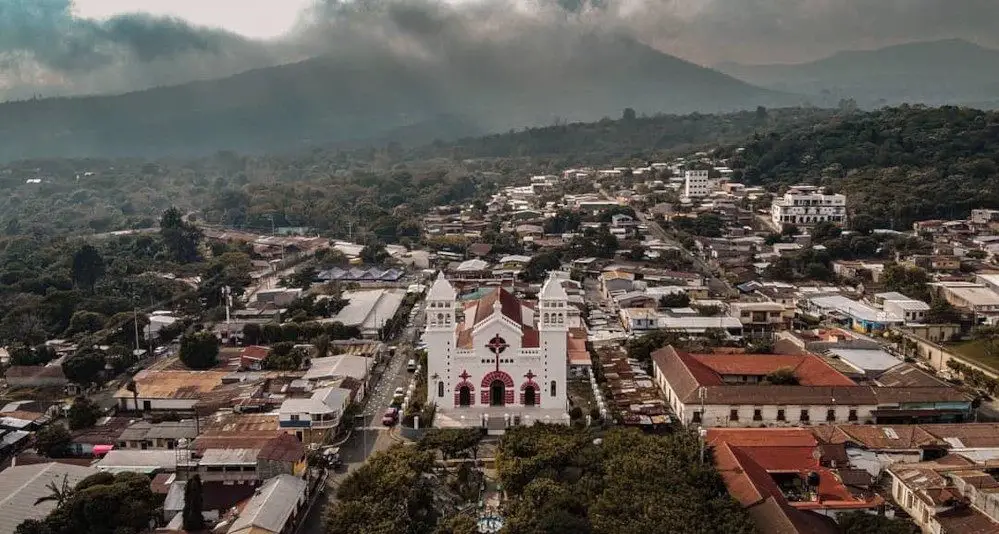
Apaneca: Mountain Landscapes and Outdoor Adventures
Apaneca is one of the main towns along the Ruta de Las Flores, known for its colorful flowers, coffee plantations, and beautiful mountain scenery. From November to February, blooming flowers brighten the roadsides, making the area especially picturesque.
Located about 1,470 meters above sea level, Apaneca is one of the highest towns in El Salvador. Its cool mountain climate offers a refreshing escape from the warmer coastal lowlands.
Apaneca’s altitude and cool temperatures also create ideal conditions for growing some of El Salvador’s finest coffee. Visitors can explore local coffee plantations or enjoy a freshly brewed cup at one of the town’s cafés.
Apaneca offers much more than great coffee and beautiful views. If you love outdoor adventures, you can hike mountain trails, ride buggies, go zip-lining, or explore nearby natural attractions like Laguna Verde.
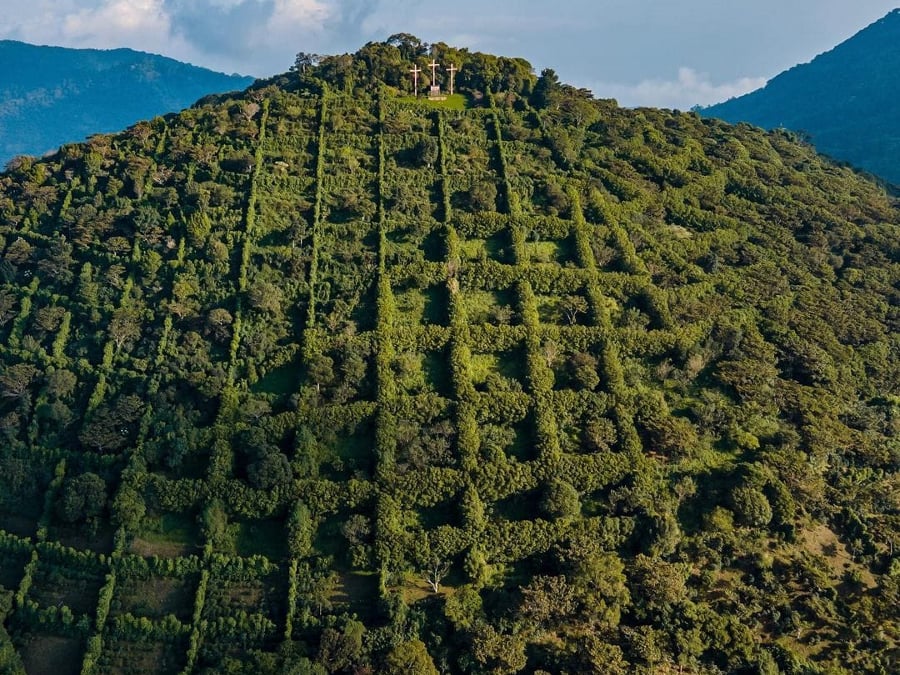
Concepción de Ataco: Colorful Murals and Artistic Traditions
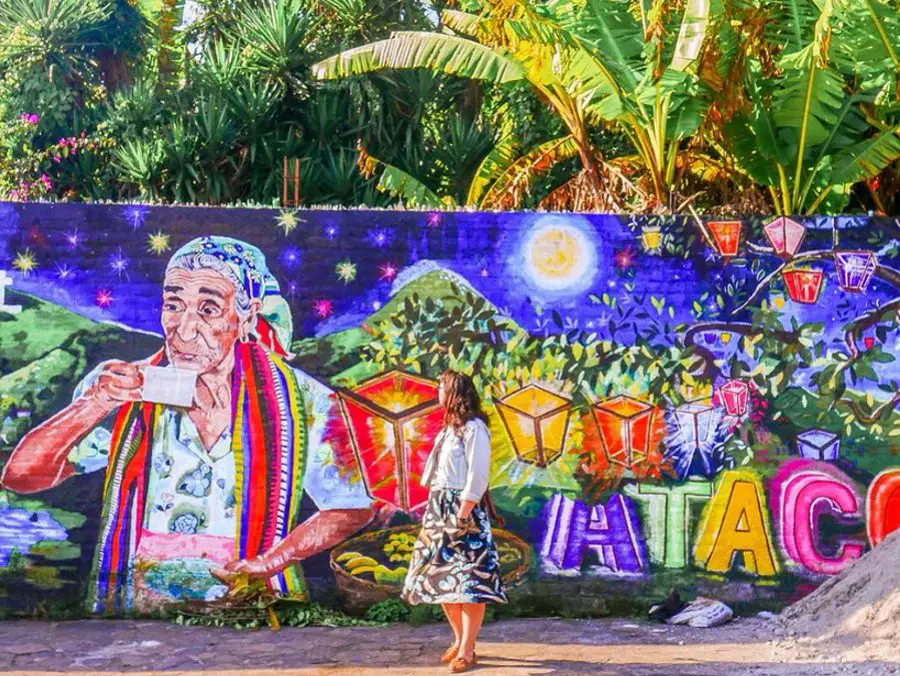
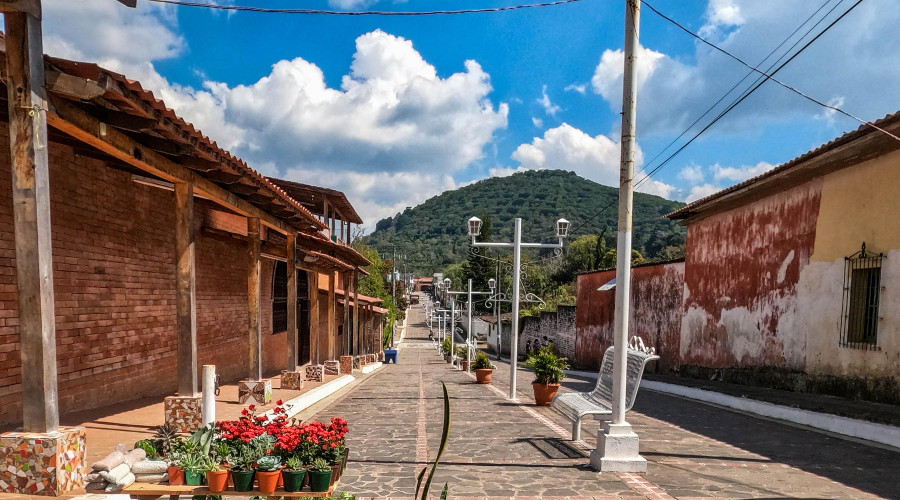
Concepción de Ataco is one of the most charming mountain towns along La Ruta de Las Flores. Known for its colorful murals, cobblestone streets, artisan shops, and relaxed atmosphere, Ataco offers visitors plenty of things to see and do.
Walking through the historic center is one of the best ways to explore the town. Colorful murals decorate buildings and walls, depicting everyday rural life, local traditions, and Salvadoran culture.
Ataco’s cool mountain climate also makes it a great destination for coffee lovers. Visitors can tour nearby coffee farms, learn about the production process, and enjoy a freshly brewed cup of locally grown coffee.
The town also has plenty of cafés, restaurants, art galleries, and traditional shops worth exploring. Many travelers choose Ataco as their base for discovering other attractions along La Ruta de Las Flores.
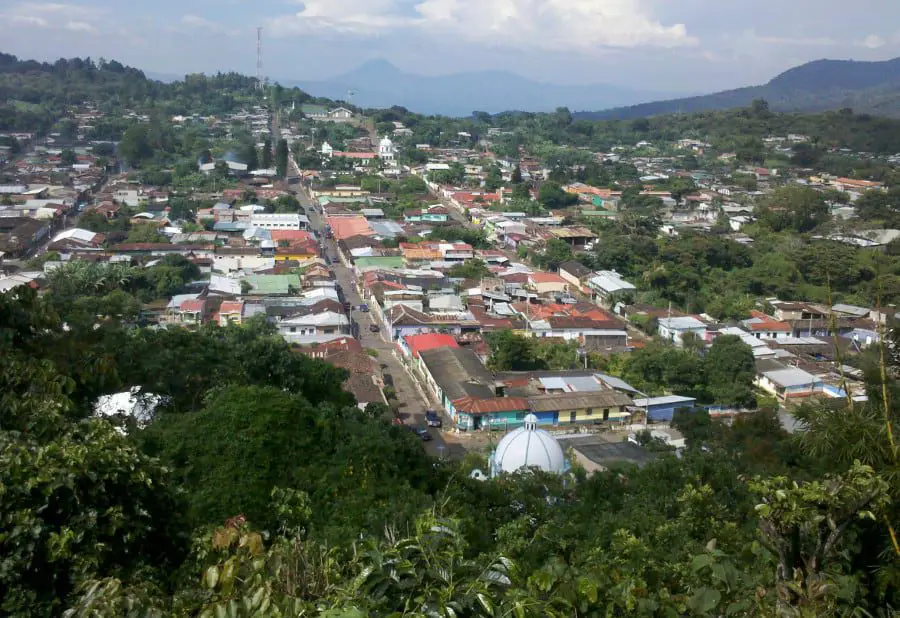
Ahuachapán: Colonial Charm and Natural Wonders
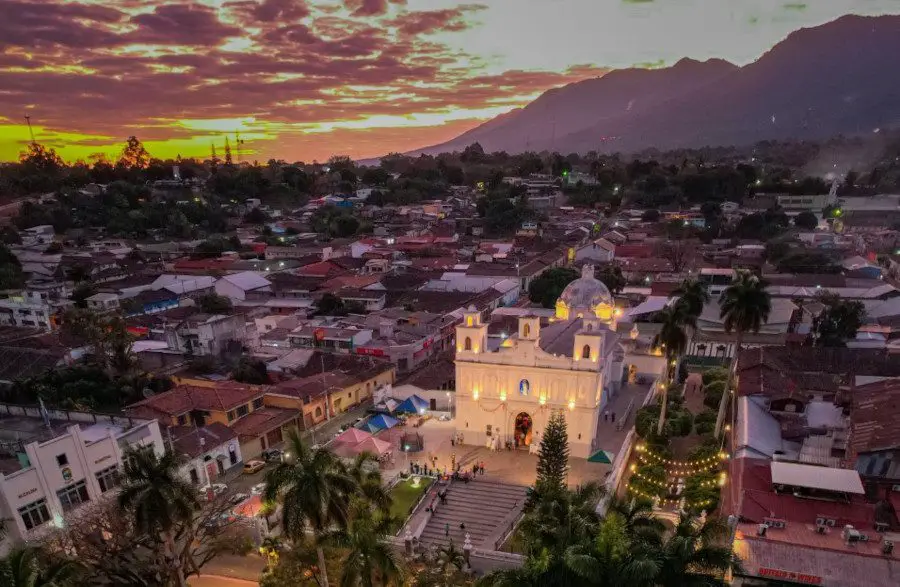
Ahuachapán brings a mix of colonial charm, local history, and natural wonders to La Ruta de Las Flores. Its historic center features beautiful architecture, traditional streets, and landmarks that reflect the city’s past.
You can stroll through Parque La Concordia, visit the historic Iglesia Nuestra Señora de la Asunción, or explore the local markets to experience everyday life in this western Salvadoran city.
Beyond its historic attractions, Ahuachapán is known for Los Ausoles, an impressive geothermal area with steaming vents and bubbling mud pools. Many visitors explore these natural wonders while discovering the city’s cultural heritage.
Things to Do Along the Ruta de Las Flores
There’s much more to explore along La Ruta de Las Flores than just town squares. You can enjoy outdoor adventures, discover local traditions, try delicious Salvadoran food, and visit coffee farms to learn how locals grow and produce their famous coffee.
Explore Historic Centers and Local Markets
As you explore the towns, you’ll discover colorful buildings, historic churches, local shops, and a glimpse of everyday Salvadoran life. You can also visit traditional markets, shop for regional products, and chat with friendly local vendors.
Visit Coffee Plantations
Coffee has played a big role in shaping the region’s economy and landscape for generations. You can tour local coffee plantations to see how farmers grow, harvest, and process coffee beans while learning what goes into producing Salvadoran coffee.
Visit the Juayua Food Festival
Visiting the Juayúa Food Festival is one of the best things to do along La Ruta de Las Flores. Every weekend, the town comes alive with food stalls serving traditional Salvadoran dishes and local specialties.
You can try grilled meats, seafood, pupusas, and other delicious foods while enjoying the lively atmosphere. Many visitors make Juayúa a weekend stop to experience its popular food festival.
Discover Natural Attractions
The Ruta de Las Flores mountainous landscape offers plenty of waterfalls, streams, and lush forests to explore. If you love nature, you can take guided hikes to reach hidden spots or enjoy shorter trips to attractions near the towns.
Try the 7 Waterfalls Hiking Trip
The Seven Waterfalls Hike near Juayúa is one of the best outdoor adventures along La Ruta de Las Flores. If you want to burn some calories after enjoying the town’s delicious food, or simply love exploring nature, this hike might be perfect for you.
The challenging six-hour trek takes you through lush forests, coffee plantations, rocky trails, and streams before reaching seven beautiful waterfalls. Along the way, you can enjoy spectacular mountain scenery and take a refreshing dip in natural pools.
Explore Los Chorros de la Calera Waterfall
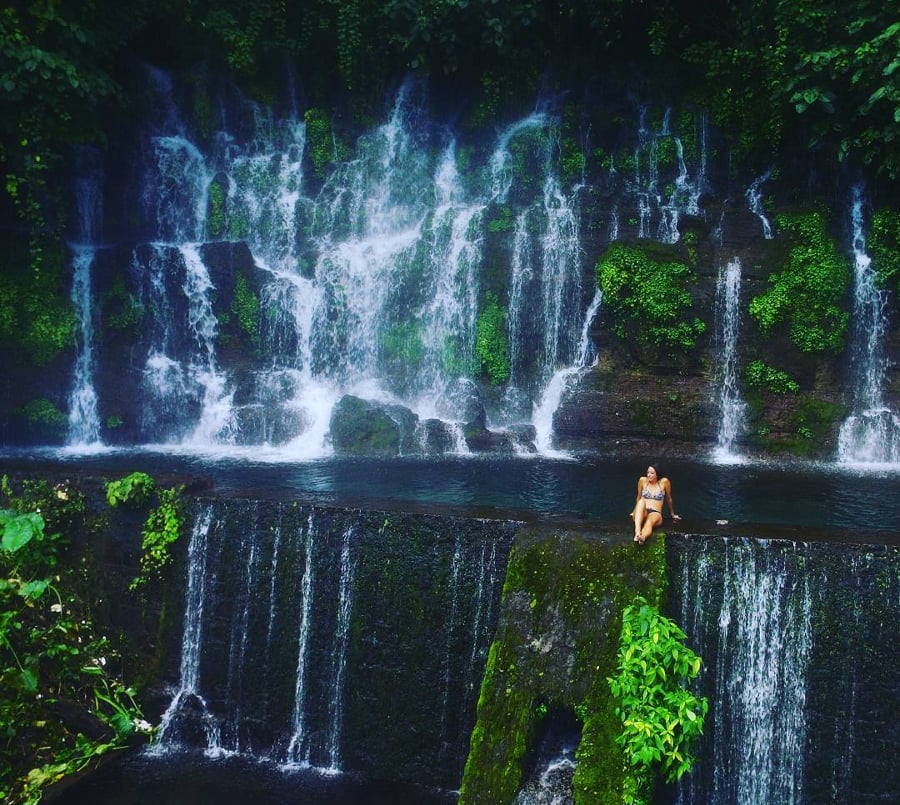
If you’re not up for the challenging Seven Waterfalls Hike, visiting Los Chorros de la Calera near Juayúa is another great way to enjoy the natural beauty of La Ruta de Las Flores.
These beautiful cascading waterfalls sit just outside town, surrounded by lush vegetation and rocky formations. The hike takes you through scenic trails, coffee plantations, and forested areas.
At this beautiful waterfall, you can swim and enjoy the scenery as well as the local flora and fauna surrounding it.
Go Canopying and Zip-Lining in Apaneca
Zip-lining and canopy tours in Apaneca offer one of the most thrilling adventures along La Ruta de Las Flores. If you’re looking for an adrenaline rush, this is a great way to add some excitement to your trip.
You can soar above the treetops, coffee plantations, and green valleys while enjoying spectacular views of the surrounding mountains and forests. The cool mountain weather and beautiful scenery make the experience even more enjoyable.
Experience Traditional Salvadoran Food
Food is a big part of the Ruta de Las Flores experience. As you explore the towns along the route, you can enjoy delicious pupusas, tamales, yuca, traditional sweets, and other Salvadoran favorites at local restaurants and street food stands.
Shop for Local Handicrafts
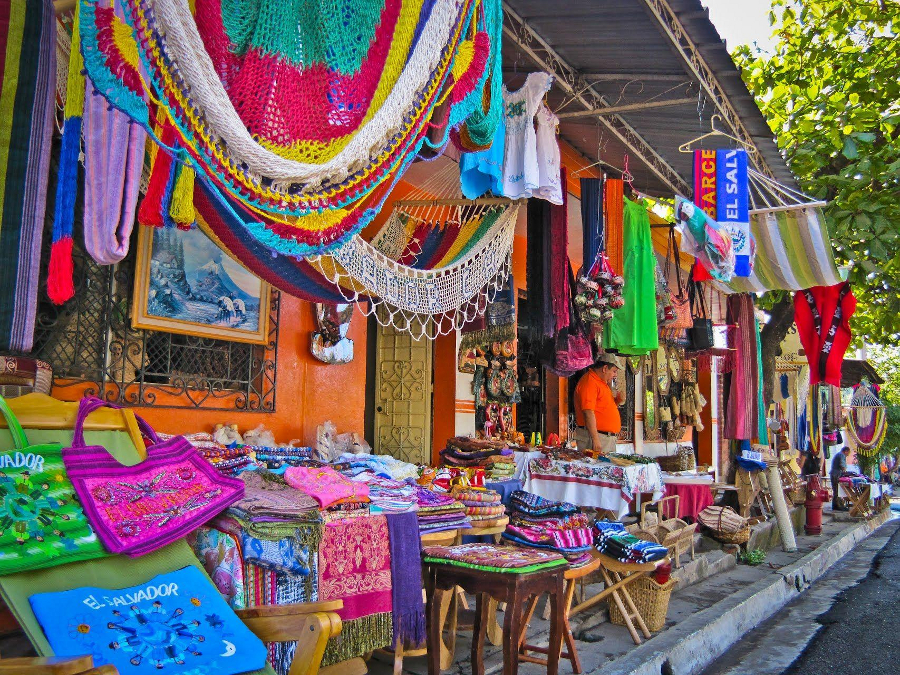
Local artisan shops offer everything from woven baskets and textiles to pottery, decorations, and handmade souvenirs. When you buy directly from local artisans, you help keep traditional crafts alive while supporting small businesses in the community.
Explore Laguna Verde
Laguna Verde, near Apaneca, is a beautiful volcanic crater lagoon surrounded by lush forests and mountain scenery. You can enjoy the cool weather, take in the peaceful surroundings, and spend some time relaxing in nature.
History and Cultural Significance of the Ruta de Las Flores
Long before tourism took off in the area, Indigenous communities lived in the region and developed traditions that still shape local culture. Towns like Nahuizalco keep this heritage alive through traditional crafts, customs, and community celebrations.
Later on, coffee farming changed the surrounding mountains and became an important part of the local economy. Coffee plantations helped shape the region’s identity and continue to influence everyday life.
Today, tourism brings new opportunities to these communities. Visitors support local restaurants, hotels, artisans, tour guides, and small businesses.
When Is the Best Time to Visit the Ruta de Las Flores?
The Ruta de Las Flores welcomes visitors throughout the year, although weather conditions can influence outdoor activities. El Salvador generally experiences a dry season and a rainy season.
The best time to explore the Route of Flowers is during the dry season, from November to April. With plenty of sunshine and little rain, you can comfortably walk through the towns, enjoy scenic drives, and explore outdoor attractions.
The rainy season, from May to October, brings dense green landscapes and cooler, wetter afternoons. You can still enjoy the route, but plan outdoor activities for the morning and prepare for occasional afternoon showers.
Weekends bring a lively atmosphere, especially in Juayúa, where the popular food festival attracts plenty of visitors. If you prefer fewer crowds and a more relaxed experience, visit during the week.
How to Get to the Ruta de Las Flores
The Ruta de Las Flores is accessible from several major destinations in El Salvador. Most travelers arrive by private vehicle, organized excursion, or a combination of public transportation services.
Visitors traveling from San Salvador can reach the region by heading west toward Sonsonate and continuing into the mountains. The journey provides opportunities to explore other attractions along the way.
A private vehicle offers flexibility for visiting several towns and stopping at scenic viewpoints. Public buses also serve communities in the region, although schedules and connections require additional planning.
Suggested Ruta de Las Flores Itineraries
How much time you need depends on what you want to see and how you like to travel. You can explore the highlights in one day, but staying longer gives you more time to enjoy the local culture, outdoor adventures, and charming towns.
One-Day Itinerary: Begin in Nahuizalco, continue through Salcoatitán, and stop in Juayúa for lunch. Spend the afternoon exploring Apaneca and Concepción de Ataco before returning to your starting destination.
Two-Day Itinerary: Dedicate the first day to Nahuizalco, Salcoatitán, and Juayúa. On the second day, explore Apaneca, visit nearby natural attractions, and spend time discovering Concepción de Ataco.
Three-Day Itinerary: A three-day visit allows travelers to explore the towns at a slower pace. Additional time makes it easier to include coffee tours, waterfall excursions, and relaxed evenings in the mountains.
Where to Stay Along the Ruta de Las Flores
Along La Ruta de Las Flores, you’ll find plenty of places to stay, from small hotels and cozy guesthouses to mountain cabins and countryside retreats. Juayúa, Apaneca, and Concepción de Ataco are popular choices for exploring the area.
If you enjoy walking around town, visiting local restaurants, and exploring nearby attractions, look for accommodations close to the main plaza. For a quieter option, choose a countryside property surrounded by coffee plantations and beautiful mountain views.
Why the Ruta de Las Flores Is One of El Salvador’s Must-Visit Destinations
The Ruta de Las Flores brings together some of western El Salvador’s most appealing experiences. Its mountain scenery, traditional communities, local gastronomy, and coffee heritage create a destination with lasting character.
Whether you spend a day exploring colorful towns or several days visiting waterfalls and coffee farms, La Ruta de Las Flores gives you a chance to experience the traditions, culture, and natural beauty that make El Salvador special.