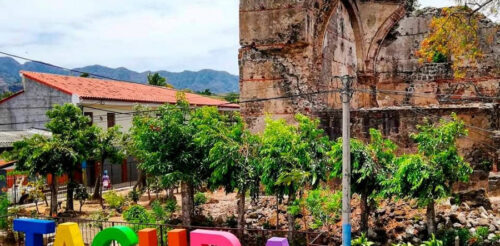
Suchitoto El Salvador.
Suchitoto El Salvador is a charming historic town known for its cobblestone streets, colonial-style architecture, cultural traditions, and scenic views of Lake Suchitlán in the department of Cuscatlán.
Located about 47 kilometers northeast of San Salvador, Suchitoto offers visitors a different side of the country, where historic buildings, local art, and everyday Salvadoran life come together.
Whether you’re interested in history, nature, traditional food, or simply exploring somewhere new, Suchitoto has plenty to offer. Its relaxed atmosphere makes it a favorite destination for day trips and weekend getaways.
- Where Is Suchitoto, El Salvador?
- The History of Suchitoto
- Suchitoto’s Colonial Architecture and Historic Center
- Best Things to Do in Suchitoto
- Lake Suchitlán and Natural Attractions
- Suchitoto’s Culture and Traditions
- Traditional Food and Gastronomy in Suchitoto
- Tourism in Suchitoto
- How to Get to Suchitoto
- Best Time to Visit Suchitoto
Where Is Suchitoto, El Salvador?
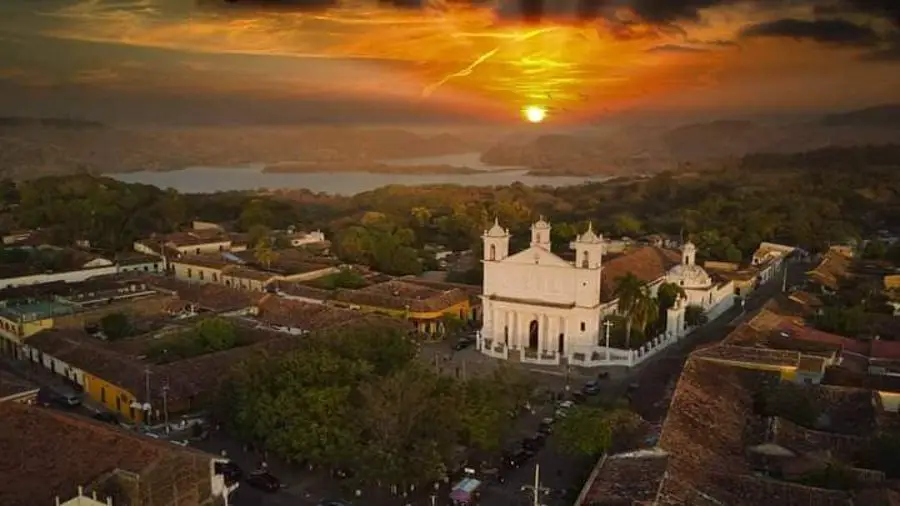
Suchitoto is located in central El Salvador, in the department of Cuscatlán, approximately 47 kilometers northeast of San Salvador. The town sits on elevated terrain overlooking Lake Suchitlán.
Its location makes it easily accessible from the capital. Suchitoto offers a quieter atmosphere compared to the country’s larger urban centers. The surrounding countryside features rolling hills, agricultural landscapes, and small rural communities.
You can explore Suchitoto’s historic center easily on foot. The central plaza, churches, restaurants, art galleries, and traditional houses are within walking distance.

The History of Suchitoto
Suchitoto history stretches back to the pre-Hispanic period, although the town’s present-day identity reflects centuries of colonial settlement, political changes, agricultural activity, and cultural development.
The name Suchitoto comes from Nahuat-related roots and is commonly interpreted as “Place of Flowers and Birds.” The name reflects the Indigenous heritage associated with the region.
Suchitoto During the Colonial Period
Suchitoto played an important role in the development of central El Salvador. During the colonial period, the settlement grew as an agricultural and commercial center serving surrounding communities.
The town also has historical connections to the early development of San Salvador. Spanish colonial settlement in the region underwent several relocations before the capital became established in its present location.
Suchitoto later developed its own civic and religious institutions. In 1858, the settlement received the title of city, reflecting its importance during the nineteenth century.
Suchitoto and El Salvador’s Civil War
During El Salvador’s civil war from 1980 to 1992, Suchitoto and nearby communities experienced armed conflict, displacement, and significant social disruption.
The war affected families throughout the region, leaving lasting memories that remain part of local history. Some surrounding communities also became important sites of wartime activity.
Following the 1992 Peace Accords, residents, cultural organizations, and local businesses helped revive the town’s historic center and promote cultural activities.
Today, Suchitoto’s museums, community initiatives, and historical sites offer opportunities to learn about this difficult period and its impact on Salvadoran society.
Suchitoto’s Colonial Architecture and Historic Center
One of Suchitoto’s most recognizable features is its historic architecture. Traditional houses, tiled roofs, wooden doors, and cobblestone streets give the town much of its distinctive character.
Although visitors often describe it as a Suchitoto colonial town, its architectural heritage includes buildings and features from both the colonial and republican periods.
Santa Lucía Church and Central Plaza
The Santa Lucía Church stands beside Suchitoto’s central plaza and serves as one of the town’s most recognizable landmarks. Its facade and architectural details attract visitors throughout the year.
The present church dates to the nineteenth century and remains an important part of local religious life. Its location also makes it a natural starting point for exploring the historic center.
The central plaza is surrounded by restaurants, small shops, and traditional buildings, creating a welcoming space for exploration and relaxation.
Cobblestone Streets and Traditional Houses
Walking through Suchitoto offers an opportunity to appreciate architectural details that have disappeared from many modern urban areas.
Colorful facades, interior courtyards, ironwork, and clay-tile roofs contribute to the town’s historic appearance. Many traditional buildings now house cafés, galleries, accommodations, and cultural organizations.
Exploring the smaller streets away from the central plaza can be particularly rewarding. These quieter areas reveal more of the town’s residential character and everyday routines.
The Best Things to Do in Suchitoto
Suchitoto attractions range from historic landmarks and cultural centers to natural landscapes and outdoor activities. You can combine several attractions without traveling far from the town center.
Explore the Historic Center
Walking around the historic center is one of the simplest ways to experience Suchitoto. The central plaza, surrounding streets, and traditional buildings offer plenty to discover.
You can stop for coffee, browse local shops, photograph historic architecture, or simply enjoy the town’s atmosphere. Early mornings and late afternoons are especially pleasant for walking.

Visit Museums and Cultural Centers
Suchitoto has developed a reputation as an important cultural destination in El Salvador. Its galleries, museums, and cultural organizations contribute to the town’s artistic identity.
The Centro Arte para la Paz, housed in a former convent, is among its best-known cultural institutions. It promotes education, artistic expression, and community development.
Visitors may also encounter exhibitions, workshops, and cultural presentations that explore Salvadoran art, traditions, and history.
Discover Traditional Indigo Workshops
Indigo dyeing is one of the cultural experiences associated with Suchitoto. The natural blue dye, known locally as añil, has deep historical roots in El Salvador.
Some local workshops give visitors a chance to try traditional dyeing techniques and see how artisans use indigo to create beautiful colors and patterns on fabric.
These hands-on experiences bring visitors closer to local craftsmanship and help keep traditions alive for future generations.
Explore the Guazapa Volcano
Exploring the nearby Guazapa mountains is a great outdoor activity in the Suchitoto area. You can either hike on foot or ride horseback.
The Guazapa mountains were instrumental during the civil war of the 1980s. These mountains were a stronghold of the FMLN guerillas during the conflict. Therefore, along the trail, you will see shelters created in the ground, bomb craters, and, of course, clandestine cemeteries.
Local guides who lead these tours know every aspect of the forest and will share their knowledge of the conflict. However, most local guides are not bilingual, so if you don’t speak Spanish, you might not get everything from the trip.
Usually, I don’t like recommending companies, but this is an exception. If you don’t speak Spanish but want to explore these mountains. Get in touch with Gringo Tours; they are a local tour company in Suchitoto that offers bilingual services.

Visit La Ciudad Vieja
Located near Suchitoto, Ciudad Vieja marks the original site of San Salvador, El Salvador’s capital. This historic settlement offers a glimpse into the country’s early colonial history and archaeological heritage.
Spanish settlers first established San Salvador in 1525 but abandoned the settlement following Indigenous resistance. In 1528, they reestablished the city at what is now known as Ciudad Vieja.
For many years, Ciudad Vieja remained neglected and privately owned. In the 1970s, the Salvadoran Academy of History helped arrange the land’s purchase, bringing the historic site under government ownership.
In 1975, a legislative decree recognized Ciudad Vieja as a National Historic Site, highlighting its importance in preserving El Salvador’s colonial history and the remains of its earliest settlements.
Since 2014, efforts to improve Ciudad Vieja as an archaeological site have included proposals to preserve and reconstruct its original foundations, helping visitors better understand and appreciate its history.
Take a Civil War Tour
In Suchitoto, you can take a special tour to learn about El Salvador’s Civil War during the 1980s, a conflict that claimed the lives of tens of thousands of Salvadorans.
The Suchitoto area played an important role during the war, and today, visitors can explore former conflict zones through two main tours: the Cinquera Civil War Tour and the Guazapa Volcano Civil War Tour.
Cinquera, a small town in the Cabañas department about 17 kilometers from Suchitoto, served as a guerrilla stronghold during the war. Its dense forests provided shelter from bombings and military attacks, but the conflict devastated the community, forcing families to flee and leaving many without homes or loved ones.
Today, visitors can explore the Cinquera Forest Reserve, where former guerrilla fighters lead tours along old trails, campsites, makeshift hospitals, and other wartime sites. Along the way, they share personal stories about life during the conflict.
Another option is the Guazapa Volcano Civil War Tour, which takes visitors through a mountain that once served as a major guerrilla stronghold and witnessed intense fighting.
During the tour, you can hike through former conflict areas, explore trenches, makeshift hospitals, and hidden cemeteries, and learn about the difficult conditions people faced during the war.
Both tours offer a chance to explore an important chapter of El Salvador’s history, hear firsthand accounts, and better understand how the Civil War affected local communities.

Lake Suchitlán and Natural Attractions
Beyond its historic streets, Suchitoto has beautiful natural landscapes where visitors can enjoy outdoor activities, take photos, and go birdwatching.
Lake Suchitlán
Lake Suchitlán is one of the area’s most important natural-looking landmarks, although it is actually an artificial reservoir created by the Cerrón Grande hydroelectric dam.
The reservoir stretches across parts of central and northern El Salvador, surrounded by hills, vegetation, and rural communities.
Visitors can enjoy scenic views, take boat excursions, and observe birds in suitable areas. The lake also supports fishing and other activities important to nearby communities.
The water level changes throughout the year, influencing the landscape and access to certain locations. Boat services and recreational activities may also vary depending on conditions.

Los Tercios Waterfall
Los Tercios Waterfall is another well-known attraction near Suchitoto. The site is particularly interesting because of its unusual rock formations.
Its geometric columns of volcanic rock create a distinctive landscape, even when the waterfall has little or no flowing water.
During the rainy season, water may flow over the formations, adding another dimension to the scenery. Visitors should exercise caution because the rocky terrain can become slippery.

Birdwatching and Outdoor Activities
The landscapes around Lake Suchitlán attract a variety of birds, making the area a great spot for birdwatching and enjoying nature.
Visitors can also take boat rides, explore the countryside on foot, and stop by nearby communities to discover more of Suchitoto beyond its historic center.
Many visitors combine cultural sightseeing in the morning with outdoor activities later in the day, creating a varied experience without traveling long distances.
Suchitoto’s Culture and Traditions
Culture plays an important role in Suchitoto’s identity. The town has become known for its artistic activities, traditional celebrations, religious customs, and community involvement.
Local Festivals and Religious Celebrations
Religious celebrations remain an important part of local life. Suchitoto honors Santa Lucía, its patron saint, with festivities traditionally held in December.
These celebrations bring together religious observances, community gatherings, music, and other cultural activities.
Holy Week also holds significance in Suchitoto, as residents participate in Catholic traditions observed throughout El Salvador.
Art, Music, and Community Life
Art has contributed to Suchitoto’s cultural revival, particularly since the end of the civil war. Local and visiting artists have helped establish creative spaces and cultural programs.
The town’s connection to theater, visual arts, literature, and music gives visitors opportunities to experience Salvadoran creativity outside the country’s larger cities.
Cultural events may change from year to year, but the town’s artistic identity remains an important part of its appeal.
Traditional Food and Gastronomy in Suchitoto
Food is another enjoyable part of visiting Suchitoto. Restaurants, cafés, and small eateries serve a combination of traditional Salvadoran dishes and contemporary cuisine.
Visitors can find pupusas, tamales, yuca frita, traditional soups, and other familiar foods prepared with local ingredients.
Some restaurants occupy restored historic buildings, offering meals in courtyards or terraces overlooking the surrounding landscape.
Coffee is also part of the experience. Several cafés provide comfortable places to relax between visits to the town’s historic and cultural attractions.
For travelers interested in everyday Salvadoran life, small local eateries can offer a different experience from restaurants primarily serving tourists.
Tourism in Suchitoto
Suchitoto brings together rich history, beautiful natural attractions, and the friendly atmosphere of a small town. Salvadoran families, international visitors, photographers, and history lovers come here to explore its charm.
Unlike El Salvador’s beach destinations, Suchitoto invites visitors to slow down, stroll along its cobblestone streets, explore historic landmarks, and experience local traditions firsthand.
Day Trips and Overnight Visits
Many visitors travel to Suchitoto for a day, particularly from San Salvador. A day trip provides enough time to explore the central plaza, visit cultural sites, and enjoy a traditional meal.
However, spending a night allows travelers to experience the town at a slower pace. Evenings and early mornings offer a different atmosphere once many day visitors have departed.
Suchitoto has boutique hotels, guesthouses, and other small accommodations, including properties inside restored historic buildings.
How to Get to Suchitoto
Suchitoto is accessible by road from San Salvador and other parts of central El Salvador. Travelers can reach the town using private vehicles, organized transportation, or public buses.
Traveling From San Salvador
The drive from San Salvador generally takes about one to one and a half hours, depending on traffic, road conditions, and the chosen route.
Visitors traveling by car can explore the historic center before continuing to nearby attractions such as Lake Suchitlán or Los Tercios.
Public transportation is another option, although bus routes, schedules, and connections should be confirmed before departure.

Best Time to Visit Suchitoto
Suchitoto can be visited throughout the year, but weather conditions influence the experience, especially for outdoor activities.
El Salvador’s dry season typically runs from November through April. During these months, you’ll enjoy less rain and more predictable weather, making it easier to explore the town.
The dry season is also a great time to stroll through historic streets, visit outdoor attractions, and take in beautiful views from scenic viewpoints.
The rainy season runs from May through October, bringing lush green landscapes and stronger water flows at nearby waterfalls.
Mornings are usually a good time to explore and enjoy the sights before afternoon showers roll in and put outdoor plans on hold.
Travelers visiting during this period should bring rain protection and check local conditions before exploring natural attractions.
Suchitoto: A Town That Preserves El Salvador’s Heritage
Suchitoto offers more than beautiful streets and historic buildings. Its traditions, cultural institutions, and surrounding landscapes tell an important part of El Salvador’s story.
Visitors can wander through old neighborhoods, learn about local history, try traditional Salvadoran food, or enjoy the beautiful views of Lake Suchitlán.
If you want to explore a different side of El Salvador beyond its beaches and busy cities, Suchitoto offers a great mix of history, culture, and everyday Salvadoran life.