El Salvador Departments divide the country into 14 administrative regions, each with its own history, geography, traditions, and local attractions. Together, they reveal just how diverse this small Central American nation can be.
From the beaches of La Libertad to the mountains of Chalatenango, each department is different in its own way. Some are tourist destinations; others are notable for agriculture, commerce, cultural heritage, or simply the way of life in the community.
Understanding the divisions of departments clarifies how El Salvador functions. The government’s structure connects national, departmental, and municipal authorities.
How Many Departments Does El Salvador Have?
El Salvador is divided into 14 departments, which are grouped into three geographic zones: western, central, and eastern. This system helps organize the country and makes it easier to understand its different regions.
Each department has a capital city, also known as its cabecera departamental. These cities are important centers for administration, business, and transportation in their areas.
The country’s departments are further divided into 44 municipalities and 262 districts, following a territorial restructuring that took effect in 2024. Previously, El Salvador had 262 municipalities.
The Legislative Assembly of El Salvador approved the restructuring in 2023. Although municipal boundaries and administrative responsibilities changed, the country’s 14 departments remained intact.
List of the 14 Departments of El Salvador and Their Capitals
The departments stretch from the Guatemalan border in the west to the Gulf of Fonseca in the east. Their capitals often share the same name as their departments.
| Geographic Zone | Department | Departmental Capital | Population (2024) |
|---|---|---|---|
| Western | Ahuachapán | Ahuachapán | 348,880 |
| Western | Santa Ana | Santa Ana | 552,938 |
| Western | Sonsonate | Sonsonate | 470,455 |
| Central | Chalatenango | Chalatenango | 185,930 |
| Central | La Libertad | Santa Tecla | 765,879 |
| Central | San Salvador | San Salvador | 1,563,371 |
| Central | Cuscatlán | Cojutepeque | 244,901 |
| Central | La Paz | Zacatecoluca | 318,374 |
| Central | Cabañas | Sensuntepeque | 143,049 |
| Central | San Vicente | San Vicente | 161,857 |
| Eastern | Usulután | Usulután | 325,494 |
| Eastern | San Miguel | San Miguel | 447,634 |
| Eastern | Morazán | San Francisco Gotera | 169,784 |
| Eastern | La Unión | La Unión | 224,375 |
| Total Population | 5,922,921 | ||
These capitals aren’t necessarily the largest economic centers in their departments. Some smaller cities hold administrative importance, while nearby urban areas attract more businesses, residents, and visitors.
Western El Salvador: Three Departments with Volcanoes, Coffee, and Coastal Towns
Western El Salvador is made up of Ahuachapán, Santa Ana, and Sonsonate. This area features volcanic scenery, coffee plantations in the highlands, archaeological sites, traditional towns, and some of the country’s most famous natural attractions.
Ahuachapán Department
Ahuachapán sits along El Salvador’s western border with Guatemala. Its mountains, coffee plantations, geothermal activity, and colorful towns make it an appealing destination for travelers interested in nature and culture.
The towns of Concepción de Ataco and Apaneca form part of the famous Ruta de las Flores. Visitors come for their murals, mountain scenery, local food, and coffee traditions.
Santa Ana Department
Santa Ana is one of western El Salvador’s busiest economic and cultural hubs. Its capital welcomes visitors with historic buildings, lively public spaces, and the beautiful Santa Ana Cathedral.
Outside the city, you can hike Santa Ana Volcano, relax by Lake Coatepeque, or explore the ancient ruins of Tazumal. These attractions offer a great mix of natural beauty, adventure, and history.
Sonsonate Department
Sonsonate stretches from the Pacific coast into the western highlands. The department has strong agricultural traditions, historic towns, popular beaches, and communities known for preserving cultural customs.
In Nahuizalco and Izalco, you can visit local markets and join in traditional celebrations. On the coast, Los Cóbanos draws people who enjoy marine life, snorkeling, and relaxing by the sea.

Central El Salvador: Seven Departments with Cities, Mountains, and Historic Towns
Central El Salvador has seven departments, including the country’s political and economic center. The region offers a mix of busy cities, farming communities, mountain scenery, and historic towns.
Chalatenango Department
Chalatenango is a mountainous region in northern El Salvador, right next to Honduras. The department has cool highlands, forests, and rivers. The small towns give visitors a unique experience compared to the country’s busy cities.
Many visitors head to La Palma for traditional handicrafts or explore the surroundings of El Pital, one of El Salvador’s best-known highland destinations.
La Libertad Department
La Libertad combines expanding urban areas with some of El Salvador’s most visited Pacific beaches. Santa Tecla serves as the departmental capital, while coastal communities support tourism and fishing.
El Tunco, El Zonte, and other beaches attract surfers and weekend travelers. The department also includes important archaeological attractions, such as Joya de Cerén and San Andrés.
San Salvador Department
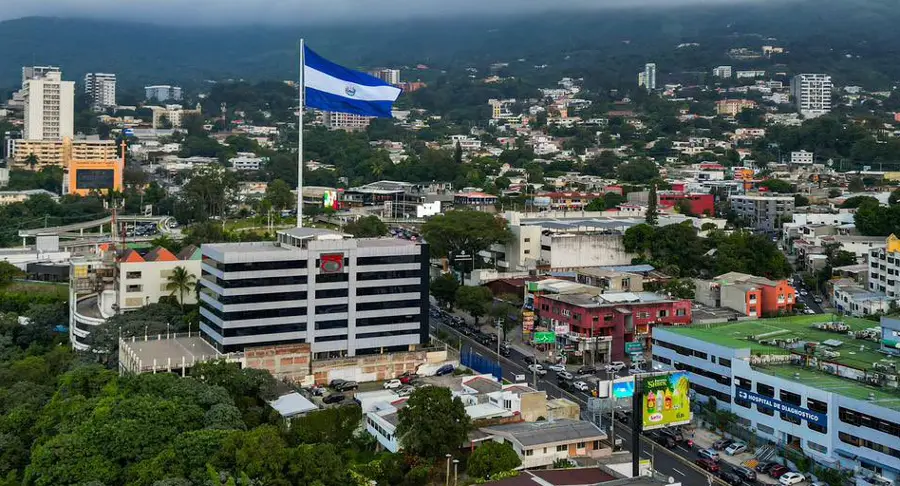
San Salvador hosts the national capital and is part of the country’s largest metropolitan area. Many government offices, universities, businesses, museums, and cultural sites are located here.
Visitors can walk through the capital’s historic center, see the National Palace, or explore volcanic landscapes nearby. This area is also important for transportation and business.
Cuscatlán Department
Cuscatlán is located near the center of El Salvador. Its capital, Cojutepeque, is famous for traditional sausages, and the nearby towns are known for their strong agricultural and cultural traditions.
Suchitoto is another major attraction, known for its colonial-era architecture, cobblestone streets, cultural activities, and views of Lake Suchitlán. Many travelers visit for a quieter experience.
La Paz Department
La Paz stretches from the central part of the country to the Pacific Ocean. The local economy relies on agriculture, commerce, tourism, and jobs related to coastal communities and transport.
The department includes Costa del Sol, a popular beach destination, and the town of Olocuilta, famous for its rice-flour pupusas. Zacatecoluca serves as the departmental capital.
Cabañas Department
Cabañas is a predominantly rural department in north-central El Salvador. Agriculture, small businesses, local commerce, and traditional community activities remain important parts of its economic and social life.
Sensuntepeque serves as its capital, while Ilobasco is particularly known for pottery and miniature clay figures. The department offers a closer look at small-town Salvadoran traditions.
San Vicente Department
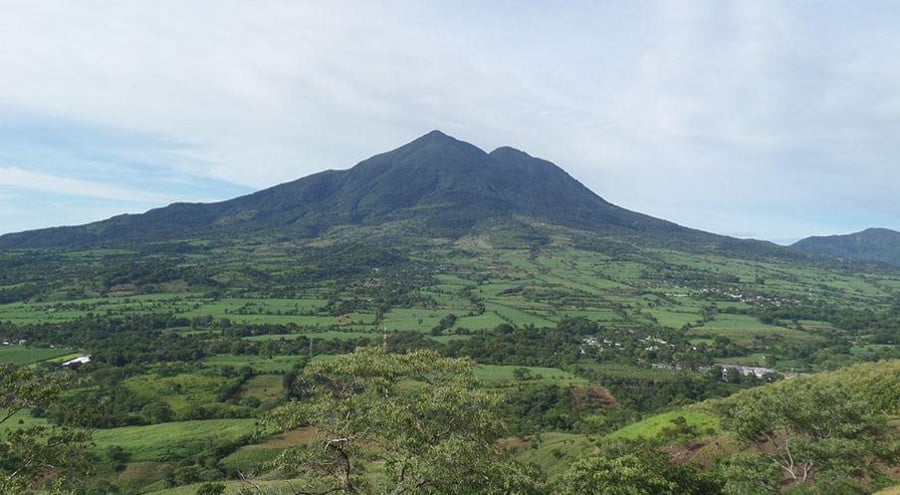
San Vicente sits in central El Salvador and features agricultural valleys, historic communities, and volcanic scenery. The San Vicente Volcano, also called Chichontepec, dominates much of the surrounding landscape.
The capital of the department keeps its historic landmarks, like the well-known clock tower. Visitors can explore the countryside and discover the area’s farming and cultural traditions.
Eastern El Salvador: Four Departments with Beaches, Mountains, and Cultural Heritage
Eastern El Salvador is made up of Usulután, San Miguel, Morazán, and La Unión. Together, these departments take up much of the region and are known for their beaches, volcanoes, and historic towns.
Usulután Department
Usulután runs from volcanic highlands all the way to the Pacific coast. People here rely on agriculture, fishing, commerce, and tourism, and the area is home to important wetlands and coastal ecosystems.
Visitors can explore Jiquilisco Bay, known for its mangroves and wildlife, or travel to Alegría, a highland town near a scenic volcanic crater lake.
San Miguel Department
San Miguel is a major commercial and cultural center in eastern El Salvador. Its capital is one of the country’s largest cities and hosts the well-known San Miguel Carnival.
The San Miguel Volcano, also called Chaparrastique, rises above the surrounding landscape. Coastal areas such as El Cuco attract visitors looking for beaches and quieter seaside communities.
Morazán Department
Morazán is known for its mountains, forests, rural communities, and important connections to El Salvador’s civil war history. San Francisco Gotera serves as the departmental capital.
Perquín and nearby historic sites help visitors understand the country’s recent past. The Río Sapo area also attracts nature lovers interested in rivers, forests, and outdoor recreation.
La Unión Department
La Unión sits in the southeastern corner of El Salvador, next to Honduras and the Gulf of Fonseca. The local economy relies on fishing, commerce, agriculture, and activities at the port.
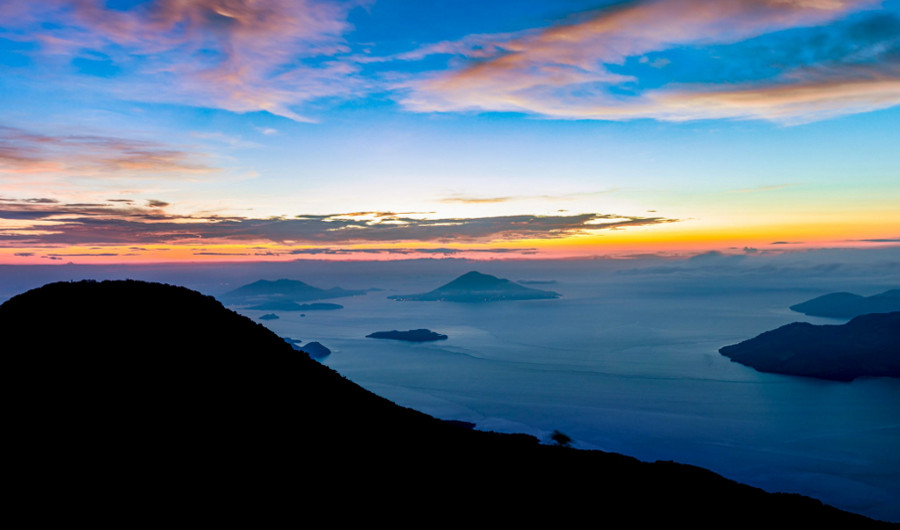
Visitors can discover the Conchagua Volcano, coastal towns, and islands in the Gulf of Fonseca. The area features unique scenery and views of nearby Central American countries.
How El Salvador’s Departments Are Governed
El Salvador is a unitary republic, so national institutions have authority across the whole country. Departments serve as administrative divisions, not as independent states with their own legislative powers.
The national government appoints a governor for each department. These governors represent the executive branch and coordinate government activities and administration in their areas.
Municipal governments manage local matters through elected councils. After the 2024 restructuring, El Salvador has 44 municipalities, which now include the former 262 municipalities as districts.
For official information about administrative organization and public institutions, readers can consult the Ministry of Governance and Territorial Development and the Legislative Assembly.
Geography, Climate, and Economic Differences Between Departments
El Salvador is a small country, but its departments each have their own distinct landscapes. Features like volcanic mountains, fertile valleys, coastal plains, lakes, and forested highlands shape local economies and ways of life.
People living in the highlands of Chalatenango, Ahuachapán, and Santa Ana usually have cooler weather than those near the coast. In contrast, lower areas tend to stay warmer most of the year.
Economic activity also varies. San Salvador and La Libertad have major urban, commercial, and service sectors, while other departments depend more heavily on agriculture, small businesses, fishing, or tourism.
These differences affect transportation, job options, housing, and access to services. Even within the same department, urban and rural communities can have very different conditions.
Why El Salvador’s Departments Matter to Travelers
Knowing how the country is divided into departments helps you plan your trip. It lets you group attractions that are close together, find the best ways to get around, and explore places outside the main tourist spots.
If you like surfing, you’ll probably want to visit La Libertad or the eastern coast. If you’re more interested in volcanoes, coffee towns, or archaeological sites, you might spend more time in the west of El Salvador.
Culture also varies from one department to another. Each area has its own festivals, foods, crafts, and celebrations that show the unique history and traditions of that region.
The official tourism website of El Salvador provides additional destination information. Visitors can use it to explore attractions and learn more about the country’s different tourism regions.
Understanding Everyday Life Across El Salvador’s Departments
El Salvador’s departments are more than just lines on a map. They help us see how communities vary in jobs, transportation, housing, public services, and daily life.
Living in metropolitan San Salvador is often very different from living in a rural area like Cabañas or Morazán. Things like local infrastructure, job options, and community traditions all play a part in these differences.
Anyone considering relocation or a longer stay can explore what daily life is really like in El Salvador. Understanding regional differences helps people make better-informed decisions about where to settle.
Whether you’re researching the country or planning a visit, exploring its 14 departments reveals a broader picture of El Salvador, from its growing cities to its quieter rural communities.