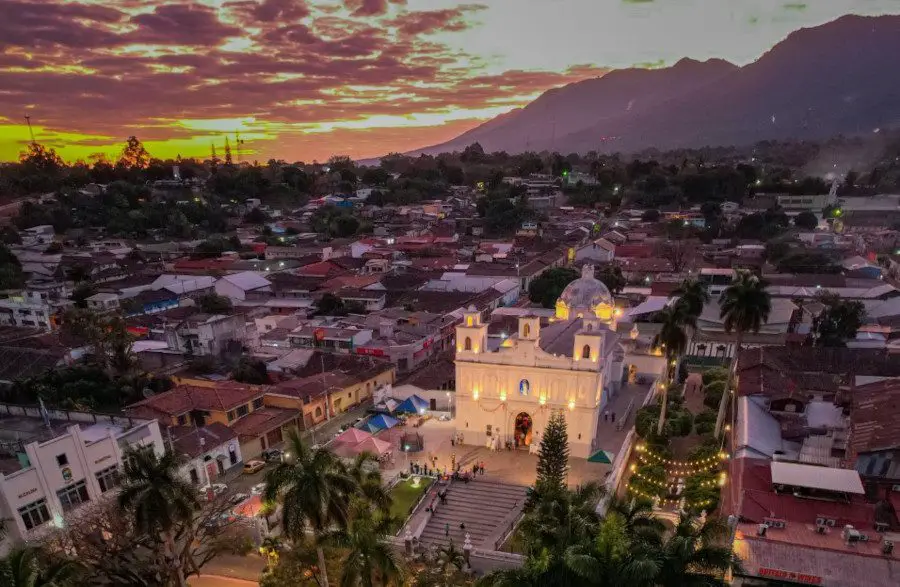
 City of Ahuachapan El Salvador.
Ahuachapán El Salvador is a historic city in the western part of the country. It’s famous for its geothermal activity and its traditional festivals. It’s a city that has a great deal to offer in the way of culture, history, and the natural environment.
As one of the most interesting cities to explore in El Salvador, Ahuachapán has a distinctive character shaped by its Indigenous heritage, colonial past, and surrounding volcanic landscape.
You can see the historic sites, get a feel for the local culture, and discover the various mountain towns in the area. It’s also a good base from which to head off to the natural and cultural attractions of western El Salvador.
Ahuachapán El Salvador
Ahuachapán is the capital of the Ahuachapán department—one of the westernmost departments of El Salvador. It is the main commercial, cultural, and administrative center for the area.
The town’s streets are a mix of traditional buildings, small businesses, public spaces, and residential areas. You get a real feel for life in the town from the markets and the everyday going on.
Ahuachapán is also linked to geothermal energy. The volcanic activity beneath the surface gives rise to natural steam vents and hot springs in the area, so it’s a place of interest for those wanting to look at the geology.
While many people visit the various mountain towns nearby, Ahuachapán offers its own attractions that are definitely worth experiencing. The historic center, the festivals, and the general ambiance of the place are all very much in their own right.
Where Is Ahuachapán Located?
Ahuachapán is in western El Salvador, about 100 km from San Salvador, right on the border with Guatemala, and is the capital of the department of the same name.
The landscape is comprised of agricultural valleys, volcanic country, coffee-growing areas, and mountain communities. All of these have an effect on the climate and the way of life of the people.
Ahuachapán City vs. Ahuachapán Department
Ahuachapán is the name of both the city and the department. The city is the capital of the department, and the department itself encompasses a number of towns, rural communities, natural attractions, and coastal areas.
Understanding that distinction is key when you’re planning a visit. Places like El Imposible National Park and Barra de Santiago are part of the wider department rather than the city.
History of Ahuachapán
Ahuachapán has a long history going back to the indigenous communities of western El Salvador. The name is of Nahuatl origin and is indicative of the area’s historical relationship with natural water sources.
Over the centuries, the city has been shaped by Indigenous traditions, Spanish colonialism, agricultural development, and commerce. The city’s historic buildings and the various cultural festivals that take place reflect that layered history.
Indigenous Origins and Heritage
Prior to Spanish arrival, the area was inhabited by Indigenous peoples as part of a wider cultural area which included Nahua-speaking peoples and other Indigenous groups.
The city’s name is linked to the Nahuatl language and is generally taken to mean “place of oaks” or “place of oak trees”. There are various historical interpretations as to what it precisely meant.
Indigenous influence is still part of the cultural fabric of the region. The place names, the traditional foods, the traditional farming methods, and the local customs all point to the fact that these people have been here for a very long time.
Things to Do in Ahuachapán
Ahuachapán offers plenty for tourists interested in history, architecture, culture, and nature. Many of the city’s main sights are in close proximity to one another, so it’s very easy to walk around and see them.
You could spend a morning just strolling through the historic center, looking at the public spaces and the way people go about their daily lives.
There are also the geothermal sites nearby, which give another view of the volcanic landscape.
Explore the Historic City Center
Ahuachapán’s historic center is a mixture of traditional architecture, commercial streets, churches, and public spaces. It’s a good place to walk through and get a feel for the town’s history and the way of life.
Small shops, food stalls, and the like run down the central streets. You can wander around at your own pace and see the old buildings alongside the more modern commercial activity.
Visit Parque Francisco Menéndez
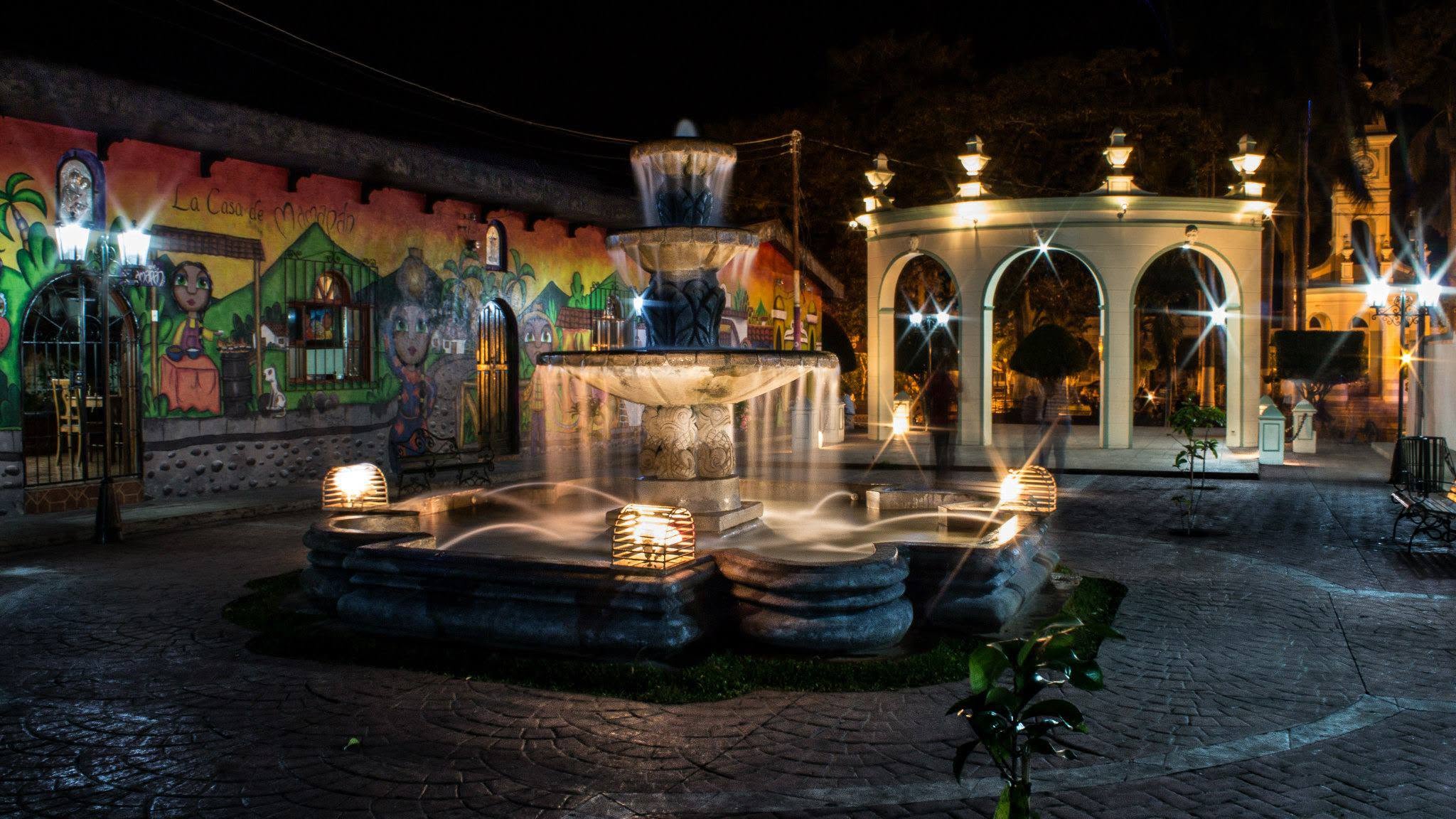
Parque Francisco Menéndez is one of the main public squares in Ahuachapán. It’s in the historic center, so it’s a perfect place to start from if you’re going to explore the surrounding areas and streets.
Residents use the area for socializing, for recreation, and for doing the everyday things you need to do.
Visitors can come along to enjoy the ambiance, look at the buildings, and get a real sense of what a significant part of the community life it is.
Discover Pasaje La Concordia
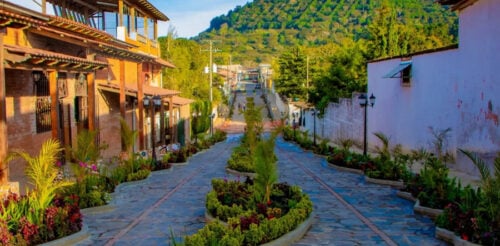
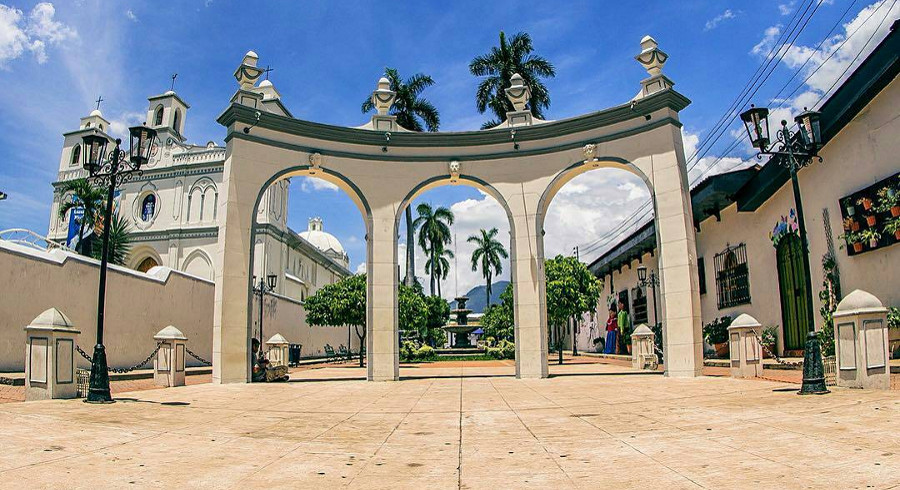
Pasaje La Concordia is a pedestrian passage in central Ahuachapán linking a number of key public spaces. It’s one of the city’s most recognizable urban features due to its very distinctive look.
The area is a great spot for a short walk, and the photos are excellent. It’s also in a location that makes it very easy to include as you’re already exploring the historic center and the various surrounding sights.
Visit the City’s Historic Churches
Religious buildings are a significant component of Ahuachapán’s architectural and cultural heritage. The churches are a clear manifestation of the influence of the Catholic tradition in the town’s development and in its festivals.
You can admire the exterior architecture and take in the surroundings. They are also still active places of worship, so it is important to be mindful of services and local customs.
Explore Los Ausoles Geothermal Area
Los Ausoles is one of the more distinctive natural features associated with Ahuachapán. It’s an area of geothermal activity—volcanic in origin—with steam vents and hot ground.
These are natural phenomena that demonstrate the powerful geothermal forces beneath western El Salvador. The same geothermal resources have also been utilized for electricity generation in the region.
Visitors wishing to see the geothermal activity should use the official access points and adhere to all local safety instructions. Steam vents, uneven ground, and very hot water are all potential hazards.
Culture and Traditions in Ahuachapán
Ahuachapán’s cultural identity is a blend of Indigenous roots, religious traditions, family customs, and community events. You can see all of that in the festivals, the food, and the way people live day to day.
Public spaces are essential to community life. Families gather for festivals, various vendors participate in events throughout the year, and religious traditions unite the community.
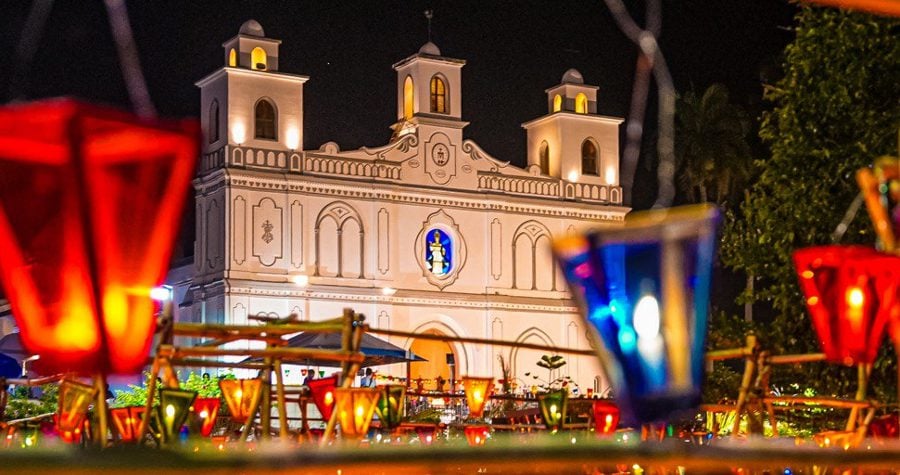
Día de los Farolitos
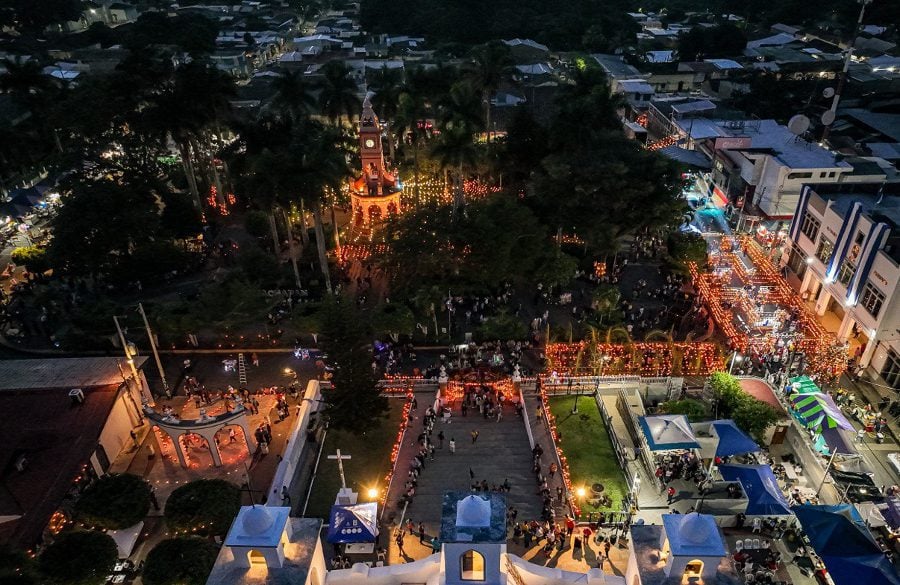
Día de los Farolitos is one of the most well-known cultural events in Ahuachapán. On September 7 each year, the streets, homes, and public areas are decorated with all sorts of lanterns and lights.
The tradition has religious origins in the celebration of the birth of the Virgin Mary. It has also become a significant expression of local identity and a marker of community involvement.
Visitors to the event can experience the festive atmosphere with the streets lit up and the traditional decorations in full force. It’s a great example of how a community can go about maintaining its cultural heritage.
Patron Saint Festivities
Ahuachapán also has its traditional religious celebrations, which bring the community together. These typically involve religious activities, community events, entertainment, and of course the chance to sample the local cuisine.
Patron saint celebrations are a reflection of the importance of faith and community in Salvadoran culture, and they also provide an opportunity for families and friends to get back together and re-establish those community links through the shared traditions.
Local Arts and Everyday Traditions
Beyond the official celebrations, Ahuachapán has a distinct cultural character evident in the markets, community activities, and traditional businesses.
It’s in the local crafts, the way the food is made, and the family events that you really get a sense of the character of the city.
So much of our tradition is passed on from one generation to the next through the everyday experience rather than through any formal event.
You can discover it all by simply going out and visiting the local businesses and engaging with the people in a respectful way.
Places to Visit Near Ahuachapán
Ahuachapán’s location makes it a good base for exploring western El Salvador. There are a number of places in the vicinity that offer mountain scenery, traditional towns, natural attractions, and the opportunity for some outdoor activities.
You can combine a visit to the city with trips into the surrounding area. Some places are ideal as a quick stop, others are definitely worth a few hours of your time.
Concepción de Ataco
Concepción de Ataco is a very colorful mountain town, famous for its murals, its handicraft shops, its coffee, and the general traditional feel of it. It’s located northeast of Ahuachapán.
Visitors can stroll through the streets, which are all decorated, have a chance to browse the local shops, and take in the views of the mountains surrounding the town. It’s also a popular stop along the Ruta de las Flores.
Apaneca
Apaneca is another mountain destination in the vicinity of Ahuachapán. It’s a place that appeals to those looking for nature and outdoor pursuits with the higher altitude, the coffee-growing areas, and the cooler climate.
The area is good for hiking, coffee country, and mountain scenery. Apaneca and Ataco are often visited together on a trip through western El Salvador.
El Espino Lagoon
El Espino Lagoon is a natural lake near Ahuachapán. The lake and the vegetation around it form a very peaceful scene, which is quite a contrast to the busy streets of the city.
The lake is a great place to take in the natural environment and the views of the surrounding area. It’s worth checking the current access and facilities prior to any activity.
Ruta de las Flores
The Ruta de las Flores is one of the most well-known tourist routes in western El Salvador. It links the mountain towns which are all renowned for their scenery, their coffee, their food and their culture.
Ahuachapán gives you good access to the western end of the route. You can while away the time in the surrounding towns, taking in the mountain roads, the traditional markets and the very particular scenery of the area.
How to Get to Ahuachapán
You can get to Ahuachapán by car, by public bus, or by private transport. From San Salvador, you’d typically drive west through Santa Ana and then on to Ahuachapán.
Travel times are very much dependent on traffic and road conditions. Driving is obviously the more flexible option, particularly if you’re planning to go and see some of the local towns and sights.
Public buses link Ahuachapán to the other towns in western El Salvador. Some of the routes will require a change, so it’s advisable to check the departure points and timetables locally prior to your trip.
Getting Around Ahuachapán
Walking is the way to explore parts of the historic center of Ahuachapán. A number of the main attractions, shops and public spaces are all within a fairly compact area.
For places outside the center, you can use local transport or arrange private travel. A car is very useful when you’re going to the geothermal areas, the mountain villages and the more rural locations.
Many people split their time between walking around the city and driving to the various outlying areas. That way you get to experience both the city itself and the surrounding countryside.
Best Time to Visit Ahuachapán
Ahuachapán welcomes visitors all year round, though the weather will dictate how much you’re able to do outdoors and see. The dry season (November to April) is generally the best time for that.
During this time, you can expect less rain and more sun, so it’s much easier to get around the historic center and between the various mountain villages.
On the other hand, the rainy season (May to October) brings greener landscapes but also a good deal of afternoon rain. You can still get around the city, just be prepared to be a bit more flexible with your outdoor plans.
September is a great time to experience the culture of the area thanks to Día de los Farolitos. If you’re after a real immersion in the local culture, then this is the time to go. Just be aware that it can be raining at this time of year.
Is Ahuachapán Worth Visiting?
Ahuachapán is undoubtedly worth a visit for travelers seeking a historic city, local flavor, and a less touristy destination in El Salvador.
The town has a number of attractions that showcase the western part of the country in a very different light. The city has historic streets, cultural events, and some rather unusual geothermal features.
The surrounding mountain towns and the natural landscape make it a very convenient base from which to go and explore more of western El Salvador.
You don’t need an overly elaborate itinerary to enjoy Ahuachapán. A stroll through the center, a traditional meal, and a visit to a few of the surrounding sights are quite sufficient to make it a worthwhile trip.
Whether you’re into Salvadoran culture, regional history, or indeed just want to go and see some of the new places, Ahuachapán is a great way of getting a feel for a part of the country that has its own distinct identity.
Ahuachapán gives you a taste of western El Salvador, but there’s much more to explore. Discover more amazing places to visit across El Salvador, from coastal communities to mountain towns and historic landmarks.