 Gulf of Fonseca El Salvador.
The Gulf of Fonseca El Salvador is one of the country’s most interesting coastal destinations. This Pacific inlet features volcanic islands, peaceful fishing communities, beautiful beaches, and impressive views across three Central American countries.
Located in eastern El Salvador, the gulf offers a different experience from the country’s popular surf beaches.
If you’re looking for less crowded destinations, the gulf deserves a place on your itinerary. It’s one of the many beautiful and interesting places to explore in El Salvador.

Where Is the Gulf of Fonseca Located?
The Gulf of Fonseca sits along Central America’s Pacific coast, where El Salvador, Honduras, and Nicaragua share its waters. With three countries surrounding it, the gulf stands out as a unique coastal destination in the region.
On the Salvadoran side, the gulf borders the department of La Unión. The city of La Unión serves as an important coastal center and a convenient starting point for exploring nearby islands.
The gulf stretches across roughly 3,200 square kilometers and opens into the Pacific Ocean to the south. Along its coastline, you’ll find bays, mangrove forests, rocky shores, and small fishing villages.
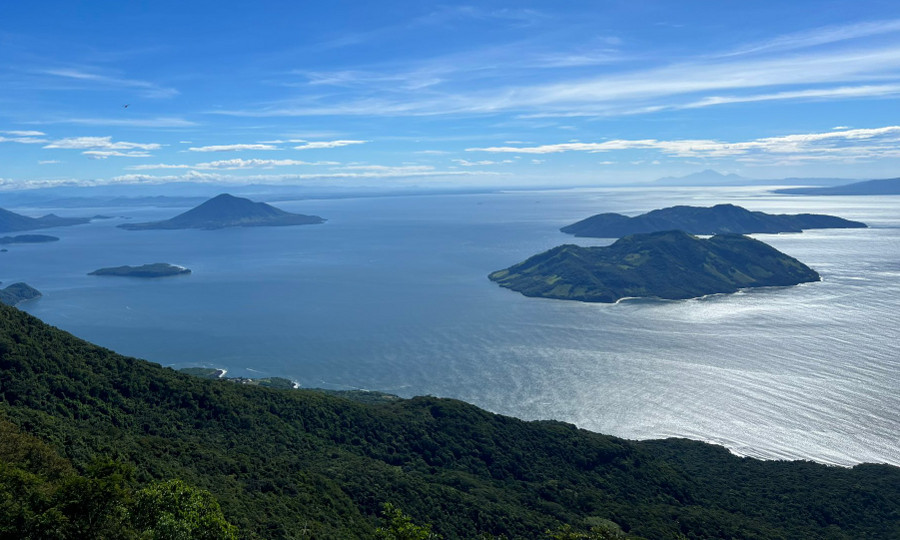
Unlike El Salvador’s Pacific beaches, the gulf has calmer, more sheltered waters. Volcanic islands rise from the water, creating beautiful scenery that makes the area a great place for nature lovers to explore.
The History of the Gulf of Fonseca
Indigenous communities inhabited the coastal region long before Spanish explorers arrived. They relied on fishing, maritime travel, and the surrounding natural resources to support their settlements and local economies.
Spanish explorer Gil González Dávila reached the region in 1522. The gulf received its name in honor of Juan Rodríguez de Fonseca, an influential Spanish bishop involved in colonial exploration.
During the colonial period, the gulf became an important maritime passage for trade and transportation. Its sheltered waters helped connect coastal settlements with other parts of Central America.
The region also has a complicated political past. Over the years, El Salvador, Honduras, and Nicaragua have disagreed over who controls certain islands, where maritime borders should run, and navigation rights within the gulf.
Today, fishing, transportation, and tourism remain important activities. Visitors can still see how the region’s maritime traditions influence everyday life in its coastal towns and island communities.

Islands in the Gulf of Fonseca El Salvador
The Salvadoran section of the gulf contains several islands with different landscapes and communities. Some have permanent settlements, while others attract visitors for their beaches, scenery, and peaceful surroundings.
Meanguera Island
Meanguera Island is among the best-known Salvadoran islands in the gulf. Its mountainous landscape, coastal villages, and traditional fishing activities offer visitors a glimpse of everyday island life.
The municipality of Meanguera del Golfo includes Meanguera and other nearby islands. Travelers can explore local communities, admire the surrounding waters, and enjoy fresh seafood prepared by local residents.
Conchaguita Island
Conchaguita Island is known for its volcanic landscape and rich history. Its steep hillsides and lush greenery make it easy to spot against the beautiful waters of the Gulf of Fonseca.
The island also has connections to the region’s colonial and Indigenous history. Visitors interested in exploring should arrange transportation and ask local guides about accessible trails and historical sites.
Zacatillo Island
Zacatillo Island lies relatively close to the mainland near La Unión. Its fishing community, coastal scenery, and relaxed atmosphere make it an interesting destination for a short boat excursion.
Visitors can observe local fishing activities and enjoy views of neighboring islands. The island offers a quieter experience than the country’s more developed beach destinations.
Best Things to Do in the Gulf of Fonseca
The gulf has plenty to offer if you enjoy outdoor adventures and local culture. You can explore its islands, take in the beautiful scenery, or simply relax by the water.
Take a Boat Tour Around the Islands
A boat excursion is one of the best ways to experience the Gulf of Fonseca. Local boat operators can take visitors between islands and along sections of the Salvadoran coastline.
During the journey, travelers can see volcanic landscapes, fishing boats, and small coastal settlements. Some excursions include island stops, although routes depend on weather conditions and local arrangements.
Visit the Conchagua Volcano
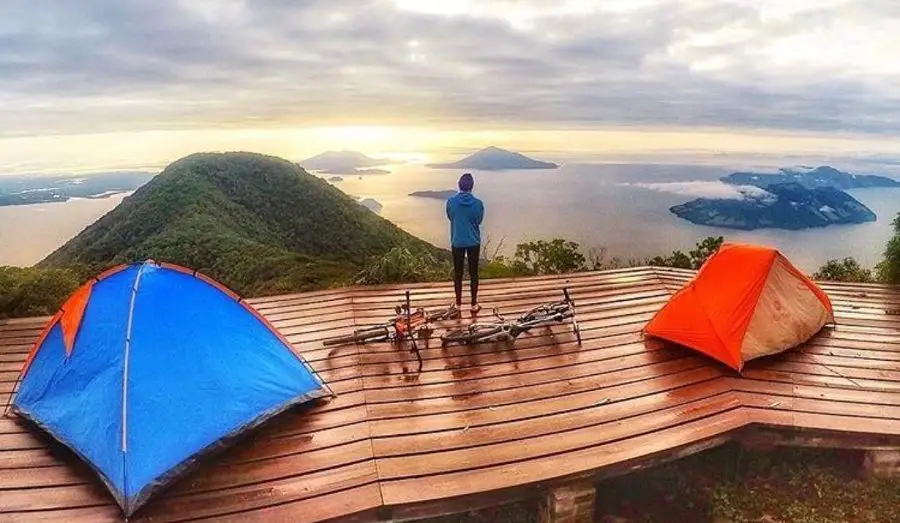
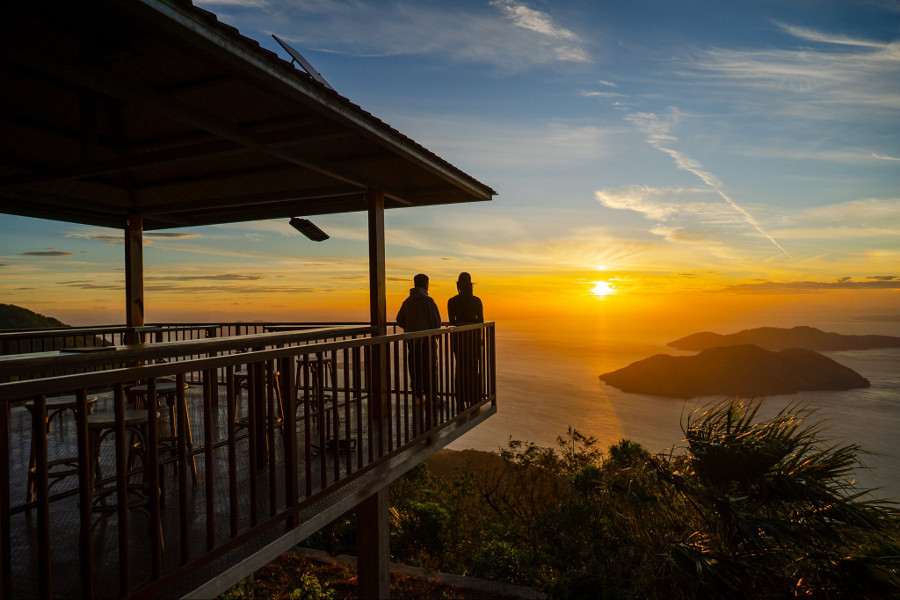
Conchagua Volcano stands above the eastern coast of El Salvador, giving visitors amazing views of the gulf. From its high points, you can see islands, nearby mountains, and even neighboring countries.
The best times to enjoy the volcano’s views are on clear mornings or at sunset. Before you go, check the road conditions and how to get there, especially if you want to camp overnight.
Discover Local Fishing Communities
Fishing is still a big part of life around the gulf. You’ll see small boats, waterfront markets, and traditional fishing methods that show how closely coastal communities are tied to the sea.
You can visit towns near La Unión and watch daily life along the waterfront. These moments let you see more of the region than just its natural sights.
Enjoy Fresh Seafood
Seafood is a highlight of visiting the Gulf of Fonseca. Local restaurants often prepare fresh fish, shrimp, and other seafood using traditional Salvadoran recipes and familiar coastal flavors.
Many travelers enjoy fried fish with rice, salad, and tortillas while overlooking the water. The experience feels especially memorable when fishing boats and distant islands fill the background.

Beaches and Coastal Landscapes
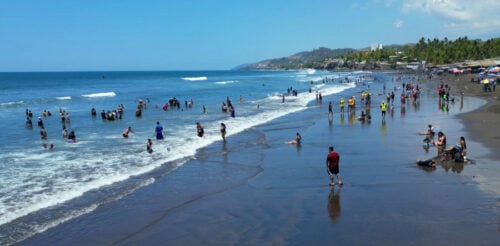
The gulf’s beaches are quite different from El Salvador’s popular surfing spots along the Pacific coast. Here, you’ll find calm bays, dark volcanic sand, rocky shores, and peaceful stretches of coastline.
Las Playitas Beach
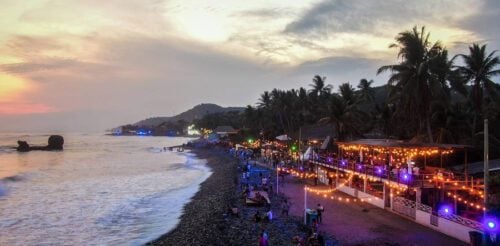
Las Playitas is a coastal destination near La Unión known for its seafood restaurants and views of the Gulf of Fonseca. Visitors often come to eat, relax, and enjoy the scenery.
The beach area offers a convenient introduction to the gulf without requiring a boat trip. It’s a good choice for travelers exploring La Unión and the surrounding coastal communities.
Playas Negras
Playas Negras sits on the eastern coast of El Salvador and is famous for its dark volcanic sand and mostly untouched landscape. People who want a quieter beach visit are often drawn to its natural beauty.
Keep in mind that swimming conditions can change in this area. Tides, currents, rocks, and boats may affect safety, so it’s a good idea to check with locals before going into the water.
Mangrove Forests and Wildlife
Mangrove forests line parts of the gulf’s coast, giving fish, crustaceans, and coastal birds a place to live. These ecosystems also protect the shore from erosion and shifting tides.
Birdwatchers may spot herons, egrets, pelicans, and other coastal species. Wildlife sightings depend on the season, location, and time of day, making patient observation part of the experience.
How to Get to the Gulf of Fonseca
La Unión is the main gateway for travelers exploring the Salvadoran side of the gulf. Visitors can reach the city by road from San Salvador and other major destinations.
The journey from San Salvador generally takes around three to four hours by car, depending on traffic, road conditions, and the exact destination along the coast.
Once in La Unión, travelers can arrange boat transportation through local operators. Departure points, schedules, and prices vary, especially for trips to smaller islands and less frequently visited communities.
Those planning island excursions should confirm return transportation before leaving the mainland. Weather conditions can change quickly, and not every island has regular passenger boat services.

Best Time to Visit the Gulf of Fonseca
El Salvador’s tropical climate includes a dry season from November to April. During these months, the weather is usually sunnier, making it easier to enjoy coastal sightseeing and boat trips.
The rainy season lasts from May to October. At this time, the hills turn greener, but afternoon storms and rougher weather can sometimes affect travel plans.
Morning trips usually offer cooler temperatures and better light for photos. It’s still important to check local marine forecasts, especially before longer journeys between islands.
Travel Tips for Visiting the Gulf of Fonseca
Visiting the Gulf takes a bit more planning than going to a busy mainland beach. In smaller coastal towns, you might find fewer options for transportation, places to stay, and tourist services.
Pack drinking water, sunscreen, comfortable clothes, and enough cash for your expenses. Some island shops might not take cards, and ATMs can be hard to find.
If you plan to take a boat trip, go with experienced operators, wear a life jacket that fits well, and follow local safety rules. Don’t cross international maritime boundaries unless you have the right arrangements.
Be respectful of local communities and their fishing while you visit. Please don’t leave trash on the beach, disturb wildlife, or go onto private property without asking first.
The Gulf of Fonseca Is Worth Visiting
The Gulf of Fonseca offers a side of El Salvador that many travelers overlook. Its volcanic islands, traditional fishing villages, and coastal landscapes create an experience centered on nature and local culture.
For travelers exploring El Salvador’s diverse tourism destinations and attractions, the gulf adds something different to the journey. It combines maritime history, outdoor activities, and peaceful scenery away from the busiest tourist areas.
Whether you’re taking a boat trip, enjoying seafood in La Unión, or admiring the islands from Conchagua Volcano, the Gulf of Fonseca reveals a fascinating corner of eastern El Salvador.
There’s more to explore beyond the Gulf of Fonseca. If you’re feeling adventurous, check out these lesser-known places and unique experiences across El Salvador for your next trip.