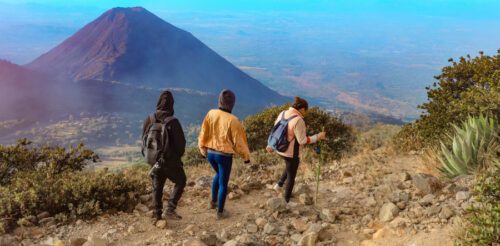
El Pital El Salvador. Photo by
If you are looking for a place with cool mountain air, pine-covered landscapes, misty mornings, and temperatures that might make you reach for a jacket, Cerro El Pital in Chalatenango is the perfect choice.
Rising along the border with Honduras, El Pital Mountain is the highest point in El Salvador and one of the country’s most distinctive mountain destinations. Its scenery alone makes the journey north worthwhile.
El Pital is a great place for families, couples, groups of friends, or anyone who wants to spend time outdoors and connect with nature.
What Is Cerro El Pital?
Cerro El Pital is a mountain in northern El Salvador, near the Honduran border. Its highest point reaches approximately 2,730 meters, or 8,957 feet, above sea level.
That elevation gives El Pital its biggest claim to fame: it contains the highest point in El Salvador. However, elevation isn’t the only reason people make the trip.
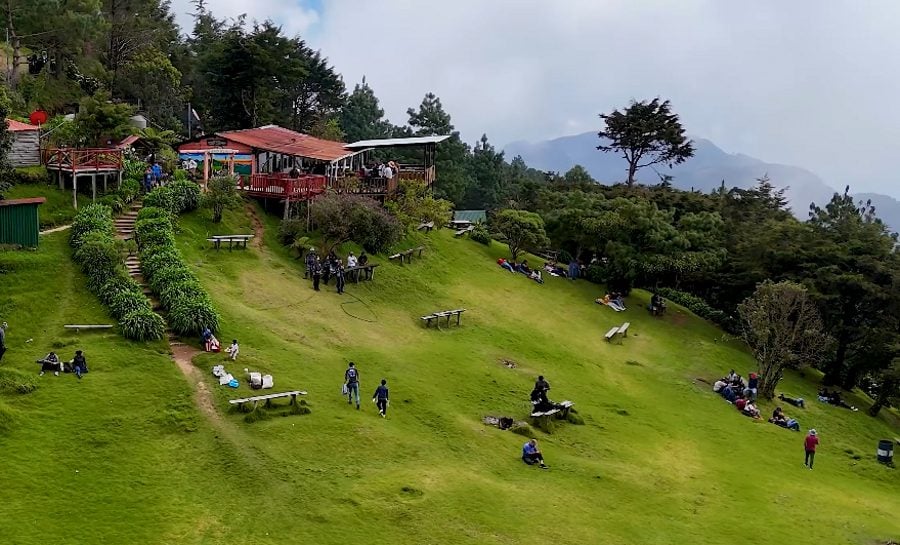
The mountain’s cool climate, forests, scenic viewpoints, hiking opportunities, and camping areas have turned it into a popular getaway, especially for Salvadorans wanting to escape the warmer lowlands.
What Is the Weather Like at El Pital?
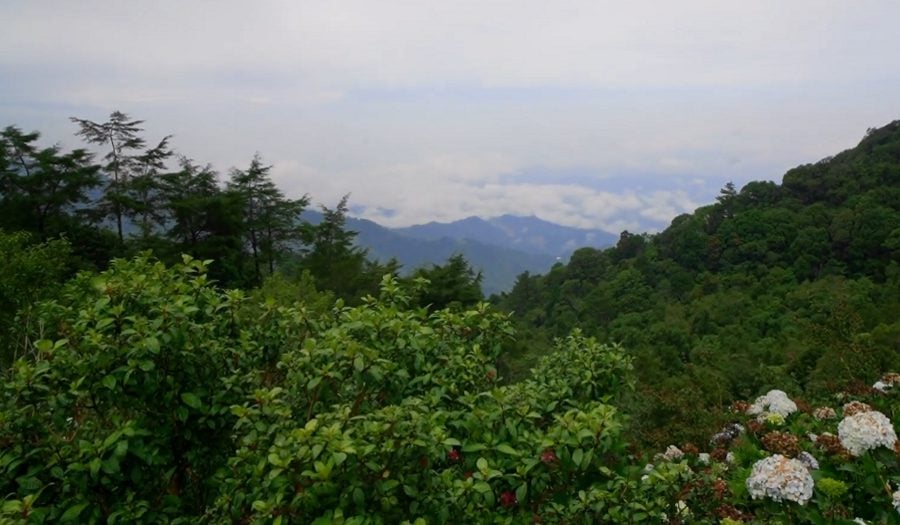
One of El Pital’s greatest attractions is something surprisingly simple: the weather. Conditions at this elevation can feel dramatically different from those in San Salvador or El Salvador’s coastal communities.
Days can be pleasantly cool, while evenings and early mornings may become genuinely cold by Salvadoran standards. Fog, clouds, wind, and sudden temperature changes are also part of the mountain experience.
Visitors should bring a jacket even when the weather feels warm elsewhere. Campers need warmer clothing and adequate sleeping gear because temperatures can drop considerably after sunset.
Visiting El Pital Mountain
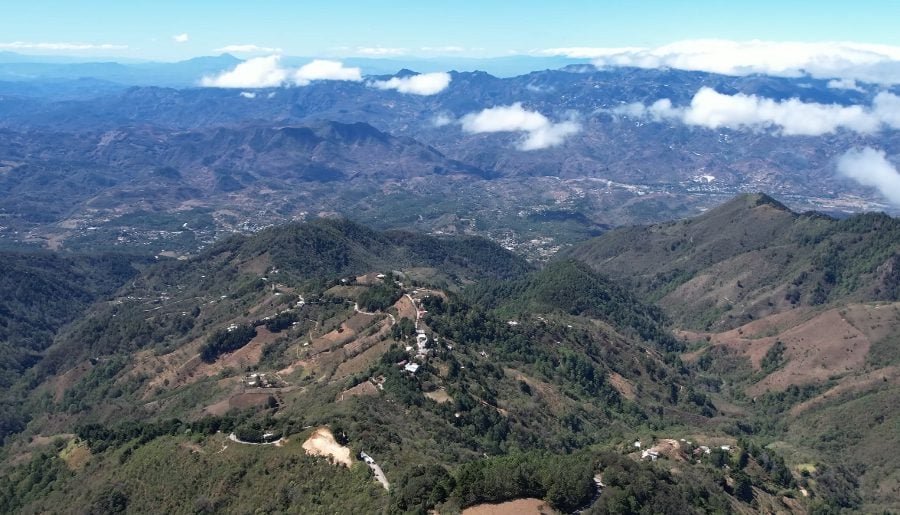
As you make your way higher into the mountains, the drive becomes part of the adventure. The scenery changes along the way, with pine trees, farm fields, mountain homes, steep hillsides, and distant ridges replacing the tropical landscape found at lower elevations.
Clouds and fog sometimes move through the forest, creating an entirely different atmosphere. On clearer days, you can enjoy sweeping views of mountains stretching across northern El Salvador and into neighboring Honduras.
Agriculture also shapes the landscape. The cooler climate supports crops that aren’t commonly associated with El Salvador’s hotter regions, giving the highlands their own distinctive rural character.
Things to Do at Cerro El Pital
You don’t need a complicated itinerary here. Much of El Pital’s appeal comes from spending time outdoors, walking through the mountains, enjoying the scenery, and experiencing the cooler climate.
Hiking is one of the obvious activities. Visitors can explore trails and mountain paths while enjoying forest scenery and searching for viewpoints across the surrounding highlands.
Photography is another reason to slow down. Mist drifting between pine trees can create dramatic scenes, while clear weather opens wider views of valleys, farms, forests, and neighboring mountains.
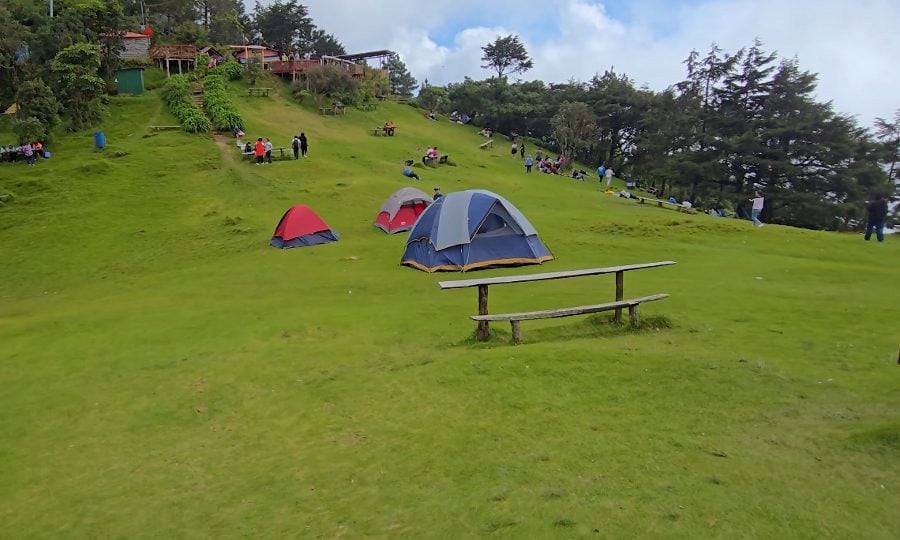
Some visitors simply come for the day. Others stay overnight, allowing them to experience the colder evening temperatures, quieter surroundings, and early morning atmosphere before day-trippers arrive.
Camping
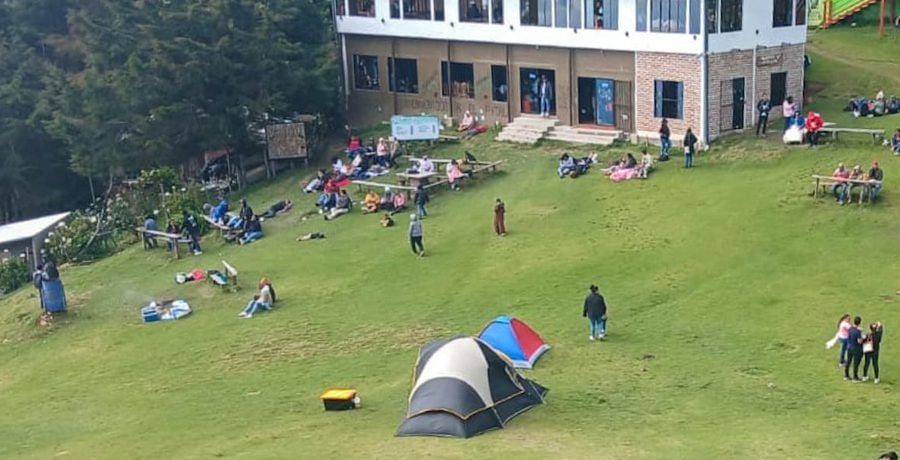
Camping has become closely associated with tourism at El Pital. Spending the night allows travelers to experience the mountain differently from those who arrive and leave within several hours.
A good tent and warm sleeping equipment matter here. Mountain conditions can change quickly, and an evening that begins comfortably can feel considerably colder during the early morning hours.
Visitors should check current camping rules, prices, available facilities, and weather conditions before traveling. Holiday periods and weekends can also bring considerably more visitors than ordinary weekdays.
Hike to El Mojón or Peña Rajada
Hiking is one of the best ways to experience El Pital. Two short trails, El Mojón and Peña Rajada, take you through cool mountain forests while offering very different experiences.
The hike to El Mojón leads toward the border between El Salvador and Honduras, near the country’s highest point. Along the way, you’ll walk through pine-covered terrain where fog often rolls between the trees.
At El Mojón, a border marker identifies the boundary between the two countries. Many visitors make the hike for the unusual experience of standing between El Salvador and Honduras high in the mountains.
Peña Rajada, also known as Piedra Rajada, offers something different. The trail leads to a distinctive rock formation split by a narrow passage, creating one of El Pital’s most recognizable natural attractions.
You can walk between the towering rock walls and explore the surrounding forest before heading back. The hike is relatively short, making Peña Rajada an easy addition to a day at El Pital.
If you have enough time, you don’t have to choose between them. Many visitors combine El Mojón and Peña Rajada, turning the two hikes into a longer exploration of El Pital’s landscape.
Both hikes are fairly short, and you don’t need to be an experienced hiker to enjoy them. You can reach Peña Rajada in about 15 to 25 minutes, while El Mojón takes you on a short uphill walk toward the summit.
Where Is Cerro El Pital Located?
El Pital sits in the department of Chalatenango, close to the municipality of San Ignacio and not far from La Palma, one of northern El Salvador’s best-known tourist towns.
The mountain forms part of the highlands along the El Salvador-Honduras border. From San Salvador, travelers head north toward Chalatenango before continuing through increasingly mountainous terrain.
San Ignacio makes a convenient reference point for visitors. From there, the road climbs through communities and agricultural areas as temperatures gradually fall and mountain scenery begins dominating the landscape.
How to Get to Cerro El Pital
Travelers coming from San Salvador generally head toward Chalatenango and continue north through La Palma and San Ignacio before beginning the final climb into the highlands surrounding El Pital.
The last part of the journey deserves extra attention. Mountain roads can be steep, narrow, rough, or affected by rain, and conditions may change depending on the season.
If you’re driving, check road conditions before leaving and determine whether your vehicle is suitable for the final ascent. Local transportation options may also be available from communities near the mountain.
Best Time to Visit El Pital
The dry season usually gives you better conditions for hiking, camping, and driving around El Pital. You’ll also have a better chance of getting clear views.
The rainy season brings a different kind of beauty. Forests and farmland turn deep green, while clouds and mist give the mountain a dramatic look. Just remember that rain can make trails muddy and roads harder to navigate.
Weekdays may offer a quieter experience. Weekends and holidays tend to attract more domestic travelers, particularly when Salvadorans are looking for a quick escape from the heat.
Visit La Palma and San Ignacio
A trip to El Pital can easily become a broader exploration of northern Chalatenango. La Palma and San Ignacio provide natural stopping points before or after visiting the mountain.
La Palma is particularly famous for its colorful folk art and painted handicrafts. Visitors can walk around town, browse local shops, eat, and experience another side of the region’s tourism.
San Ignacio places travelers closer to the mountain and surrounding agricultural communities. Combining these destinations makes the journey feel less like a single attraction and more like a highland road trip.
Why El Pital Is Different From Other Salvadoran Destinations
El Salvador packs remarkably varied landscapes into a small territory. You can spend one day beside the Pacific and another wearing a jacket among pine-covered mountains in Chalatenango.
El Pital captures that contrast especially well. The cooler temperatures, elevation, border geography, forests, farms, and rural communities create an experience that feels far removed from the country’s coastal destinations.
You don’t visit Cerro El Pital for elaborate attractions or a packed schedule. You go for the mountains, fresh air, changing weather, scenic roads, and the simple pleasure of slowing down.
For travelers trying to understand El Salvador beyond its famous beaches and volcanoes, that’s exactly what makes El Pital worth discovering.