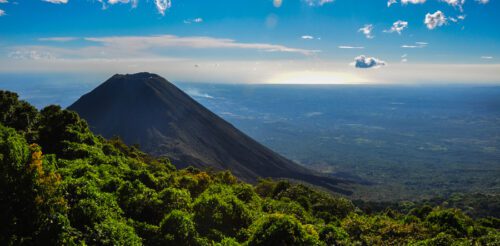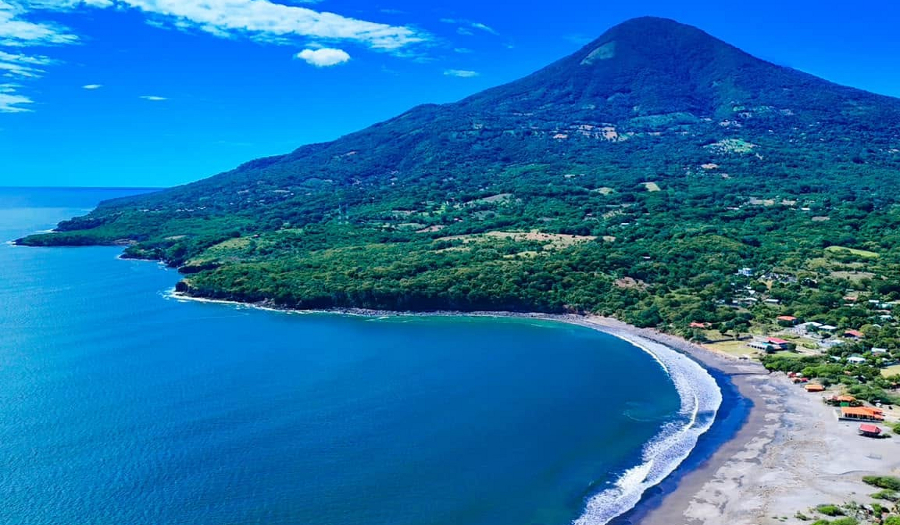
Conchagua Volcano El Salvador is one of the country’s most scenic natural attractions, offering breathtaking views of the Gulf of Fonseca, surrounding islands, and the coastlines of neighboring countries.
Located in the eastern department of La Unión, this impressive volcano attracts travelers who enjoy hiking, camping, and spending time outdoors.
Visitors can explore the country’s impressive volcanic landscapes and scenic hiking trails while discovering what makes Conchagua special.

About Conchagua Volcano
Conchagua Volcano rises above the Pacific coast in eastern El Salvador, near the town of Conchagua and the city of La Unión. Its location provides spectacular views of the Gulf of Fonseca.
Unlike some of El Salvador’s better-known volcanoes, Conchagua attracts visitors mainly for its views, mountain environment, and outdoor activities overlooking the Pacific coastline.
Where Is Conchagua Volcano Located?
Conchagua Volcano sits in La Unión Department, southeastern El Salvador, near the Gulf of Fonseca. The volcano forms part of the mountainous landscape overlooking the country’s eastern Pacific coast.
The nearby town of Conchagua serves as an important reference point for visitors traveling toward the mountain. La Unión, a coastal city, also provides access to the surrounding region.
How Tall Is Conchagua Volcano?
Conchagua Volcano rises approximately 1,225 meters (4,019 feet) above sea level. As you make your way up, you’ll notice cooler temperatures and changing scenery compared to the warm coastal communities below.
The volcano has two prominent peaks, Ocotal and Banderas, which give it its distinctive shape. These peaks are easy to see from different spots around the Gulf of Fonseca.
What Makes Conchagua Volcano Unique?
The volcano’s greatest attraction is its location overlooking the Gulf of Fonseca, a coastal area shared by El Salvador, Honduras, and Nicaragua.
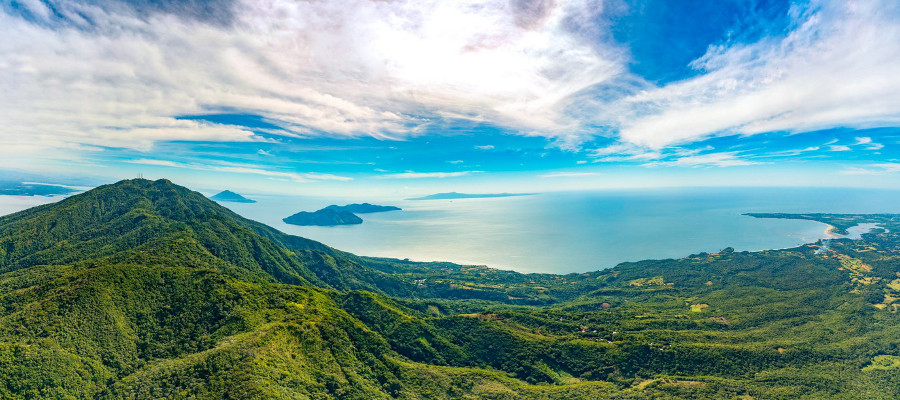
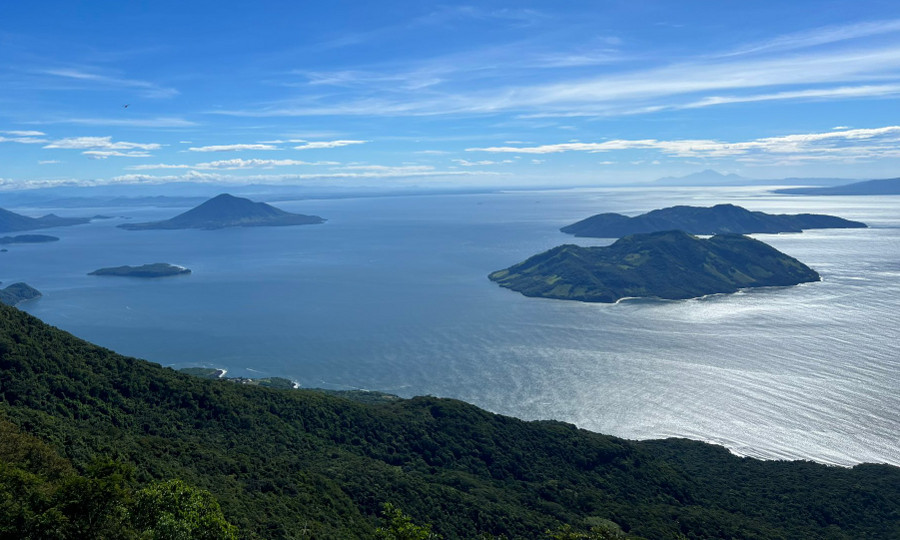
From elevated viewpoints, visitors can admire islands scattered across the gulf, coastal communities, and mountain ranges stretching toward neighboring countries.
Conchagua also offers a different experience from volcanoes known for crater lakes or active volcanic features. Here, the main attractions are the views, forested surroundings, and outdoor activities.
History and Geology of Conchagua Volcano
Two overlapping stratovolcanoes make up the Conchagua volcanic complex. Over time, volcanic activity shaped its landscape, much like it did across many of El Salvador’s mountainous regions.
Although Conchagua doesn’t have the same eruption history as some of the country’s active volcanoes, it remains an important part of eastern El Salvador’s volcanic landscape.
How Was Conchagua Volcano Formed?
Conchagua developed through volcanic activity that gradually built layers of lava and other volcanic materials. Over time, these deposits created the mountain formations visible today.
Its two main volcanic structures, Ocotal and Banderas, give the mountain its distinctive appearance. Vegetation now covers much of the landscape, creating a green environment around its slopes.
Is Conchagua Volcano Active?
Conchagua has no known eruptions during the Holocene, the geological period covering approximately the last 11,700 years. It isn’t considered one of El Salvador’s currently active erupting volcanoes.
However, the absence of recorded recent eruptions doesn’t establish that a volcano can never become active again. Geological classifications depend on scientific evidence and ongoing research.
Things to Do at Conchagua Volcano
Conchagua offers several outdoor activities for travelers who enjoy nature and scenic destinations. Most activities focus on its viewpoints, forested surroundings, and elevated position above the Gulf of Fonseca.
Enjoy the Views of the Gulf of Fonseca
The panoramic views are the main reason many travelers visit Conchagua Volcano. From the mountain, the Gulf of Fonseca stretches across the horizon, with islands rising from its waters.
On clear days, visitors can see portions of Honduras and Nicaragua, making this one of El Salvador’s most interesting viewpoints for appreciating the region’s geography.
Explore the Volcano’s Hiking Trails
Hiking is a nice way to explore Conchagua Volcano beyond its scenic viewpoints. You can walk through wooded areas, enjoy the natural surroundings, and discover different parts of the mountain along the way.
Trail conditions and access can vary, so check with local guides before heading out. Some routes may require extra planning or transportation to reach safely.
Camping and Stargazing
Camping is another great way to enjoy Conchagua Volcano. Spend the night on the mountain, soak up the cooler temperatures, and take in the beautiful views as the sun goes down.
On clear nights, you can enjoy stunning views of the stars above the Gulf of Fonseca. Some camping areas offer basic facilities, but check availability and arrangements before heading out.
Discover the Local Flora and Fauna
Vegetation covers much of Conchagua’s slopes, creating habitats for birds, insects, and other wildlife. The natural environment changes with elevation, rainfall, and local growing conditions.
Visitors who enjoy nature observation can spend time exploring wooded areas and listening for birds. Staying on established paths helps protect vegetation and reduces disturbance to wildlife.
Visiting the Conchagua Volcano Viewpoint
The viewpoints near Conchagua’s upper slopes are among the mountain’s best-known attractions. They provide sweeping views of the Gulf of Fonseca and its surrounding coastal landscape.
Many visitors come specifically to enjoy the scenery rather than complete a demanding hike. However, access conditions depend on the viewpoint, transportation arrangements, and local weather.
What Can You See From the Summit?
From elevated areas, visitors can admire the Gulf of Fonseca, its islands, and sections of the Pacific coastline. The landscape combines blue waters with green mountains and distant shorelines.
Visibility changes throughout the day. Clear weather offers the best opportunity to appreciate the gulf’s geography and distinguish individual islands from the surrounding mainland.
Views of the Gulf’s Islands and Neighboring Countries
The Gulf of Fonseca contains several islands belonging to El Salvador, Honduras, and Nicaragua. Among the most recognizable are Meanguera, Zacatillo, and Conchagüita.
These islands create a distinctive coastal landscape. From Conchagua’s elevated viewpoints, visitors can appreciate how the gulf connects three Central American countries through shared waters.
Sunrise and Sunset at Conchagua Volcano
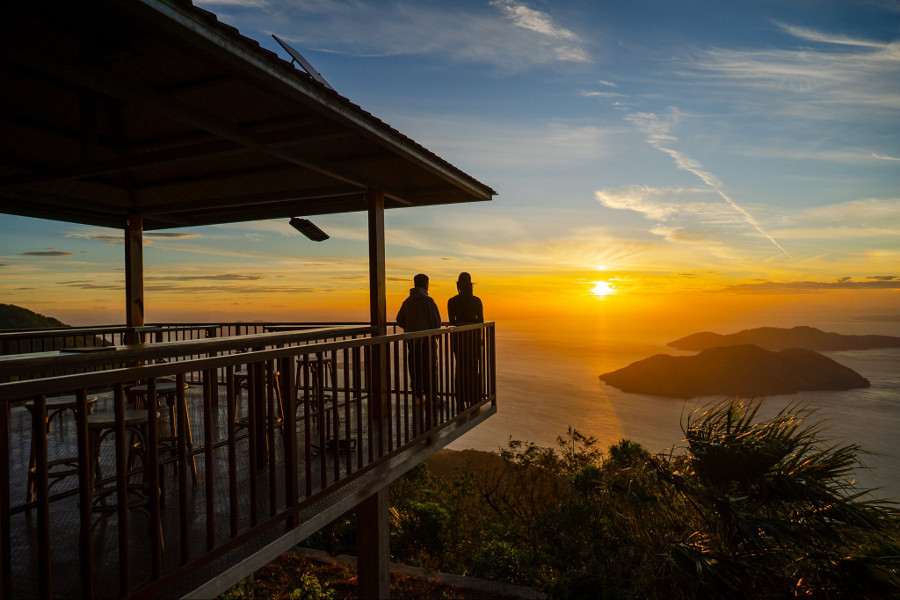
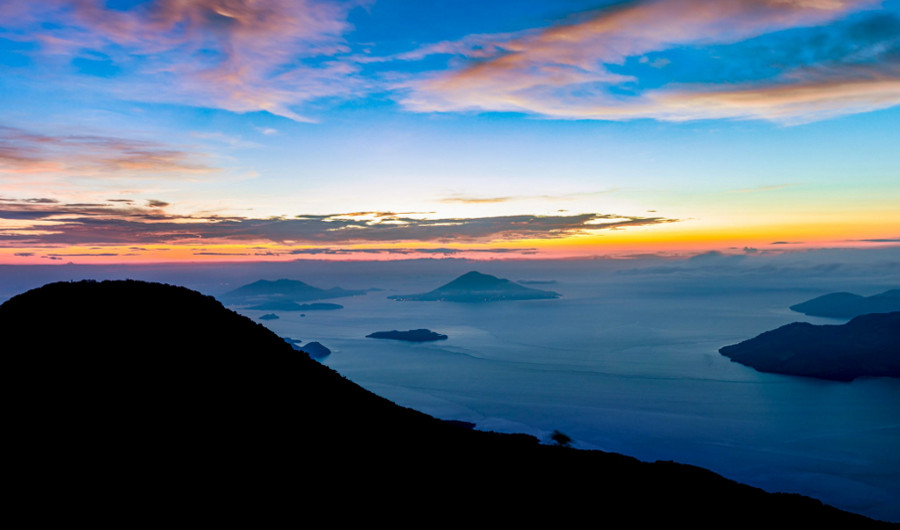
Sunrise and sunset are great times to visit Conchagua Volcano. As the light changes, the nearby islands and coastal mountains create beautiful silhouettes along the horizon.
Early mornings often bring clearer views, although the weather can make a difference. If you plan to stay for sunset, arrange your transportation ahead of time and check whether you can leave your chosen viewpoint after dark.
How to Get to Conchagua Volcano
You can reach Conchagua Volcano from eastern El Salvador, with La Unión and the town of Conchagua serving as convenient starting points. Your final route depends on where you’re headed and how you plan to get there.
Getting There From San Salvador
Travelers leaving San Salvador generally head east along the Pan-American Highway before continuing toward La Unión Department through the country’s eastern road network.
The journey passes through several communities and landscapes. Visitors should plan enough time for the drive, especially when arranging a guided visit or an overnight camping experience.
Getting There From La Unión
The city of La Unión is a great starting point for exploring Conchagua Volcano. From the city, you can head toward Conchagua town and follow the mountain roads leading to the volcano.
Local drivers and guides can help you reach the viewpoints. It’s a good idea to arrange transportation ahead of time, especially if you’re unfamiliar with the area’s mountain roads.
Road Conditions and Vehicle Access
Some roads leading to the upper areas of Conchagua Volcano are steep and uneven, making them tricky for regular vehicles. Heavy rain can make driving conditions even more challenging.
A four-wheel-drive vehicle is often your best option for reaching the higher viewpoints. Before heading out, check with local tour operators about current road conditions and vehicle requirements.
Best Time to Visit Conchagua Volcano
You can visit Conchagua throughout the year, but seasonal weather affects visibility, road conditions, and outdoor activities. El Salvador generally experiences a dry season and a rainy season.
Visiting During the Dry Season
The dry season is a great time to explore Conchagua Volcano, whether you’re sightseeing, hiking, or camping. Trails are usually less muddy, and roads are easier to navigate.
Still, don’t expect clear skies every day. Haze, clouds, and changing weather conditions can sometimes block those beautiful views of the Gulf of Fonseca.
Visiting During the Rainy Season
The rainy season generally runs from May through October. During these months, increased rainfall supports lush vegetation and gives the mountain landscape a greener appearance.
Rain can also create muddy trails, slippery surfaces, and difficult road conditions. Visitors should monitor local forecasts and avoid exposed viewpoints during thunderstorms.
Tips for Visiting Conchagua Volcano
A little preparation can make a visit to Conchagua more enjoyable. Travelers should consider transportation, weather, appropriate clothing, and the facilities available at their chosen destination.
What to Bring for Your Visit
Wear comfortable walking shoes and bring plenty of water, sunscreen, and a hat for your daytime visit. Pack a light jacket, too, since temperatures can drop at higher elevations.
If you plan to camp overnight, bring the right camping gear and check which facilities are available before you go. Don’t forget a flashlight and a fully charged phone.
Hiking and Camping Safety
Stick to marked trails, avoid exploring unfamiliar routes without a guide, and check the weather before heading out. Mountain trails can get tricky when clouds or fog make it hard to see.
If you’re planning to camp, choose designated camping areas and follow local safety rules. Don’t leave food waste behind, light fires without permission, or wander into restricted areas.
Places to Visit Near Conchagua Volcano
Eastern El Salvador offers several destinations that complement a trip to Conchagua. Visitors can explore coastal communities, nearby islands, and historic towns while discovering more of La Unión Department.
Conchagua Volcano offers incredible views, but there’s more to discover nearby. Explore the best attractions and activities around La Unión to make the most of your visit.
The Gulf of Fonseca
The Gulf of Fonseca is one of eastern El Salvador’s most distinctive natural attractions. Its islands, coastal scenery, and fishing communities provide opportunities to experience the region from another perspective.
Boat excursions from authorized departure points allow visitors to explore parts of the gulf. Travelers should arrange trips with experienced local operators familiar with navigation conditions.
La Unión City
La Unión sits along the Gulf of Fonseca and serves as an important coastal center in eastern El Salvador. Its waterfront provides views of the surrounding waters and nearby islands.
Visitors can explore local restaurants, enjoy seafood dishes, and experience daily life in a Salvadoran port city. La Unión also works as a base for regional excursions.
Conchagua Town
The town of Conchagua is a great place to explore before visiting the volcano. Its historic center features a colonial-era church and public spaces that showcase the town’s history and local traditions.
Take some time to walk around the town center, admire the local architecture, and enjoy the peaceful atmosphere of a traditional Salvadoran town before heading up the mountain.
Nearby Beaches and Coastal Attractions
La Unión Department has several coastal destinations where visitors can enjoy views of the Gulf of Fonseca. Local beaches and waterfront communities offer a different perspective from the volcano.
Combining a mountain excursion with a coastal visit allows travelers to experience two contrasting landscapes within the same region of eastern El Salvador.
Why Conchagua Volcano El Salvador Is Worth Visiting
Conchagua Volcano combines impressive coastal views, outdoor activities, and a peaceful mountain environment. Its location above the Gulf of Fonseca makes it different from many other volcanic destinations in El Salvador.
Whether you’re interested in hiking, camping, photography, or simply enjoying the scenery, Conchagua offers an opportunity to discover the natural beauty of the country’s eastern region.
A visit also provides a chance to explore nearby communities, appreciate the region’s geography, and experience one of El Salvador’s most memorable volcanic landscapes.