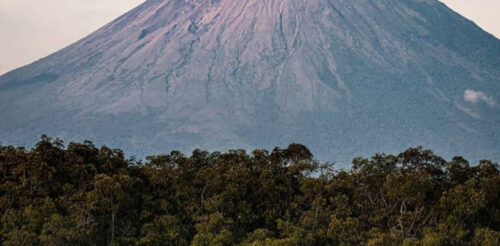
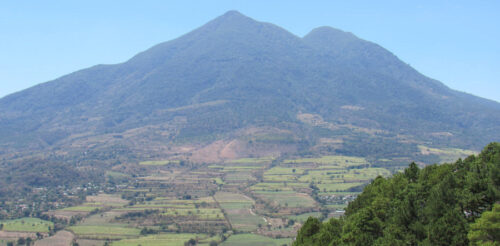
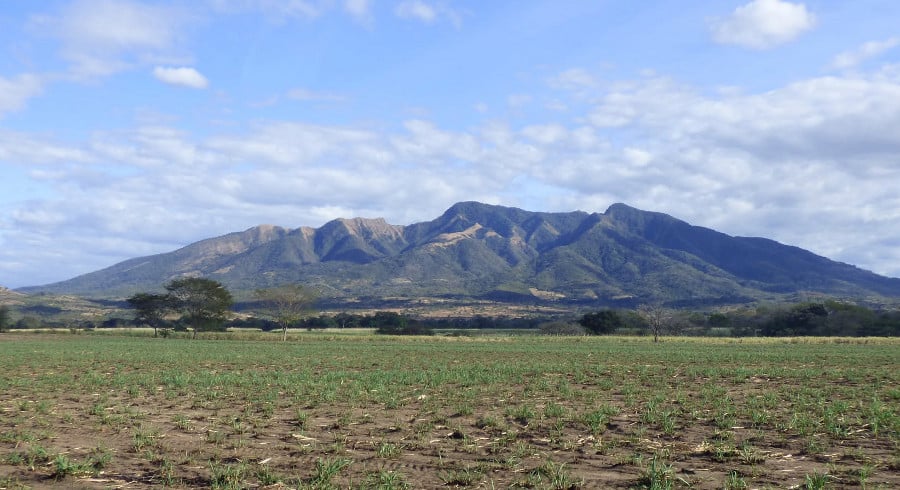
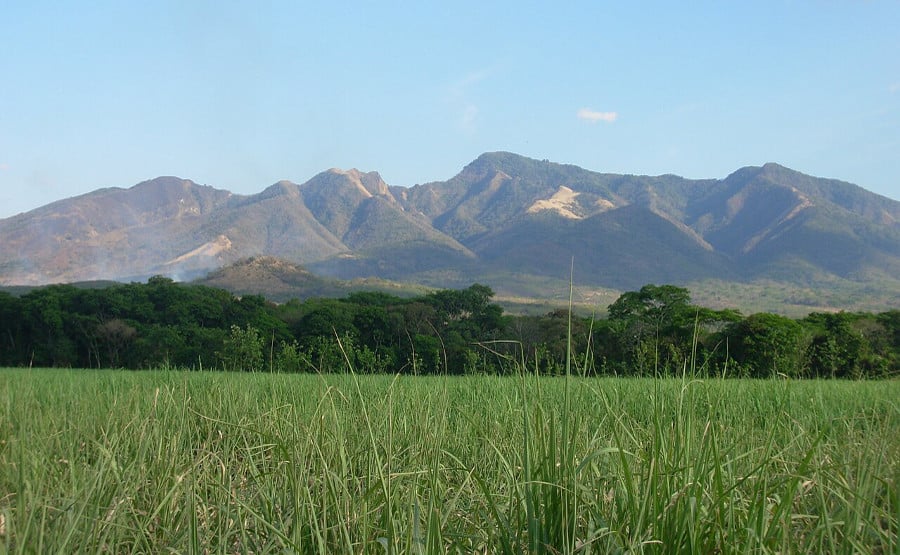
 Guazapa Volcano Mountain near San Salvador.
Guazapa Volcano El Salvador is a rugged mountain north of San Salvador, known for its forested slopes, scenic trails, and fascinating history.
Unlike some of the country’s more famous volcanic destinations, Guazapa attracts visitors interested in hiking, rural landscapes, and historical exploration. It’s one of the lesser-known places among El Salvador’s impressive volcanoes.
The mountain played an important role during El Salvador’s civil war, when its rugged terrain provided shelter for guerrilla forces. Today, visitors can explore the area and learn about that difficult period.
Where Is Guazapa Volcano Located?
Guazapa Volcano is located north of San Salvador, close to the town of Guazapa in the San Salvador department. Because of its location, it’s easy for travelers in the capital and nearby areas to visit.
The mountain stands about 1,438 meters (4,718 feet) above sea level. Its uneven shape and worn-down slopes set it apart from the more regular volcanic cones you’ll find in other parts of El Salvador.
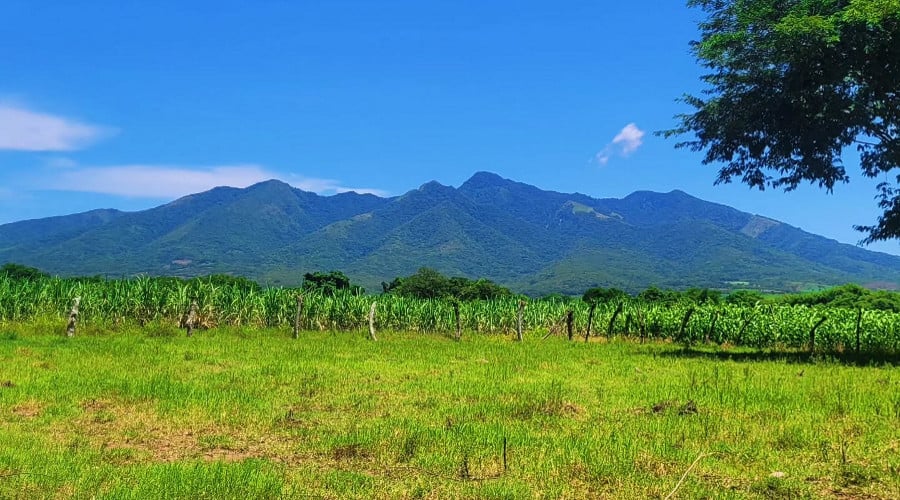
Guazapa is surrounded by farming communities where agriculture remains part of everyday life. Small farms, quiet country roads, and stretches of forest give visitors a chance to experience rural life beyond the capital.
The Geological History of Guazapa Volcano
Guazapa is an ancient, deeply eroded volcanic formation. Unlike active Salvadoran volcanoes, it no longer displays the typical features of a young volcanic cone, such as a clearly defined summit crater.
Over long geological periods, erosion reshaped the mountain, carving valleys and exposing rocky formations. Its present appearance reflects the gradual transformation of an old volcanic landscape rather than recent eruptive activity.
Here, you won’t find smoking vents, bubbling craters, or fresh lava fields. Guazapa offers a different experience, with its geological history visible in the mountain’s rugged terrain and natural formations.
Guazapa Volcano and El Salvador’s Civil War
Guazapa became an important stronghold for guerrilla forces during El Salvador’s civil war, which lasted from 1980 to 1992. Its forests, ravines, and difficult terrain provided natural protection and strategic advantages.
The mountain became a battleground during the civil war; it experienced regular armed confrontations and years of conflict.
Today, some guided tours take visitors to places connected to the conflict. Along the way, you might come across former military camps, trenches, and other remains that tell the story of the mountain’s wartime past.
Hiking and Outdoor Adventures at Guazapa Volcano
Many people come to Guazapa Volcano for hiking. The trails go through wooded hillsides, rocky areas, and uneven ground, giving visitors a quieter outdoor experience compared to busier tourist spots.
Some trails take you to high viewpoints, while others pass by historical sites on the mountain. Since trail conditions and difficulty can change, picking the right route helps you enjoy your hike more.
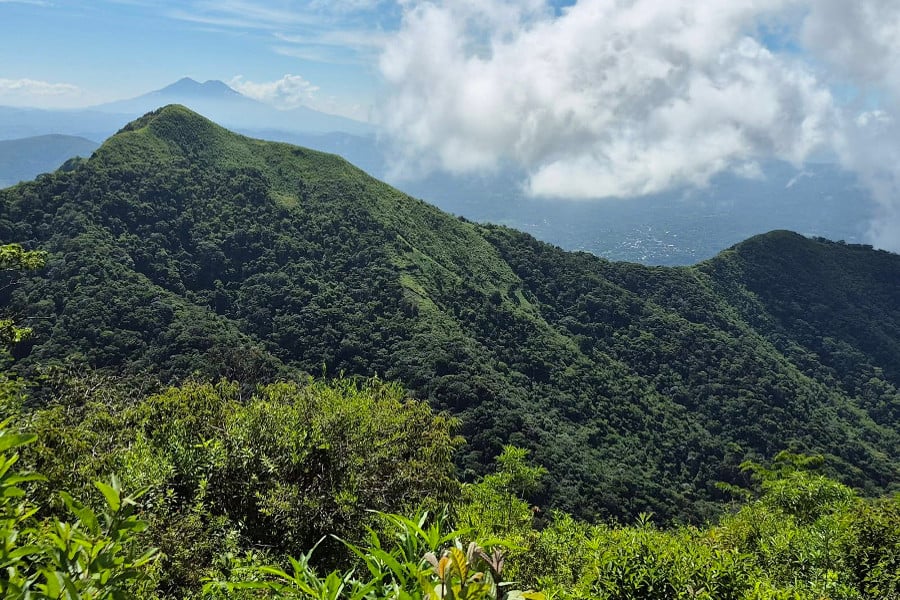
While hiking, you can take in the countryside and notice how the plants change along the way. On some routes and in good weather, higher sections let you see far-off mountains, valleys, and nearby towns.
Keep in mind that not all trails at Guazapa Mountain are clearly marked, so it’s wise not to assume you’ll find signs everywhere.
Wildlife and Natural Surroundings
Guazapa’s vegetation includes patches of tropical dry forest, secondary woodland, shrubs, and agricultural landscapes. The mountain’s natural environment changes noticeably between the rainy and dry seasons.
Birds, insects, reptiles, and small mammals inhabit the surrounding landscape. Visitors who walk quietly and pay attention may spot wildlife, particularly in less disturbed areas with suitable vegetation.
When it rains, the hills become greener, and plants grow more densely. In the dry season, the vegetation is sparser, and the trails are dusty, but you can still find shade in some wooded spots.
The mountain is also a good place to see why it’s important to protect the natural habitats that are left. Please stick to the marked paths and don’t leave any litter. This helps keep the area clean for local people and future visitors.
How to Get to Guazapa Volcano
Guazapa Volcano is about 20 to 25 kilometers northeast of San Salvador. You can reach the mountain through nearby communities, although the best access point depends on the chosen hiking route.
Driving from the capital toward Guazapa is a practical option. However, reaching a trailhead may require traveling along rural roads, where conditions can change with the weather.
Visitors can also arrange transportation through a local tour operator. This option makes planning easier, especially when an excursion includes historical sites or areas that require local guidance.
Tips for Visiting
You don’t need special gear to visit, but wearing comfortable hiking shoes, bringing water, using sun protection, and choosing lightweight clothes will help.
It’s best not to explore unfamiliar paths by yourself, as some routes go through remote areas that can become dangerous.
One of the best ways to explore Guazapa Volcano is to combine your trip with a visit to the colorful colonial town of Suchitoto, located about 10 kilometers from the mountain.
Many visitors spend a day or two in Suchitoto and take a day trip to explore Guazapa. You can hike through the mountain trails or explore the area on horseback. Either way, plan to spend most of the day enjoying the experience.
I recommend booking a tour with a local company. An experienced guide can lead you along suitable trails, show you the most interesting spots, and share stories about the mountain’s history.
Remember to respect private property and local communities. Always ask before entering farms, don’t disturb historical sites, and take your trash with you.
Guazapa Volcano Deserves a Visit!
Guazapa offers something different from El Salvador’s better-known volcanic attractions. Its combination of ancient geology, rural scenery, and civil war history gives visitors several reasons to explore the mountain.
Travelers interested in discovering more of the country can explore El Salvador’s diverse tourism attractions and experiences, from volcanic landscapes and colonial towns to beaches, archaeological sites, and cultural destinations.