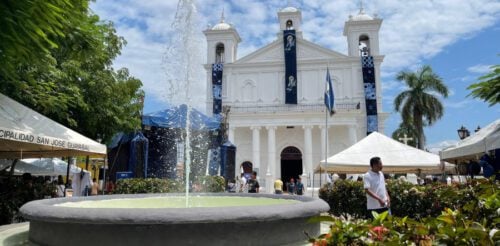
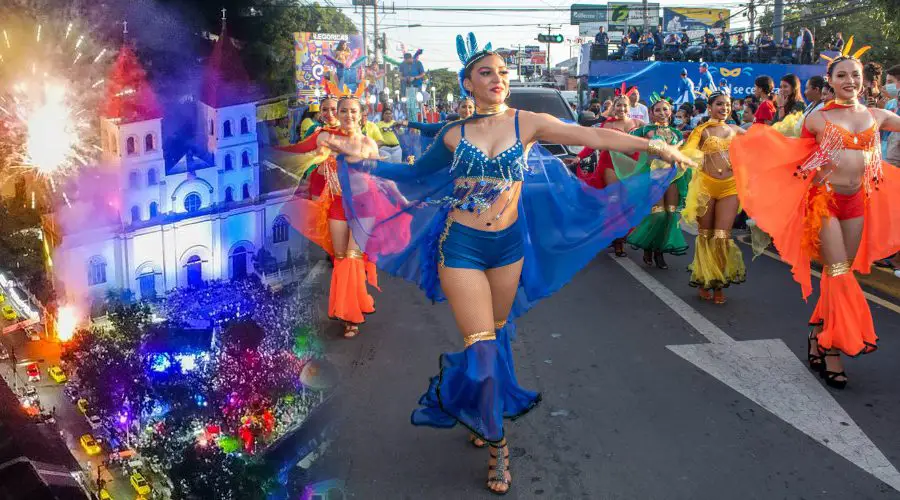
 The San Miguel Carnival in El Salvador.
The San Miguel Carnival is one of El Salvador’s most vibrant celebrations, combining music, dance, and catholic traditions. Rooted in both cultural customs and deep religious devotion, the festival draws thousands of visitors each year.
Blending sacred and popular traditions, the carnival highlights the balance between faith and festivity. Religious processions and masses honor the Virgin of the Peace, San Miguel’s patron saint.
At the same time, parades, live music, and folkloric dances transform the city into a dazzling stage of Salvadoran identity and pride.
The 2026 Carnival
The San Miguel Carnival 2026 is scheduled for November 29, the last Saturday of November. The festivities typically begin around 4 p.m. and continue into the following morning.
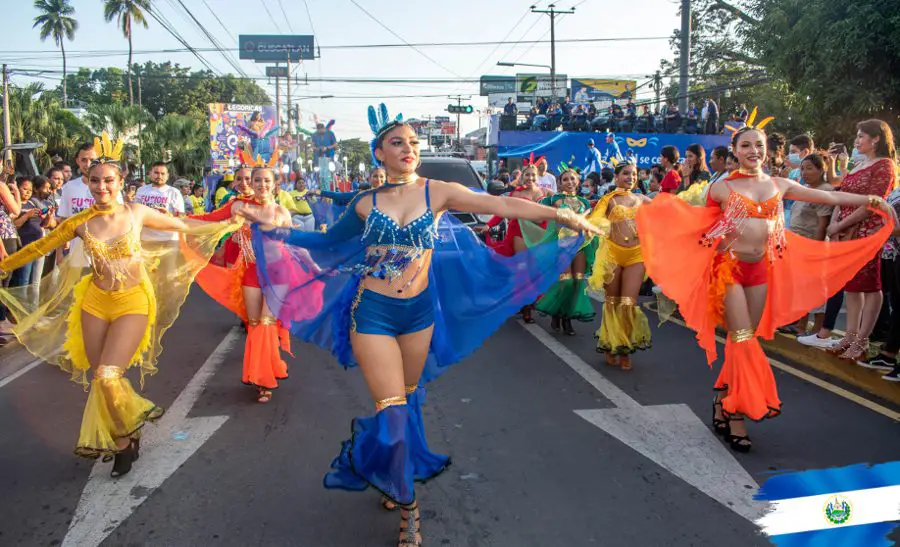
During the Carnival, San Miguel’s main streets come alive with local and international visitors enjoying live music, entertainment, food, and other attractions.
As in previous years, the Carnival is expected to feature more than 25 musical groups, performing in different zones throughout the city. These areas are organized by musical genre, giving visitors a variety of entertainment options.
Other events worth experiencing in San Miguel during November are the Carnivalitos. These smaller community carnivals take place throughout the month in different neighborhoods and communities across the city.
For the latest schedules, Carnivalito dates, musical performances, and other updates, visit the San Miguel Carnival website, official Facebook page, or official Instagram page.
What is the San Miguel Carnival?
The San Miguel Carnival is one of El Salvador’s largest and most popular annual celebrations. Held in San Miguel every November, it combines religious traditions, live music, dancing, parades, food, and entertainment.
The festivities honor Our Lady Queen of Peace (Nuestra Señora de la Paz), San Miguel’s patron saint. Celebrations take place throughout November and culminate with the main Carnival on the last Saturday of the month.
During the main Carnival, the streets of San Miguel’s transform into entertainment zones filled with music, dancing, food vendors, and large crowds. Festivities continue throughout the night and into the following morning.
The municipality sets up multiple stages where local and international performers entertain festival-goers. More than 30 orchestras and musical groups representing different genres help create the Carnival’s lively atmosphere.
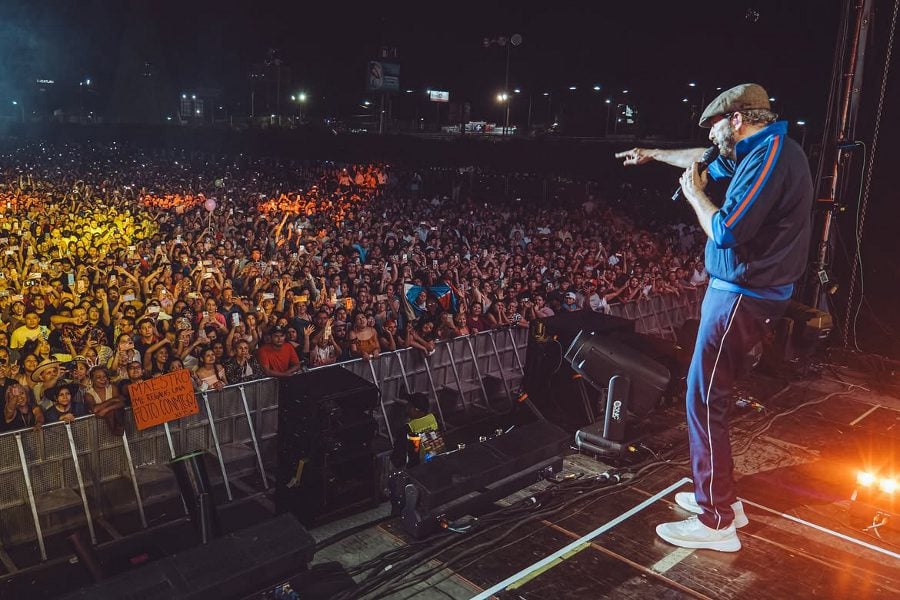
Some of the main artists or groups performing last year included Juan Luis Guerra, Elvis Crespo, Caliber 50, Los Hermanos Flores, Marito Rivera y su Grupo Bravo, Julissa Ventura y Sonora Maya, Grupo Jhosse Lora, and Grupo La Máquina.
The main concert at Félix Charlaix Stadium, on the last Saturday of November, was especially notable. Los Hermanos Flores opened the show, followed by the major international acts Juan Luis Guerra, Elvis Crespo, and Caliber 50.
Leading up to the main carnival day, smaller neighborhood events known as Carnivalitos take place across San Miguel. These community festivities typically feature concerts, food fairs, games, parades, and other activities.
The San Miguel Carnival remains popular because it brings together faith, tradition, community, and entertainment. Thousands of Salvadorans and international visitors attend, making it one of the country’s best-known cultural celebrations.
How to Best Enjoy the San Miguel Carnival
The San Miguel Carnival is an all-night event! To take advantage of everything it offers, it is best to sleep during the day and be on one of the main city streets by 5 p.m.
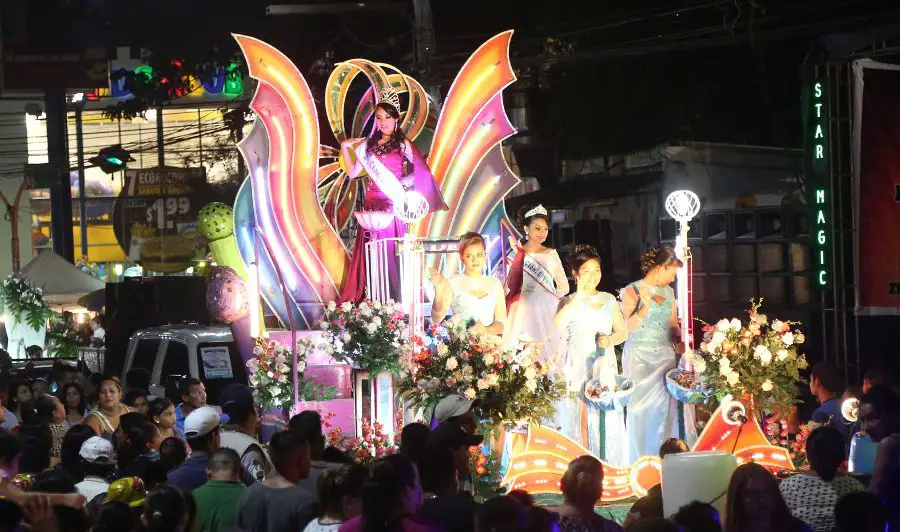
1. Experience the Float Parade
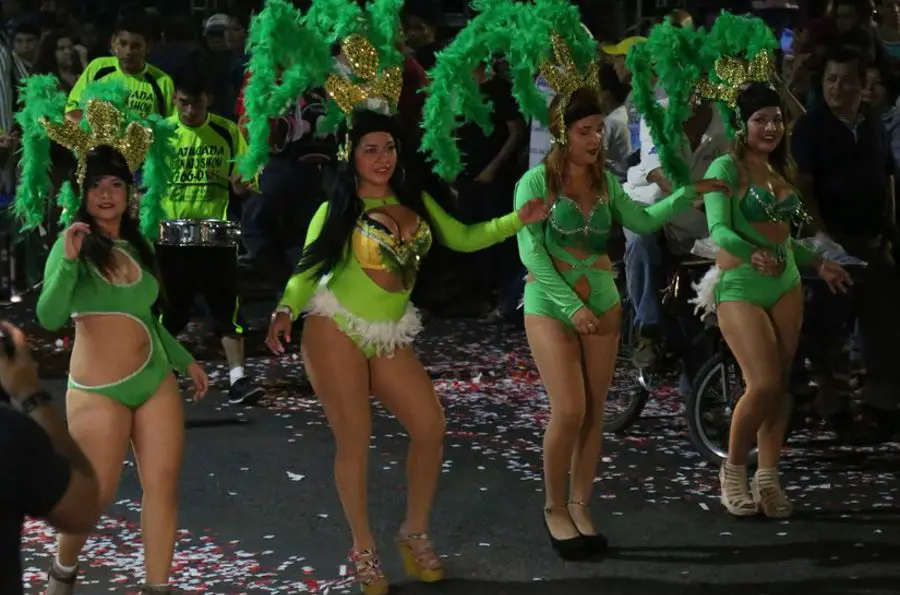
To begin with, you must watch the float parade, which begins around 5 p.m., as it is one of the highlights of the month-long celebrations. It features vibrant floats, energetic dancers, and lively bands filling the streets with music.
2. Taste the Local Gastronomy
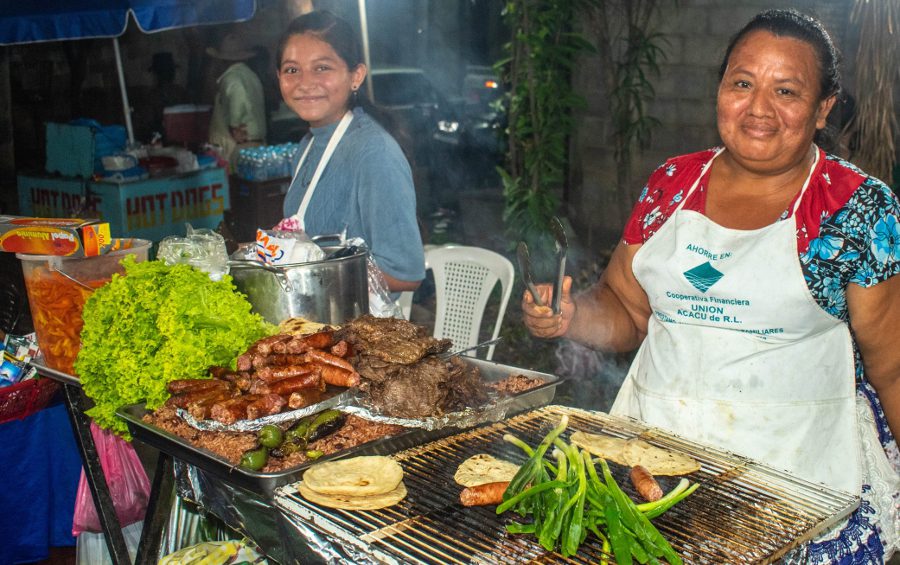
After enjoying the parade, you can savor the local gastronomy and tasty drinks at the fairgrounds or food tents. The city overflows with vendors serving traditional Salvadoran dishes all night, including both conventional food and always-tasty street food.
3. The Live Music Events
After the parade and a taste of local food, it’s time to embrace the carnival spirit. From 10 p.m. onward, San Miguel bursts with music and dancing.
Stages throughout the city feature live performances from bands and artists representing different musical genres. Whether you enjoy cumbia, reggaeton, tropical music, or traditional rhythms, there is plenty to keep you entertained.
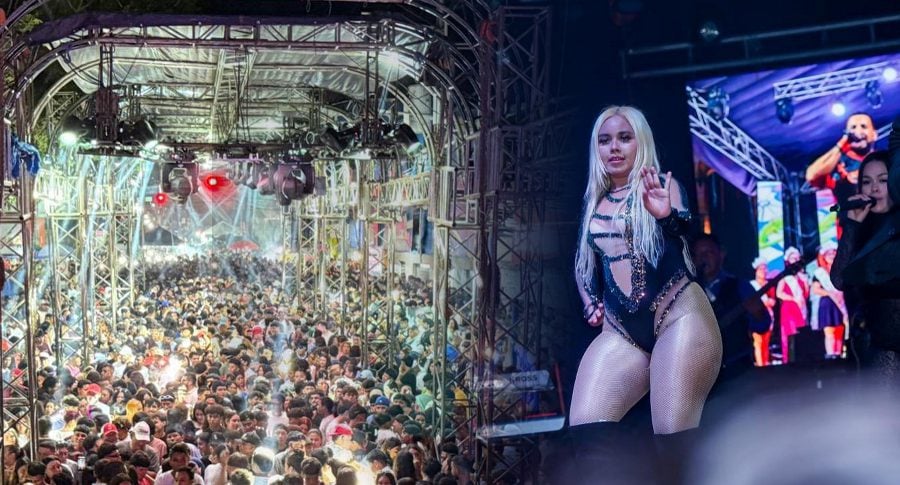
You can spend the night enjoying performances in one area or move between different stages to experience more of the Carnival. Either way, expect busy streets, large crowds, and celebrations lasting well into the night.
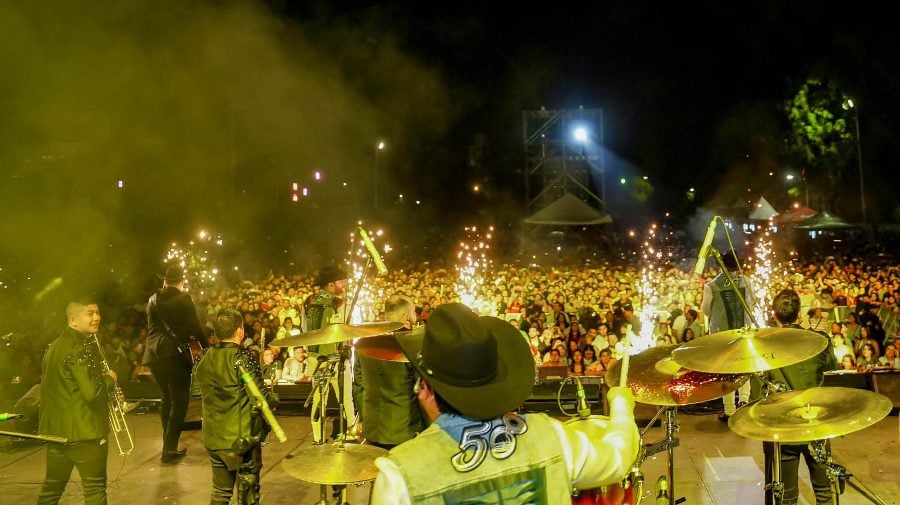
The San Miguel Carnival’s main concert takes place at Félix Charlaix Stadium, where some of the celebration’s biggest national and international artists perform before thousands of festival-goers.
While stages throughout the city offer different musical genres, the stadium serves as the Carnival’s headline venue, attracting large crowds for major performances that continue late into the night.
4. Go to the Beach and Relax or Continue the Party
The best way to end the experience of the San Miguel Carnival is to end up at the beach for some relaxation or to continue the party. Most people in the area will go to Playa El Cuco or Las Flores Beach, two of the best beaches in El Salvador.
The Carnivalitos
If you are in San Miguel during November, the Carnivalitos are a must-see. These smaller neighborhood celebrations are an important part of the month-long festivities leading up to the San Miguel Carnival.
Held in different communities across the city, Carnivalitos bring residents and visitors together for live music, traditional food, dancing, games, parades, and other activities in a more local atmosphere.
Attending a Carnivalito offers another way to experience San Miguel’s festive spirit, local traditions, and community culture before the main Carnival brings the November celebrations to their grand finale.
Cultural and Social Importance
The San Miguel Carnival holds cultural and social significance, serving as a powerful expression of community pride and identity that unites residents through faith, tradition, and joyful celebration, thereby strengthening local bonds every November.
This Carnival attracts thousands of visitors from across El Salvador and abroad, turning San Miguel into a cultural hub where tourism and hospitality drive economic and social activity.
The Carnival showcases Salvadoran music, food, and traditions, bringing the nation’s creativity and cultural heritage directly to local crowds and international visitors.
The Carnival and Religion
The San Miguel Carnival is more than just one night of music and dancing—it’s the grand finale of a month-long celebration that blends faith, tradition, and community spirit.
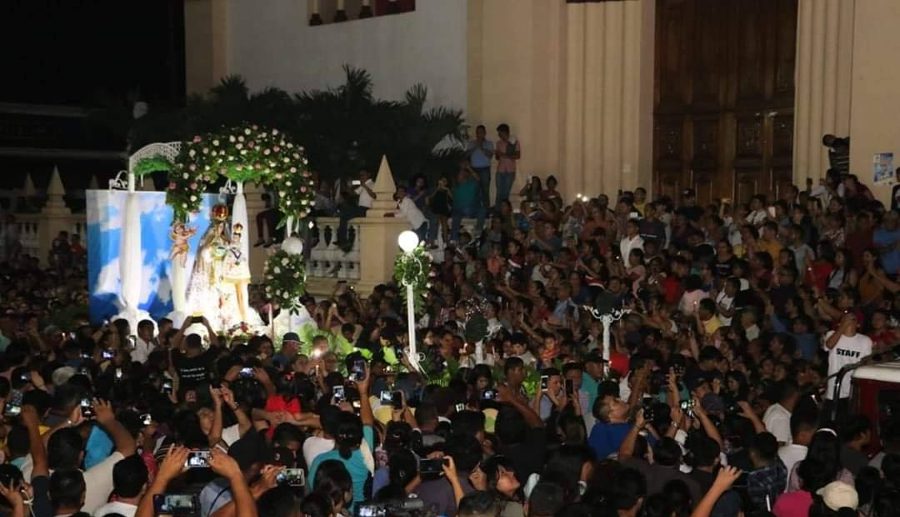
Religious devotion anchors the festivities, beginning with El Festival Mariano, where parishioners gather in prayer, music, and cultural expressions honoring the Virgin of Peace.
Mass in Honor of the Virgin of Peace unites the faithful, reaffirming her role as San Miguel’s patron saint and deepening the city’s spiritual connection before the carnival.
The Procession of the Virgin of Peace, filled with candles and hymns, symbolizes the sacred heart of the month-long celebrations that lead up to Carnival Night.
San Miguel Carnival Economic Impact
The San Miguel Carnival is more than a celebration—it’s a major economic driver, drawing thousands of visitors and fueling growth across hospitality, commerce, and tourism sectors.
Hotels, restaurants, and street vendors thrive during the festivities, serving both domestic and international guests who pour money into the city’s economy throughout carnival week.
This surge connects San Miguel to El Salvador’s broader festival tourism boom, showcasing how cultural traditions can generate sustainable income and global recognition for the nation.
The San Miguel Carnival in El Salvador
The San Miguel Carnival stands as a true celebration of Salvadoran identity, blending tradition, faith, and music into an event that unites generations and strengthens community pride.
It’s more than a party; the carnival is a cultural cornerstone that reflects the nation’s creativity and devotion, making it central to Salvadoran heritage.
As one of El Salvador’s top tourist attractions, the San Miguel Carnival attracts thousands of visitors annually, boosting the city’s economy while showcasing Salvadoran culture to the world.