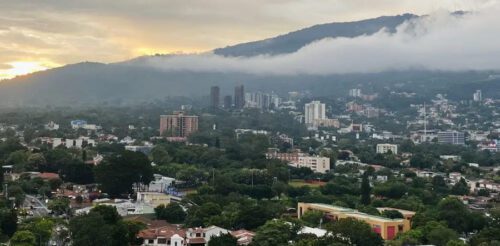
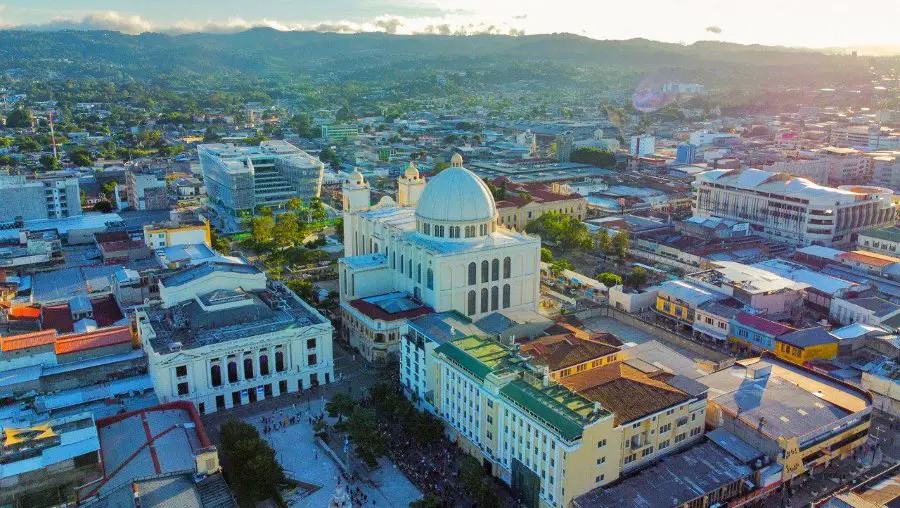
 San Salvador.
 Over the past few years, El Salvador has become an increasingly attractive destination for people from around the world—and for many Salvadorans who once left, it is now the place they choose to return to.
The country offers a compelling mix of advantages: El Salvador combines affordability, good weather, vibrant culture, friendly people, better safety, and Bitcoin adoption—making it an appealing home base in Central America.
El Salvador’s use of the U.S. dollar helps stabilize prices and reduce currency risk. At the same time, its wide range of tourist attractions and strong cultural identity continue to make it a unique place to live.
- Low Cost of Living
- Improved Public Security
- U.S. Dollar as the Official Currency
- The Excellent Weather
- Beautiful Beaches and Natural Landscapes
- Small Country with Big Convenience
- Friendly and Family-Oriented Culture
- Growing Expat and Digital Nomad Community
- Strategic Location
- Bitcoin-Friendly Economy
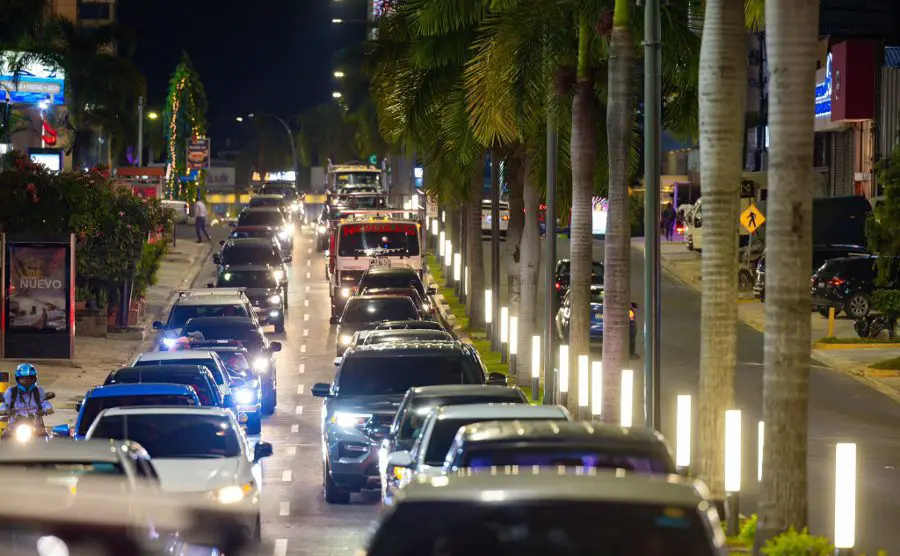
Low Cost of Living
Let us start with what most people look into before deciding to move to a new country: “the cost of living.” Compared to many countries in Central America, North America, and Europe, the the cost of living in El Salvador can be much more affordable without sacrificing a comfortable lifestyle.
One of the largest savings found in the country is housing. Whether renting an apartment in a city or buying a home in a smaller town, many residents find that housing costs are considerably lower than in many other countries.
Daily expenses can help stretch a budget further. Groceries, fresh produce, local transportation, and many dining options are generally affordable.
These low costs enable individuals and families to enjoy a good quality of life while spending less.
| R | Country | Cost Index |
|---|---|---|
| 1 | Costa Rica | 56.8 |
| 2 | Belize | 49.9 |
| 3 | Panama | 46.5 |
| 4 | Guatemala | 45.4 |
| 5 | El Salvador | 41.6 |
| 6 | Nicaragua | 36.8 |
| 7 | Honduras | 36.2 |
Overall, El Salvador falls in the middle range of living costs in Central America.
Lower monthly expenses allow incoming income or retirement savings to go further, allowing individuals and families to enjoy a higher standard of living without increasing their spending.
Although expenses vary depending on location and lifestyle, many newcomers discover they can live comfortably while paying far less than they would in larger, more expensive countries. Careful budgeting still matters, but the overall savings can be significant.
Combined with improved public security, beautiful scenery, and a welcoming culture, El Salvador’s affordable cost of living continues to be one of the strongest reasons people relocate to or build a new life in the country.
If living in El Salvador is an option you are considering. It will be up to you to decide how much influence the cost of living has on whether you move to El Salvador.
Improved Public Security
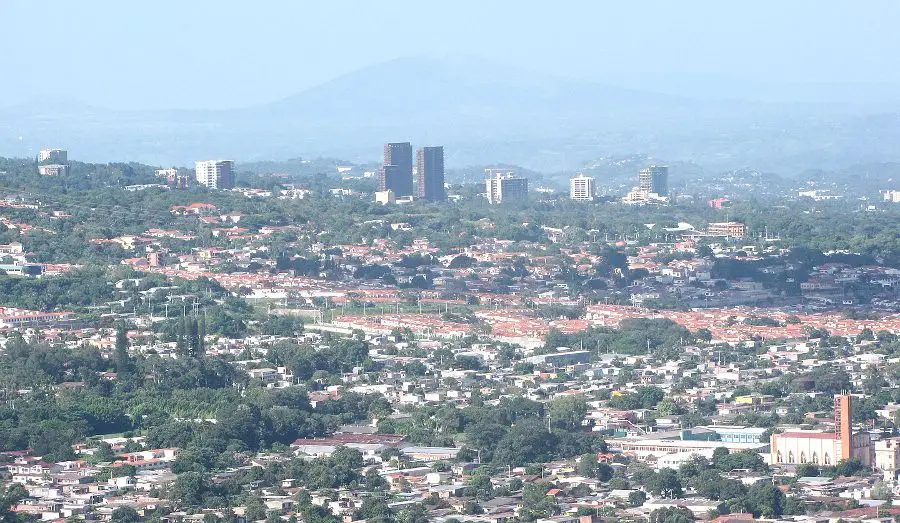
Improved public security has become one of the top reasons people choose to live in or move to El Salvador. The country’s dramatic decline in crime has reshaped daily life and changed how many people view the nation.
Before 2020, El Salvador was regarded as one of the most dangerous countries in the world. Today, it is considered one of the safest in Latin America—if not the safest.
San Salvador illustrates this remarkable transformation. From 2006 through 2019, the capital city consistently ranked among the world’s ten most dangerous cities. By 2020, it had fallen out of the top 50—and is no longer even the most dangerous city in the country.
The country’s security improvements are evident in its homicide statistics. In 2023, El Salvador recorded one of its lowest homicide rates. It then set new record lows in 2024 and 2025, with 2026 on track to surpass them again.
| Year | Total Homicides | Daily Homicide Rate | Homicides per 100,000 Inhabitants |
|---|---|---|---|
| 2026 *Oct 10 | 48 | 0.17 | 0.97 |
| 2025 | 82 | 0.22 | 1.36 |
| 2024 | 114 | 0.31 | 1.89 |
| 2023 | 156 | 0.43 | 2.4 |
| 2022 | 495 | 1.36 | 7.8 |
| 2021 | 1152 | 3.16 | 18.1 |
| 2020 | 1341 | 3.67 | 21.2 |
| 2019 | 2398 | 6.57 | 35.8 |
| 2018 | 3346 | 9.17 | 50.4 |
| 2017 | 3962 | 10.85 | 60.2 |
| 2016 | 5280 | 14.47 | 81.0 |
| 2015 | 6656 | 18.24 | 106.3 |
| 2014 | 3921 | 10.74 | 61.3 |
| 2013 | 2513 | 6.88 | 40.6 |
The government’s strong efforts have significantly reduced crime and violence, resulting in improved security conditions across the country.
U.S. Dollar as the Official Currency
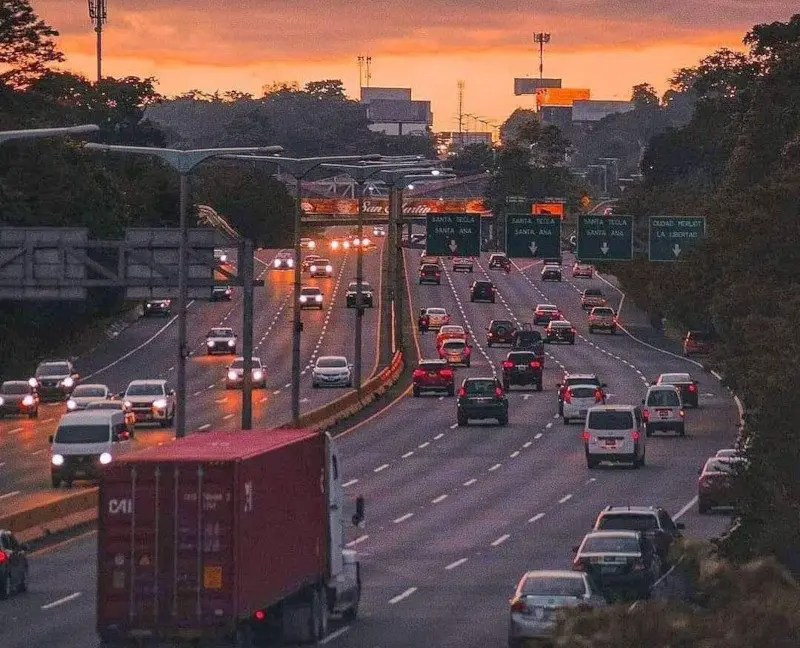
The U.S. dollar has been El Salvador’s official currency since 2001, making it one of the country’s biggest advantages for many foreigners and for those already living in El Salvador.
For Americans in particular, it eliminates exchange-rate concerns and simplifies everyday financial transactions.
Using the U.S. dollar allows residents to pay for expenses without exchanging currency or worrying about fluctuating exchange rates. Additionally, businesses, investors, and remote workers also benefit from a dollarized economy.
Combined with a relatively low cost of living, improved public security, and proximity to the United States, El Salvador’s use of the U.S. dollar continues to be one of the top reasons many people choose to live, retire, invest, or relocate to the country.
The Excellent Weather: Warm Climate Year-Round
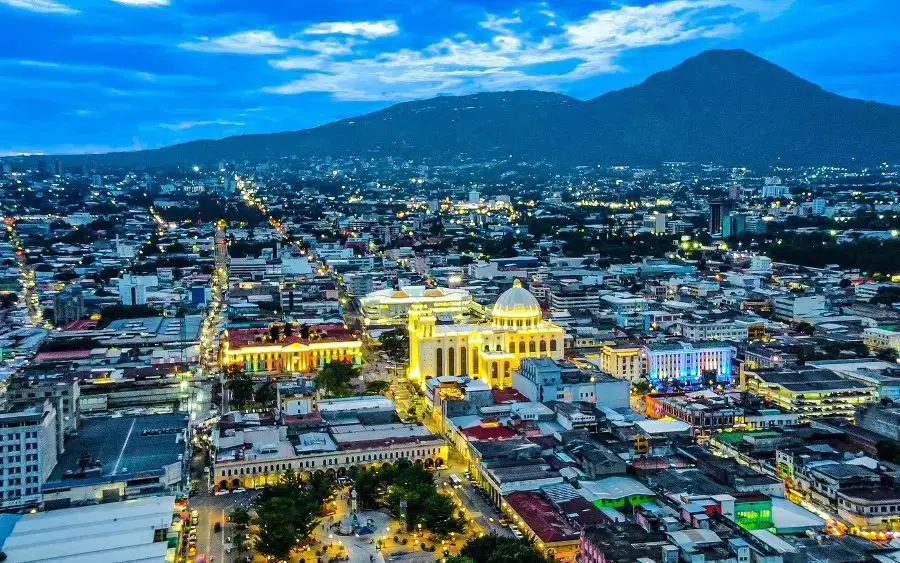
With warm tropical weather year-round, El Salvador offers an outdoor lifestyle that’s hard to beat. Whether you enjoy relaxing on the beach, exploring volcanoes, or hiking through national parks, there is always an opportunity to spend time outside.
The country has only two seasons: the dry season, from November to April, and the rainy season, from May to October. Even during the wetter months, temperatures remain warm and comfortable, making the climate one of El Salvador’s greatest attractions.
The changing seasons rarely disrupt everyday life. You can visit the beach any time of year, and the Pacific Ocean stays warm enough for swimming and surfing. While rainfall is more frequent during the wet season, it seldom lasts all day.
Volcanoes, lakes, waterfalls, and national parks also remain open for most of the year, with only occasional closures during periods of severe weather.
El Salvador’s consistent climate allows residents and visitors to enjoy outdoor activities year-round, making it one of the country’s most attractive features.
Beautiful Beaches and Natural Landscapes
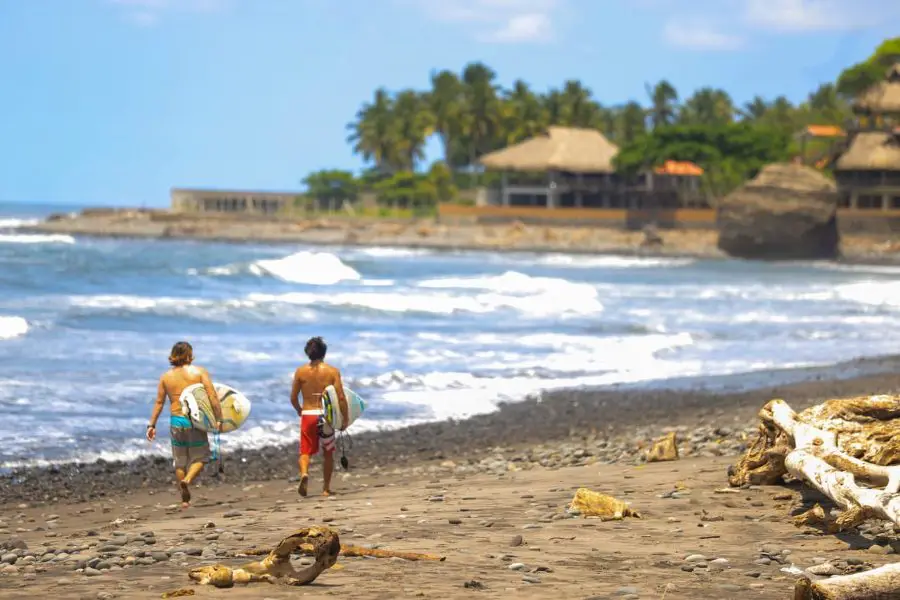
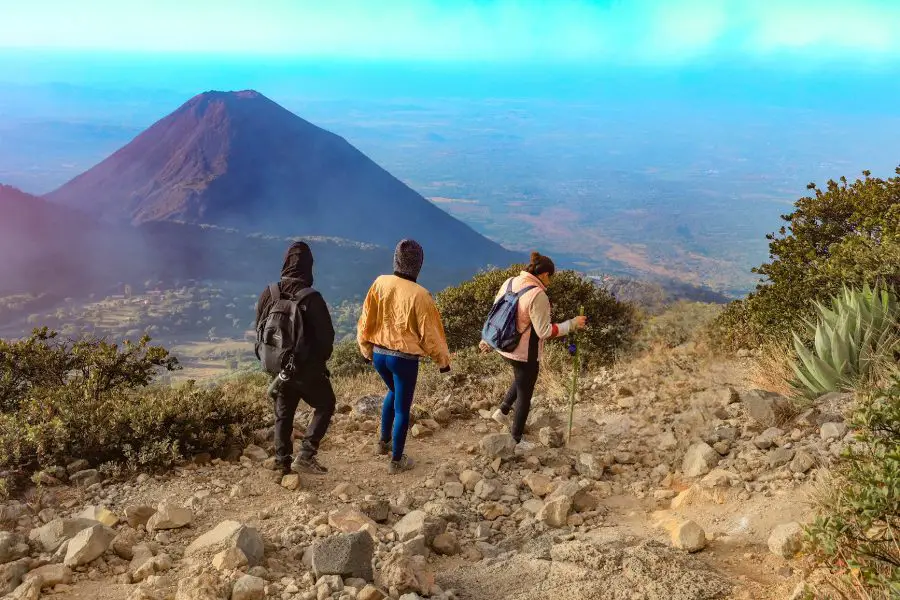
One of the biggest reasons people choose to live in or move to El Salvador is its remarkable variety of natural landscapes. From Pacific beaches to towering volcanoes, the country offers scenic destinations that are easy to enjoy year-round.
Unlike larger countries where reaching natural landscapes can require long journeys, El Salvador places many of its top attractions within a relatively short drive. Beaches, volcanoes, lakes, waterfalls, forests, and national parks are all close enough for convenient day trips or weekend adventures.
For many people, the Salvadoran Pacific coastline is appealing, with beaches known for surfing, swimming, fishing, and spectacular sunsets.
Inland, volcanic peaks, freshwater lakes, dense forests, and cascading waterfalls provide endless opportunities for hiking, sightseeing, birdwatching, and other outdoor activities.
This easy access to diverse natural settings encourages an active lifestyle. It makes it simple to escape the city whenever you need a change of scenery. For many residents, living close to nature is one of the country’s greatest everyday advantages.
If exploring these landscapes interests you, be sure to visit our El Salvador Tourism page, where you’ll find detailed guides to the country’s best beaches, volcanoes, national parks, lakes, waterfalls, and other must-see natural attractions.
Small Country with Big Convenience
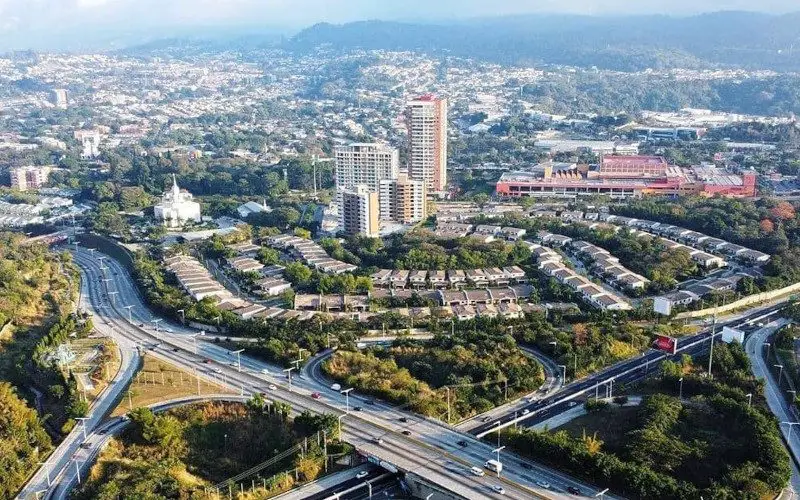
One of the biggest advantages of living in El Salvador is its compact size. Despite being the smallest country in Central America, it offers remarkable convenience by keeping cities, beaches, mountains, and attractions within easy reach.
You can drive from the Pacific coast to the mountains or between major cities in just a few hours, making weekend trips and daily travel far more practical.
Recent improvements to the country’s road infrastructure have made getting around even easier. Modern highways and upgraded roads connect many of El Salvador’s most important cities, tourist destinations, and commercial areas more efficiently than ever before.
This accessibility allows residents to spend less time commuting and more time enjoying work, family, and recreation. Whether you’re heading to the beach, exploring a volcano, or visiting another city, most destinations are only a short drive away.
Easy travel, shorter distances, and improved transportation make it possible to experience much of the country without spending hours on the road.
Friendly and Family-Oriented Culture
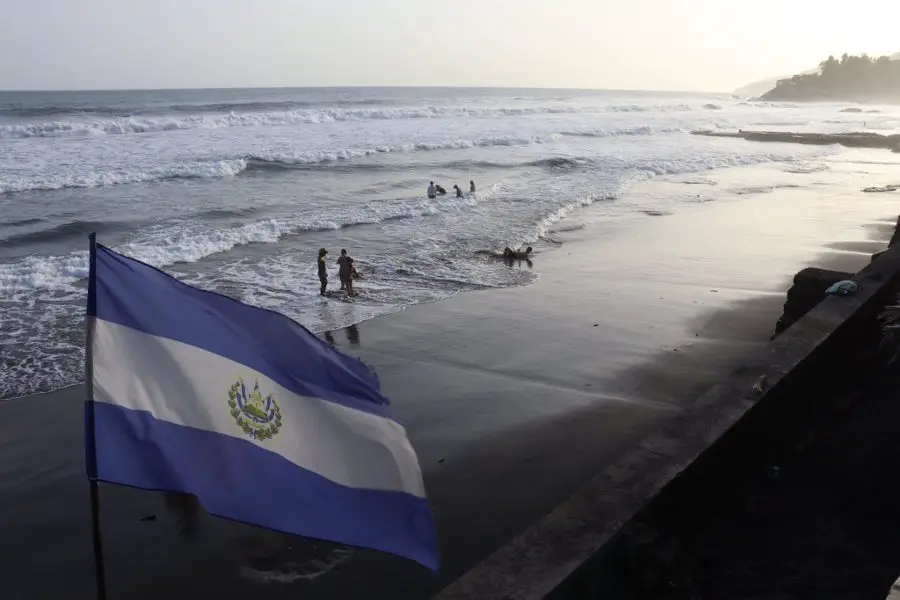
One of the most rewarding aspects of living in El Salvador is its friendly, family-oriented culture. Salvadorans are widely known for being welcoming, making it easier for newcomers to feel comfortable and become part of their local communities.
Visitors and long-term residents consistently describe Salvadorans as warm, respectful, and helpful people. Many foreigners who have lived in the country say the people are one of El Salvador’s greatest strengths.
Family is at the heart of everyday life in El Salvador, and close-knit communities are still a big part of the country’s culture. It’s common for neighbors to introduce themselves, lend a helping hand, and welcome newcomers into local activities, making it easy to feel like you belong.
That same welcoming spirit is easy to see during El Salvador’s holidays, festivals, and local celebrations, when families, friends, and entire communities come together.
If you want to learn more about these traditions, check out our El Salvador Holidays and Traditions page to see what makes the country’s celebrations so special.
If you’re considering relocating, learning about El Salvador Culture will help you appreciate the country’s values, traditions, cuisine, and social customs.

Growing Expat and Digital Nomad Community
El Salvador’s growing expat and digital nomad community is becoming another reason people choose to move to the country. Every year, more foreigners relocate here to enjoy the lower cost of living, pleasant climate, and relaxed lifestyle.
Most newcomers settle in popular beach towns and major urban areas, where reliable internet, modern amenities, and expanding coworking options make it easier to work remotely while enjoying everything the country has to offer.
Before making the move, it’s also worth learning what everyday life is really like. Our Things to Know About Living in El Salvador page covers practical topics and useful tips to help you settle into your new home with confidence.
Strategic Location
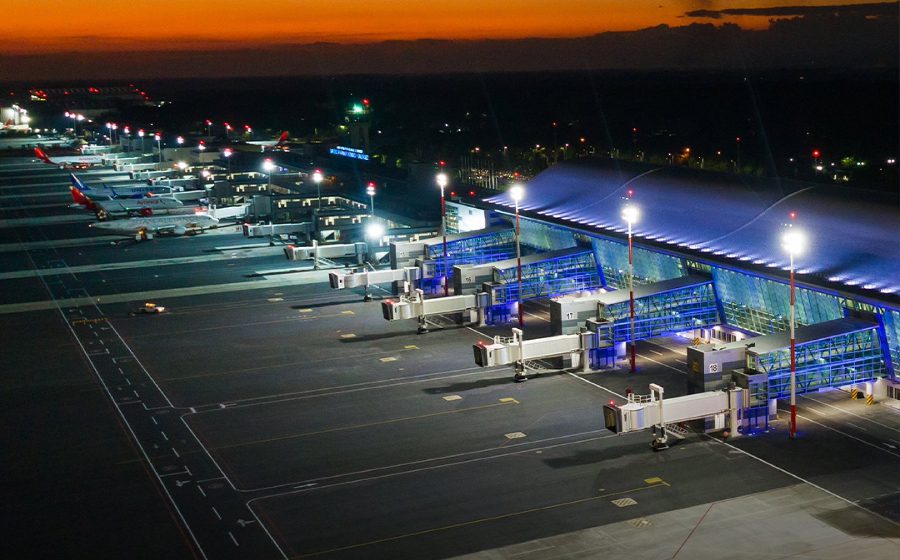
El Salvador’s strategic location is another reason many people choose to live here. It is in the heart of Central America; the country offers convenient access to North America while also serving as an excellent base for exploring the region.
The country has direct flights to numerous cities across the United States, Canada, and Europe, making business trips, family visits, and vacations simple. For many expats, retirees, and remote workers, staying connected with home is both easy and affordable.
The country’s location also makes regional travel convenient. From El Salvador, you can easily visit neighboring countries such as Guatemala, Honduras, Nicaragua, and Costa Rica.
Whether you’re traveling for work, leisure, or to visit family abroad, El Salvador’s central location saves both time and money.
Combined with modern air connections and short travel distances, it offers a level of convenience that appeals to people looking for an internationally connected lifestyle.
The combination of accessibility and connectivity is a major advantage, making El Salvador an ideal place to live while remaining close to North America and the rest of Central America.
Bitcoin-Friendly Economy
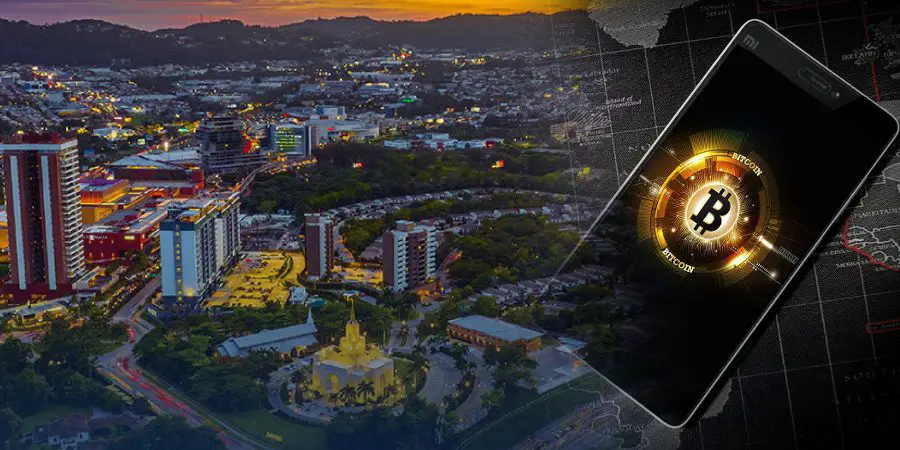
This reason may not appeal to everyone, but El Salvador’s Bitcoin-friendly policies are one reason some people choose to move there. In September 2021, El Salvador became the first nation in the world to adopt Bitcoin as legal tender, putting it at the center of global attention.
For Bitcoin enthusiasts and investors, the country offers several attractive benefits. Some benefits for individuals who wish to invest in El Salvador include tax-free real estate purchases, zero capital gains taxes on Bitcoin gains, and permanent residency with a path to citizenship.
In January 2025, Salvadoran authorities modified the Bitcoin law, causing some to believe that Bitcoin is no longer considered legal tender in the country.
However, although its mandatory acceptance was removed, Bitcoin remains legal to own and use.
The local population has not widely adopted Bitcoin as the government hoped. Just a low percentage of Salvadorans use Bitcoin, and a large percentage of the population is against it. Nonetheless, favorable Bitcoin laws are still a top reason for living in El Salvador.
Bitcoin has become one of the country’s most recognizable international talking points. If you’re curious about how it compares with El Salvador’s beaches, surfing, coffee, volcanoes, and other global highlights, explore our guide to What Is El Salvador Known for Worldwide Today.
Moving to El Salvador: Choosing to Live in El Salvador
Some people dismiss El Salvador as a place to live because of its reputation for crime and violence—a stigma that’s hard to ignore. Yet, the country has taken real steps toward becoming safer and more appealing in Central America.
Moving to El Salvador offers more than just relocation; it’s an adventure filled with diverse landscapes, rich traditions, and genuinely welcoming people. Yes, challenges exist, but the rewards can be life-changing.
Life here blends vibrant culture, natural beauty, and community warmth. While no place is perfect, El Salvador’s spirit makes it a worthwhile consideration. Many expats have already made the leap and are glad they did.
I hope the points shared in this article help you weigh your decision. El Salvador isn’t without problems, but it’s a country full of opportunity—and for many, a place worth calling home.