 San Salvador.
El Salvador packs an impressive amount of scenery, culture, and history into a small corner of Central America. You can hike a volcano in the morning, explore a historic town in the afternoon, then finish the day watching the Pacific sunset.
Travelers will find black-sand beaches, volcanic lakes, archaeological sites, mountain communities, national parks, and colorful towns. Better still, relatively short distances make it possible to experience several sides of the country during one trip.
Whether you’re coming for surfing, hiking, history, food, or a relaxing escape, these are some of the best places to visit in El Salvador.
- Best Places to Visit in El Salvador
- San Salvador
- Suchitoto
- Ruta de las Flores
- Santa Ana City
- Santa Ana Volcano
- Cerro Verde Volcano
- Lake Coatepeque
- El Tunco Beach
- El Zonte Beach
- Costa del Sol Beach
- Beaches El Cuco and Las Flores
- Cerro El Pital
- El Imposible National Park
- Tazumal
- Joya de Cerén
- La Palma
- Gulf of Fonseca
- Best Places in El Salvador by Type of Traveler
- For First-Time Visitors
- Beaches and Surfing
- Nature and Hiking
- History and Culture
- For Families
- For Adventure Travelers
- Best Time to Visit El Salvador
- Tips for Visiting El Salvador
Best Places to Visit in El Salvador
El Salvador rewards travelers who like variety. The Pacific coast attracts surfers and beach lovers, while the volcanic interior offers crater lakes, coffee-growing mountains, forests, hiking trails, and cooler temperatures.
Culture adds another layer to the trip. Historic centers, archaeological sites, traditional markets, local festivals, handicrafts, and Salvadoran food give visitors plenty to discover beyond the country’s better-known natural attractions.
No single destination captures everything the country offers. Some places are ideal for outdoor adventures, while others work better for history, beaches, nightlife, food, or simply slowing down.
San Salvador — Best for Culture, History, and City Life
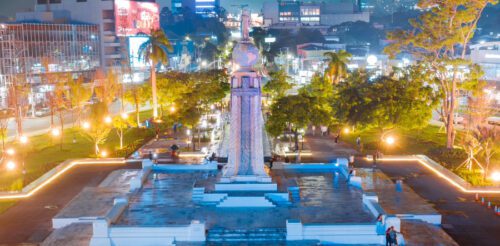
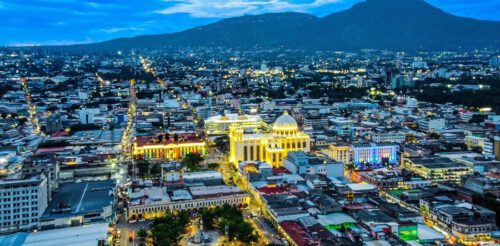
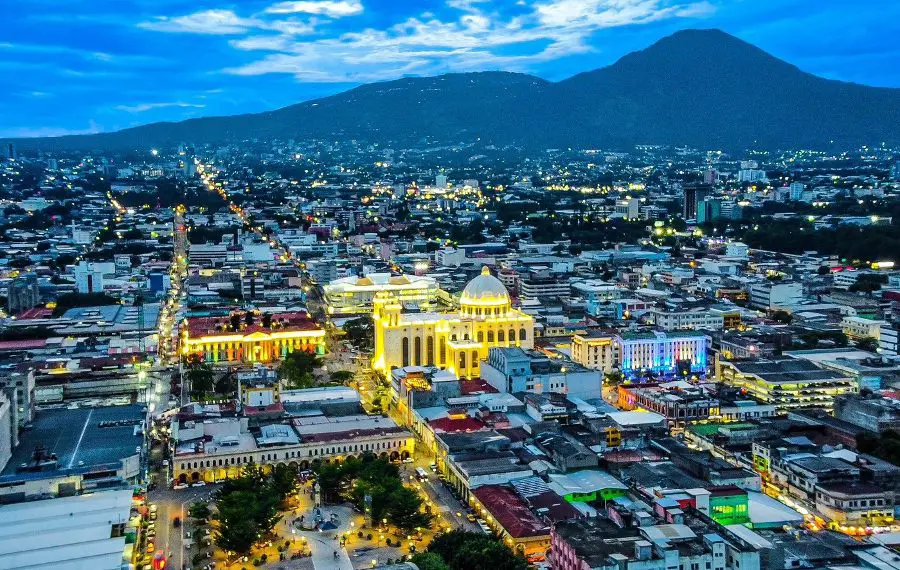
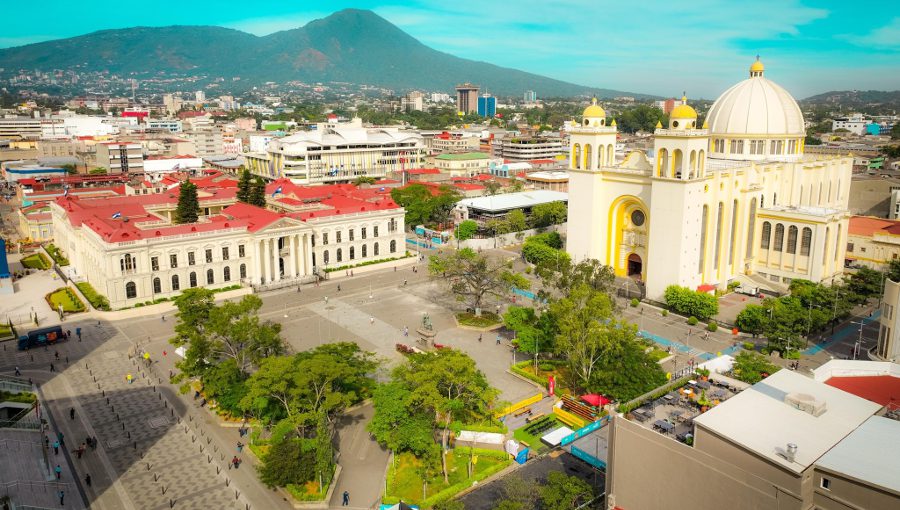
El Salvador’s capital provides an excellent introduction to the country’s history and modern culture. Visitors can explore the Historic Center, museums, churches, markets, restaurants, parks, and neighborhoods across the metropolitan area.
You can visit the historic center during the day and spend the evening discovering the city’s restaurants and entertainment districts. San Salvador also works well as a base for nearby day trips.
Suchitoto — Best for Colonial Charm and Culture
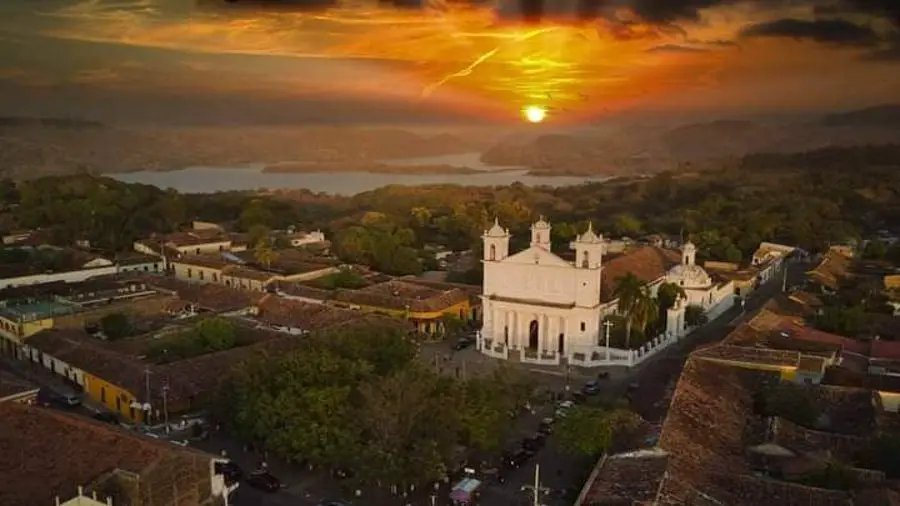
Cobblestone streets, tiled roofs, historic buildings, and colorful art galleries give Suchitoto a character you won’t find in El Salvador’s busy cities or beach towns. Around town, you’ll also find beautiful views of Lake Suchitlán.
Many visitors explore Suchitoto on a day trip, but staying overnight gives you more time to enjoy its slower pace. You can check out cultural events, try local restaurants, shop for handicrafts, and explore nearby natural attractions.
Ruta de las Flores — Best for Small Towns and Local Culture
The Ruta de las Flores connects several communities in western El Salvador surrounded by coffee plantations and mountains. The route combines colorful towns, traditional food, handicrafts, outdoor activities, and cooler highland scenery.
Juayúa
Juayúa stands out for its food scene and beautiful natural surroundings. You can explore the town, hike to nearby waterfalls, visit coffee farms, and make stops throughout the cool, scenic highlands.
Concepción de Ataco
Colorful murals and painted walls have become part of Ataco’s identity. Cafés, handicraft shops, restaurants, nearby coffee farms, and mountain scenery make the town an easy place to explore on foot.
Apaneca
Apaneca combines beautiful mountain scenery, coffee plantations, outdoor adventures, and cool weather that makes exploring the area comfortable. Since it sits along the Ruta de las Flores, you can easily visit Ataco, Juayúa, and other nearby towns on the same trip.
Santa Ana — Best for History and Volcano Adventures
Santa Ana combines historic architecture with easy access to some of western El Salvador’s major natural attractions. Its cathedral and theater stand among the most recognizable landmarks surrounding the city’s central plaza.
Many travelers also use Santa Ana as a base for visiting Lake Coatepeque, archaeological sites, coffee-growing areas, and the volcanoes within the nearby Los Volcanes region.
Santa Ana Volcano — Best for Volcano Hiking
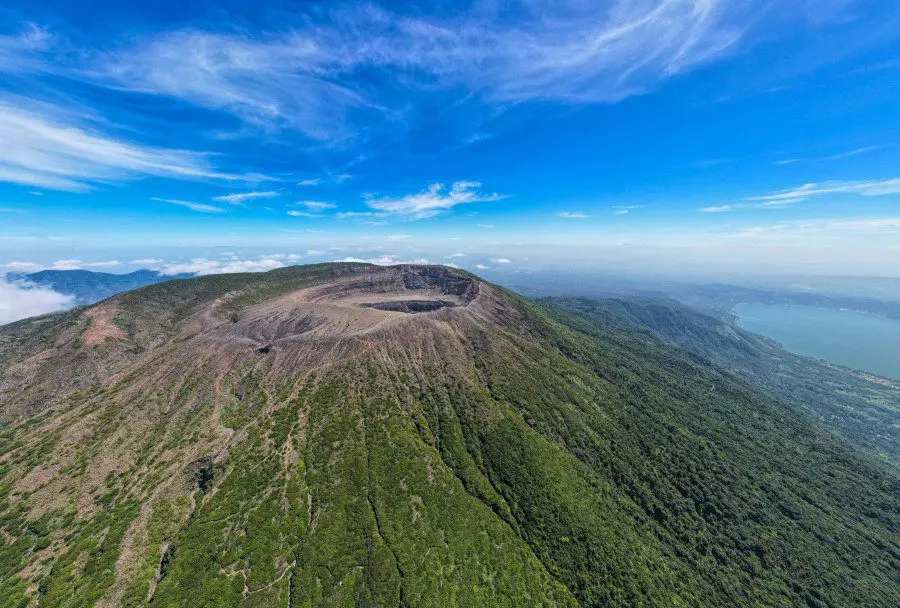
Santa Ana Volcano, also called Ilamatepec, offers one of El Salvador’s signature outdoor experiences. The climb leads hikers through changing landscapes toward a crater containing a striking volcanic lake.
The hike requires more effort than a casual nature walk, but the scenery makes it memorable. On clear days, elevated sections can reveal sweeping views across western El Salvador and neighboring volcanic landscapes.
Cerro Verde — Best for Mountain Scenery and Easy Nature Trips
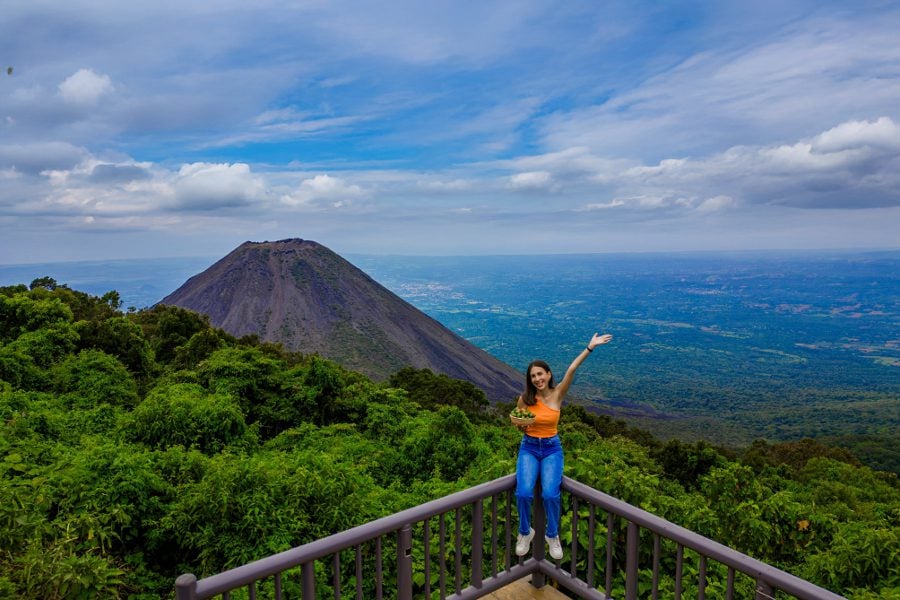
Cerro Verde provides mountain scenery without requiring visitors to complete a demanding volcano climb. Forest trails, viewpoints, gardens, and cooler temperatures make the area suitable for a relaxed nature-focused excursion.
The surrounding landscape is the real attraction. Visitors can enjoy impressive perspectives of Izalco Volcano and Santa Ana Volcano while exploring one of the country’s best-known volcanic areas.
Lake Coatepeque — Best for Lake Views and Relaxation
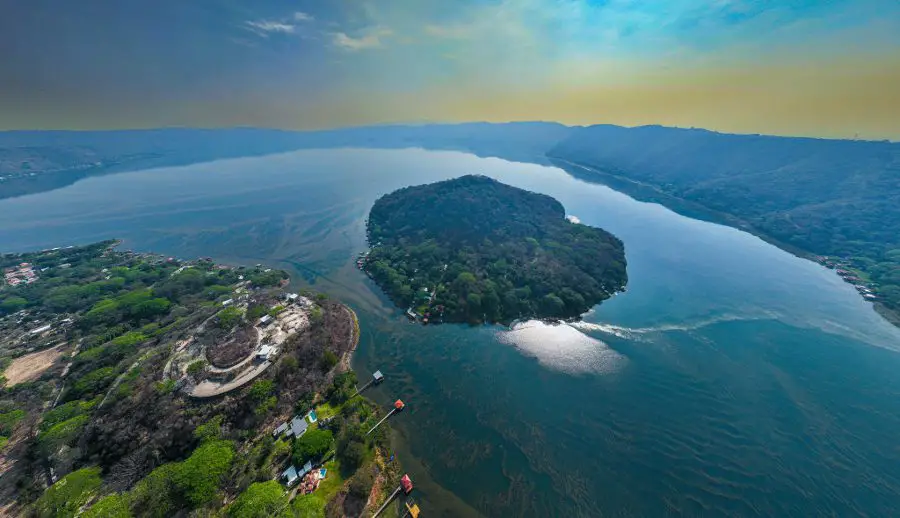
Steep volcanic slopes surround Lake Coatepeque, creating one of El Salvador’s most recognizable landscapes. Restaurants, hotels, vacation properties, viewpoints, and water activities have developed around different sections of the lake.
Visitors can kayak, swim, enjoy lunch overlooking the water, or simply spend a quiet afternoon taking in the scenery. Its location also makes Coatepeque easy to combine with nearby volcanoes.
El Tunco — Best for Surfing and Nightlife
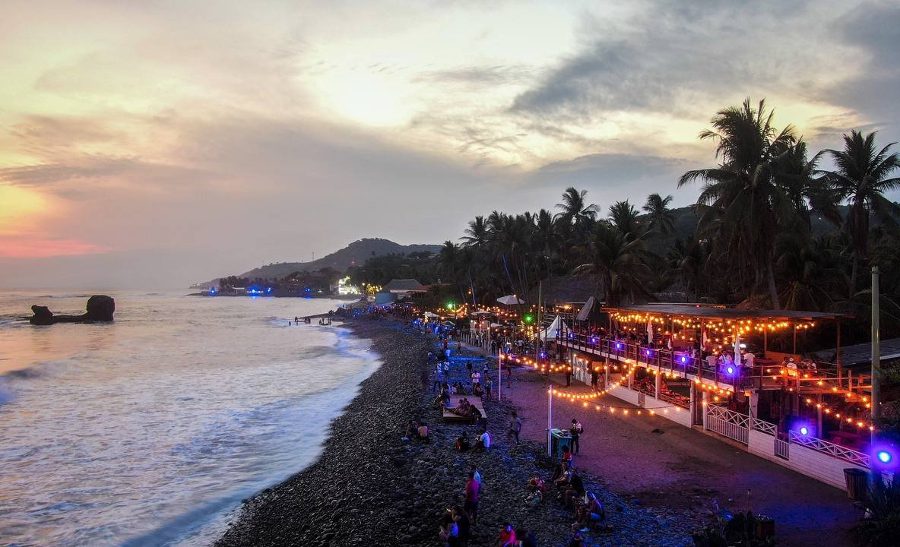
El Tunco helped establish El Salvador’s Pacific coast on the international travel map. The small beach community attracts surfers, backpackers, weekend visitors, and travelers looking for restaurants and nightlife near the ocean.
Surfing remains a major attraction, but you don’t need a board to enjoy El Tunco. Visitors also come for coastal scenery, beachside restaurants, lively evenings, and sunsets over the Pacific.
El Zonte — Best for a More Relaxed Beach Experience
Continue along the coast to find El Zonte Beach, a premier surfing community. Its rocky shoreline, consistent waves, tropical scenery, and relaxed vibe create a distinct atmosphere compared to the nearby El Tunco.
Surfers can spend hours in the water, while other travelers relax around the beach or local accommodations. El Zonte works especially well for visitors seeking a quieter coastal stay.
Costa del Sol — Best for a Traditional Beach Vacation
Playa Costa del Sol gives you a different beach experience from El Salvador’s popular surf towns. Its long stretch of sandy coastline draws families, groups of friends, and travelers looking for a classic beach getaway with plenty of places to stay near the water.
The nearby estuary gives visitors even more to explore. You can enjoy fresh seafood, take a boat ride, spend time on the beach, or simply relax by the water without filling your day with activities.
El Cuco and Las Flores — Best for Eastern El Salvador’s Beaches
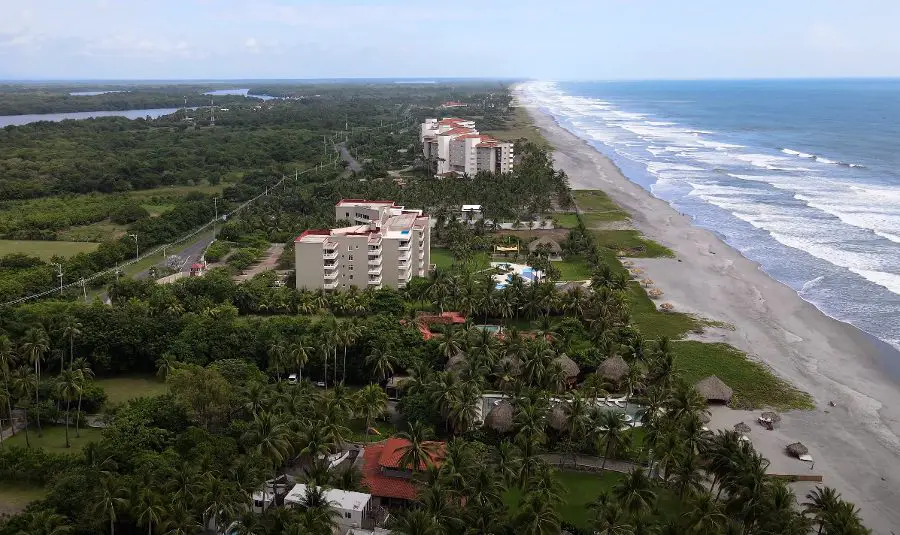
Eastern El Salvador has its own impressive stretch of Pacific coastline. El Cuco provides a broad beach and established tourism services, while nearby Las Flores has developed a strong reputation among surfers.
This part of the country suits travelers willing to venture beyond the most frequently visited western destinations. Warm water, tropical landscapes, surfing, and a slower coastal atmosphere reward the extra travel time.
El Pital — Best for Cool Weather and Mountain Views
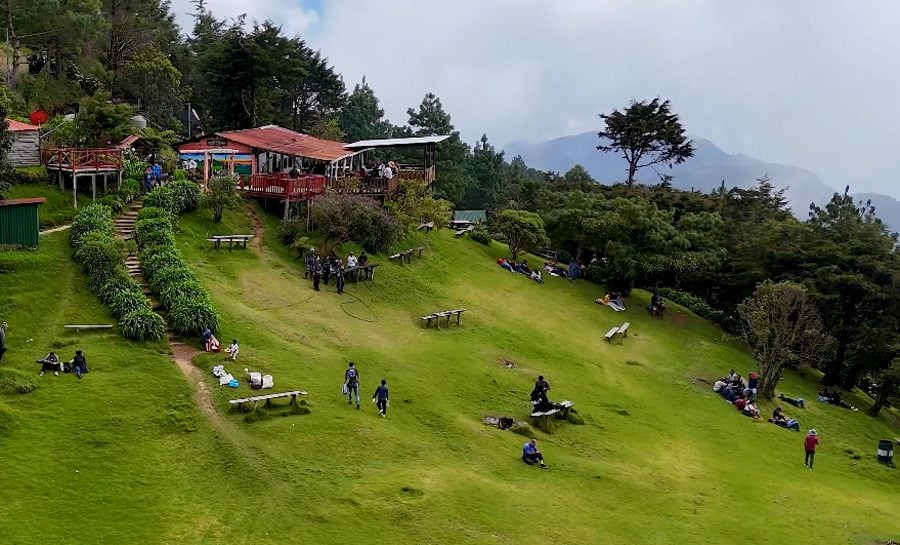
El Pital shows visitors a completely different side of El Salvador. Located along the border with Honduras, the mountain reaches the country’s highest elevation and offers forests, viewpoints, hiking, camping, and cool temperatures.
Bring a light jacket or warmer clothes, especially for the cool mornings and evenings. Up in the mountains, the cooler weather feels like a refreshing change from the tropical heat along El Salvador’s Pacific coast.
El Imposible National Park — Best for Hiking and Wildlife
El Imposible protects one of El Salvador’s most important natural areas. Its rugged terrain, forests, rivers, wildlife, and hiking routes make the park particularly appealing to travelers interested in ecology and outdoor exploration.
This isn’t just another volcano excursion. Visitors explore dense forests, discover local biodiversity, and get a glimpse of the natural ecosystems that once covered much more of the region.
Tazumal — Best for Exploring El Salvador’s Maya Heritage
Tazumal gives visitors a closer look at El Salvador’s pre-Hispanic past. Located in Chalchuapa, this archaeological site features structures that reflect centuries of settlement, cultural growth, trade, and connections with other communities across the region.
Chalchuapa also has several other archaeological sites nearby, making the area especially interesting for travelers who enjoy history. Visiting Tazumal adds a different side to an El Salvador trip filled with beaches, volcanoes, mountains, and outdoor adventures.
Joya de Cerén — Best for Understanding Everyday Maya Life
Joya de Cerén offers something unusual among Central American archaeological sites. Rather than focusing primarily on monumental temples, the site preserves evidence of everyday life within an ancient farming community.
Centuries ago, volcanic ash buried the settlement and preserved its buildings and other traces of daily life. Today, you can explore the site and discover how ordinary people lived, worked, and stored food.

La Palma — Best for Salvadoran Art and Handicrafts
La Palma sits among the mountains of northern El Salvador and has become closely associated with colorful Salvadoran folk art. Painted handicrafts and designs inspired by artist Fernando Llort appear throughout the community.
The mountain setting adds to the experience. Visitors can browse workshops and shops, explore the town, enjoy the cooler climate, and combine La Palma with other destinations in the northern highlands.
Gulf of Fonseca — Best for Islands and Coastal Scenery
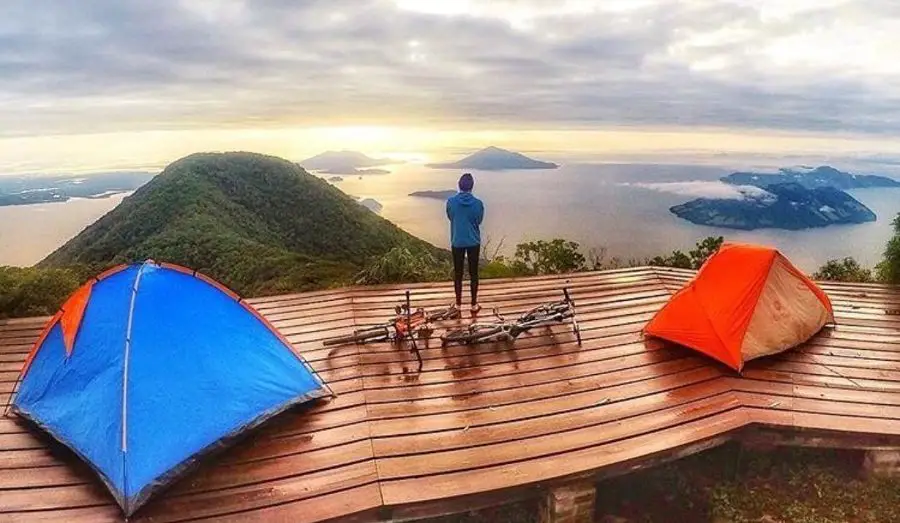
The Gulf of Fonseca creates one of eastern El Salvador’s most dramatic landscapes. Islands, volcanic formations, fishing communities, and calm gulf waters provide scenery that differs considerably from the open Pacific coastline.
Boat excursions allow travelers to see the gulf from its best perspective. From the La Unión area, visitors can explore islands and coastal communities while viewing volcanic landscapes shared by El Salvador, Honduras, and Nicaragua.
Best Places in El Salvador by Type of Traveler
Choosing where to go becomes easier once you know what kind of trip you want. El Salvador’s compact geography allows travelers to combine several interests without spending entire days moving between destinations.
Places to visit in El Salvador for First-Time Visitors
First-time travelers can build a balanced trip around San Salvador, Suchitoto, Ruta de las Flores, Lake Coatepeque, Santa Ana Volcano, and the Pacific coast. Together, they provide a broad introduction to the country.
Best Places for Beaches and Surfing
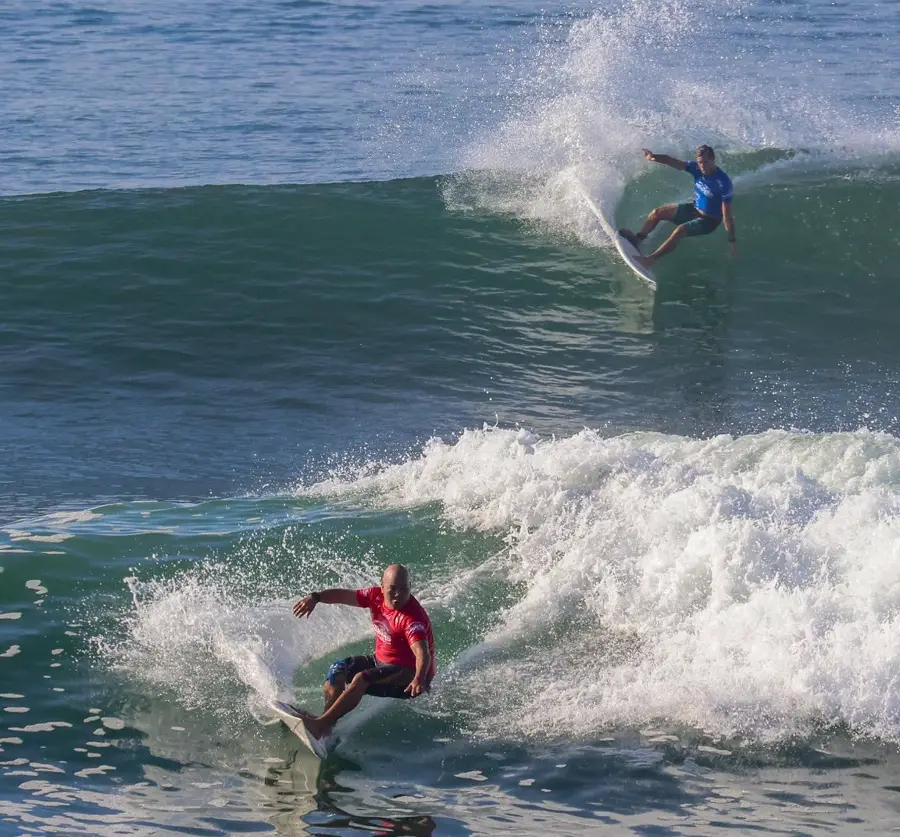
El Tunco and El Zonte are great choices if you want easy access to established surf communities. For a more traditional beach getaway, head to Costa del Sol. Farther east, El Cuco and Las Flores offer beautiful beaches and a more laid-back look at El Salvador’s coastline.
Best Places for Nature and Hiking
Santa Ana Volcano delivers amazing volcanic scenery, while Cerro Verde offers easier nature experiences. El Pital brings visitors into the northern mountains, and El Imposible provides forests, wildlife, and more rugged hiking opportunities.
Best Places for History and Culture
San Salvador and Suchitoto provide urban and colonial-era history, while Tazumal and Joya de Cerén take visitors much further into the past. La Palma highlights another side of Salvadoran artistic culture.
Places to visit in El Salvador for Families
Lake Coatepeque, Cerro Verde, Suchitoto, Costa del Sol, and selected Ruta de las Flores towns work well for families because visitors can find activities without depending entirely on demanding hikes or adventure sports.
Best Places for Adventure Travelers
Adventure travelers have plenty of choices. They can surf Pacific waves, climb Santa Ana Volcano, hike through El Imposible, camp around El Pital, explore waterfalls, or take boat trips through the Gulf of Fonseca.
Best Time to Visit El Salvador
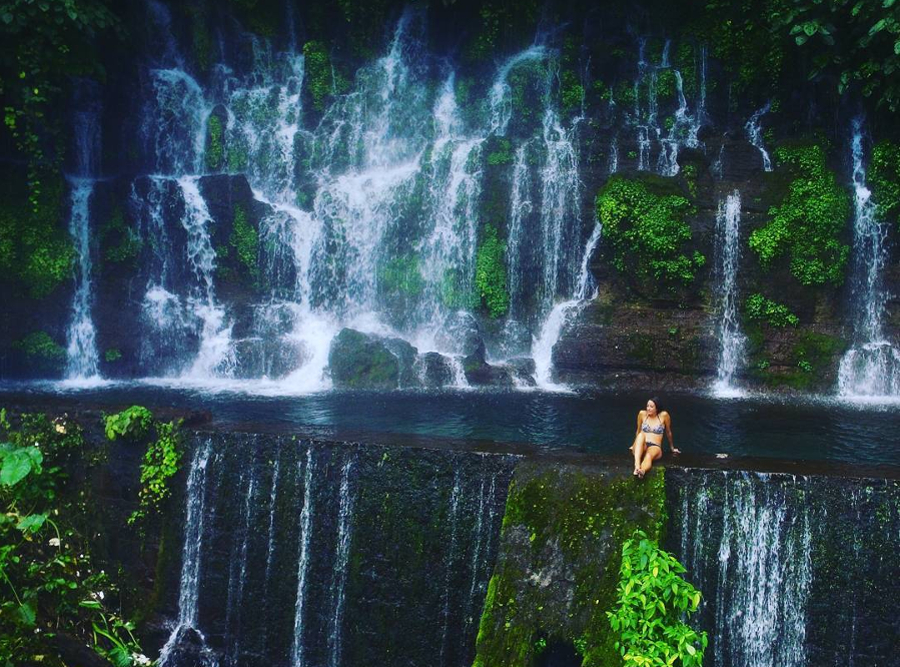
El Salvador has distinct dry and rainy seasons, but travel doesn’t stop when rain arrives. The experience changes depending on whether you’re planning beach days, volcano hikes, surfing, or countryside exploration.
The dry months usually bring more predictable weather, making it easier to plan hikes, road trips, sightseeing, and beach days. Popular outdoor spots can get crowded on weekends, holidays, and during major vacation periods.
The rainy season turns much of the countryside lush and green. Rain often arrives later in the day, but weather conditions can change quickly, so it’s best to stay flexible when planning hikes and other outdoor activities.
Tips for Visiting El Salvador
A little planning can make your trip much easier. Pack for El Salvador’s tropical heat, but bring something warmer if you’re heading into the mountains. Carry some cash for small businesses, and give yourself extra time when traveling between different parts of the country.
If you’re planning outdoor activities, get an early start and check access conditions before you leave. Volcanoes, national parks, archaeological sites, and protected areas may have set hours, entry rules, guide requirements, or temporary closures.
Most importantly, don’t plan every minute of your trip. Leave some room to explore along the way. A roadside restaurant, local market, coffee stop, scenic viewpoint, or friendly conversation with locals can easily become one of your favorite travel memories.
Best Places to Visit in El Salvador
The best trip doesn’t need to cover every destination. Choose places that match your interests, then give yourself enough time to experience them instead of treating the country like a checklist.
El Salvador may be small, but its landscapes and communities change quickly as you travel. Beaches give way to volcanoes, coffee country, historic towns, archaeological sites, forests, lakes, and mountain communities.
That variety is what makes exploring the country so rewarding. You can come for the famous places, but the unexpected stops between them often reveal just as much about El Salvador.