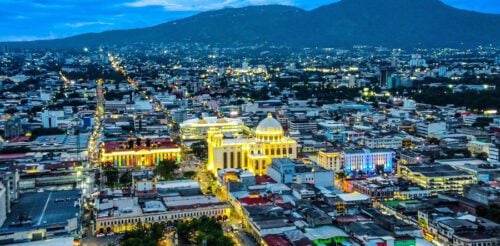
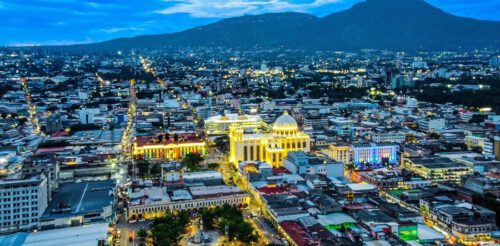
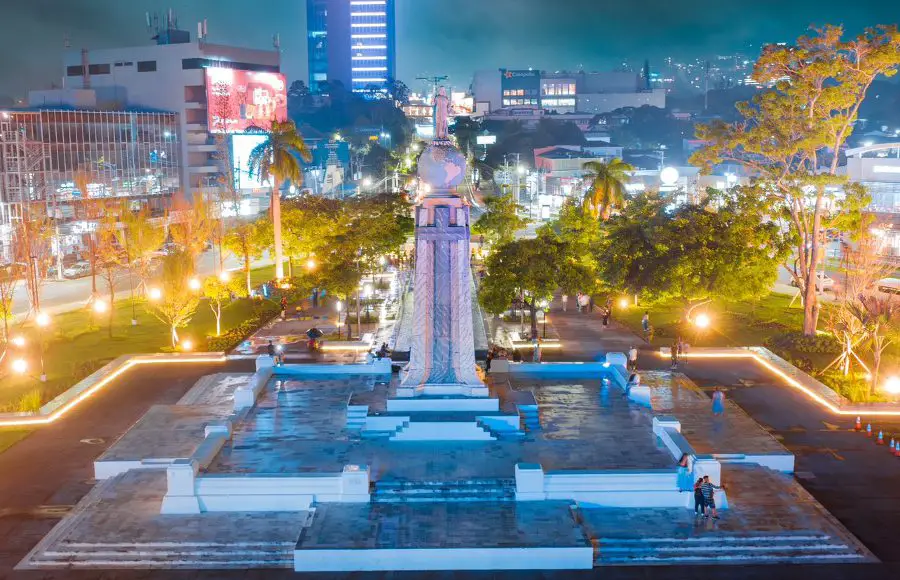
 Divine Savior of the World Monument in San Salvador.
 El Salvador doesn’t ask travelers to choose between beaches, volcanoes, historic places, great food, or lively cities. So, why Visit El Salvador, because you can experience all of them without spending half your vacation moving between destinations.
El Salvador’s small size is part of what makes it special. You don’t have to travel far to find completely different landscapes, towns, and experiences across this small Central American country.
For travelers wondering, “Is El Salvador worth visiting?”, the answer goes beyond any single attraction. The real appeal comes from combining nature, history, food, culture, adventure, and everyday Salvadoran life in one trip.
- El Salvador Packs a Lot Into a Small Country
- Safety Improvements Have Changed Travel in El Salvador
- Visiting El Salvador Can Be Relatively Affordable
- The Pacific Coast Offers More Than Surfing
- Volcanoes Define Much of the Landscape
- Nature Extends Beyond the Volcanoes
- Salvadoran Food Deserves a Place in Your Itinerary
- Archaeological Sites Reveal a Much Older El Salvador
- Traditional Towns Show Another Side of the Country
- Festivals Keep Salvadoran Traditions Alive
- San Salvador Adds an Urban Experience
- Adventure Can Be Part of Almost Every Trip
- Everyday Salvadoran Life Is Part of the Experience
- So, Is El Salvador Worth Visiting?
El Salvador Packs a Lot Into a Small Country
One of the best reasons as to why visit El Salvador is its size. Travelers can build an itinerary with several completely different experiences without needing long domestic flights or exhausting travel days.
You can explore San Salvador in the morning, head toward a volcanic lake or mountain area later, and finish the day watching the sunset near the Pacific coast.
That accessibility changes how visitors experience the country. Instead of dedicating several days to reaching one major destination, many travelers can combine cities, archaeological sites, volcanoes, beaches, and traditional towns during the same trip.
El Salvador also works well if you don’t have much vacation time. You can experience a surprising amount of the country in a week, while a longer stay gives you time to discover lesser-known communities and natural areas.
Safety Improvements Have Changed Travel in El Salvador
Safety concerns shaped El Salvador’s international reputation for decades, and travelers should understand that history. However, the country’s security situation has changed significantly, making many destinations more accessible to visitors.
Popular beaches, historic districts, parks, towns, and other attractions now receive visitors who might have avoided the country in the past. Salvadorans themselves also travel widely throughout the country for recreation.
Better security has made it easier to explore beyond the usual tourist spots. You can visit historic downtown areas, small towns, public spaces, and local businesses while getting a closer look at everyday Salvadoran life.
Still, don’t leave common sense at home. Stay aware of your surroundings, keep an eye on your valuables, learn about unfamiliar areas before visiting, and check current travel advice before your trip.
For anyone asking whether El Salvador is worth visiting, improved safety adds another reason to consider the country. Places once overlooked by international travelers have become easier to include in a broader itinerary.
Visiting El Salvador Can Be Relatively Affordable
You don’t necessarily need a large travel budget to experience El Salvador. Local food, transportation, attractions, and accommodations provide options for travelers who want to keep their daily expenses manageable.
Eating where locals eat can help you save money while experiencing Salvadoran food. Try pupuserías, markets, bakeries, small restaurants, and roadside spots for affordable meals and plenty of local flavor.
You’ll also find accommodations for almost every budget. Stay at a simple hostel or guesthouse, rent a vacation home, or spend more on a boutique hotel, beach property, or upscale resort.
How you get around will also affect your budget. Public buses cost less, while rental cars, taxis, ride-hailing services, and private drivers give you more comfort and flexibility for a higher price.
Many of the best things to experience in El Salvador also don’t require expensive admission fees. Beaches, town centers, viewpoints, markets, and public spaces can fill an itinerary without adding much to the budget.
Combined with the country’s short travel distances, that affordability can make exploring several destinations easier. You can spend your money on experiences rather than using a large portion of your budget simply getting from place to place.
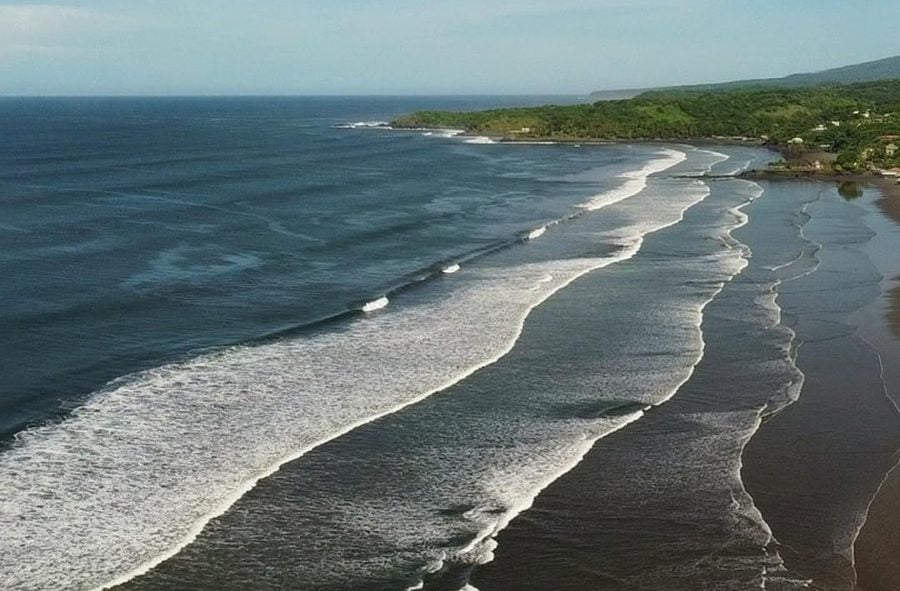
The Pacific Coast Offers More Than Surfing
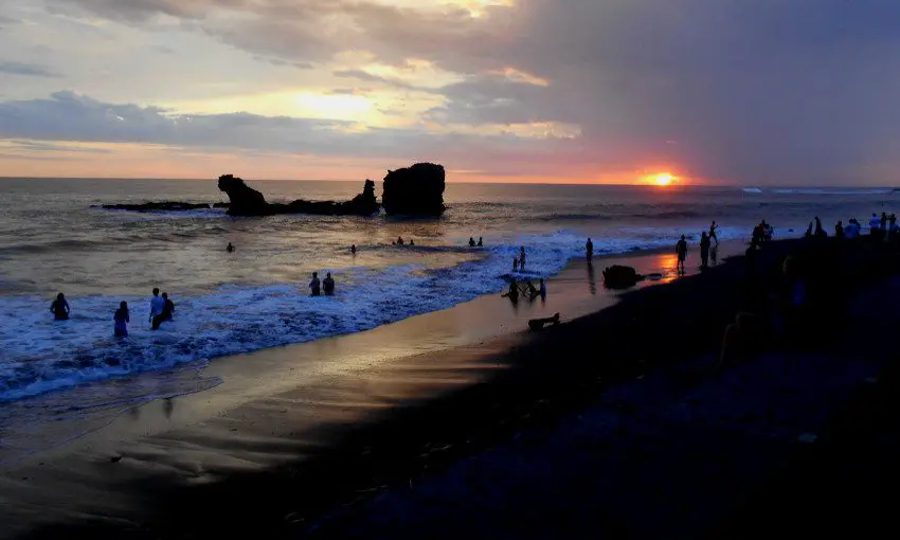
El Salvador’s Pacific coastline has become one of its best-known attractions, particularly among surfers drawn to the powerful waves and rocky points found along sections of the coast.
Places such as El Tunco, El Zonte, and Punta Roca have helped put Salvadoran surfing on the international map. But you don’t need to carry a surfboard to enjoy the coastline.
Beach destinations stretch across the country, from popular weekend escapes to quieter coastal communities. Visitors come to swim, eat fresh seafood, watch sunsets, relax, or simply spend a day near the ocean.
Farther east, the coastline around El Cuco and the Gulf of Fonseca provides another perspective. In western El Salvador, Los Cóbanos offers beaches alongside rocky and marine environments.
Volcanoes Define Much of the Landscape
Look across El Salvador from the right viewpoint, and there’s a good chance you’ll see a volcano. These dramatic peaks aren’t simply scenery; they’re part of the country’s geography and identity.
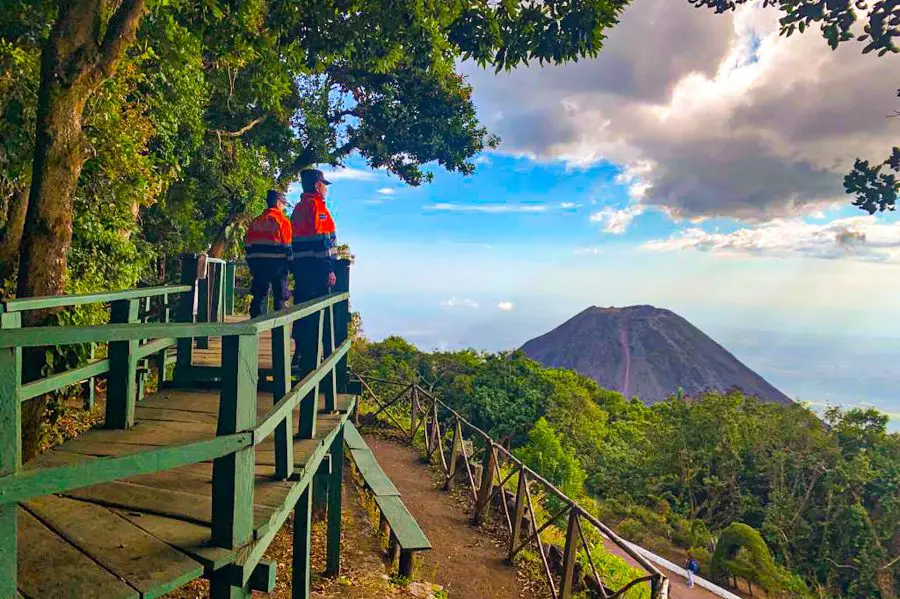
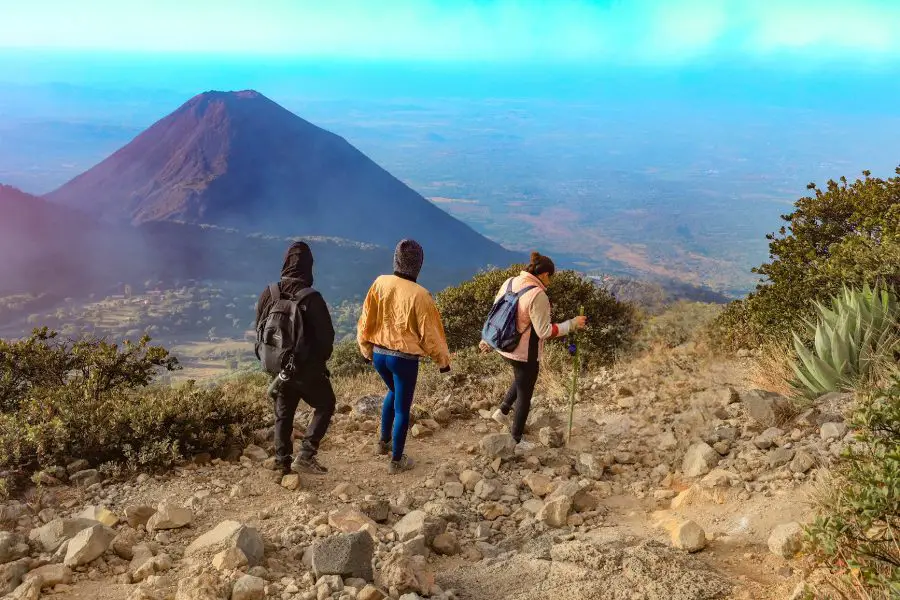
The western volcanic region offers some of the country’s most memorable landscapes. Cerro Verde provides access to mountain scenery and views of nearby volcanoes, while Santa Ana Volcano attracts hikers seeking a more demanding adventure.
Volcanoes also appear near cities, lakes, farms, and communities throughout the country. Their presence helps explain why such a small territory can offer so many different elevations, climates, viewpoints, and landscapes.
For outdoor travelers, volcano hiking ranks high among the things to experience in El Salvador. Others may prefer enjoying the scenery from viewpoints, restaurants, parks, or mountain accommodations.
Nature Extends Beyond the Volcanoes
El Salvador offers much more than impressive volcanoes. You can explore dense forests, beautiful lakes, rivers, waterfalls, wetlands, coastal areas, and protected areas across the country.
El Imposible National Park protects one of the country’s most important natural areas, while Lake Coatepeque offers a very different setting surrounded by steep volcanic terrain.
You can also explore waterfalls, mountain forests, mangroves, and coastal ecosystems across El Salvador. In the Gulf of Fonseca, you’ll find scenic islands and beautiful views across waters shared with Honduras and Nicaragua.
These landscapes give travelers options. One day might involve a challenging hike, while another can mean sitting beside a lake, exploring a park, taking a boat trip, or finding a mountain viewpoint.
Salvadoran Food Deserves a Place in Your Itinerary
Food is one of the easiest ways to experience Salvadoran culture. Pupusas are the obvious starting point, but treating them as the entire national cuisine means missing much of the story.
Travelers can encounter tamales, yuca, soups, seafood, traditional breads, seasonal dishes, tropical fruits, local cheeses, and regional specialties while visiting markets, roadside businesses, restaurants, festivals, and small towns.
Ingredients like loroco give Salvadoran food a distinctive local flavor. Head to the coast, and you’ll find plenty of fresh seafood, while towns and rural communities keep traditional recipes alive.
You don’t have to plan a special food tour to enjoy Salvadoran cuisine. Visit a local market, stop at a pupusería, try something new, or order a dish that locals enjoy. Food simply becomes part of the trip.
Archaeological Sites Reveal a Much Older El Salvador
Long before modern El Salvador existed, Indigenous communities built settlements and ceremonial centers across the region. Several archaeological sites allow today’s visitors to encounter pieces of that much older history.
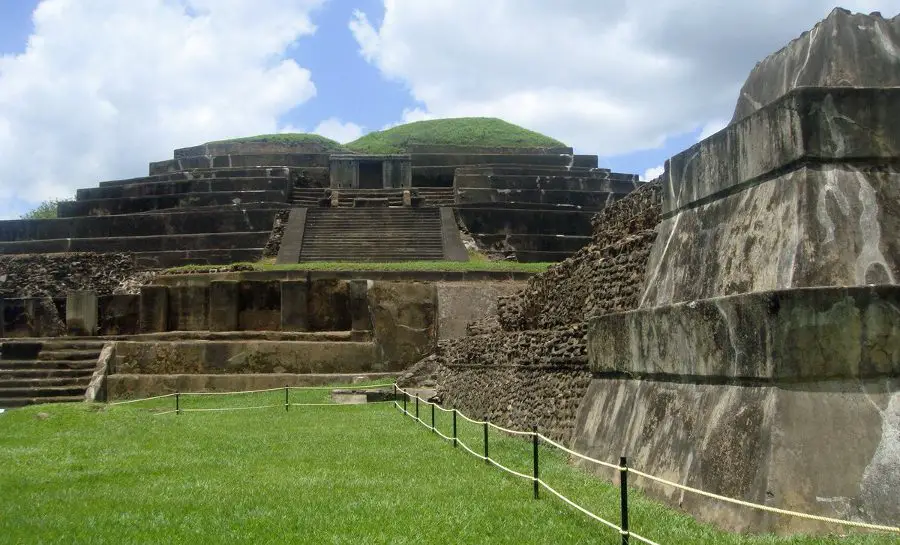
Joya de Cerén stands out because volcanic ash preserved evidence of everyday life in a pre-Hispanic farming community. Its story offers something different from monumental archaeological sites elsewhere in Mesoamerica.
Tazumal and San Andrés offer another look into El Salvador’s ancient past. Exploring these archaeological sites helps visitors see that the country’s history began long before colonial times, independence, civil war, or modern politics.
For culturally curious travelers, archaeological sites are another reason why El Salvador is worth visiting. They add historical depth to trips that might otherwise revolve primarily around beaches and outdoor adventures.
Traditional Towns Show Another Side of the Country
Some of the most rewarding travel experiences happen away from major attractions. Salvadoran towns offer markets, churches, plazas, food, handicrafts, festivals, and glimpses of routines that don’t revolve entirely around tourism.
The Ruta de las Flores is probably the best-known example. Its mountain towns draw visitors with colorful streets, local restaurants, coffee farms, lively markets, traditional crafts, and the cooler weather of El Salvador’s western highlands.
But there’s much more to explore beyond this popular route. Panchimalco proudly keeps its cultural traditions alive, while towns across El Salvador celebrate religious festivals, local customs, and community traditions throughout the year.
Spending time in these places helps answer the question of what makes El Salvador special. The country becomes more interesting when travelers experience communities as well as famous destinations.
Festivals Keep Salvadoran Traditions Alive
Travel at the right time and a quiet town can suddenly fill with music, religious processions, food vendors, decorations, families, and visitors arriving for an annual celebration.
Holy Week remains one of the country’s most important periods, combining religious observances with family travel and vacation traditions. Local patron saint festivals also play an important role in communities throughout El Salvador.
Events like Día de los Farolitos give towns their own character and offer travelers a closer look at Salvadoran culture. These celebrations keep traditions alive and pass them from one generation to the next.
Dates and schedules may change from year to year, but the traditions remain. Check local calendars before your trip—you might find a town festival that becomes one of your favorite travel memories.

San Salvador Adds an Urban Experience
El Salvador isn’t only volcanoes, beaches, and picturesque towns. Its capital provides another layer of the trip, particularly for travelers interested in history, museums, food, architecture, nightlife, and contemporary Salvadoran life.
Within a relatively small area of San Salvador’s historic center, you can explore churches, plazas, public buildings, markets, and cultural landmarks. Venture into other parts of the city, and you’ll discover San Salvador’s more modern side.
Restaurants, cafés, shopping areas, museums, parks, and entertainment options make the capital worth exploring rather than treating it solely as a place to arrive and immediately leave.
San Salvador also works as a practical base for day trips. Several natural attractions, towns, archaeological areas, and coastal destinations sit within manageable traveling distance of the metropolitan area.

Adventure Can Be Part of Almost Every Trip
Travelers looking for activity don’t have to search far. Surfing and volcano hiking may receive the most attention, but El Salvador offers many other opportunities to spend time outdoors.
Depending on the destination, visitors can hike, camp, kayak, take boat trips, explore waterfalls, cycle, swim, visit coffee-growing areas, or simply walk through mountain communities and protected landscapes.
The advantage is flexibility. An adventurous morning doesn’t require an adventurous week. Travelers can hike a volcano one day and spend the next eating seafood beside the Pacific.
That mixture makes planning easier for couples, families, and groups with different interests. Not everyone needs to enjoy the same activity for everyone to enjoy the destination.
Everyday Salvadoran Life Is Part of the Experience
Not every memorable travel moment needs an admission ticket. Sometimes it comes from drinking coffee in a small town, browsing a market, talking with a vendor, or eating breakfast at a neighborhood restaurant.
Visitors who venture beyond established tourism areas encounter a country shaped by family life, local commerce, agriculture, religion, migration, food traditions, football, music, and countless regional differences.
Those everyday encounters provide context that beaches and volcanoes can’t offer alone. They help travelers understand El Salvador as a living country rather than simply a collection of attractions.
For Salvadorans living abroad, these experiences can carry another meaning. Traveling through the country can also become a way to reconnect with family history, familiar traditions, food, and places connected to earlier generations.
So, Why Visit El Salvador?
El Salvador works especially well for travelers who prefer variety. You don’t have to build an entire vacation around surfing, hiking, history, food, cities, or cultural tourism unless you want to.
Instead, you can combine them. Spend time on the Pacific coast, hike through volcanic landscapes, walk among archaeological ruins, explore a mountain town, eat local food, and discover San Salvador along the way.
That’s ultimately one of the strongest reasons to visit El Salvador. Few destinations allow travelers to experience so many contrasting environments and activities while covering relatively short distances.
What makes El Salvador special isn’t one landmark that defines the entire country. It’s the collection of experiences packed together—beaches, volcanoes, history, towns, food, cities, landscapes, traditions, and the rhythms of everyday Salvadoran life.
Come for whichever part first catches your attention. The real reward comes from discovering how much more of El Salvador waits just beyond it.