High in the mountains of Morazán, the small town of Perquín offers something few destinations in El Salvador can match: beautiful scenery, cool weather, rural culture, and a powerful connection to the country’s recent history.
Today, travelers come for mountain views, hiking, local food, and quiet weekends. But in many places, reminders of the Salvadoran Civil War show how deeply the conflict shaped this small community.
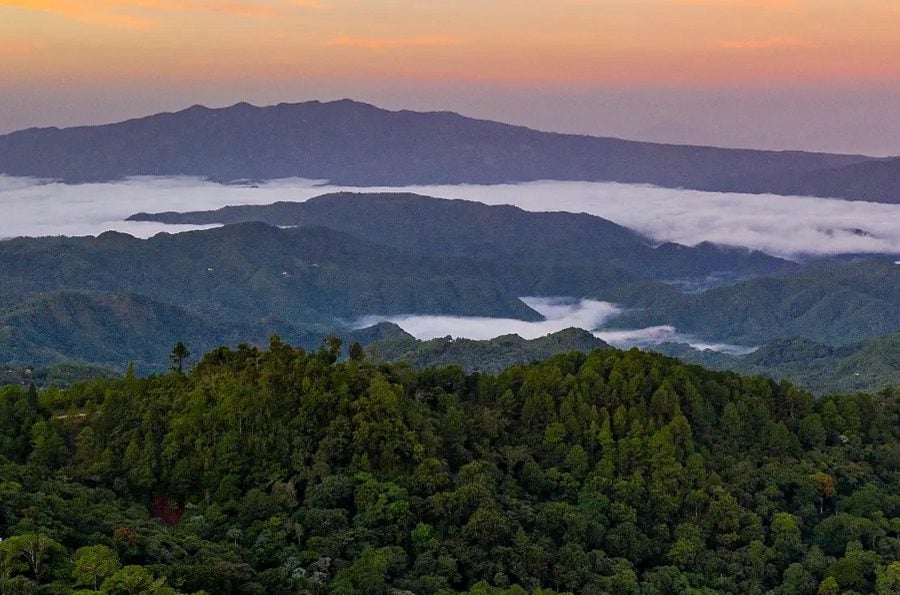
Perquín sits high in the mountains of northern Morazán, surrounded by coffee plantations and pine forests. At around 1,200 meters above sea level, you’ll notice the cooler weather compared to much of eastern El Salvador.
The mountain setting gives Perquín much of its appeal. Visitors can escape the heat, walk through green landscapes, explore nearby communities, or simply enjoy the slower atmosphere of rural Morazán.
Hotels, restaurants, camping areas, and local guides make the town a practical base for exploring the region. You can stay overnight and use Perquín as your starting point for the Ruta de Paz.
Tourism in Perquín Today
Perquín offers a different experience from El Salvador’s Pacific beaches or busy cities. You can spend the day enjoying the mountains and fresh air while discovering historical sites that tell the story of the country’s past.
One of the easiest outdoor activities is climbing Cerro de Perquín. The walk from the area around the Museum of the Revolution takes about 15 minutes and rewards visitors with sweeping mountain views.
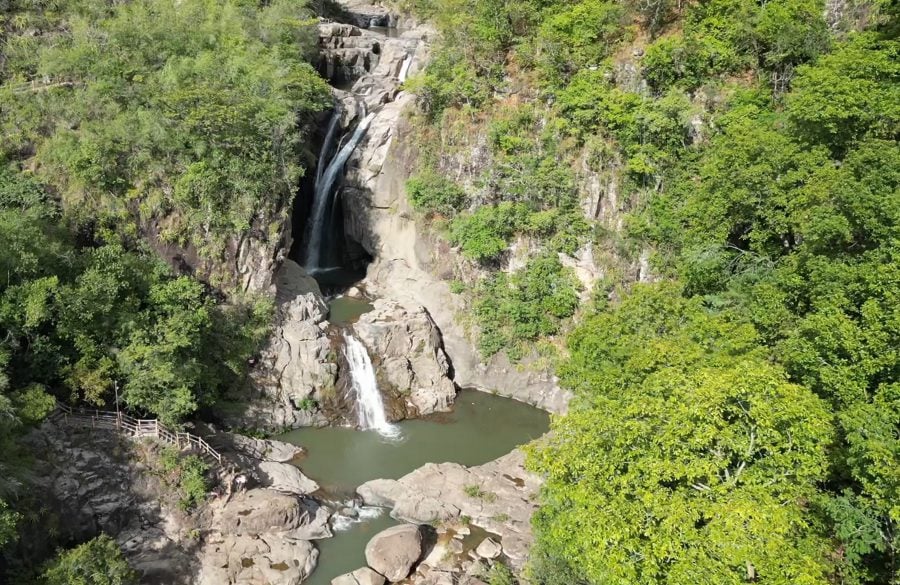
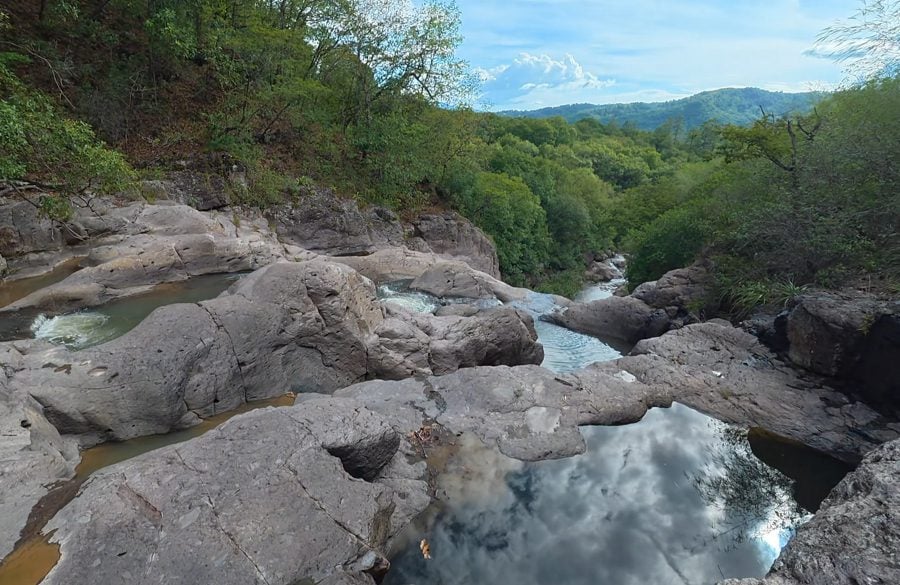
Perquín also serves as a gateway to the natural attractions of northern Morazán. The wider region has hiking and camping areas, waterfalls, rivers, forests, and mountain landscapes that encourage visitors to explore beyond town.
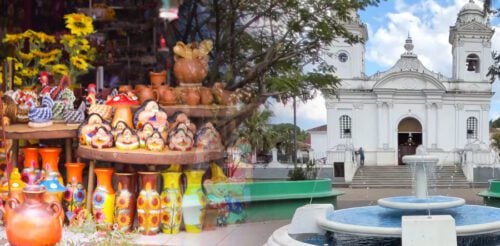
Travelers can also experience local food, handicrafts, community traditions, and the rural lifestyle that defines this corner of El Salvador. Spending a night or two makes exploring the surrounding communities much easier.
Perquín and the Ruta de Paz
Perquín is part of the Ruta de la Paz, a tourism route connecting communities in Morazán that experienced the armed conflict and now preserve important historical sites, cultural traditions, and natural attractions.
Along the peace route, you can explore Perquín, El Mozote, Arambala, and other mountain communities that were part of the civil war conflict. The trip combines historical sites and war memories with scenic viewpoints, hiking trails, rivers, and local culture.
There’s also plenty to explore beyond Perquín. Head to Río Sapo, Llano del Muerto, nearby waterfalls, and forested areas, where you can mix a little history with a day outdoors.
Festivals and Culture in Perquín
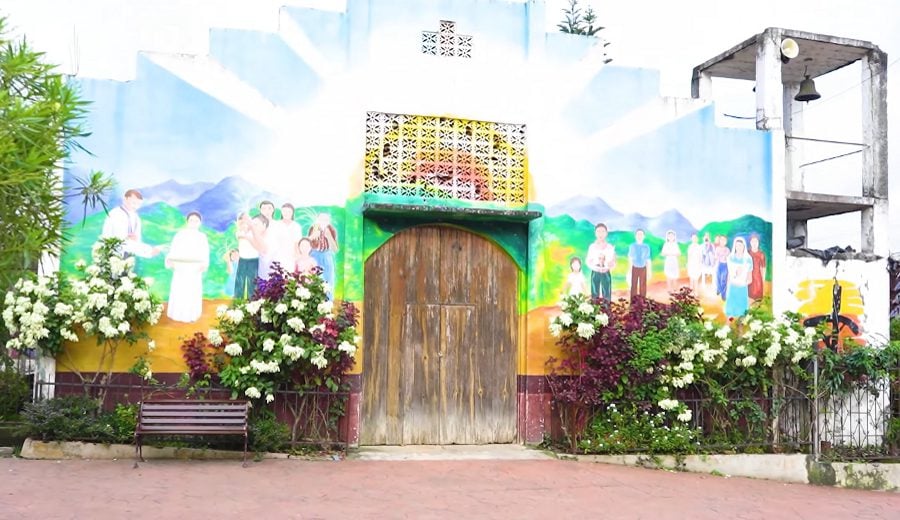
Perquín is about much more than its wartime history. Local traditions, mountain scenery, traditional food, and handicrafts give the town its character while helping it embrace tourism without leaving its past behind.
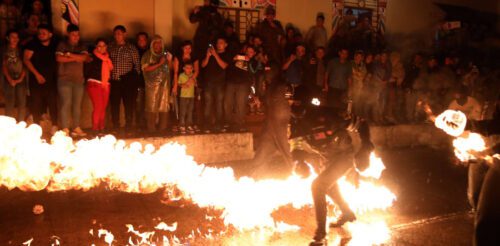
The town also hosts the Festival de Invierno, traditionally celebrated during August. The event brings visitors into the mountain community for cultural activities, entertainment, food, and the cooler rainy-season atmosphere of northern Morazán.
Perquín celebrates its patron saint festivities on August 14 and 15 in honor of Saint Sebastian. During these two days, colorful decorations, local traditions, and community activities bring extra energy to the mountain town.
If you get the chance to visit during these dates, it’s a great time to experience Perquín. You’ll find more activities to enjoy while getting a closer look at the town’s culture and community spirit.
Perquín During the Salvadoran Civil War
Understanding modern Perquín requires understanding its role during El Salvador’s Civil War. Morazán became one of the conflict’s most important areas, with guerrilla combatants maintaining a strong presence across the mountainous northern region.
The rugged mountains gave guerrilla forces places to set up camps, move between rural communities, and operate away from major cities. During the war, Perquín became closely linked to the FMLN and its fight against the Salvadoran government.
Radio Venceremos became one of the best-known symbols of that period. The clandestine FMLN radio station began broadcasting in 1981 and operated from the mountains of northern Morazán, including areas near Perquín.
The clandestine radio station transmitted news, political messages, reports from the battlefield, and information from guerrilla-controlled territory.
Its history remains closely connected with Morazán and appears prominently in Perquín’s preservation of wartime memory.
Museum of the Salvadoran Revolution
For travelers interested in this history, the Museum of the Salvadoran Revolution is Perquín’s essential stop. The museum opened in December 1992, the same year the Peace Accords ended the conflict.
Its five exhibition rooms contain photographs, historical documents, weapons, objects from guerrilla camps, materials related to international solidarity, information about the Peace Accords, and exhibits devoted to Radio Venceremos.
Outside, visitors can see wartime objects and remains of helicopters. The grounds also preserve a crater created by a 500-pound bomb dropped on Perquín during the conflict.
The museum provides more than a collection of military artifacts. It gives visitors a closer look at how people experienced the war and how former combatants and local communities remember that period.
El Mozote and the Memory of the War
Perquín also provides a convenient starting point for visiting El Mozote, another important historical site in Morazán. The community has a memorial dedicated to civilians killed during the armed conflict.
Visitors should approach El Mozote differently from an ordinary tourist attraction. It’s a place of remembrance where the human consequences of the war become much more personal than dates, military campaigns, or museum exhibits.
Together, Perquín and El Mozote help travelers understand different sides of Morazán’s wartime history. One preserves artifacts and the guerrilla narrative, while the other confronts visitors with the suffering civilians endured.
Nature, History, and a Different Side of El Salvador
You can visit Perquín for its mountains and cool climate without knowing much about its history. Spend enough time there, however, and the connection between the landscape, community, and Civil War becomes difficult to ignore.
That combination makes Perquín unusual. Hiking trails, pine-covered mountains, local restaurants, rural communities, historical exhibits, and places of remembrance all form part of the experience rather than competing with one another.
If you want to explore more than El Salvador’s beaches and volcanoes, Perquín shows you a different side of the country. The town has turned its difficult wartime history into a story of memory, education, culture, and tourism.
You can still see reminders of Perquín’s past, but the Civil War doesn’t define everything about the town today.