 San Salvador, El Salvador Capital City.
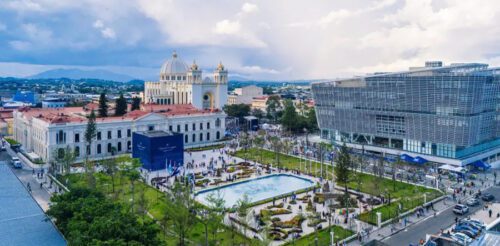
Looking for exciting things to do in San Salvador? El Salvador’s vibrant capital offers a dynamic mix of history, culture, and adventure—from bustling markets and colonial landmarks to modern art galleries and volcanic views.
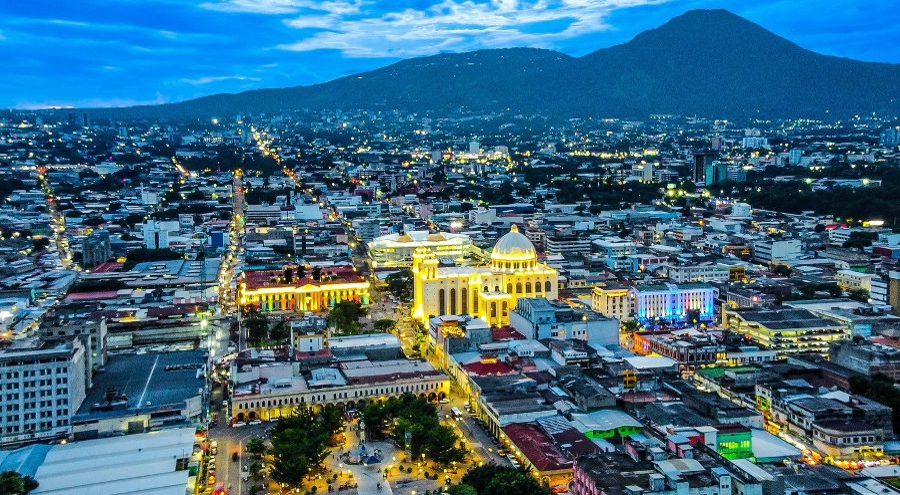
Start in the historic center, where Plaza Libertad and the Metropolitan Cathedral showcase the city’s colonial charm and revolutionary spirit. Stroll through colorful streets filled with vendors, music, and the pulse of Salvadoran life.
For nature lovers, hike El Boquerón volcano for panoramic city views, then unwind in Zona Rosa’s cafés and museums. San Salvador blends modern sophistication with natural beauty, creating unforgettable experiences for every traveler.
- El Salvador Capital
- Top things to Do in San Salvador
- Explore the San Salvador Historic District
- Visit the National Cathedral
- Explore the National Palace
- Step Into El Rosario Church
- Visit the Divine Savior of the World Monument
- Explore the San Salvador National Theater
- Explore the El Calvario Church
- Taste the Local Gastronomy
- Visit the National Craft Market
- Enjoy the Nightlife at La Zona Rosa
- Walk the Downtown Plazas
- Explore the Museums
- Explore the National Library of El Salvador (BINAES)
- Follow the Legacy of Saint Óscar Romero
- Hike El Boqueron National Park
El Salvador Capital
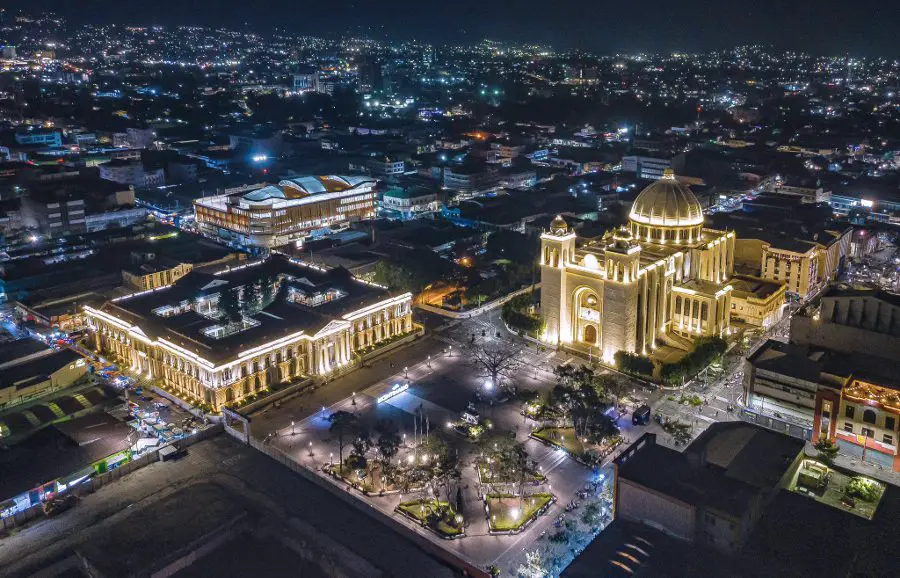
Once labeled one of the world’s most dangerous cities, San Salvador has transformed into a thriving, vibrant destination redefining what travelers expect from El Salvador’s urban experience.
Before 2019, the city ranked among the top 50 most violent in the world. Today, it stands as a symbol of safety, progress, and renewal.
Crime and violence have sharply declined, allowing both locals and tourists to rediscover the city’s charm—from its bustling downtown to its peaceful, scenic volcanic backdrop.
Government investment has been key, with millions spent revitalizing the historic center, restoring landmarks, expanding lighting, and building public spaces that attract families and international visitors alike.
Once avoided, San Salvador now welcomes tourists eager to explore museums, street art, nightlife, and cuisine in a setting where culture and security coexist in balance.
This remarkable turnaround positions the capital as a cornerstone of El Salvador’s tourism revival—proof that transformation, when sustained, can rewrite a nation’s reputation before the world. San Salvador’s story is no longer one of fear, but of innovation and pride.
Top things to Do in San Salvador
San Salvador offers much more than a quick stop on the way to El Salvador’s beaches and volcanoes. You can explore historic landmarks, discover local culture, and experience the capital’s everyday energy.
Many visitors start in the historic center, where restored plazas, churches, markets, and cultural sites reveal different sides of the city’s past and present.
Nature is never far away, either. San Salvador has green spaces, scenic viewpoints, and nearby volcanic landscapes, giving visitors plenty of ways to balance city exploration with time outdoors.
1. Explore the San Salvador Historic District
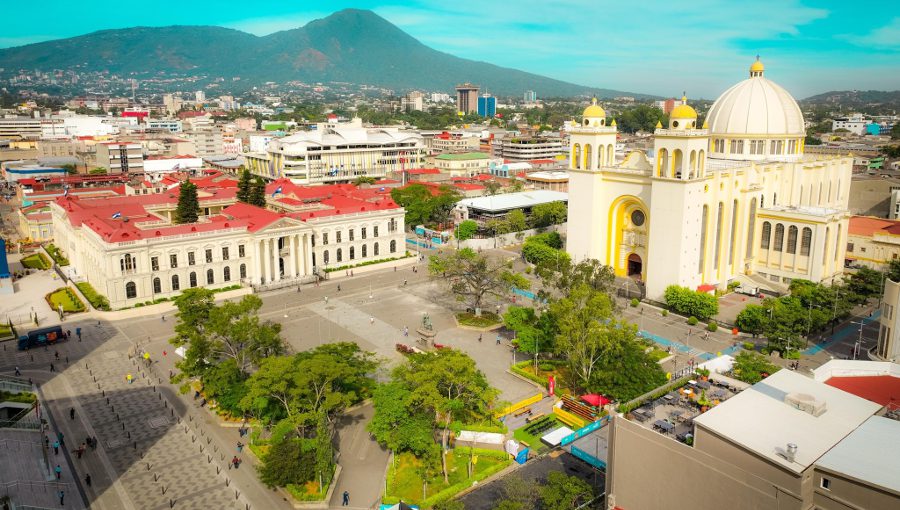
The San Salvador historic district captures the essence of El Salvador’s past and present, blending colonial architecture, vibrant plazas, and cultural landmarks that tell the nation’s enduring story.
Visitors can explore beautifully restored sites, such as the Metropolitan Cathedral and National Palace, where history meets modern energy in bustling streets filled with music, artisans, and local cuisine.
Exploring the district offers an authentic glimpse into Salvadoran identity—a fusion of history, creativity, and community set against a backdrop of renewed urban pride.
In addition to the iconic buildings, churches, and plazas, the downtown historic district offers visitors a range of other activities, including shopping, local cuisine, and cultural events.
2. Visit the National Cathedral
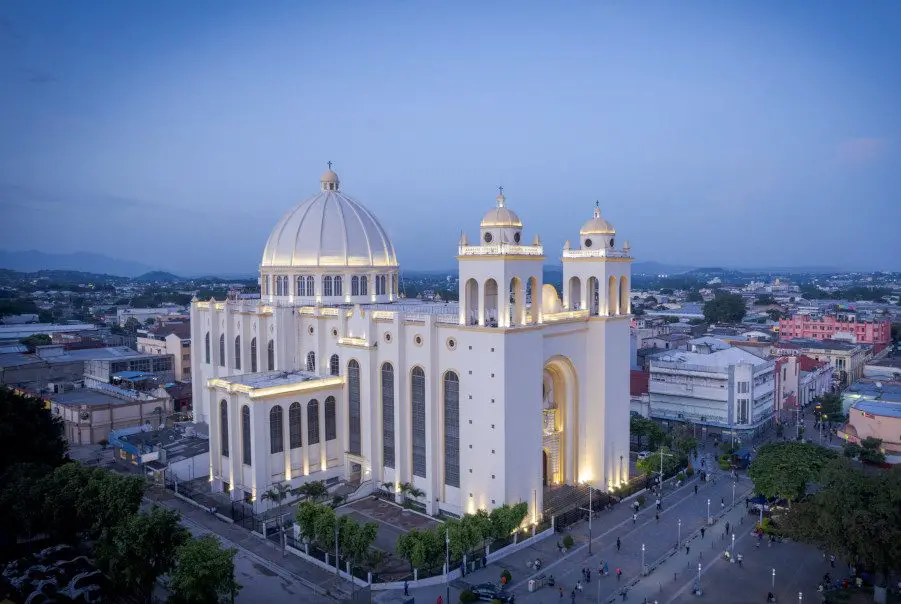
The National Cathedral is one of San Salvador’s must-see landmarks, standing prominently in the historic center. Its striking white façade and colorful interior murals make it immediately recognizable.
The cathedral has a long and turbulent history. Earlier structures were damaged by earthquakes and fire, while the current building took decades to complete before its consecration in 1999.
It serves as the principal church of the Roman Catholic Archdiocese of San Salvador and the seat of the Archbishop, giving it an important place in the country’s religious life.
You can also visit the cathedral’s crypt, where Saint Óscar Romero is buried. His tomb has become an important pilgrimage site for Salvadorans and international visitors who come to honor his legacy and learn about the country’s history.
3. Tour the National Palace of El Salvador
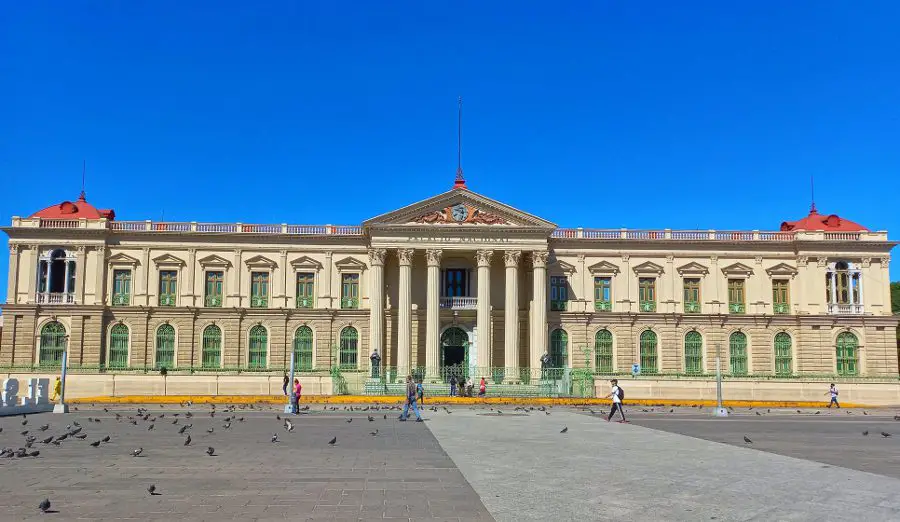
The National Palace of San Salvador invites visitors to step into El Salvador’s political and architectural history, showcasing neoclassical design and meticulously preserved government chambers.
Inside, grand halls, marble columns, and antique furnishings reveal the elegance and authority of a bygone era once central to national decision-making.
The Salvadoran National Palace was constructed between 1905 and 1911, featuring a combination of neo-Gothic, neoclassical, and Renaissance architectural details. It was declared a National Monument in 1980.
Visiting the palace provides travelers with a unique insight into the nation’s heritage, intertwining art, power, and history at one of San Salvador’s most iconic landmarks.
4. Step Into El Rosario Church
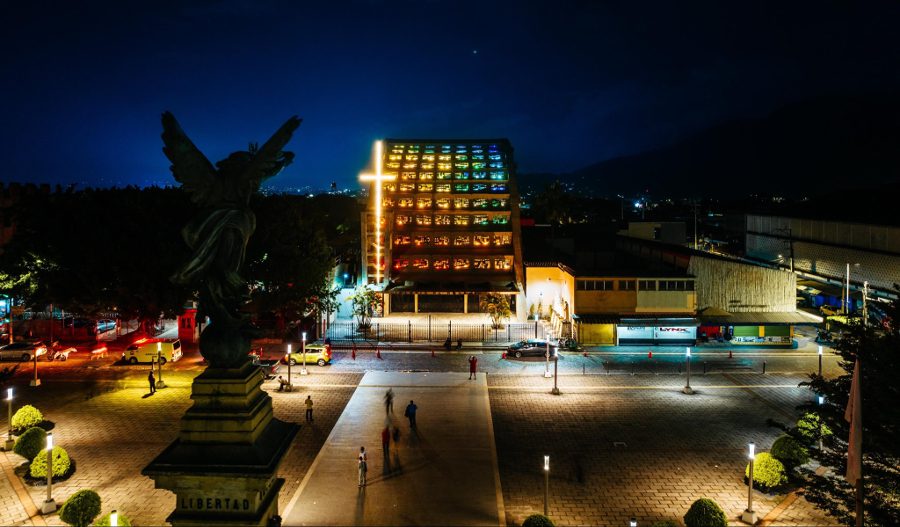
El Rosario Church is one of San Salvador’s most unusual architectural landmarks. From the outside, its curved concrete structure resembles an industrial hangar more than a traditional church, giving little hint of what awaits inside.
Its sweeping concrete arches and unconventional design contrast sharply with the more traditional buildings surrounding Plaza Libertad in San Salvador’s historic center.
Inside, colorful stained-glass panels transform the space. Sunlight filters through the glass, casting rainbow-colored bands across the curved interior and creating a striking combination of light, color, architecture, and spirituality.
Many visitors prefer the late afternoon, when the sunlight produces some of the most dramatic effects. The church also holds historical significance as the resting place of independence leader José Matías Delgado, adding another dimension to this remarkable San Salvador attraction.
5. Visit the Divine Savior of the World Monument
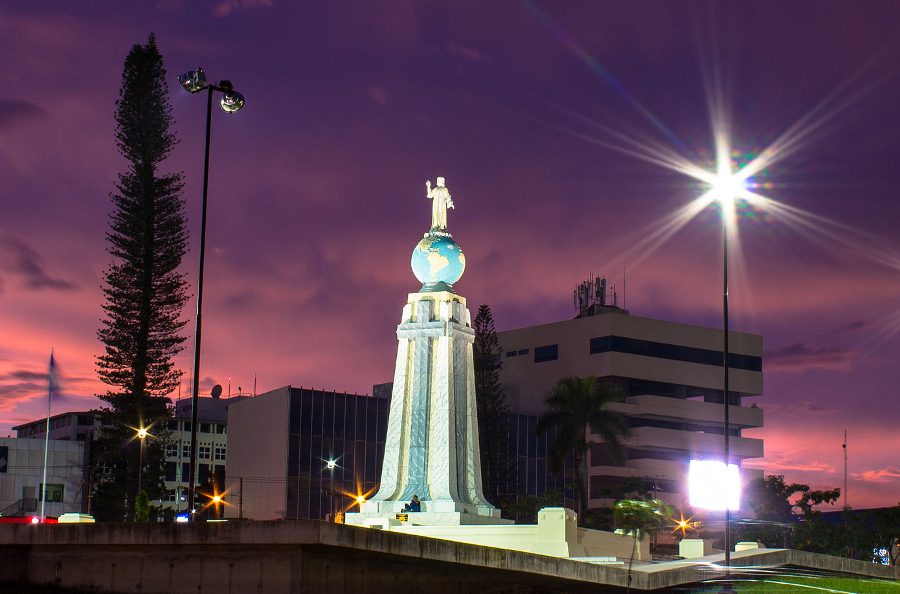
The Divine Savior of the World Monument is one of San Salvador’s most recognizable landmarks. Its statue of Jesus Christ standing atop a globe has become an enduring symbol of the capital and El Salvador.
You can visit the monument at Plaza Salvador del Mundo, a major gathering place for celebrations and public events. Many visitors stop here for photos while exploring the city’s central attractions.
6. Explore the San Salvador National Theater
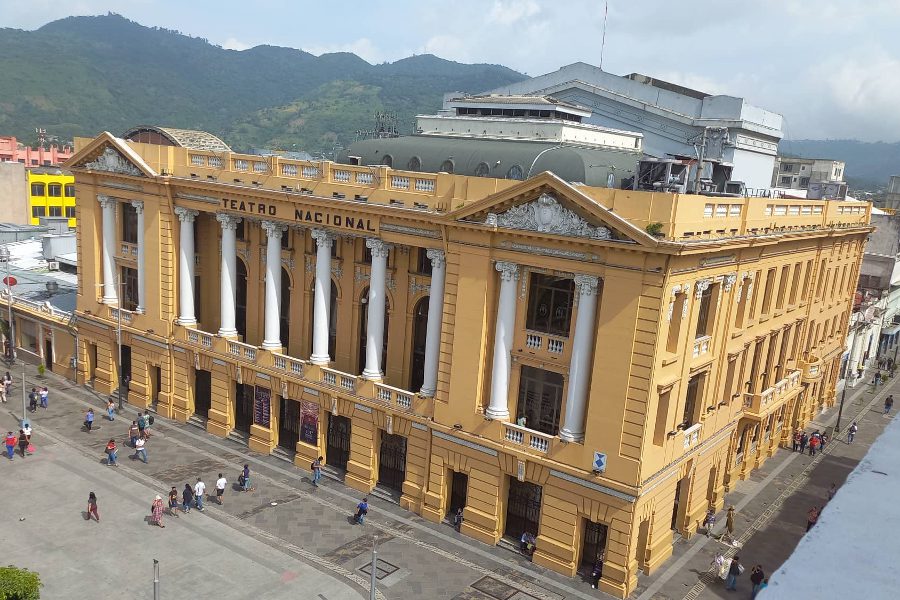
The National Theater is one of the architectural highlights of San Salvador’s historic center. Opened in 1917, the building reflects the city’s cultural history and remains an important performing arts venue.
The theater’s French-inspired architecture offers a glimpse into San Salvador’s early 20th-century elegance.
As a cultural heritage institution, the National Theater promotes the arts of performing companies of the Ministry of Culture, as well as independent, national, and international groups.
Many visitors combine the theater with nearby landmarks around Plaza Morazán. Whether you catch a performance or explore the building, it’s a worthwhile stop while discovering the capital’s historic center.
7. Explore the El Calvario Church
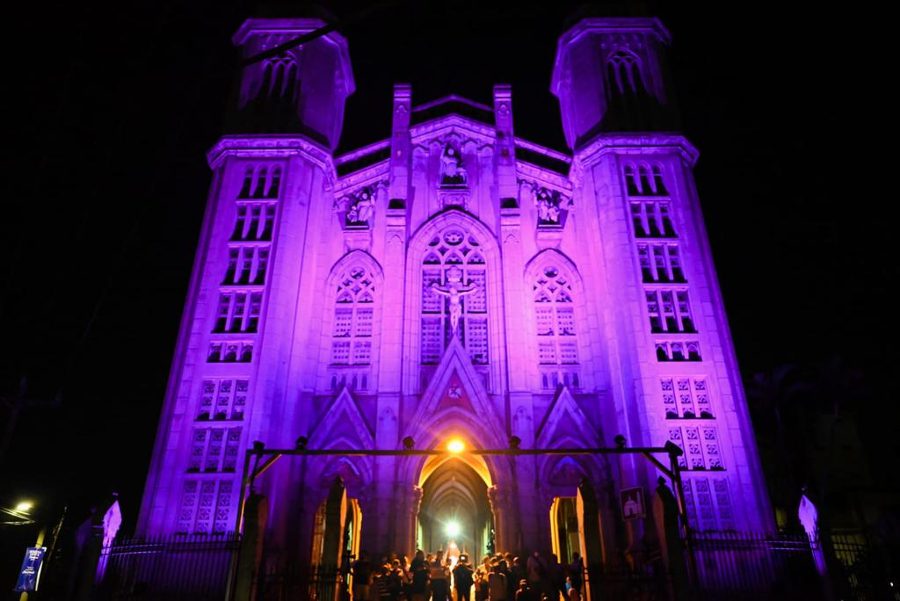
The El Calvario Parish is another of the top Salvadoran churches worth visiting; it is one of the oldest temples in El Salvador, boasting centuries of tradition.
It is a beautiful church built in an impressive Neo-Gothic style. However, it was not recommended to visit it as it was located in a dangerous area in the middle of an informal market.
However, since 2023, this Neo-Gothic-style church has become easier to visit; all street vendors around the temple have been removed, and the area has been cleaned and made more secure.
8. Taste the Local Gastronomy
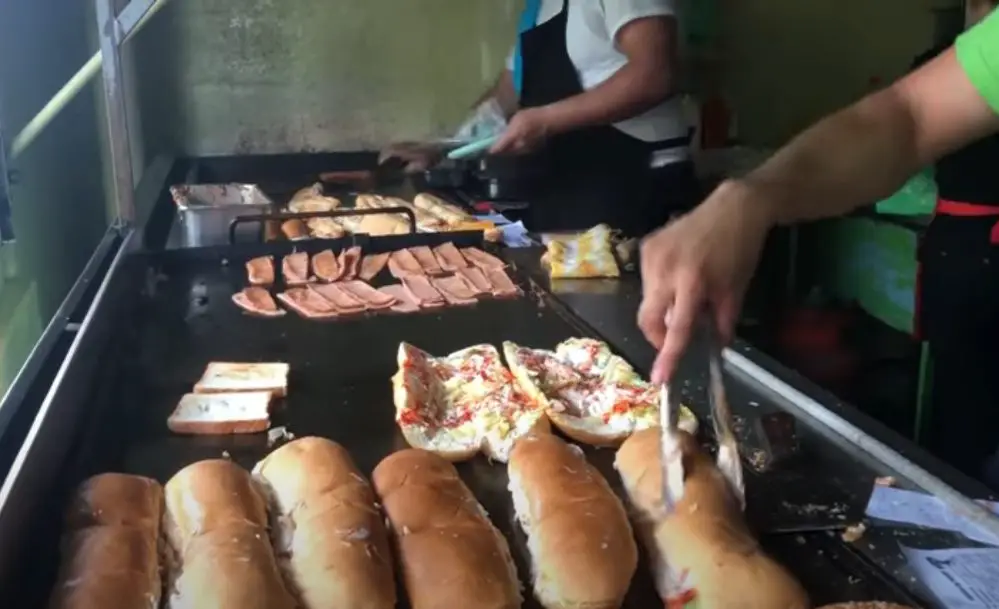
Tasting the local cuisine is one of the best things to do in San Salvador. Food gives you an easy and delicious way to experience the city’s culture, traditions, and everyday life.
You can try Salvadoran favorites like pupusas, tamales, and yuca frita at local markets, neighborhood comedores, restaurants, and roadside stands throughout the capital.
Don’t limit yourself to restaurants, either. Grab something from one of the city’s friendly street vendors and experience the flavors, aromas, and casual atmosphere that make San Salvador’s food scene part of the adventure.
There are numerous locations throughout the city where you can try this tasty food; however, it is highly recommended to visit the local markets and taste traditional or street foods as the locals do.
9. Visit the National Craft Market
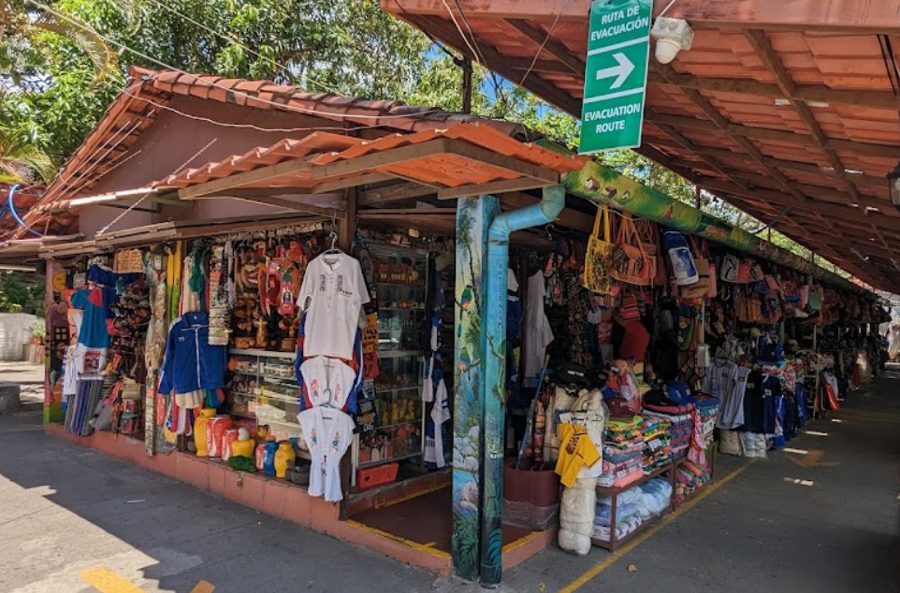
The National Craft Market in San Salvador is a must-visit destination for anyone seeking authentic Salvadoran souvenirs. Here, local artisans showcase their craftsmanship through vibrant, high-quality handmade creations.
This lively market is a paradise for those who appreciate artisan goods with true Salvadoran character. You’ll find colorful hammocks, hand-carved wooden statues, clay pottery, woven notebooks, candles, and countless other treasures.
If you’re looking for the best handicrafts in San Salvador, the National Craft Market is the perfect place to explore and support local talent.
10. Enjoy the Nightlife at La Zona Rosa
La Zona Rosa, known as the “Pink Zone,” is the heart of San Salvador’s nightlife scene. Located in the upscale Colonia San Benito district, it offers a vibrant mix of bars, restaurants, and cafés perfect for relaxing or celebrating.
This lively area comes alive after dark with music, dancing, and great food. Visitors can enjoy a variety of local and international cuisine, energetic clubs, and unforgettable live performances in a safe and modern atmosphere.
11. Walk the Downtown Plazas
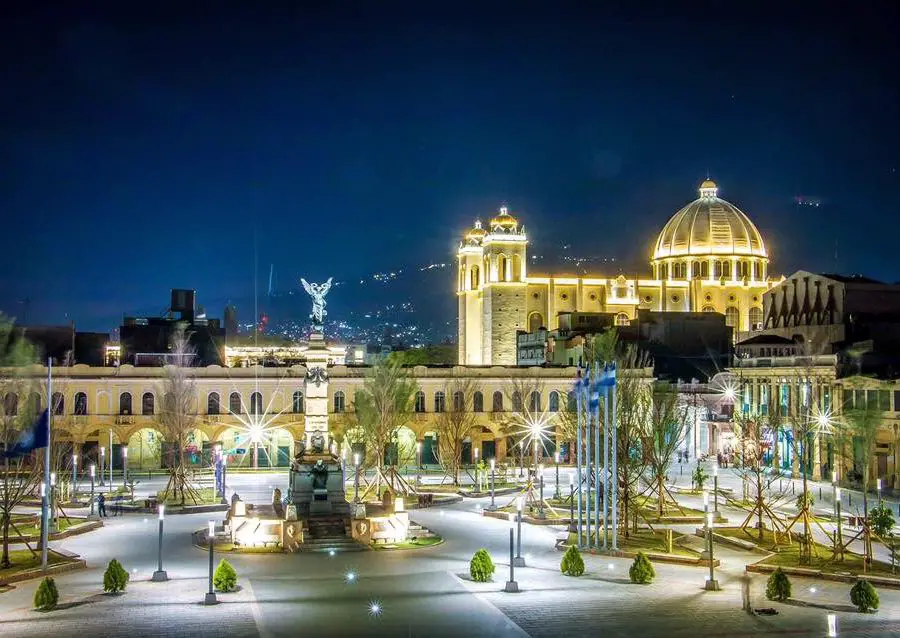
San Salvador’s historic center has three main plazas worth exploring: Plaza Libertad, Plaza Morazán, and Plaza Gerardo Barrios. Each offers a different glimpse into the capital’s history, architecture, and street life.
Plaza Libertad feels woven into the everyday rhythm of downtown. Its tall Monument to the Heroes rises above the square, commemorating Central American independence, while pedestrians, vendors, shops, and historic buildings surround the plaza.
A few blocks away, Plaza Morazán has a quieter, more elegant atmosphere. A statue of Central American statesman Francisco Morazán anchors the square, with the grand National Theater providing an impressive architectural backdrop.
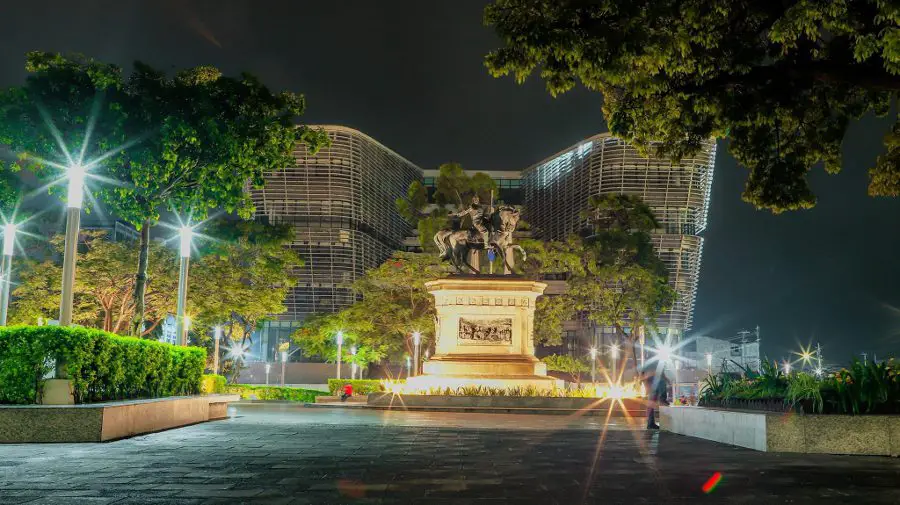
Plaza Gerardo Barrios sits at the center of the action in downtown San Salvador. You can admire the National Cathedral on one side and the impressive equestrian statue of former president Gerardo Barrios near the center, surrounded by fountains and wide pedestrian spaces.
You can easily walk between all three, stopping at churches, cafés, markets, and historic buildings along the way. Together, the plazas turn a downtown stroll into an introduction to San Salvador’s past and present.
12. Explore the Museums
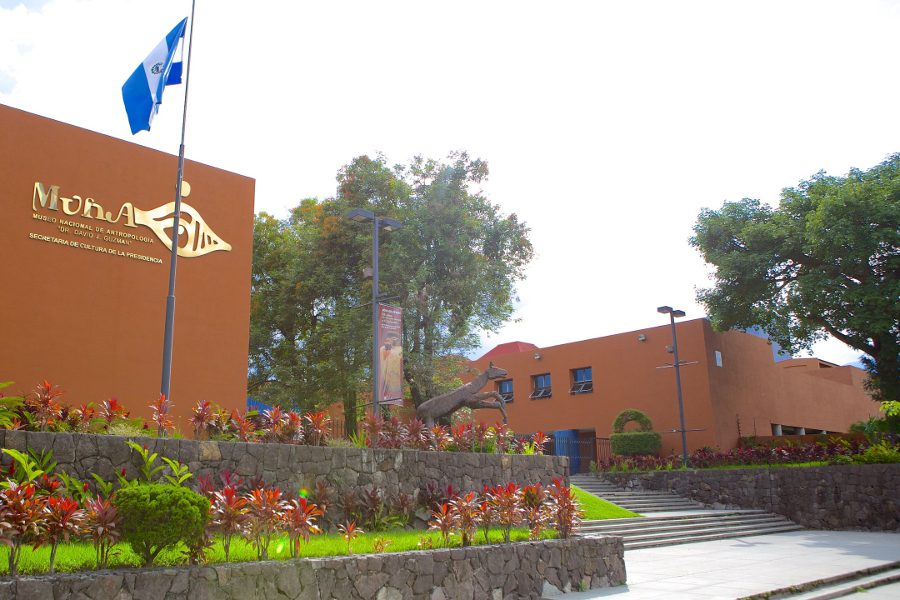
Exploring San Salvador’s museums gives you a deeper look at El Salvador beyond its landmarks. You can discover the country’s history, art, traditions, archaeology, and modern identity under one city skyline.
Start with the Art Museum of El Salvador or the National Museum of Anthropology Dr. David J. Guzmán, where collections showcase Salvadoran creativity and centuries of cultural and archaeological heritage.
You can also explore the Museum of Word and Image for recent history, the Folk Art Museum for traditional crafts, or the Railway Museum to discover El Salvador’s railroad past.
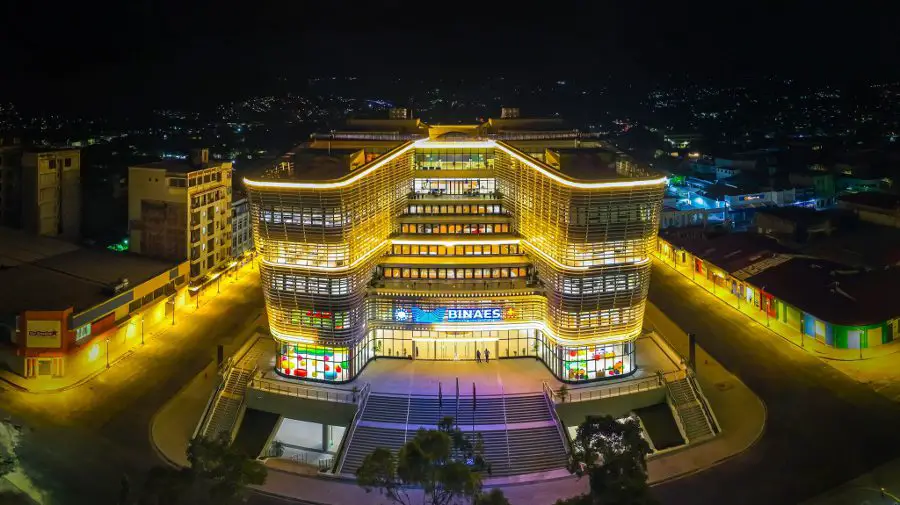
13. Explore the National Library of El Salvador (BINAES)
The National Library of El Salvador, known as BINAES, brings a striking modern presence to San Salvador’s historic center. Its design contrasts sharply with the churches, plazas, and older buildings nearby.
You can step inside to explore reading areas, cultural spaces, technology, and panoramic views of downtown. The library has quickly become much more than a place to find books.
Many visitors now include BINAES while walking through the redeveloped historic center. Its distinctive architecture and prominent location beside Plaza Gerardo Barrios have turned it into one of downtown San Salvador’s modern landmarks.
14. Follow the Legacy of Saint Óscar Romero
Following the legacy of Saint Óscar Romero takes you to several places connected to one of El Salvador’s most influential religious figures and a defining period in the country’s history.
You can visit the chapel at Hospital de la Divina Providencia, where Romero was assassinated while celebrating Mass on March 24, 1980. The small chapel remains a deeply moving historical site.
In downtown San Salvador, visit the Metropolitan Cathedral’s crypt, where Saint Óscar Romero is buried. His tomb draws pilgrims and visitors from El Salvador and around the world.
Nearby, Plaza Gerardo Barrios filled with thousands of people during Romero’s funeral on March 30, 1980, as the Mass took place inside the cathedral. Gunfire and explosions caused panic outside, leading to a deadly stampede.

15. Hike El Boqueron National Park
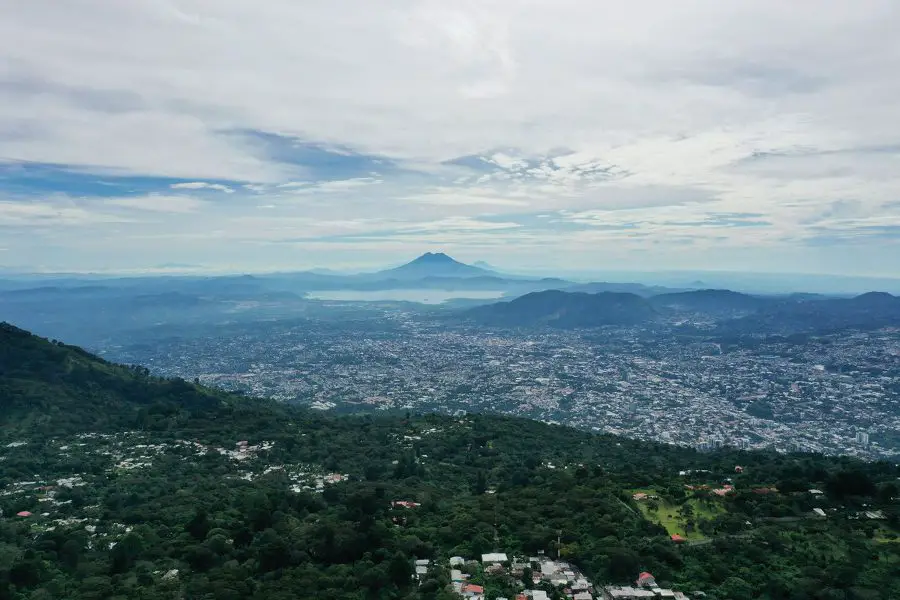
Not every top San Salvador experience lies within the city limits. One adventure worth making time for is exploring the San Salvador Volcano, home to El Boquerón National Park.
The park combines cool mountain air, lush vegetation, and scenic walking trails with impressive views over the surrounding landscape. Its main attraction is the volcano’s massive crater, which contains a smaller crater known as Boqueroncito.
You can hike along forested trails and stop at viewpoints overlooking the crater. It’s an easy way to trade the busy capital for nature while still staying close to San Salvador.
Top things to do in San Salvador
San Salvador is one of Central America’s lesser-known capital cities. The city has a great colonial history with impressive traditions. The above-listed top 15 things to do in the capital city of El Salvador are just a short part of what this city offers.
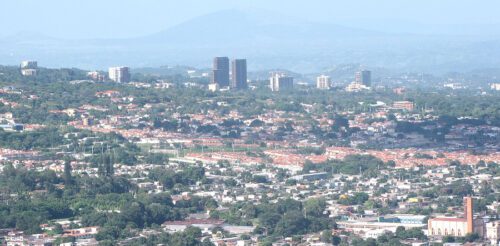
San Salvador lies in a valley known as Valle de Las Hamacas (Hammock Valley); it is near the international airport and other top tourist attractions.