 San Salvador El Salvador Capital City.
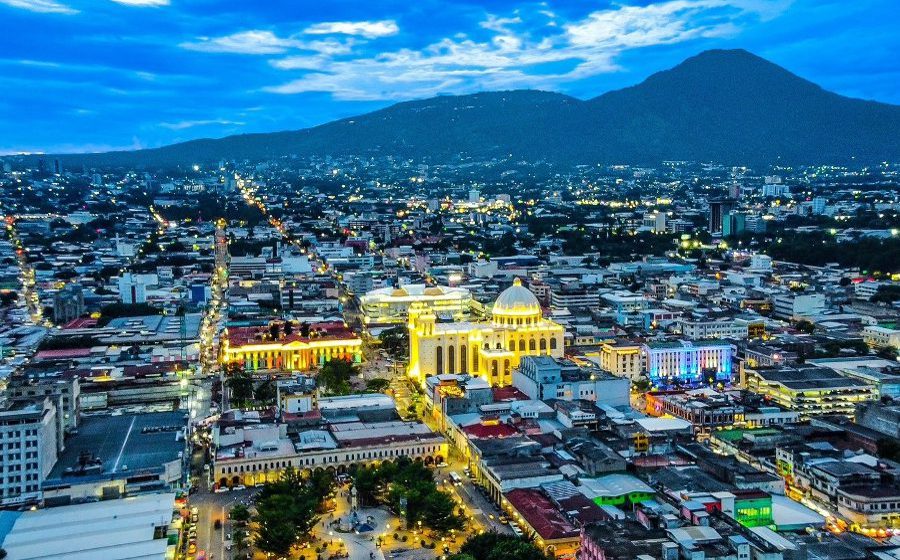
San Salvador El Salvador Capital City, lies in the scenic Valley of the Hammocks, surrounded by hills and overlooked by the majestic San Salvador Volcano.
As the largest city in the nation, San Salvador combines urban vibrancy with natural beauty, making it an appealing destination for both visitors and long-term residents.
The city serves as El Salvador’s political, cultural, and economic hub, featuring government buildings, museums, monuments, lively markets, historic plazas, and a thriving nightlife scene that reflects the country’s energetic spirit.
- Tourism to El Salvador Capital City
- Is it safe to visit the Capital City of El Salvador?
- Places to Visit in El Salvador capital city
- Accommodations in the capital city of El Salvador
- Getting Around San Salvador
- Living in San Salvador, the capital city of El Salvador
- Where to Live in San Salvador
- Is it dangerous to live in San Salvador?
- How Expensive is it to Live in San Salvador?
- Schools, Universities, and Government Offices
Tourism to El Salvador Capital City
San Salvador, the capital of El Salvador, is a captivating destination where history, modern life, and natural beauty blend seamlessly. It’s a city that surprises visitors with its vibrant rhythm and undeniable character.
The Salvadoran capital is ideal for travelers seeking both adventure and culture. Whether you stay for a weekend or an extended trip, the city offers plenty of adventures.
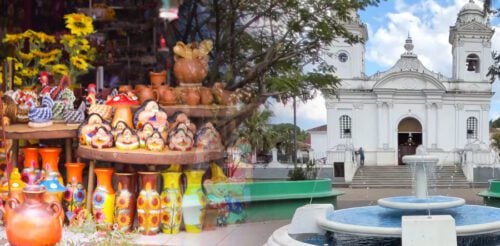
San Salvador has bustling plazas, colorful markets, and local eateries serving authentic Salvadoran cuisine. Then there are the Museums, monuments, and colonial architecture, which offer glimpses into the nation’s complex yet captivating past.
For nature lovers, the imposing San Salvador Volcano and nearby national parks provide easy escapes with panoramic views and hiking trails just minutes from downtown.
If you visit for a few days, you can experience Salvadoran culture and history at its best. For example, you can explore the San Salvador historic district, hang out at one of the iconic plazas, visit a museum, or visit a local market and try traditional cuisine or street foods.
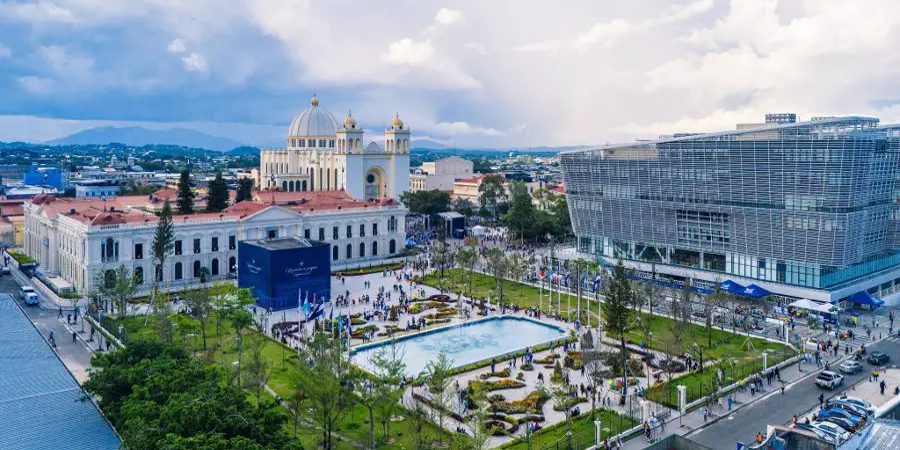
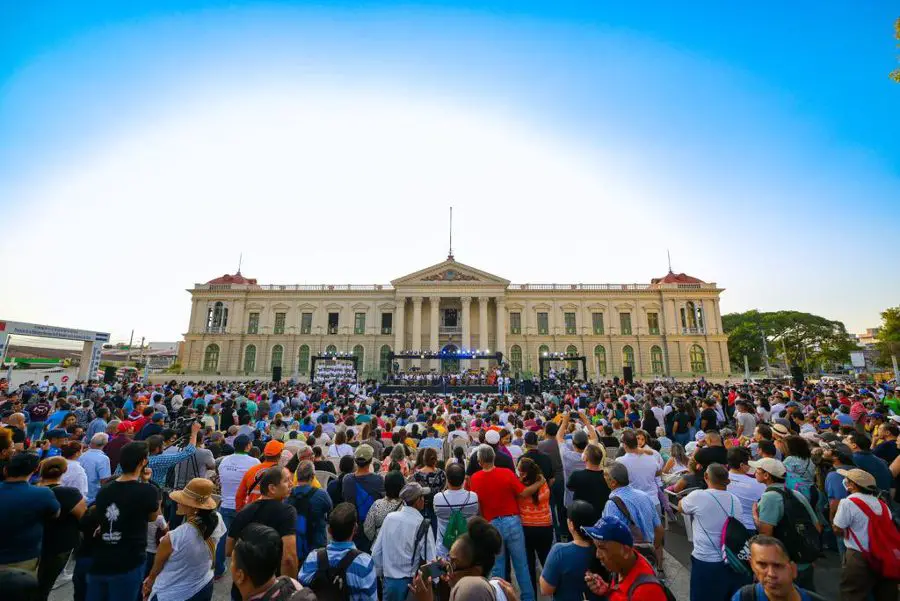
The historic district is the cultural epicenter of the capital city; here, visitors will find iconic buildings such as the National Palace and the National Theater. They will also find the National Cathedral and the El Rosario church, two of the best churches in El Salvador.
Many visitors stay in San Salvador the entire trip, making it their base of operations. The capital of El Salvador is centrally located; visitors can take day trips to nearby top-notch tourist attractions, which are within a two-hour drive.
The city offers something for every traveler. You can explore art galleries, visit the Metropolitan Cathedral, or unwind in modern cafes. San Salvador truly captures the essence of El Salvador in one unforgettable destination.

Is it safe to visit the Capital City of El Salvador?
San Salvador, the capital city of El Salvador, has transformed into one of Central America’s most surprising travel destinations. Once notorious for danger, the town now welcomes visitors with a renewed sense of safety and confidence.
Is San Salvador safe to visit? Yes, security conditions in the capital city have improved dramatically. San Salvador is no longer listed among the world’s most dangerous cities and continues to shed its old reputation.
Since 2022, it hasn’t even ranked among the top most dangerous places in El Salvador—a testament to the country’s sweeping security reforms and visible law enforcement presence.
Under the current administration, crime rates, particularly homicides, have fallen sharply. The government has prioritized safety in the capital, especially around tourist zones and public landmarks.
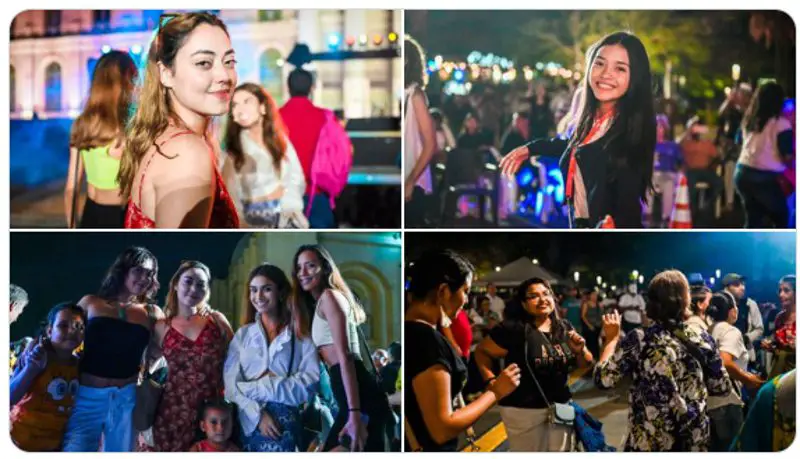
Today, visitors can explore San Salvador’s markets, plazas, and nightlife with far less concern. Police and security officers are stationed throughout the city, ensuring peace of mind.
Still, as with any major city, travelers should use common sense—some areas remain safer than others.
Places to visit in El Salvador’s capital city
There’s no shortage of places to explore in San Salvador, the capital city of El Salvador. One day isn’t enough to experience everything this lively and historic city has to offer.
A must-visit destination is the San Salvador Historic District—the birthplace of the capital. This area captures the city’s essence through its colonial architecture, cultural landmarks, and timeless charm.
Downtown San Salvador has impressive sites, including the National Palace and the National Theater, as well as picturesque plazas and iconic churches such as El Rosario Church and the Metropolitan Cathedral.
The National Palace, once home to all branches of the Salvadoran government during much of the 1900s, now stands as a symbol of the nation’s history and architectural beauty.
After exploring the cultural landmarks, visitors can shop for handmade crafts or enjoy the capital’s vibrant nightlife. From cozy cafés to bustling bars, San Salvador offers endless ways to experience the city’s dynamic spirit after dark.
Accommodations in the capital city of El Salvador
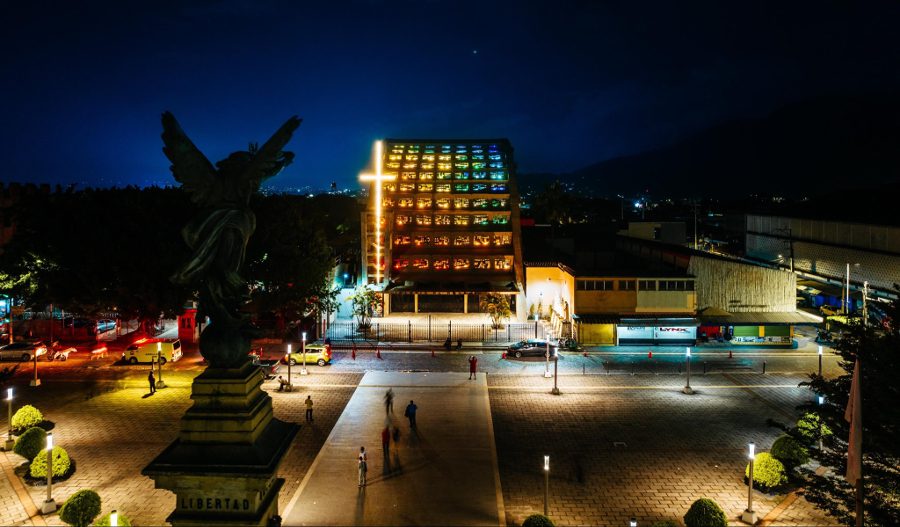
The capital city of El Salvador has plenty of hotels and hostels to accommodate all types of visitors. The budget and the desired lodging area will determine the cost.
For one thing, budget travelers can find hostels or private rooms, in a safe area, for about $30 per night. For safety reasons, always research and read reviews about the hostel or private home you plan to stay in.
On the other hand, if budget is not an issue, you will find top-of-the-line hotels that will cost you over $200 per night. These hotels are in the city’s most wealthy areas, with some of the best restaurants and shopping malls.
Getting Around El Salvador’s capital city
The options available to get around the capital city of El Salvador are taxis, uber’s, public transportation, private shuttles, walking, and driving; it is up to you which one to use. The location where you are staying and your destination will help narrow down the options.
For any destinations near you, you should walk or take the bus. By all means, take a taxi or uber if you want to be more comfortable during the journey.
For faraway destinations, it is better to take a private shuttle; the ride will be more comfortable as you will get a guide that knows the area, and you will not have to deal with driving in El Salvador.
These are only suggestions; in the end, you are the one who will decide on what is the better option for you to get around. Also, ask the hotel staff about getting around the city; they might suggest something different or even provide you with transportation.
Living in San Salvador, the capital city of El Salvador.
Why not live in El Salvador’s capital city? Yes, San Salvador has issues similar to other large urban cities in Latin America, but it is still a great city to call home. It has an excellent culture with plenty of activity options. It is also the country’s cultural, political, educational, and financial epicenter.
Where to Live in San Salvador, El Salvador’s capital city
Some of the best areas to live in the capital city of El Salvador are Santa Elena, Colonia Escalon, San Benito, Colonia Maquilishuat, and Cumbres de Cuscatlan; these are just some of them, and there are plenty more!
The areas mentioned above are some of the most exclusive in the city; therefore, the cost of renting or buying there is high. But don’t worry about it. The capital city has plenty of less expensive options available.
Look at the following website, “Vivo LaTam real estate,” and get an idea of what rentals go for in the city.
It is hard to take a position on where to live in San Salvador or the best places to live; there are just too many factors to consider.
For example, if you are moving alone, some factors might be, do you want to live in a trendy area or not. Do you have a car or plan to take public transportation? Are you on a budget? These are just some things that will impact your decision on where to live in San Salvador.
If you are moving with a family, things change as there are more factors to consider, such as a kid’s education, family safety, and family activities.
The choices of where to live in San Salvador are vast; each individual or family will have their criteria about what they are looking for. However, when choosing a place to live in El Salvador, it is best to talk to a realtor. A real estate agent will help narrow down the choices.
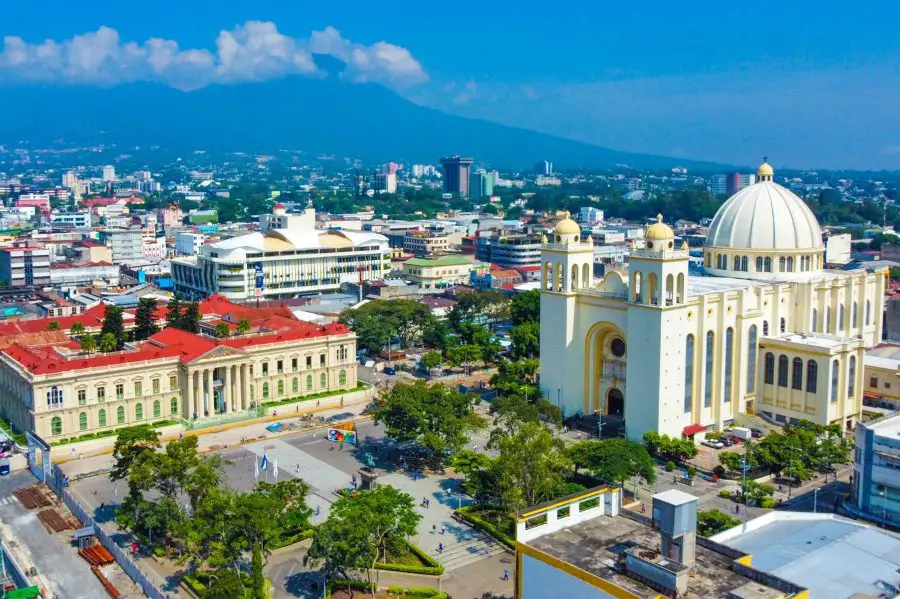
San Salvador Is a Safe City to Live In
Once labeled one of the world’s most dangerous capitals, San Salvador has transformed dramatically. Once haunted by gang violence and fear, today it thrives with bustling cafés, public parks, and lively cultural spaces.
Until 2019, San Salvador ranked among the world’s top 50 most dangerous cities. That label no longer fits. El Salvador has achieved record reductions in violence, earning global recognition for its turnaround.
Police patrols are now a familiar, reassuring sight. Families stroll through plazas after sunset, and markets stay open later—everyday moments once unimaginable. Locals describe a renewed sense of peace and belonging.
Areas like San Benito, Escalón, and Santa Elena attract both Salvadorans and foreigners for their calm streets, modern infrastructure, and proximity to schools, embassies, and restaurants. Rent and amenities vary, but safety is consistently high.
Downtown nightlife has returned. Rooftop bars, theaters, and music venues fill with energy. Visitors can explore the city after dark without the same anxiety that once defined the capital.
San Salvador’s transformation reflects a national shift. El Salvador’s once grim statistics have given way to stability and pride, making the capital not just livable—but a place where residents genuinely feel at home again.
In summary, living in El Salvador’s capital city is not dangerous; however, like other large cities in Central America, it has areas that are considered unsafe. Using common sense is key to staying safer in capital cities.
How Expensive is it to Live in San Salvador?
San Salvador offers a balanced cost of living—neither cheap nor excessive. Prices depend mainly on lifestyle choices, neighborhood, and personal habits. Expats often find the capital affordable compared to major North American or European cities.
Modern apartments in upscale areas such as Escalón, San Benito, and Santa Elena range from $600 to over $2,000 per month. In less central areas, clean, safe rentals can cost between $250 and $500 per month.
Local markets sell fresh produce at low prices, while supermarkets with imported brands cost more. Dining out varies—pupusas or street tacos cost under $3, while mid-range restaurants average $10 to $15 per meal.
Gasoline is moderately priced, and ride-hailing apps are widely used. Public buses remain the cheapest option, but can be crowded. Many residents prefer private vehicles for comfort and flexibility.
Electricity, water, and internet combined typically range from $80 to $150 monthly, depending on consumption and air-conditioning use. High-speed internet is reliable and widely available across the city.
Life in San Salvador can suit most budgets. With wise choices, residents enjoy modern comforts, safe housing, and good food without breaking the bank—making the capital a practical, livable choice in Central America.
The City of San Salvador: Central Hub for Schools, Universities, and Government Offices
San Salvador is the beating heart of El Salvador’s education and administration. Nearly every national institution—academic or governmental—has its main offices here, drawing students, professionals, and officials from across the country.
The capital hosts the country’s top universities, including the Universidad de El Salvador, the Universidad Centroamericana “José Simeón Cañas” (UCA), and the Universidad Dr. José Matías Delgado.
Families will find excellent private and bilingual schools in areas like San Benito, Santa Elena, and Escalón. These institutions follow international curricula, making them ideal for expatriates and Salvadorans seeking global academic standards.
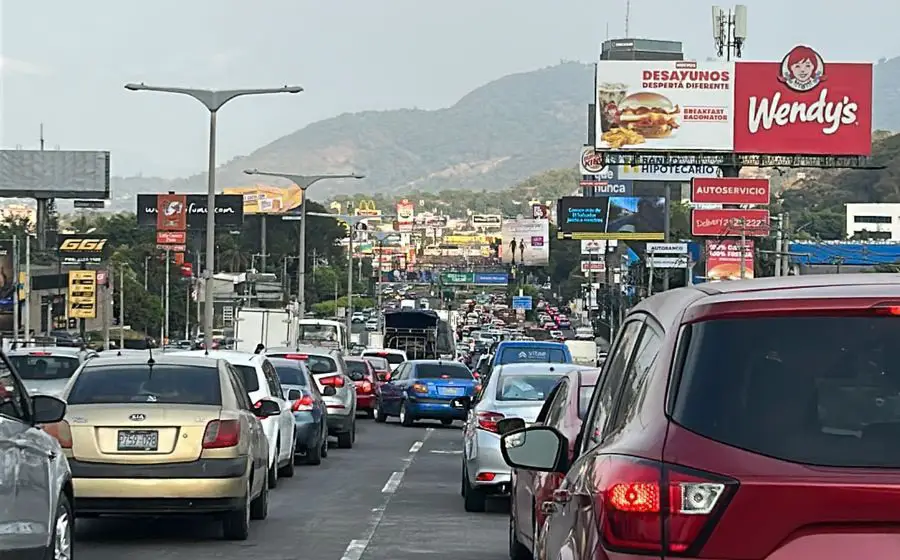
With many schools and offices concentrated in the capital, daily commutes can be dense but manageable. Public transportation, ride-hailing apps, and planned schedules help residents navigate traffic and reach institutions efficiently.
Most ministries, embassies, and major agencies are based in San Salvador. From renewing documents to managing legal affairs, the city simplifies official processes that would otherwise require travel from smaller towns.
Cafés, libraries, and coworking spaces buzz with activity as students and professionals connect. Events and seminars frequently link government, academia, and the private sector—creating a fertile ground for career growth and collaboration.
Living in San Salvador offers clear advantages in terms of education and opportunity. Its centralization of schools, universities, and government offices makes it the nation’s intellectual and administrative core. In this place, progress and connection converge daily.
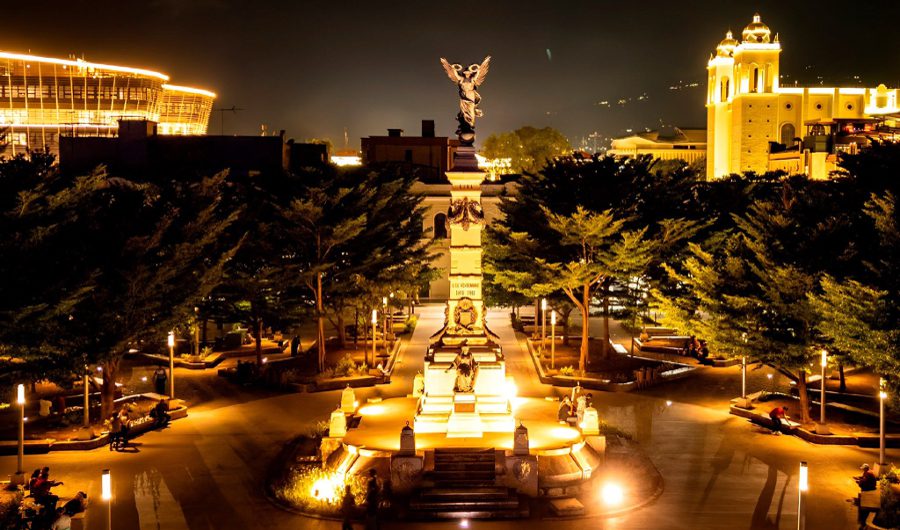
San Salvador, El Salvador’s Capital City—A Great Place to Visit or Call Home!
San Salvador has reinvented itself. Once defined by violence, the capital now pulses with modern energy, welcoming both visitors and new residents with open arms and a renewed sense of pride.
From its lively historic center to its sleek business districts, the city blends tradition and progress. Street art, rooftop cafés, and mountain views create a daily backdrop that feels both urban and natural.
For travelers, San Salvador offers convenience—close to beaches, volcanoes, and charming towns. For residents, it provides modern housing, excellent schools, safety, and opportunities for growth in a country on the rise.
More than just a capital, San Salvador embodies El Salvador’s transformation—dynamic, vibrant, and forward-looking. Whether you come for a visit or to stay, the city welcomes you home.