

Churches in El Salvador are far more than just places of worship. You’ve got churches from the colonial era right through to the great cathedrals. They are a very significant part of the country’s history and heritage and are a testament to the strength of the religious tradition.
Religion has been a major force in the communities of El Salvador for generations and is very much a part of the way of life, the celebrations, and the traditions. You can see that in the religious beliefs and the traditions that are part of Salvadoran culture.
Some churches attract visitors with their colorful interiors, while others stand out for their centuries-old architecture. Whether you’re interested in history or culture, you’ll find remarkable places to explore.
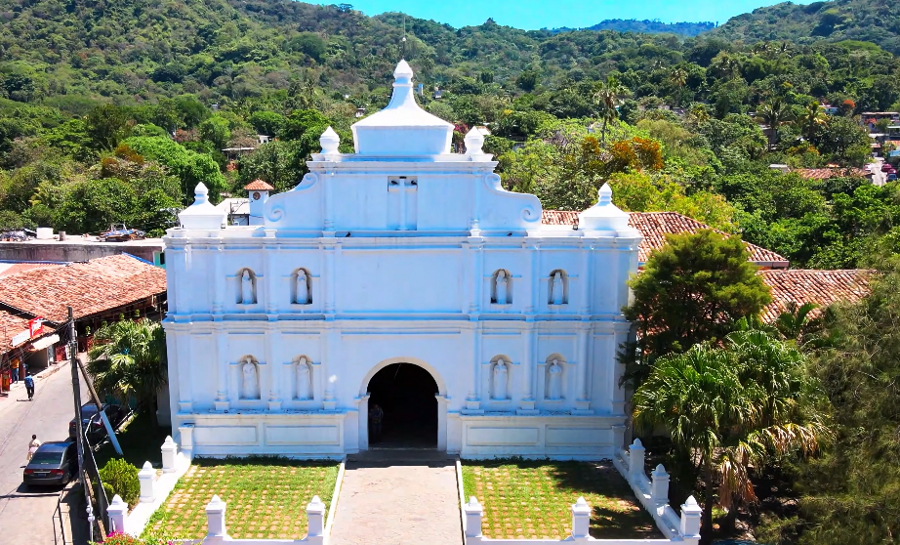
The History of Churches in El Salvador
Churches have been an integral part of El Salvador since the days of Spanish colonialism. The missionaries brought Catholicism with them, and the churches became the hub of towns and communities throughout the country.
Colonial towns grew around a central plaza and church. The church became the heart of the community, bringing people together for religious services, local gatherings, and traditional celebrations.
Over the years, earthquakes have damaged many churches across El Salvador. Local communities have rebuilt them, sometimes introducing new architectural styles while keeping their religious importance and historical significance alive.
El Salvador is home to churches from various historical periods and architectural styles. Some structures reflect the colonial period, while others show Gothic influences; some are constructed in a modern style, and others are purely the product of an artist’s imagination.
Top 10 Churches in El Salvador Worth Visiting
El Salvador is home to a wide variety of churches, from magnificent cathedrals in major cities to historic parish churches in smaller towns. Here are ten churches that stand out for their architectural beauty, historical significance, or cultural importance.
| Church’s Name | Location | Highlights |
|---|---|---|
| Metropolitan Cathedral of San Salvador | San Salvador | Historic cathedral, impressive architecture, and the tomb of Saint Óscar Romero. |
| El Rosario Church | San Salvador | Modernist architecture, curved concrete structure, and colorful stained-glass windows. |
| Santa Ana Cathedral | Santa Ana | Neo-Gothic architecture, white facade, decorative towers, and historic central plaza. |
| Basilica of Our Lady of Peace | San Miguel | Neo-Gothic design, towering facade, and important Marian religious traditions. |
| Santa Lucía Church | Suchitoto, Cuscatlán | Historic architecture, white facade, and picturesque colonial-style surroundings. |
| Santa Cruz de Roma Church | Panchimalco, San Salvador | Colonial architecture, historic religious artwork, and Indigenous cultural heritage. |
| San Pedro Apóstol Church | Metapán, Santa Ana | 18th-century colonial architecture, Baroque details, and historic religious artwork. |
| Santiago Apóstol Church | Chalchuapa, Santa Ana | Colonial architecture, decorative altars, and proximity to Tazumal archaeological site. |
| Santiago Apóstol Church | Conchagua, La Unión | 17th-century colonial church, historic religious images, and traditional town plaza. |
| Nuestra Señora del Pilar Church | San Vicente | Colonial religious heritage, Baroque architectural details, and historic facade. |
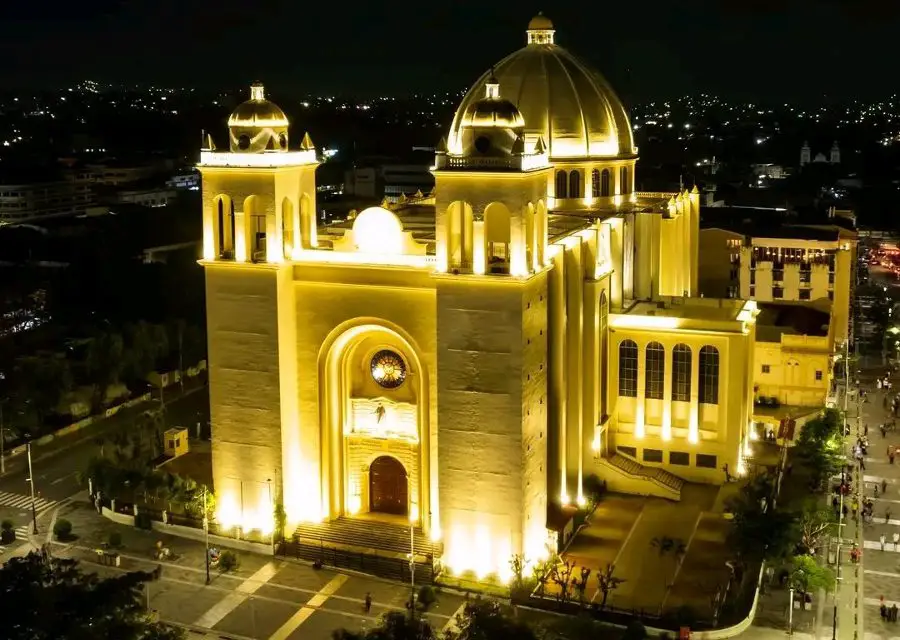
1. Metropolitan Cathedral of San Salvador
The Metropolitan Cathedral of San Salvador is in the very heart of the historic center of the capital, sitting overlooking Plaza Gerardo Barrios. It is one of the most important Catholic churches in the country and a major place of worship.
The present cathedral building is in fact a replacement for earlier ones which had been destroyed by both earthquake and fire. It is a building of immense exterior and an interior which is very much in the style of the country’s Catholic church.
The cathedral also houses the tomb of St Óscar Arnulfo Romero, the Archbishop of El Salvador who was assassinated in 1980. His tomb gives the building a very specific historical and spiritual dimension.
You can combine a visit to the cathedral with the adjacent plazas, the historic buildings, and all the other cultural attractions. It’s a logical place to start when you’re exploring downtown San Salvador.
2. El Rosario Church in San Salvador
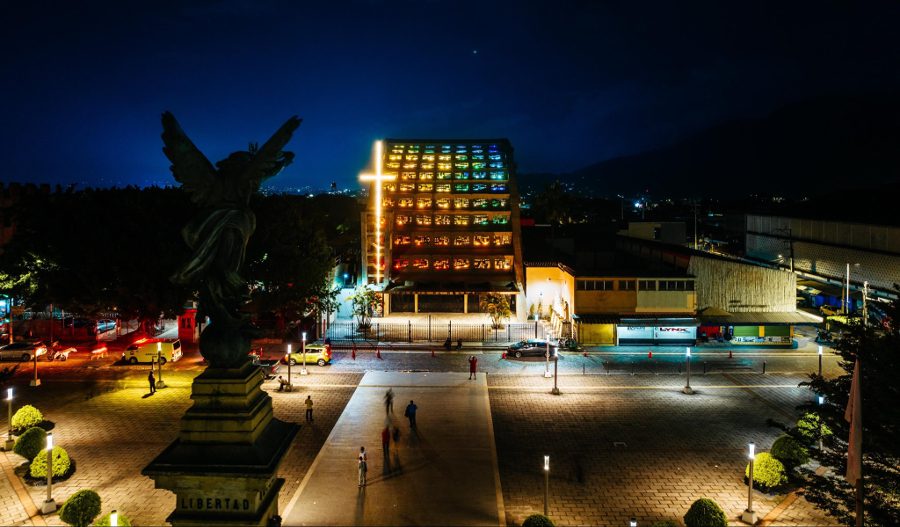
El Rosario Church is nothing like a typical Salvadoran church. It’s a curved concrete building and one of the most recognizable buildings in the capital.
Salvadoran architect Ruben Martinez designed the church (completed in the 1970s), which was a very modern building in terms of architecture and very much in the spirit of the time, a building full of light. It was by no means a conventional church.
The church’s beautiful stained glass windows fill the interior with colorful patterns of light. As sunlight shifts throughout the day, the colors and patterns change, giving visitors a different experience each time.
The church is right next to Plaza Libertad in the heart of San Salvador and is widely regarded by architectural historians as one of the most interesting churches in Central America.
3. Santa Ana Cathedral
The Santa Ana Cathedral rises over the historic center of Santa Ana—El Salvador’s second-largest city. It’s a white building full of detail and one of the city’s most iconic landmarks.
The cathedral is a neo-Gothic building, in contrast to many churches in the country, which have a colonial style. It possesses all the pointed arches, towers, and other typical features of Gothic architecture.
Construction started on the site of an earlier parish church in the early 1900s, and the cathedral eventually became one of the most iconic buildings in Santa Ana.
You can view the exterior from the central plaza and then explore the rest of the historic district. The National Theatre and various municipal buildings in the area are also worth seeing.

4. Basilica of Our Lady of Peace in San Miguel
The Cathedral Basilica of Our Lady of Peace is one of the most prominent religious buildings in eastern El Salvador, with an imposing facade facing the central part of San Miguel.
The basilica features a neo-Gothic design, with tall towers, pointed arches, and beautiful decorative details. Construction took several years, and the building gradually took on the impressive appearance visitors see today.
The church honors Our Lady of Peace, a devotion closely associated with San Miguel. The related religious festivities play a significant role in the city’s cultural life.
Visitors to San Miguel usually visit the basilica to admire its architecture and setting, which is conveniently located for exploring the city’s historic streets.

5. Santa Lucía Church in Suchitoto
The Santa Lucía church is located in the heart of the central plaza in Suchitoto, surrounded by cobblestones and traditional buildings. It is one of the most prominent architectural features of the town.
The church, built in the 19th century, features a white facade with elaborate decorative details and prominent bell towers. It exemplifies the well-preserved historic character of Suchitoto.
Religious festivals and community events remain the primary means of connecting the church with the local community. The plaza serves as a gathering place for residents.
Many visitors come to Suchitoto to experience the colonial-style streets, explore the art galleries, and enjoy the nearby Lago Suchitlán. The church serves as a great starting point for walking around the town.

6. Santa Cruz de Roma Church in Panchimalco
The Santa Cruz de Roma church is a major colonial church in the country, located just south of San Salvador. It holds significant historical and cultural importance.
Its thick adobe and masonry walls, decorative facade, and traditional design reflect Spanish colonial influence. The church features several architectural elements that are now very rare in El Salvador.
Panchimalco has strong indigenous roots, and you can see them in its local celebrations. The Festival of Flowers and Palms is a great example of how Catholic beliefs and indigenous traditions come together.
Visitors are welcome to enter the church and explore the town, which offers a completely different experience compared to the capital. The streets are ordinary, featuring typical activities of a small town.

7. San Pedro Apóstol Church in Metapán
The San Pedro Apóstol Church is a prime example of colonial religious architecture in El Salvador, with its impressive facade located directly adjacent to the central plaza of Metapán.
Construction began in 1736 and was completed in 1743. It is a Baroque church featuring typical Baroque elements, such as columns and religious niches, and it has a very distinctive bell tower.
Inside, there is traditional religious art, wooden altarpieces, and architectural details typical of a colonial building. It was designated a National Monument in 1953.
Metapan provides access to the region’s natural attractions, making it a fascinating cultural stop for those traveling through northwest El Salvador.
8. Santiago Apóstol Church in Chalchuapa
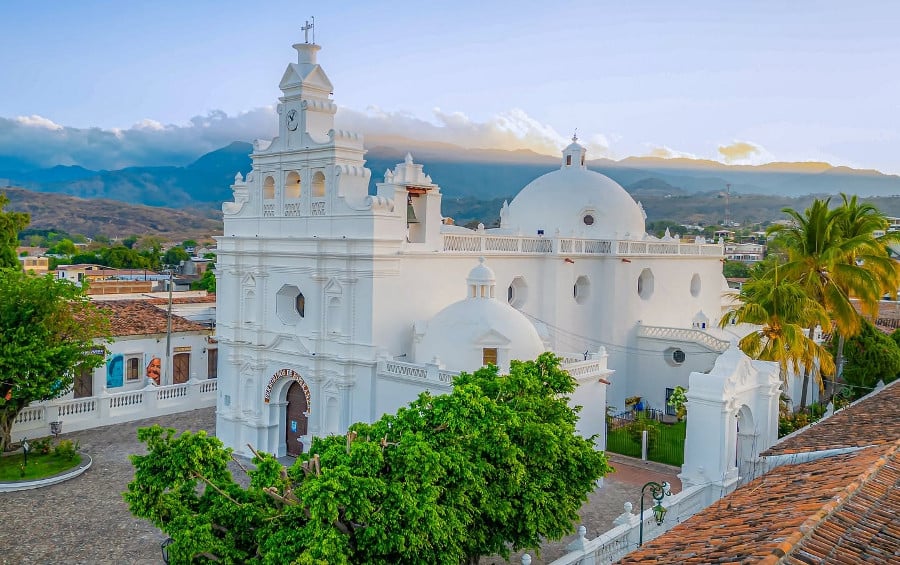
The Santiago Apóstol Church is located in the historic center of Chalchuapa, which is better known for its archaeological sites.
The church dates back to the Spanish colonial period and features excellent Baroque architecture. Its ornate facade and traditional construction method distinguish it from the more modern churches in the country.
Inside the church, you’ll find historic religious images, beautifully decorated altars, and traditional artwork that showcase the craftsmanship of past generations.
You can visit the church and the nearby Tazumal archaeological site for a fascinating experience that combines two distinct periods in Salvadoran history.
9. Santiago Apóstol Church in Conchagua
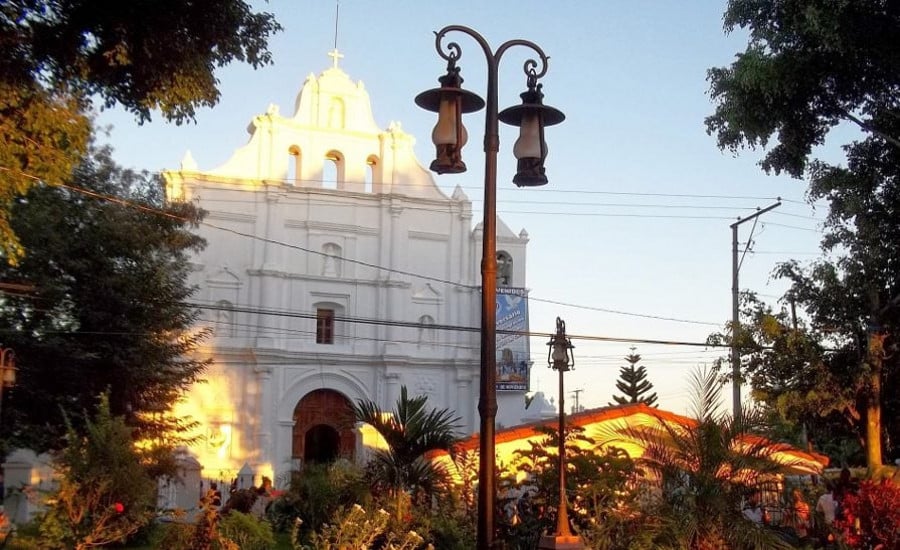
The Santiago Apóstol Church is one of the oldest churches still standing in El Salvador, located in the town of Conchagua, right over the traditional central plaza.
The church dates back to the 17th century, and records show it was completed in 1693. Its thick walls and colonial-style architecture reflect the building traditions of that time.
Inside, religious images and historic furnishings reflect the community’s deep-rooted faith and traditions. Today, the church remains an important local landmark, connecting residents and visitors with Conchagua’s history.
Travelers visiting eastern El Salvador can explore the church as part of their journey to experience the town’s traditional character.
10. Nuestra Señora del Pilar Church in San Vicente
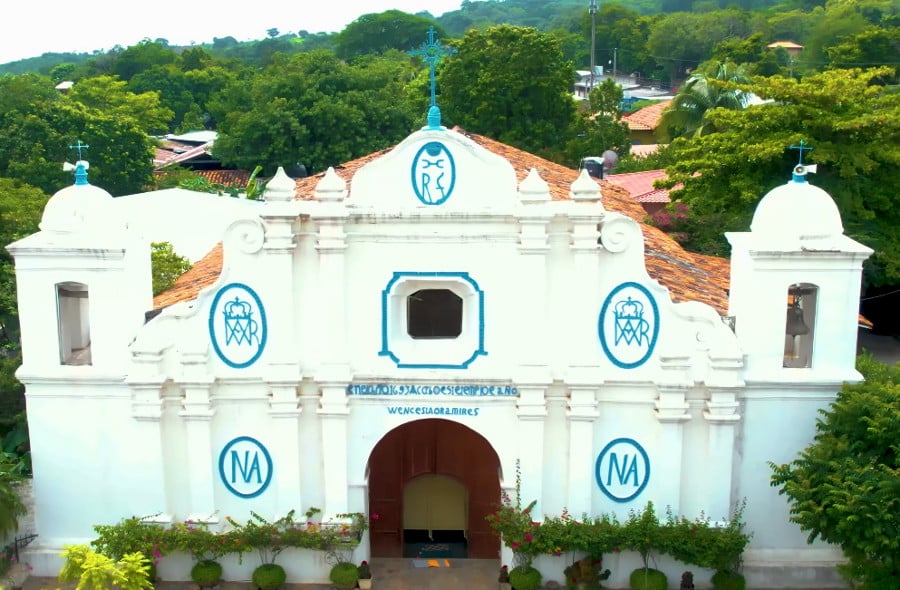
The Nuestra Señora del Pilar Church is a prime example of El Salvador’s colonial religious architecture and beautifully reflects the artistic influences of the Spanish colonial period.
This church showcases Baroque elements, characterized by its ornate details that give the facade a unique appearance. It stands in stark contrast to most parish churches in the region.
For generations, this building has been an integral part of San Vicente’s religious and cultural identity. Its history offers visitors valuable insight into the development of Catholic communities in central El Salvador.
Consider including the church in a walking tour of the historic area of San Vicente. You can stroll through traditional streets and central parts of the city while enjoying other architectural highlights along the way.
Other Churches in El Salvador Worth Exploring
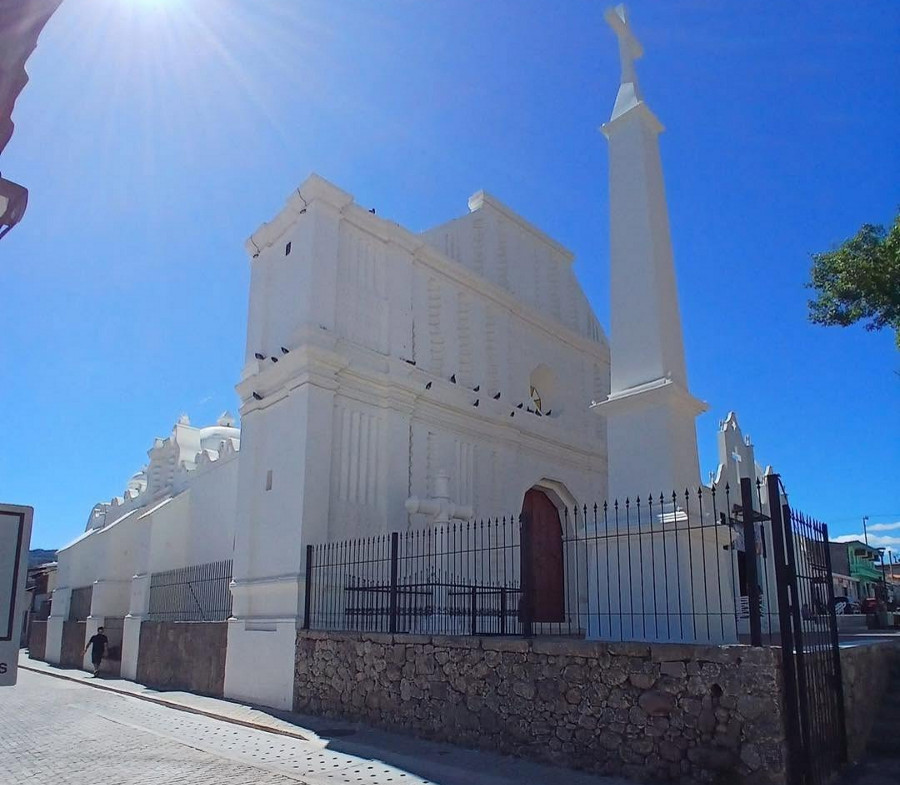
El Salvador has plenty of other churches worth checking out. In San Salvador, you can visit El Calvario Church and the Basilica of the Sacred Heart of Jesus, both known for their beautiful architecture.
In Antiguo Cuscatlán, the Basilica of Our Lady of Guadalupe welcomes visitors with its impressive design and peaceful atmosphere. It’s another interesting stop if you’re exploring the San Salvador area.
If you’re heading to the colorful town of Ataco, don’t miss the Church of the Immaculate Conception. Many visitors stop by while exploring the town’s charming streets, murals, and local shops.

Church Architecture
Churches in El Salvador showcase centuries of history, culture, and artistic influences. From colonial Baroque designs to modern concrete buildings, each architectural style tells a different part of the country’s story.
Colonial-Era Church Architecture
Many older churches feature thick walls, ornate facades, bell towers, and similar characteristics. They were constructed using traditional materials such as adobe, stone, and lime mortar, which were suitable for the local conditions.
The churches in Metapán, Chalchuapa, and Panchimalco are prime examples of exceptional colonial craftsmanship. The architectural details illustrate how European religious designs were adapted to fit the Central American communities and the materials that were available.
Gothic and Neo-Gothic Influences
The Neo-Gothic style introduced features such as pointed arches, tall towers, and abundant decorative elements to religious buildings in El Salvador. This style contrasts sharply with the thick walls and ornate facades found in colonial churches.
Two of the most prominent examples of Neo-Gothic architecture in the country are the Santa Ana Cathedral and the Basilica of Our Lady of Peace in San Miguel. Their unique designs make them stand out as major landmarks in their historic city centers.
Modern Church Architecture
Modern religious architecture has brought forth new materials, construction methods, and artistic concepts. Architects have begun to experiment with concrete, open-plan interiors, and a variety of unique forms.
One of the most striking examples in the country is El Rosario Church. The curved form of the building and the vivid stained glass are a perfect example of how modern architecture can create a very memorable church environment.

The Cultural and Religious Importance of Churches
Churches remain major community gathering places in many Salvadoran communities. They are the place for baptisms, weddings, funerals, patron saint festivals, and all the other events that bring families together.
Catholicism plays a big part in local festivals, particularly during Holy Week and the celebrations of the city’s patron saint. The churches are at the heart of these events with processions, the display of images, music and community involvement.
These traditions remain an important part of local life and help strengthen the connection between churches and their communities.
These traditions also serve to preserve a local identity. In the smaller towns, the parish church is often right next to the main plaza, and that becomes a very familiar place for both locals and visitors.
While the historic Catholic churches are central to many architectural tourist itineraries, El Salvador also has a significant Protestant and evangelical influence as part of its religious landscape.
Preserving El Salvador’s Historic Churches
Earthquakes, the weather, and the passage of time have all had their effect on a number of the churches in El Salvador. Some have been extensively restored; others have been rebuilt following major damage.
Preserving historic churches involves more than just maintaining the walls and roofs. The religious art, altars, sculptures, and architectural details all contribute to our cultural heritage.
Local communities, religious groups, and cultural authorities all help protect these historic buildings. By preserving them, they make sure future generations can explore and appreciate these important pieces of our history.
Tips for Visiting Churches in El Salvador
The vast majority of the historic churches are located in the town centers and are a convenient stop on a cultural visit. One must bear in mind that they are still places of worship.
Dress appropriately, keep it quiet, and don’t interrupt any services. A number of churches will not allow photography during services, so it’s worth asking permission before doing so.
Morning visits are often the best time to explore the plazas and historic streets around the site. The natural light at this time of day highlights the architectural details beautifully, especially on the church facades and in the ornate interiors.
Before you go, check if the church is open to the public and if any restoration work is affecting access. Religious services, local events, and maintenance can sometimes mean you are unable to visit.
Exploring historic churches is one of the top things to do in El Salvador, especially if you enjoy history, architecture, and local culture. Each church offers something different to discover.
These churches are also among the best places to visit in El Salvador. Many travelers include them in their trips to explore the country’s religious traditions and architectural heritage.
If you can, plan your visit during a religious holiday or local celebration. You’ll get to see these churches come alive with colorful decorations, traditional activities, and community gatherings.
Churches in El Salvador: A Lasting Part of Salvadoran Culture
From the colorful interior of El Rosario Church to the colonial charm of Metapán, El Salvador’s churches offer a fascinating look at the country’s history, art, and religious traditions.
Each church has something special to offer. Some stand out with impressive architecture, while others keep things simple, surrounded by charming plazas, historic streets, and lively local communities.
Visiting these churches is a great way to experience another side of El Salvador. Along the way, you’ll discover beautiful landmarks, explore local traditions, and get a better feel for the country’s culture and heritage.

