Popular Salvadoran Drinks.
El Salvador drinks offer a flavorful introduction to the country’s culture and culinary traditions. From refreshing fruit beverages to warm corn-based recipes, there’s plenty to discover beyond the usual soft drinks.
Salvadorans make many of their traditional drinks with locally grown ingredients like tropical fruits, corn, seeds, and cacao. They also follow family recipes and preparation methods passed down from one generation to the next.
Whether you’re exploring a local market, enjoying pupusas at a neighborhood restaurant, or attending a town festival, trying Salvadoran beverages is an easy way to experience everyday life in the country.

Traditional Drinks in El Salvador
Traditional drinks in El Salvador come in different flavors, colors, and textures. Some have deep roots in local food traditions, while others showcase the country’s abundant tropical fruits.
Horchata de Morro
Horchata de morro is one of the most recognizable Salvadoran beverages. Its signature ingredient is the morro seed, which gives the drink a nutty flavor.
Recipes often combine ground morro seeds with rice, sesame seeds, cinnamon, and other spices. Served cold, horchata is a popular accompaniment to pupusas and traditional Salvadoran meals.
Unlike the rice-based horchata commonly associated with Mexico, the Salvadoran version gets much of its distinctive character from roasted seeds.
Fresco de Ensalada
Fresco de ensalada is both a drink and a fruit snack. It combines finely chopped fruits, often including pineapple, apples, and marañón, in a sweetened liquid.
The fruit pieces make it different from ordinary juices. You’ll frequently encounter it at celebrations, food stands, and restaurants serving traditional cuisine.
Fresco de Chan
The defining feature of fresco de chan is its texture. Prepared with chan seeds soaked in water, usually flavored with lemon and sugar. The seeds develop a gelatinous coating, giving this traditional beverage its distinctive texture.
Combined with lemon juice and sugar, they create a light refreshment with a slightly unusual consistency. It’s an interesting option for anyone curious about traditional seed-based beverages.
Fresco de Tamarindo
Tamarind gives this beverage its unmistakable sweet-and-sour character. The pulp is mixed with water and sweetened according to taste.
Its tangy flavor pairs well with savory Salvadoran dishes, making it a familiar choice at restaurants and traditional food stands.
Fresco de Arrayán
Arrayán is a small fruit used in traditional Salvadoran refreshments. Its distinctive flavor combines sweetness with a slightly tart finish.
Although less widely available than horchata or tamarind drinks, fresco de arrayán offers another example of how Salvadorans use locally grown fruits.
Fresco de Cebada
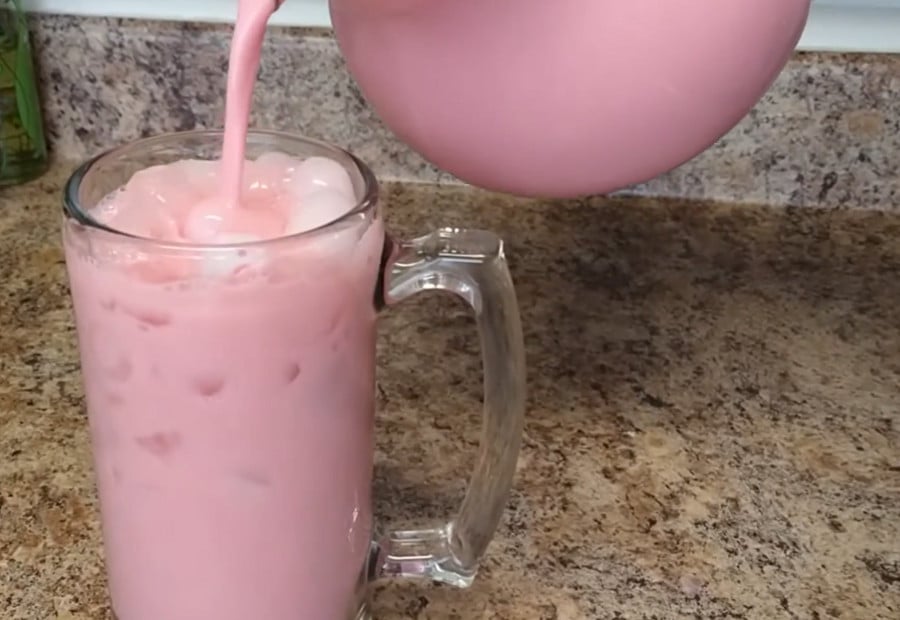
Fresco de cebada stands out for its pink color and sweet, aromatic taste. Salvadoran recipes generally use a barley-based mixture with added flavorings and spices.
Unlike ordinary barley water, this version often has a richer consistency. It’s particularly associated with traditional food vendors and casual dining.
Atol de Elote
Atol de elote is one of the most popular traditional drinks in El Salvador, with roots in ancient Mesoamerican corn-based traditions. This warm, creamy beverage is made from fresh corn, milk or water, sugar, and cinnamon.
To prepare it, Salvadorans grind and strain fresh corn, then cook it with the other ingredients until it thickens. The result is a smooth, naturally sweet drink with a rich corn flavor and a hint of spice.
Atol de elote remains a favorite at family gatherings, traditional celebrations, and local festivals. You can also find it at markets and roadside stands, often served hot alongside traditional Salvadoran snacks.

Atol Shuco
Atol shuco, also known as atole chuco, is a traditional Salvadoran drink made from fermented corn. Unlike sweet corn beverages, it has a thick consistency and a distinctive earthy, slightly sour flavor.
Typically prepared with dark or purple corn, the drink is cooked and strained before being served warm with cooked beans, ground squash seeds (alguashte), salt, and chili.
Street vendors commonly sell atol shuco in local markets, municipal parks, and small-town food stands, particularly in the late afternoon. Traditionally, they serve it in a bowl made from the dried fruit of the morro tree, adding to its cultural appeal.

Chilate
Chilate is a traditional corn-based drink with roots in Central America’s indigenous culinary traditions, dating back to pre-colonial times. Variations also exist in Mexico, with ingredients and preparation methods differing by region.
In El Salvador, chilate is typically made from ground corn and water, sometimes flavored with spices such as cinnamon, pepper, or cloves. It’s traditionally served warm and without sugar, giving it a mild, earthy flavor.
Salvadorans commonly enjoy chilate with nuégados, a traditional fried treat covered in sweet syrup. The combination of the drink’s mild flavor and the dessert’s sweetness makes it a favorite pairing in Salvadoran cuisine.

Atol de Piñuela
Atol de piñuela is a less familiar traditional preparation that uses piñuela fruit. It belongs to the broader family of thick, sweet beverages known as atoles. Its relative rarity makes it an interesting example of the diversity found in Salvadoran cooking.
Kolashampan
Kolashampan is one of El Salvador’s most iconic soft drinks, known for its bright orange color and sweet, fizzy flavor with hints of caramel, vanilla, and fruit.
Unlike traditional homemade beverages, this locally produced soda has delighted Salvadorans for generations.
It is more than just a refreshing drink; Kolashampan holds a special place in Salvadoran culture. Its distinctive taste and long history have made it a symbol of local pride and Salvadoran identity.

Popular Salvadoran Fruit Drinks and Natural Refreshments
Known locally as frescos naturales, fruit-based refreshments are among the most common non-alcoholic drinks in El Salvador. These beverages typically combine fruit pulp or juice with water and sugar.
Some of these fruit drinks include fresco de ensalada, fresco de tamarindo, fresco de arrayán, and fresco de chan. Their availability often depends on the harvest season.
Fresco de Marañón
Made from the cashew apple rather than the cashew nut, fresco de marañón has a distinctive sweet and slightly astringent taste.
Fresco de Jocote
Jocote produces a flavorful refreshment that ranges from tart to sweet depending on the fruit’s ripeness. It’s especially associated with the fruit’s seasonal availability.
Alcoholic Drinks in El Salvador
Alcoholic drinks also play a role in Salvadoran food and social traditions. Some come from generations-old recipes, while others are popular at parties, celebrations, and casual get-togethers.
Chicha: A Traditional Fermented Drink
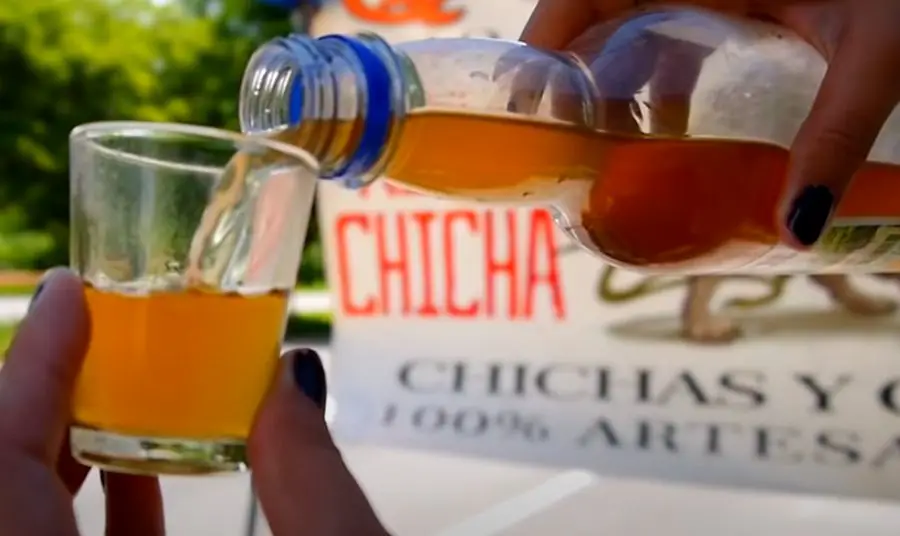
La Chicha is a traditional Salvadoran alcoholic drink with roots in pre-Columbian indigenous fermentation practices. Originally made from fermented corn, the recipe evolved during colonial times with the introduction of sugarcane.
Today, Salvadorans also use different fruits, creating unique flavors depending on the ingredients and fermentation process. For generations, locals prepared La Chicha at home, often illegally, and shared it during community celebrations.
Today, commercial versions are legally available in stores, although homemade varieties still circulate in some Salvadoran towns, keeping this longstanding tradition alive.
Chaparro: Salvadoran Sugarcane Liquor
Chaparro is a traditional distilled spirit associated with rural communities. Usually made from fermented sugarcane-based ingredients, it has a strong flavor and a place in local liquor-making traditions.
Beer and Salvadoran Social Culture
Beer is a popular drink in El Salvador, especially at restaurants, celebrations, and social gatherings. While both local and imported brands are widely available, Pilsener and Suprema stand out as two of the country’s most iconic beers.
Pilsener is a light lager with a crisp, refreshing taste that pairs well with traditional Salvadoran dishes like pupusas and seafood. Suprema offers a smoother, richer flavor, making it a popular choice for those who prefer a more balanced beer.
Other Hot Drinks in El Salvador
Warm beverages have a longstanding place in Salvadoran food culture. They’re commonly associated with breakfast, afternoon snacks, and traditional gatherings.
Corn is particularly important in this category, appearing in several recipes with noticeably different flavors and consistencies. Some include Atol de Elote, Atol Shuco, Chilate, and Atol de Piñuela.
Salvadoran Coffee
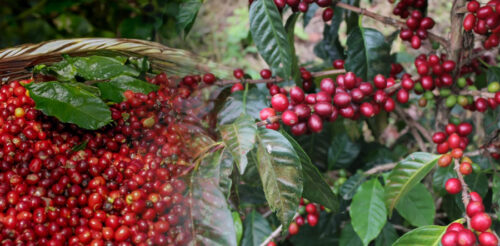
Coffee has long played an important role in El Salvador’s farming history and daily life. Farmers in the country’s mountainous regions grow high-quality Arabica coffee known for its rich flavor.
From a morning cup at home to specialty coffee served in cafés, coffee remains an important part of Salvadoran life. Visitors can also explore coffee-growing areas to learn how beans move from farms to the finished cup.
Chocolate Caliente
Salvadoran hot chocolate has a rich cacao flavor that makes it different from the usual hot chocolate. People often make it with roasted cacao, water or milk, sugar, and a little cinnamon.
It’s usually lighter and less creamy than hot chocolate in other countries, but it has a stronger cacao taste. Many Salvadorans enjoy it with sweet bread, especially in the morning or afternoon.
You should try it if you want to experience a comforting drink that connects Salvadoran food traditions with the country’s long history of cacao cultivation.
The Cultural Importance of Traditional Salvadoran Drinks
Traditional Salvadoran drinks tell a story about the country’s farming roots, family traditions, and local food culture. Many use ingredients that Salvadorans have grown and enjoyed for generations.
Salvadorans serve horchata, fresco de ensalada, and other homemade drinks at family gatherings, community celebrations, and patron saint festivals.
These refreshing favorites go well with traditional meals and bring a familiar taste to special occasions.
Markets and food festivals help keep traditional drink recipes visible. Vendors often prepare beverages using familiar methods, allowing visitors to experience flavors associated with local communities.
Many traditional Salvadoran drinks use corn, a staple crop that goes back to the country’s indigenous roots. Other local ingredients, like morro seeds, cacao, and seasonal fruits, give these drinks their unique flavors.
Where to Try Traditional Drinks in El Salvador
Finding authentic drinks to try in El Salvador is relatively easy, especially in places where traditional food remains part of daily life.
At local markets, you can try horchata, refreshing fruit drinks, and warm atoles. Some vendors make their own specialties, while others serve traditional recipes passed down through their communities.
Restaurants serving local cuisine frequently include natural refreshments on their menus. Horchata, tamarind drinks, and cebada are common options alongside pupusas and other Salvadoran dishes.
Then, there are the traditional food festivals and local celebrations, which can introduce visitors to regional beverages that aren’t always available in restaurants.
Discover El Salvador Through Its Traditional Drinks
Trying El Salvador’s traditional drinks is a great way to get a taste of the country’s food culture. From refreshing fruit drinks to warm atoles, each one brings together local ingredients, unique flavors, and traditions that Salvadorans have enjoyed for generations.
You can find these drinks at local markets, restaurants, and family gatherings across the country. Many locals still prepare them using recipes handed down from one generation to the next.
Whether you’re visiting a small town, browsing a local market, or sitting down for a traditional meal, don’t miss the chance to try a few. They provide a tasty way to experience Salvadoran flavors and gain insight into the country’s everyday culture.