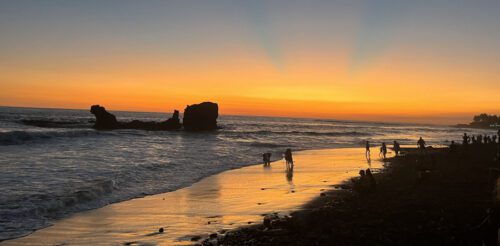
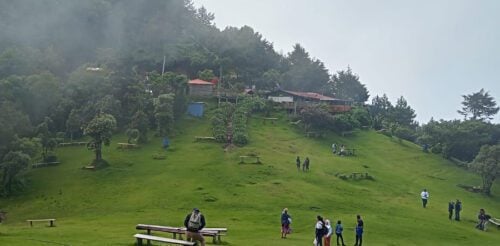
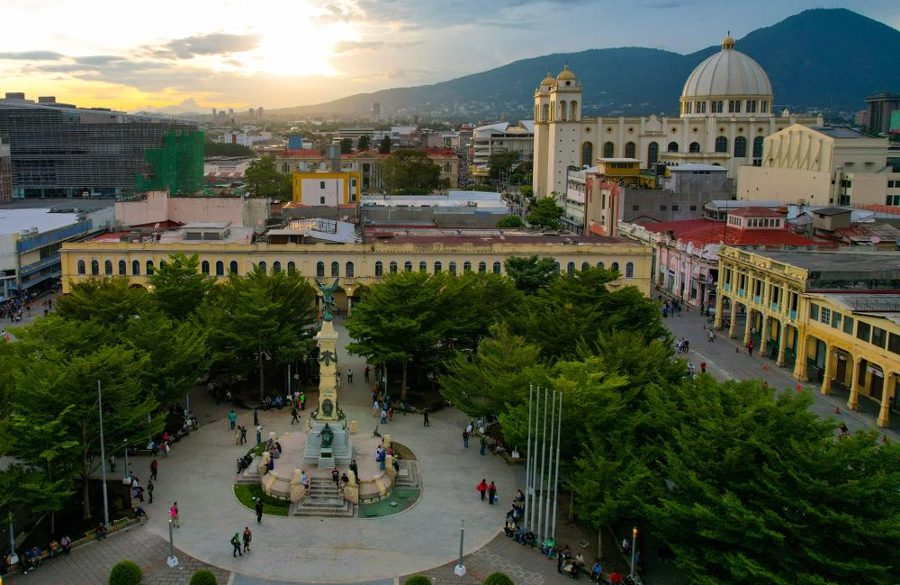
 Downtown San Salvador.
El Salvador may be Central America’s smallest country, but its landmarks tell some big stories. The country’s history and natural beauty is revealed with ancient Maya ruins, towering volcanoes, historic churches, monuments.
El Salvador is a small nation! You can visit archaeological sites in the morning, explore through historic downtown San Salvador in the afternoon, spend the night at the beach, and explore a volcanic landscape the next day.
Many visitors know El Salvador for its beaches and surf, but there’s much more to discover. Exploring its landmarks offers a closer look at the history, culture, faith, and landscapes that define the country.
- Most Famous Landmarks in El Salvador
- Divine Savior of the World Monument
- Santa Ana Ilamatepec Volcano
- Metropolitan Cathedral of San Salvador
- Joya de Ceren
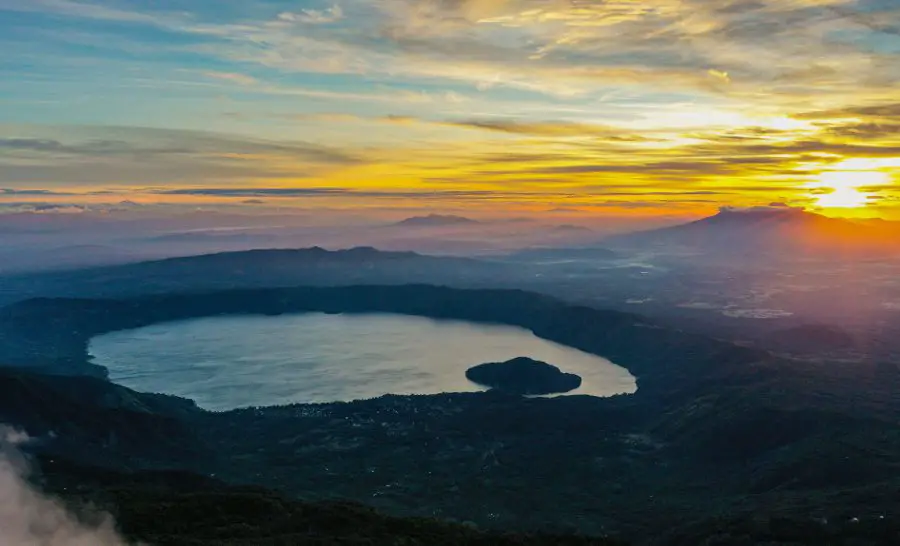
- Coatepeque Lake
- Archaeological and Mayan Landmarks
- Joya de Ceren
- Tazumal
- San Andres
- Casa Blanca
- Cihuatan
- Historic and Cultural Landmarks
- National Palace
- Plaza Gerardo Barrios
- Plaza Libertad
- Religious Landmarks
- Metropolitan Cathedral of San Salvador
- Santa Ana Cathedral
- El Rosario Church
- Natural Landmarks
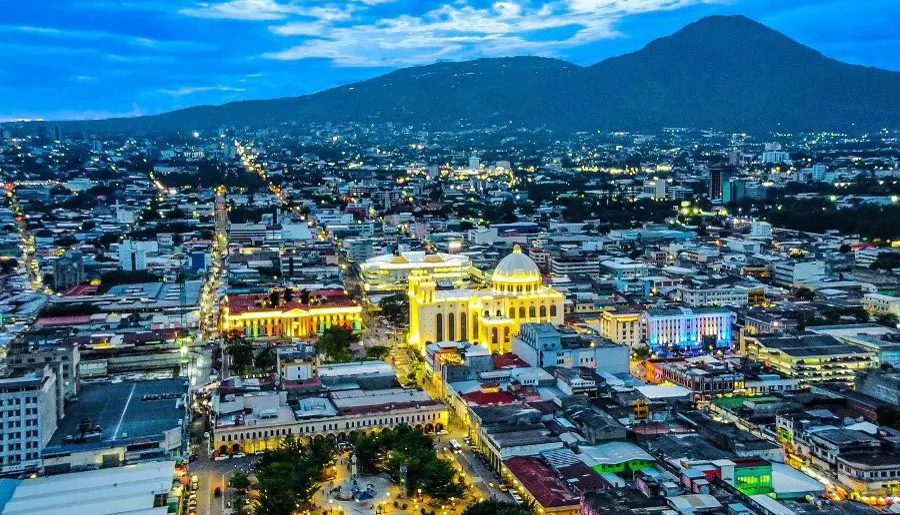
Most Famous Landmarks in El Salvador
El Salvador may be a small country, but its landmarks tell a much bigger story. From historic churches and ancient Maya sites to volcanic landscapes, these places showcase the country’s history, culture, and natural beauty.
Some of the most famous are the Divine Savior of the World Monument, the Metropolitan Cathedral of San Salvador, and the Joya de Cerén archaeological site.
The Santa Ana Volcano offers one of the country’s most recognizable volcanic landscapes. At the same time, Lake Coatepeque attracts visitors with its beauty and volcanic origins.
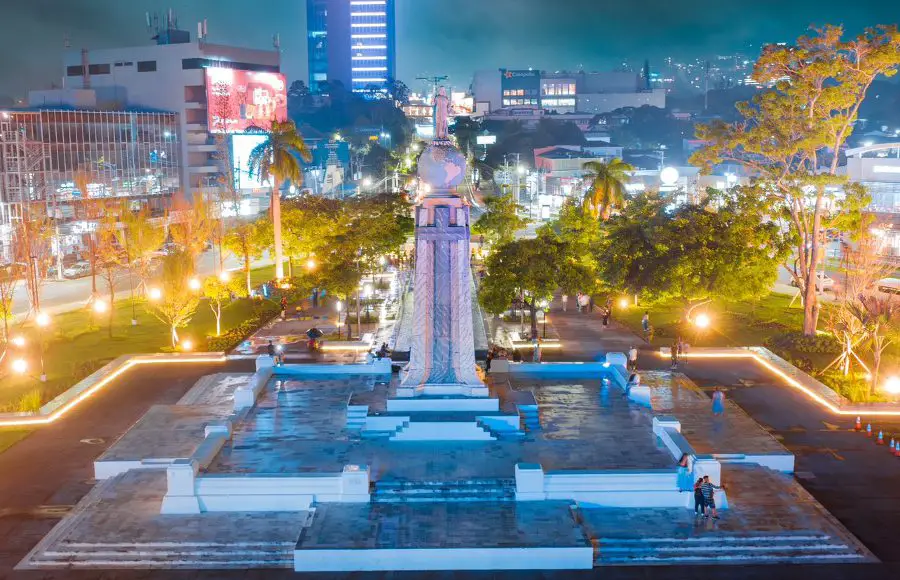
Divine Savior of the World Monument in San Salvador
One of El Salvador’s most iconic landmarks is the Divine Savior of the World Monument, located in Plaza Las Américas in San Salvador, El Salvador’s capital.
As a popular tourist spot, the landmark attracts visitors year-round. It offers a glimpse into El Salvador’s history and national pride. It also serves as a gathering place for celebrations and reflection.
During the 1986 earthquake, the statue of the Divine Savior of the World at the top of the monument collapsed and broke into several pieces. It was fixed and then returned to its original location.
From this point on, the monument became an even greater symbol of hope and faith for all Salvadorans. For many people in El Salvador, it represents national identity, faith, and pride.
The Divine Savior of the World Monument is one of El Salvador’s most recognizable landmarks worldwide and a must-see attraction.
Santa Ana Ilamatepec Volcano
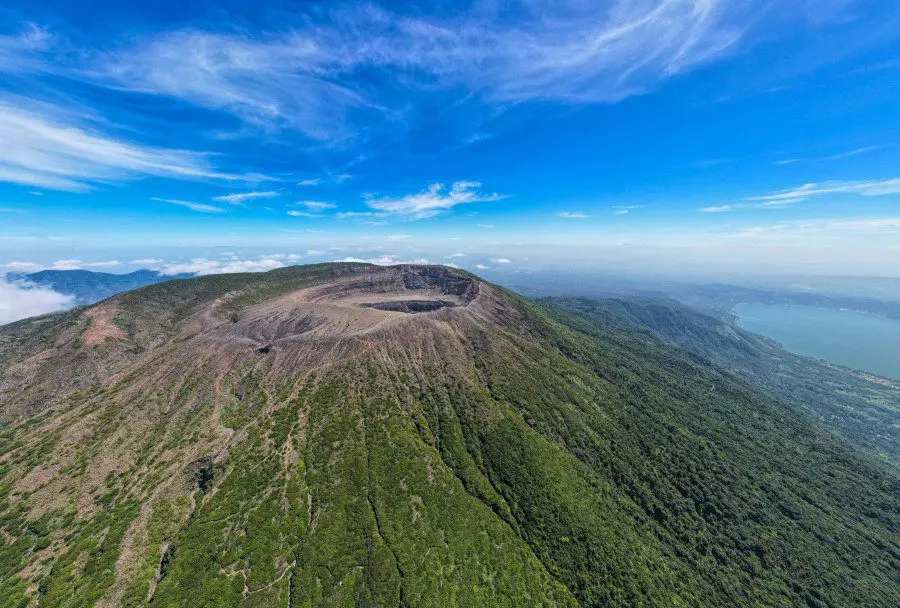
The Santa Ana Volcano, also known as Ilamatepec, is another of El Salvador’s most popular natural landmarks. This stratovolcano, located in the western part of the country, is the country’s tallest volcano.
You can hike to the summit, where the massive crater and its striking turquoise lake create an amazing view. From here, you’ll also get great views of the other volcanoes and Lake Coatepeque.
Ilamatepec is part of the Los Volcanes Complex, an area known for dramatic peaks and nearby attractions such as the Izalco and Cerro Verde Volcanoes. Its location makes it a popular stop for travelers exploring western El Salvador.
Metropolitan Cathedral of San Salvador
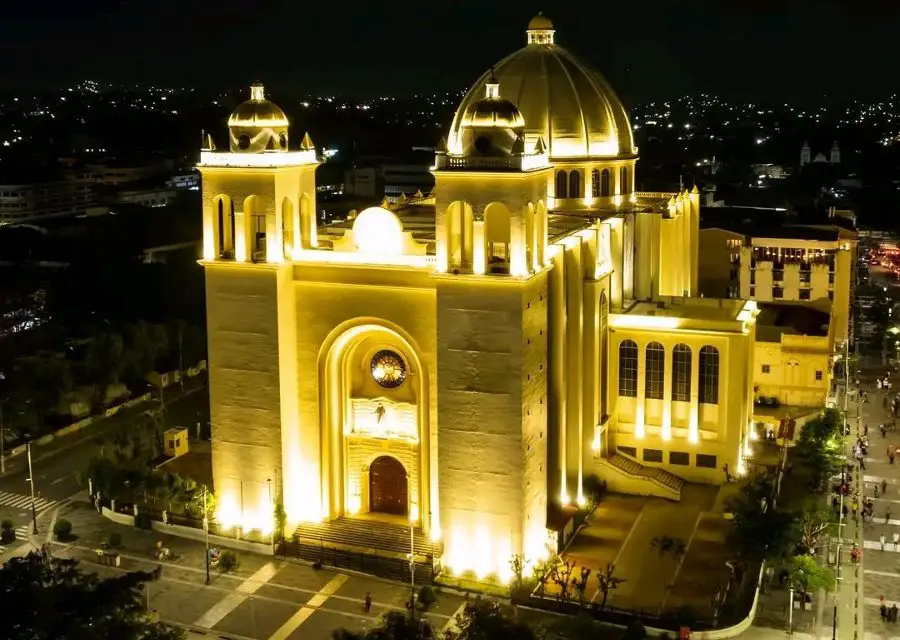
The Metropolitan Cathedral of San Salvador is located in the city’s historic district; it serves as the country’s principal Catholic church and the seat of the Archbishop of San Salvador.
Built in the late 16th century, the Cathedral was destroyed twice—first by an earthquake in 1873 and later by a devastating fire in 1951.
One of the Cathedral’s main attractions is the tomb of Archbishop Óscar Arnulfo Romero, El Salvador’s most revered religious figure and canonized saint.
Today, visitors are drawn to the church, not only for its art and architecture, but also for its spiritual significance. This Cathedral serves as a defining landmark in the capital’s newly restored downtown area.
Joya de Ceren: The Pompeii of the Américas
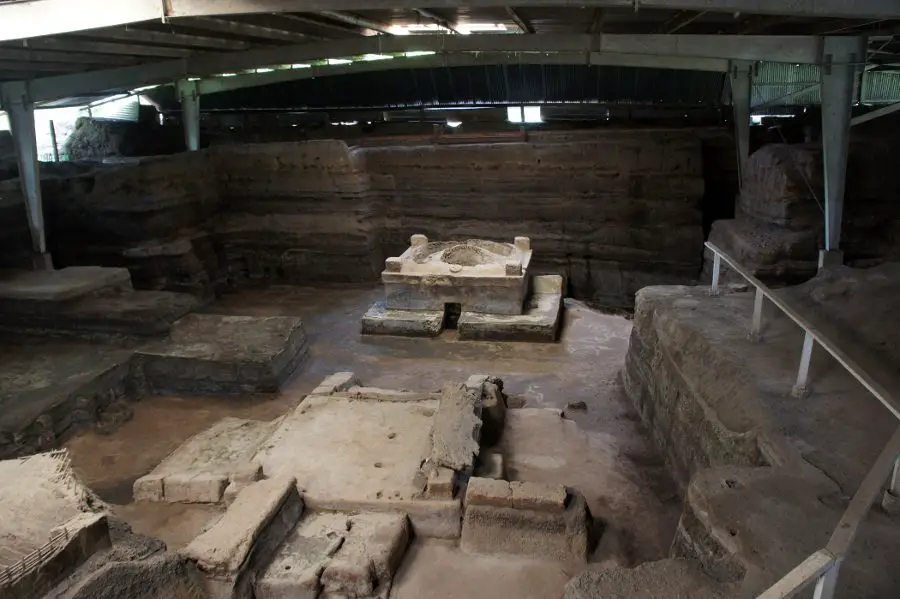
Joya de Cerén Archaeological Site is also one of El Salvador’s most popular landmarks, often referred to as the “Pompeii of the Américas” for its remarkably well-preserved ancient village.
This UNESCO World Heritage Site offers a glimpse into daily life before the Spanish conquest, capturing the homes, tools, and traditions of a pre-Columbian farming community.
Volcanic ash buried the archaeological site for centuries. Joya de Cerén remains a vital link to El Salvador’s indigenous past, drawing historians, archaeologists, and travelers eager to explore the country’s rich cultural heritage.
Coatepeque Lake. An Astounding Volcanic Caldera in El Salvador
El Salvador is home to numerous natural landmarks that amaze visitors across the country, and Coatepeque Lake is one of the most stunning.
Located about 18 kilometers south of the city of Santa Ana in El Congo, this crater lake is often ranked among the most beautiful in Central America. It sits near Cerro Verde National Park, home to the impressive Izalco and Santa Ana volcanoes.
Coatepeque Lake is an ideal ecotourism destination, offering visitors a range of activities, including mountain biking, fishing, diving, and camping, along with breathtaking scenery that makes this location unforgettable.
Archaeological and Mayan Landmarks
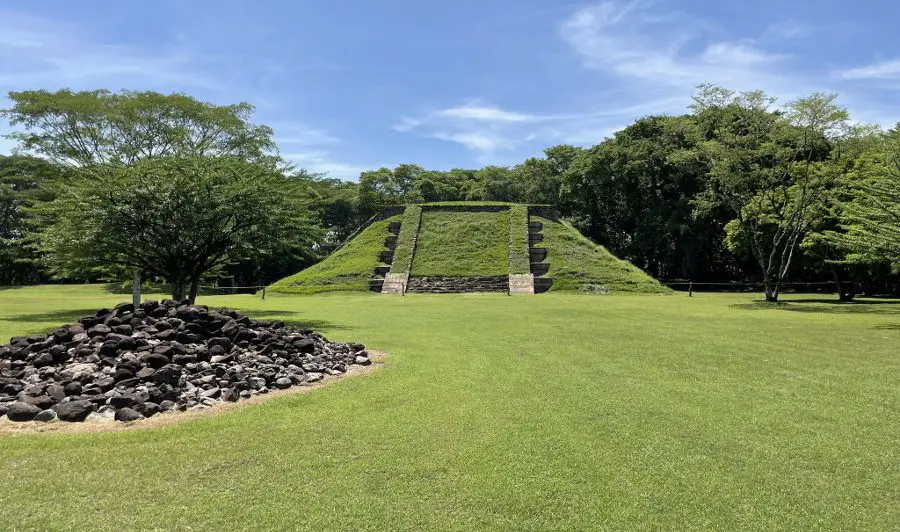
El Salvador’s archaeological landmarks offer a fascinating look at the civilizations that lived here centuries ago. You can explore ancient settlements, ceremonial structures, pyramids, plazas, and artifacts that reveal different chapters of the country’s past.
The best-known sites include Joya de Cerén, Tazumal, San Andrés, Casa Blanca, and Cihuatán, each offering a different glimpse into El Salvador’s rich pre-Hispanic heritage.
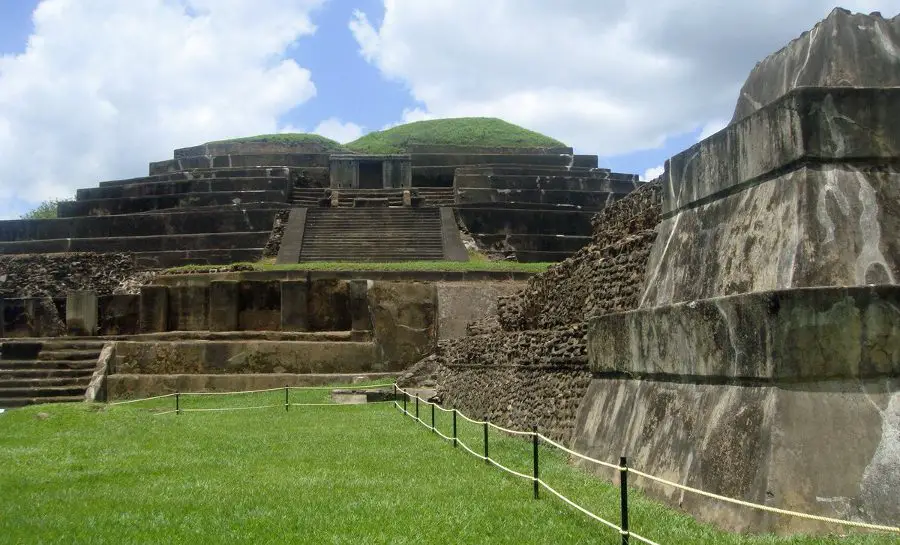
Tazumal Maya ruins
The Tazumal Maya Archaeological Site is one of El Salvador’s most impressive landmarks, showcasing the country’s deep connection to its ancient Mayan roots and cultural heritage.
Tazumal is located in Chalchuapa. It features pyramids, ceremonial structures, and artifacts that reveal centuries of advanced engineering and spiritual tradition.
Tazumal is one of El Salvador’s best-preserved pre-Columbian sites, drawing visitors who come to explore Mayan mysteries and experience the legacy that still shapes the country’s identity today.
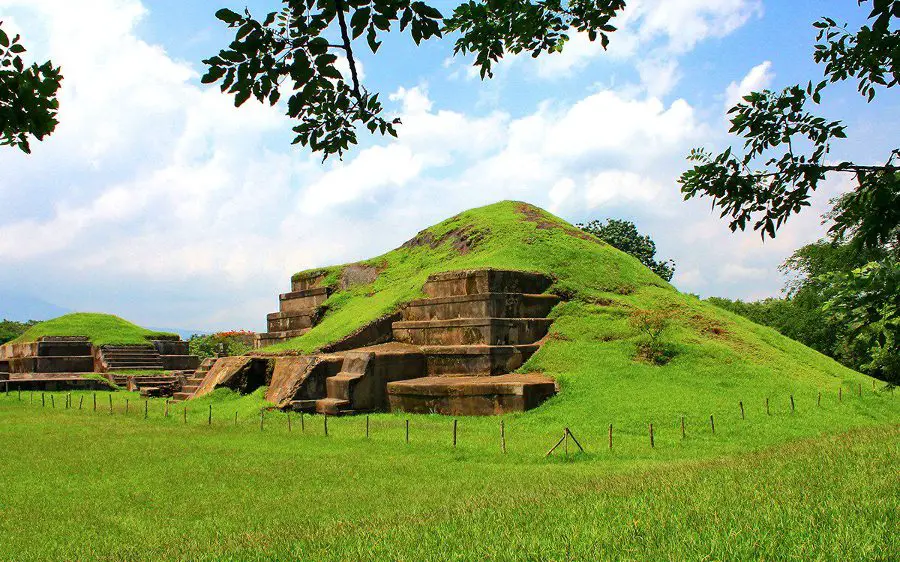
San Andres
San Andrés is one of El Salvador’s most important archaeological landmarks, offering a glimpse into Maya life centuries ago. You can walk through the site and see pyramids, plazas, and other ancient structures.
Located in the Zapotitán Valley, San Andrés attracts visitors interested in archaeology, history, and Salvadoran culture. Many travelers combine a visit with other archaeological attractions found across western El Salvador.
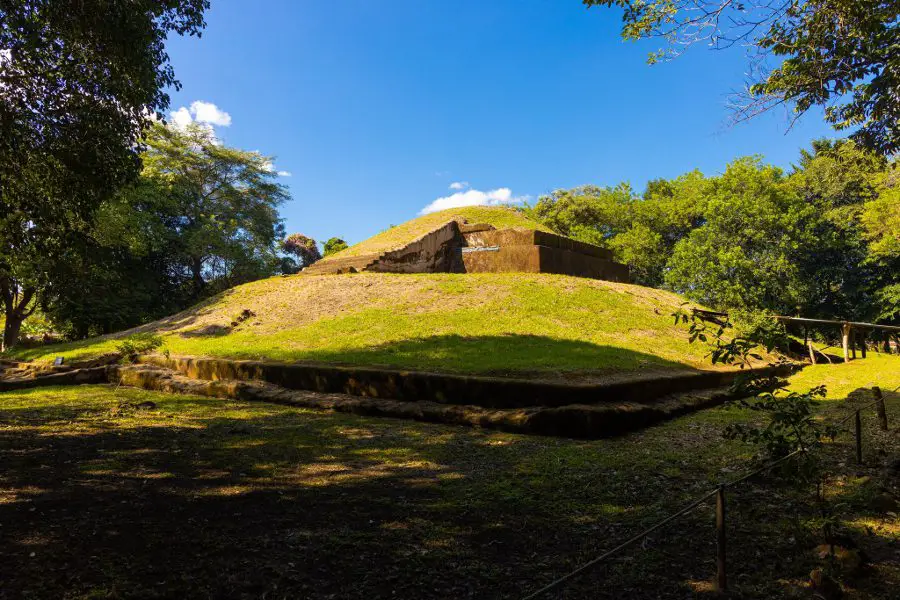
Casa Blanca
Casa Blanca Archaeological Site in Chalchuapa offers another window into El Salvador’s pre-Hispanic past. You can walk through the archaeological park and see ancient structures connected to communities that once inhabited the region.
Many visitors combine Casa Blanca with nearby Tazumal, making both sites an easy addition to a trip exploring Chalchuapa’s rich archaeological heritage.
Cihuatan
Cihuatán is one of El Salvador’s most fascinating archaeological landmarks, offering visitors a chance to explore the remains of a large pre-Hispanic city surrounded by central El Salvador’s countryside.
You can walk through the archaeological park and see ancient plazas, pyramids, and other structures. Many visitors come to Cihuatán to experience a lesser-known but impressive part of the country’s history.
Historic and Cultural Landmarks
El Salvador’s historic and cultural landmarks offer a closer look at the events, architecture, and traditions that shaped the country. The best-known sites stand within San Salvador’s Historic Downtown.
You can walk through the historic center and visit the National Palace, National Theater, Plaza Libertad, and Plaza Gerardo Barrios, all within a short distance.
These landmarks make downtown San Salvador one of the best places to experience the country’s history and culture.
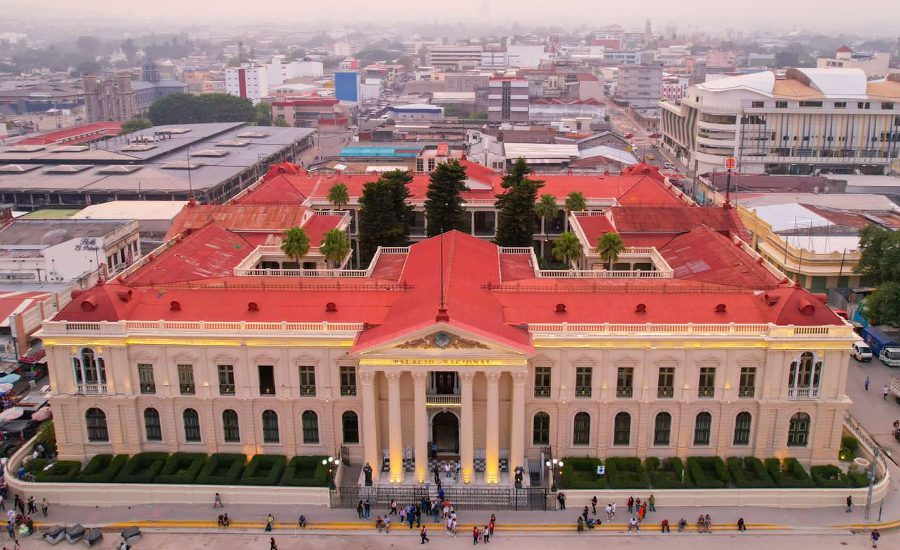
El Salvador National Palace
The National Palace, a neoclassical building in San Salvador’s historic district, once served as the seat of El Salvador’s main government branches throughout much of the 20th century.
Inside, each grand hall was painted a distinct color to represent a branch of government—the Pink Room for the Supreme Court, the Yellow Room for the Presidency, and the Blue Room for the Legislative Assembly.
Today, the National Palace stands as a cultural treasure and symbol of national heritage, offering visitors an intimate glimpse into the country’s political history and architectural elegance.
Plaza Gerardo Barrios
Plazas are among the most iconic landmarks in El Salvador, serving for centuries as gathering places and the backdrop for many of the nation’s most historic moments.
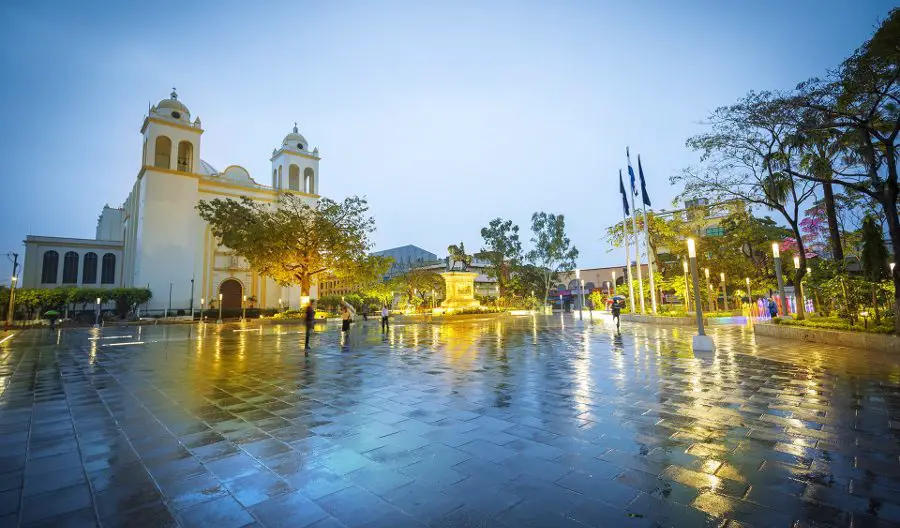
Plaza Gerardo Barrios lies at the heart of San Salvador’s historic district, directly in front of the Metropolitan Cathedral. It stands as a landmark not just for the capital, but for all of El Salvador.
Surrounding the plaza are some of the country’s most significant buildings, including the National Palace, the Metropolitan Cathedral, the National Theater, and the El Rosario Church.
The plaza and its monument honor President General Gerardo Barrios, one of El Salvador’s most influential historical figures.
This Landmark has also witnessed some significant events in its history, for example, the riots of 1980 during the funeral of Bishop Oscar Romero, who was murdered six days earlier during Mass by a sniper, and the celebration of the end of the Civil War in 1992.
Plaza Libertad
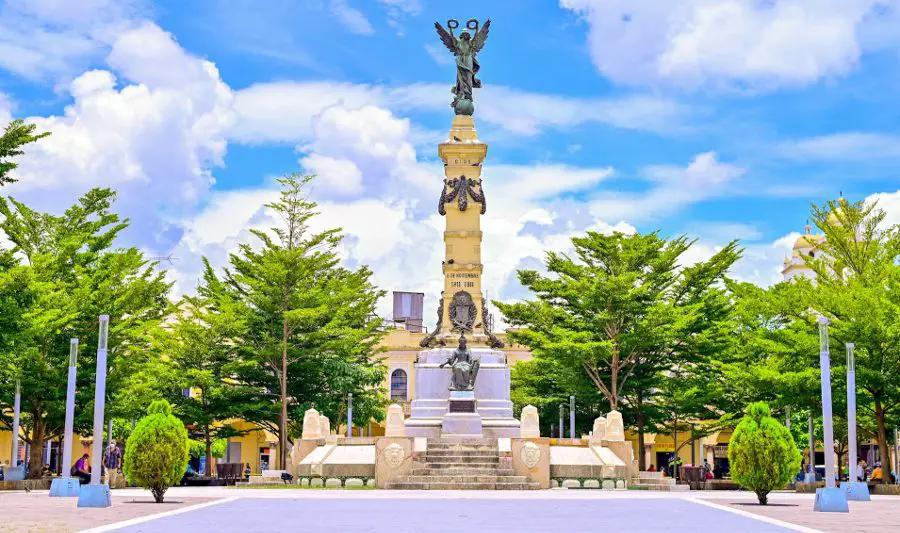
Plaza Libertad, also known as Liberty Plaza, is a historic landmark situated in the heart of San Salvador’s historic district. This wide-open square features a grand monument celebrating El Salvador’s independence.
Named in honor of Central America’s liberation from Spain, the plaza remains a key site for civic gatherings, notably the Independence Day celebrations held every September 15.
Plaza Libertad is also where the city of San Salvador was founded in the mid-16th century. Today, it’s a favorite spot for locals and visitors to relax, take photos, and soak in the city’s historic atmosphere.
Religious Landmarks
El Salvador’s religious landmarks reflect the country’s Catholic heritage, evident in its cathedrals, churches, basilicas, and monuments. These landmarks connect visitors with centuries of faith, architecture, traditions, and important figures in Salvadoran history.
You can visit the Metropolitan Cathedral and El Rosario Church in San Salvador, while the Monument to Saint Óscar Romero honors one of the country’s most influential and beloved religious figures.
Outside San Salvador, you’ll find important Catholic landmarks such as the Santa Ana Cathedral and the Basilica of Our Lady of Guadalupe. Smaller towns also have beautiful historic churches that are worth checking out.
The Santa Ana Cathedral
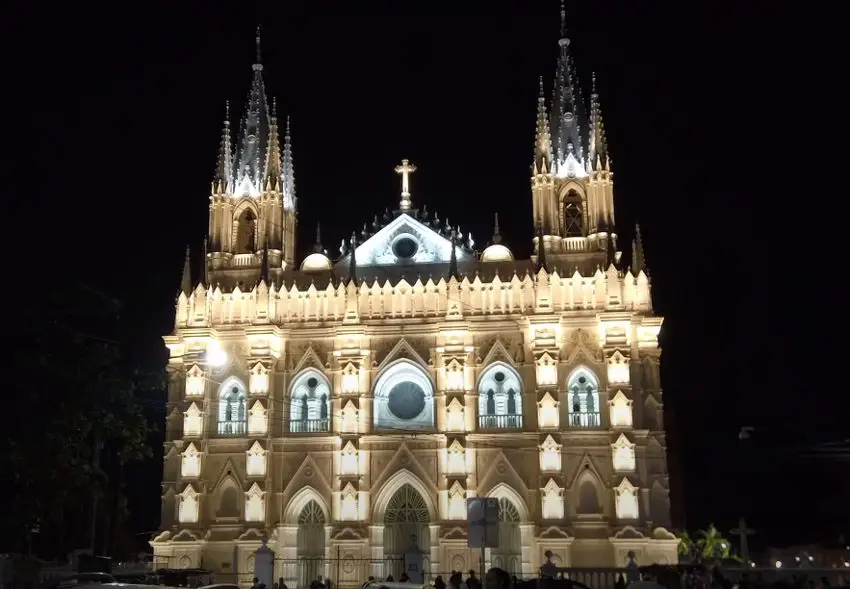
The Santa Ana Cathedral, officially known as the Cathedral of Our Lady Saint Anne (“La Catedral de la Señora Santa Ana”), ranks among the most admired churches in El Salvador.
This neo-Gothic masterpiece graces the heart of Santa Ana city with its striking spires and intricate façade.
Each year, both locals and international visitors stop by the cathedral—some drawn by faith and devotion, while others are drawn by its remarkable architecture and deep historical significance.
The Santa Ana Cathedral is not just an architectural marvel; it embodies the city’s enduring spirit, upholding its rich religious traditions and cultural heritage.
The Cathedral is situated in the historic center of Santa Ana, standing alongside notable landmarks, including the Mayor’s Office and the elegant Santa Ana Theater.
El Rosario Church
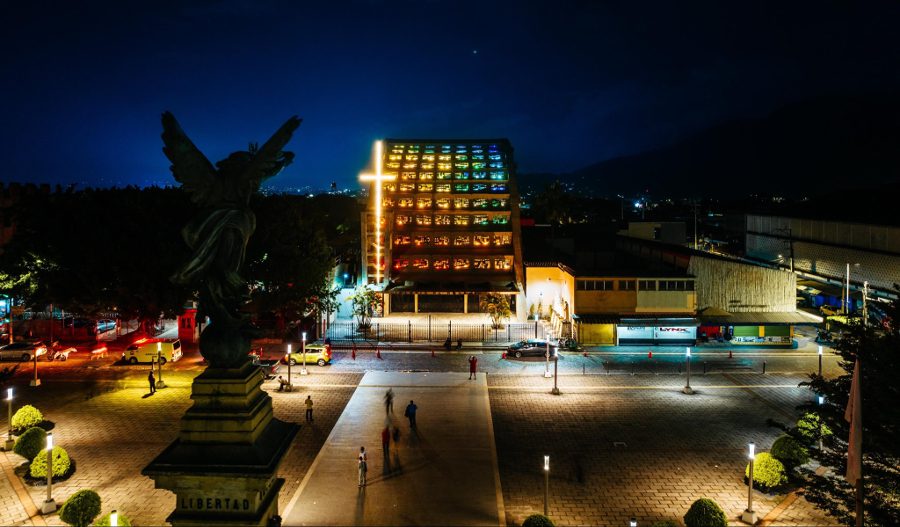
The Rosario Church, located in San Salvador’s historic district, stands out as one of El Salvador’s most unique and visually striking architectural landmarks.
Designed by sculptor and architect Rubén Martínez, the church’s modernist concrete structure and rainbow-colored stained-glass windows fill the interior with breathtaking light.
Visitors come to admire its artistic beauty, spiritual atmosphere, and historical value—it’s a symbol of creativity and renewal in postwar El Salvador.
El Rosario Church is a landmark in El Salvador because of its unadorned concrete exterior and astonishing interior, which make it unique. The church resembles an airplane hangar more than a place of worship.
Natural Landmarks
El Salvador’s volcanic landscape has created some of the country’s most impressive natural landmarks. Volcanoes, crater lakes, forests, and mountain parks give travelers plenty of places to explore beyond the cities.
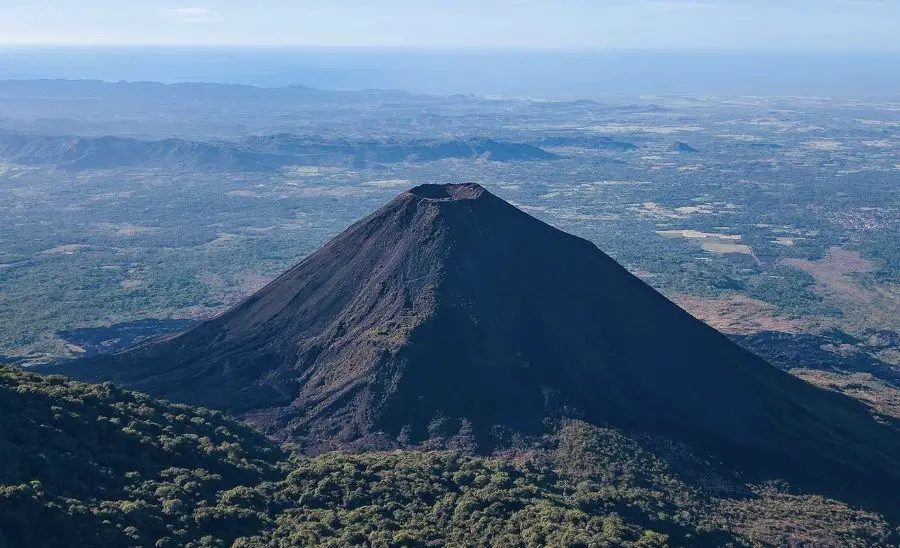
You can hike the Santa Ana Volcano, admire the distinctive cone of Izalco, or discover Chaparrastique near San Miguel. These volcanoes remain some of the most recognizable features of El Salvador’s landscape.
The country’s volcanic lakes are just as impressive. Lake Coatepeque attracts visitors with its mountain scenery and recreational activities. Lake Ilopango offers another beautiful escape close to the San Salvador metropolitan area.
Many visitors also explore El Boquerón and Cerro Verde, where walking trails, cooler temperatures, and panoramic views make these parks popular stops for anyone wanting to experience El Salvador’s natural side.
El Salvador Landmarks
El Salvador’s landmarks prove that you don’t need a large country to find an incredible mix of history, culture, religion, archaeology, and nature packed into one destination.
You can climb a volcano, explore ancient Maya ruins, walk through historic downtown San Salvador, or visit centuries-old churches. Each place reveals another piece of the country’s identity and story.
Many visitors combine famous landmarks with beaches, small towns, local food, and outdoor adventures. That variety has become an important part of El Salvador tourism, giving travelers more reasons to explore beyond one destination.
Whether you’re interested in history, culture, or nature, these landmarks are a great starting point. Visit a few or build an entire trip around them—you’ll discover a different side of El Salvador along the way.