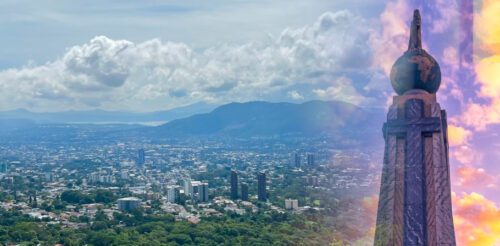
The Metropolitan Cathedral of San Salvador is more than a place of worship. It’s one of the country’s most significant historical and religious landmarks, closely connected to the life and legacy of Saint Óscar Arnulfo Romero.
This Cathedral, located in the center of El Salvador’s capital, has witnessed tragedy, political turmoil, and remarkable moments of faith. Its history reflects the Salvadoran people’s struggles, strength, and traditions.
The Cathedral attracts worshippers, pilgrims, history enthusiasts, and curious travelers. Its architecture and fascinating past make it an essential stop when exploring the capital.
- What Is the Metropolitan Cathedral of San Salvador?
- History of the Metropolitan Cathedral of San Salvador
- Architecture and Design of the San Salvador Cathedral
- The Tomb of Saint Óscar Arnulfo Romero
- Religious and Cultural Significance of the Cathedral
- Visiting the Metropolitan Cathedral of San Salvador
- Attractions Near the Metropolitan Cathedral
- Frequently Asked Questions
- Why the Metropolitan Cathedral Is Worth Visiting

What Is the Metropolitan Cathedral of San Salvador?
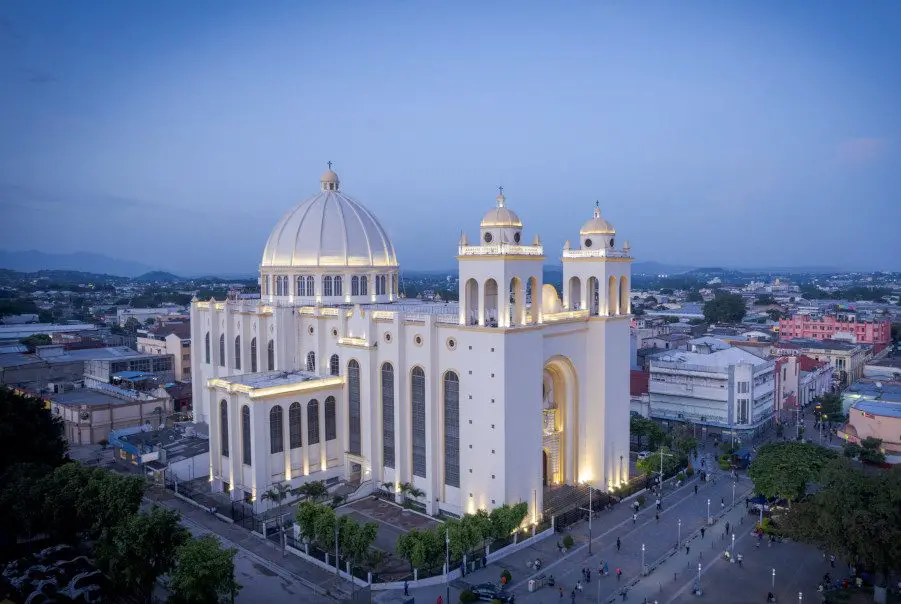
The Metropolitan Cathedral of San Salvador, officially known as the Metropolitan Cathedral of the Holy Savior, serves as the principal church of the Roman Catholic Archdiocese of San Salvador.
Known locally as the Catedral Metropolitana de San Salvador. The church honors the Divine Savior of the World, El Salvador’s patron, and stands in a prominent spot in the heart of the capital’s historic downtown.
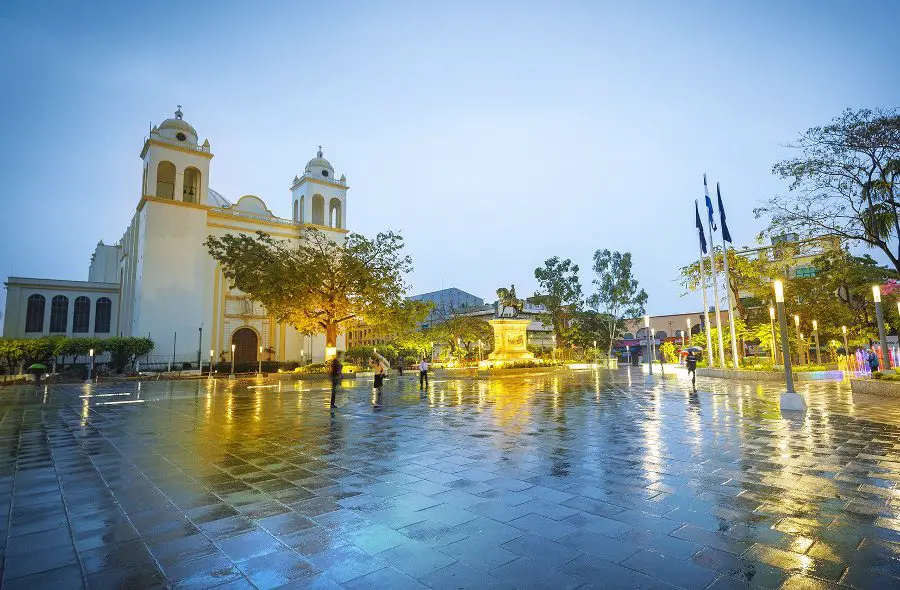
The cathedral stands across from Plaza Gerardo Barrios, one of San Salvador’s most recognizable public spaces. The cathedral, the plaza, and surrounding historic buildings showcase the city’s rich history and cultural heritage.
Although the current building dates primarily to the twentieth century, the cathedral’s history stretches much further back. Earlier churches stood on the same site.
History of the Metropolitan Cathedral of San Salvador
The cathedral’s history goes hand in hand with San Salvador’s growth as the country’s political and religious center. Over the years, different church buildings welcomed the city’s growing Catholic community.
During the 19th century, an earlier cathedral built mostly from wood became one of the capital’s most important landmarks. But in 1951, a fire destroyed the building, leaving San Salvador without its main cathedral.
Construction of the Present-Day Cathedral
Construction of the current San Salvador Cathedral began in 1956 and stretched over several decades. Political and economic uncertainty made it difficult to complete such a major religious landmark.
During those years, the cathedral became associated with significant events in Salvadoran history, including the country’s civil conflict and the growing influence of Archbishop Óscar Romero.
The completed cathedral was consecrated in 1999. Today, its architecture reflects both traditional Catholic design and the aspirations of a country shaped by profound social and historical changes.
Historical Events That Shaped the Cathedral
One of the cathedral’s darkest moments occurred on May 8, 1979, when violence erupted during a demonstration outside the building. Many people died, and the incident became part of El Salvador’s rough political history.
During the civil war, people also turned to the cathedral for comfort, spiritual guidance, and hope. They gathered for religious services, to mourn loved ones, and to pray for peace during some of the country’s hardest years.
These events make the Metropolitan Cathedral of San Salvador much more than a place of worship. The cathedral has witnessed some of the most important and difficult moments in El Salvador’s modern history.
Architecture and Design of the San Salvador Cathedral
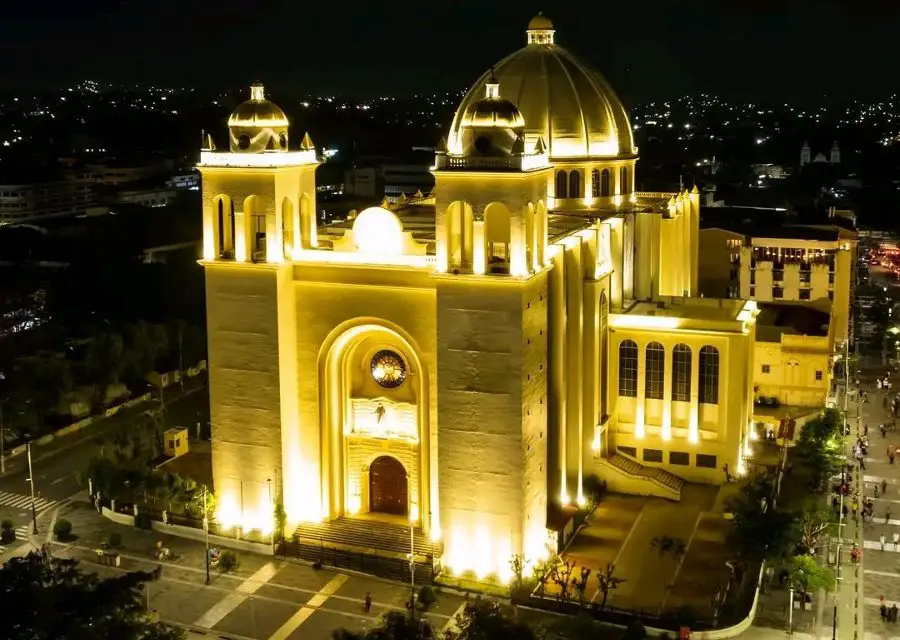
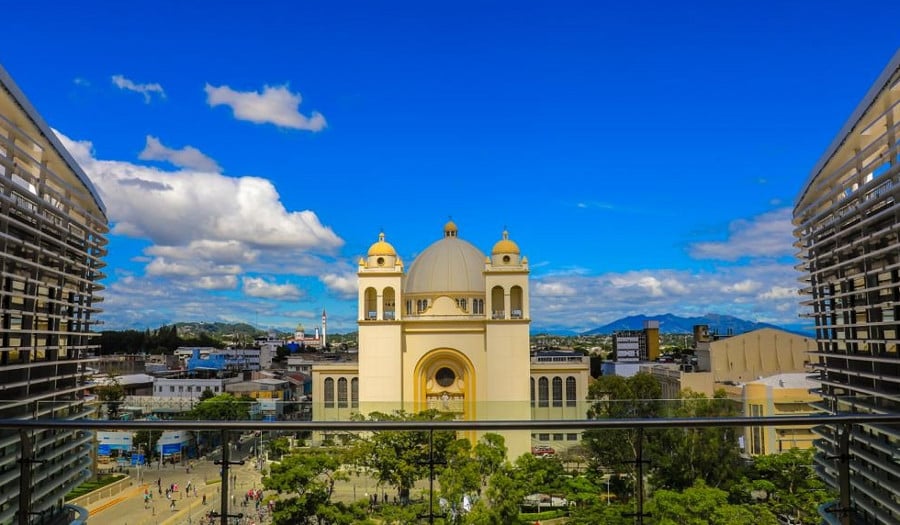
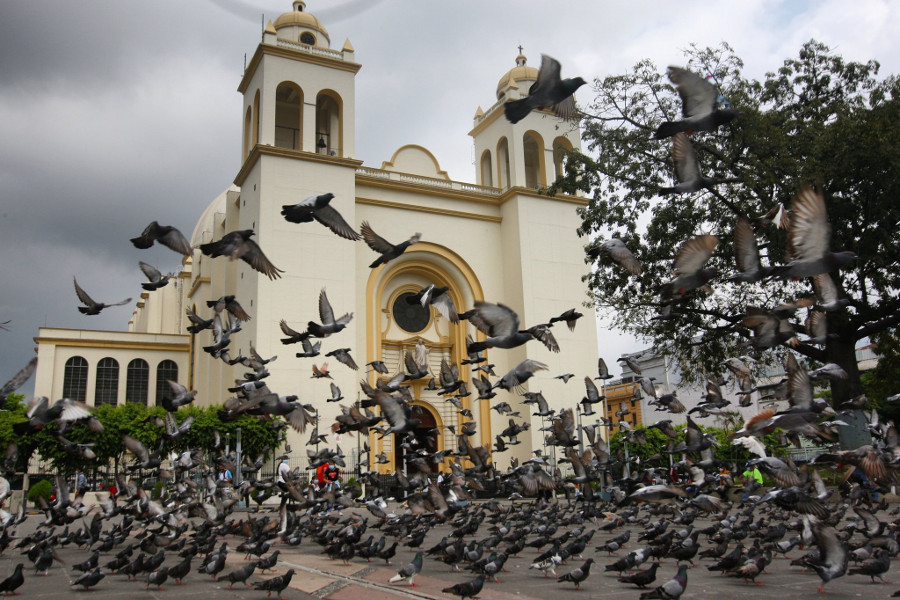
The cathedral’s exterior blends classical architecture with religious symbols. Its impressive facade, twin towers, and central dome give it a distinctive look that sets it apart from many other churches in El Salvador.
For years, a colorful ceramic mural by Salvadoran artist Fernando Llort decorated the main facade. Installed in 1997, the artwork celebrated Salvadoran identity, spirituality, and everyday life before its removal in 2011.
Although the mural no longer exists on the building, its history remains an important part of the cathedral’s artistic legacy.
Inside, the cathedral offers a spacious setting for worship and reflection. Tall columns, religious images, and carefully arranged architectural elements guide visitors toward the main altar.
Natural light streams through the windows, filling the cathedral’s interior with a warm, peaceful atmosphere. Visitors can also admire its blend of traditional Christian artwork and modern architectural design.
The Tomb of Saint Óscar Arnulfo Romero
Saint Óscar Arnulfo Romero remains one of El Salvador’s most influential religious figures. He served as Archbishop of San Salvador from 1977 until his assassination in March 1980.
Romero became internationally recognized for defending human rights, denouncing violence, and speaking against injustice. His sermons gave hope to many Salvadorans living through a period of intense political repression.
On March 24, 1980, an assassin shot and killed Romero as he celebrated Mass at the chapel of Hospital de la Divina Providencia in San Salvador. His death shocked the country and attracted international attention.

The Óscar Romero Tomb
The Óscar Romero tomb lies in the cathedral’s crypt, beneath the main church. It has become one of El Salvador’s most important pilgrimage destinations.
Visitors can see the tomb and reflect on Romero’s life, teachings, and commitment to peace. Many Salvadorans consider the crypt a place of remembrance, prayer, and national significance.
The Catholic Church beatified Romero in 2015 and canonized him in 2018. His recognition as a saint strengthened the cathedral’s importance among Catholic pilgrims from around the world.
Religious and Cultural Significance of the Cathedral
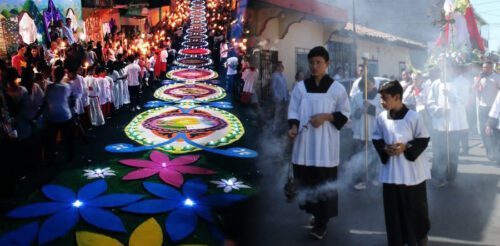
The Metropolitan Cathedral of San Salvador continues to play a central role in the country’s Catholic traditions. It hosts religious services, important ceremonies, and celebrations throughout the liturgical year.
One of the most significant events is the annual celebration honoring the Divine Savior of the World, held during San Salvador’s traditional August festivities.
A particularly meaningful tradition is La Bajada, a ceremony representing the Transfiguration of Jesus. The celebration brings together religious devotion, local customs, and generations of Salvadoran cultural heritage.
Beyond these ceremonies, the cathedral represents an important connection between faith and national identity. Its history shows how religious institutions have influenced Salvadoran society during both peaceful and difficult times.
Visiting the Metropolitan Cathedral of San Salvador
The cathedral stands along the eastern side of Plaza Gerardo Barrios in downtown San Salvador. Its central location makes it easy to include in a walking tour of the historic district.
While exploring the San Salvador Historic Center, you can reach the cathedral on foot from several nearby attractions. Also, the surrounding area will give you opportunities to discover restored buildings, public spaces, and local businesses.
What to See Inside the Cathedral
The main sanctuary, altar, dome, and religious artwork are among the cathedral’s principal attractions. Visitors should also explore the crypt, where Saint Óscar Romero rests.
Many visitors take their time admiring the cathedral’s architectural details before exploring the surrounding plaza.
Best Times to Visit
Visiting the cathedral in the morning is a great way to enjoy a quieter atmosphere, especially when there aren’t any major religious celebrations. If you plan to attend Mass, check the cathedral’s latest schedule before heading over.
The cathedral is still an active place of worship, so dress respectfully and keep noise to a minimum. Before your visit, check the photography rules, opening hours, and whether you can access the crypt.
Attractions Near the Metropolitan Cathedral
The cathedral’s location makes it an excellent starting point for exploring some of San Salvador’s most important historical landmarks and cultural attractions.
Plaza Gerardo Barrios
Directly in front of the cathedral, this historic square features a monument honoring former Salvadoran president Gerardo Barrios. It serves as a popular gathering place in downtown San Salvador.
National Palace of El Salvador
Located beside the plaza, the National Palace offers visitors an opportunity to explore the country’s political history, impressive architecture, and beautifully decorated interior rooms.
National Theater of San Salvador
This beautiful theater first opened its doors in 1917 and continues to serve as one of El Salvador’s most important cultural venues. Its elegant design showcases the European architectural styles popular in the early 1900s.
El Rosario Church
El Rosario Church stands out for its modern architecture and colorful stained-glass interior, offering a striking contrast to the Metropolitan Cathedral’s more traditional design.
Frequently Asked Questions About the Metropolitan Cathedral
When Was the Metropolitan Cathedral Built?
Construction of the present-day cathedral began in 1956, following the destruction of its predecessor in 1951. The building was officially consecrated in 1999, after several decades of construction.
Is the Metropolitan Cathedral Free to Visit?
You can usually visit the main church for free. However, the cathedral may limit access during religious services, special events, or maintenance work.
Where Is Saint Óscar Romero Buried?
Saint Óscar Romero is buried in the crypt beneath the Metropolitan Cathedral of San Salvador. His tomb attracts Catholic pilgrims, historians, and visitors interested in El Salvador’s recent history.
Can Tourists Attend Mass at the Metropolitan Cathedral of San Salvador?
Visitors can attend public Masses at the cathedral, provided they respect the religious service. Schedules may vary, particularly during major Catholic holidays and special celebrations.
How Much Time Should Visitors Spend at the Cathedral?
Most visitors can explore the main sanctuary and crypt in approximately 30 to 60 minutes. Those interested in religious history or photography may prefer a longer visit.
The Metropolitan Cathedral of San Salvador Is Worth Visiting
Few landmarks in El Salvador bring together religion, history, and national identity like the Metropolitan Cathedral. Its impressive architecture and rich history tell an important part of the country’s story.
The cathedral also holds a special place in Salvadoran history because of its connection to Saint Óscar Romero. His tomb reminds visitors of the country’s difficult past and the ongoing importance of justice, peace, and remembrance.
Whether you’re exploring San Salvador’s Historic Center or discovering more about Salvadoran culture, the cathedral offers much more than beautiful architecture. It gives you a closer look at the people, struggles, and events that shaped El Salvador.