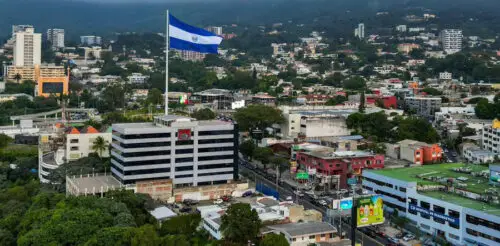
El Salvador Traffic.
Transportation in El Salvador includes public buses, private vehicles, taxis, ride-hailing services, and airport transfers. Each option offers different advantages depending on your destination, budget, and travel plans.
Getting around the country is usually simple since El Salvador is small and has lots of roads. However, you might run into traffic, higher prices, or fewer choices in rural areas, which can make some trips more difficult.
No matter if you live in El Salvador or are just arriving, getting around is an important part of daily life. Understanding your transportation options can make it easier to commute, do errands, and explore new places.
Public Transportation in El Salvador
Public buses and microbuses offer a cheap way to get around El Salvador. They connect big cities, small towns, and rural communities, helping thousands of Salvadorans travel every day.
Most buses follow set routes, and fares depend on the type of service and how far you travel. People pay with cash, but how buses are run can differ from one route to another.
Microbuses usually carry fewer people and run on busy city and suburban routes. They stop often, making it easy for commuters to get between neighborhoods, shopping areas, and bus terminals.
Public transportation is a good option if you’re traveling on a budget, but it has its downsides. Crowded buses, long waits, and indirect routes can make longer trips exhausting.
Driving and Private Vehicles
Private vehicles give you more flexibility, especially if you commute often or travel beyond major cities. With a car, it’s easier to get to places where public transportation doesn’t reach.
But driving conditions can be very different. City streets often get crowded during rush hour, and rural roads may have steep hills, narrow lanes, potholes, or poor lighting.
If you’re planning to rent or buy a car, take some time to learn about driving in El Salvador. Local traffic and driving habits can take some getting used to, especially if you’re new to the country.
Motorcycles are also a popular way to get around El Salvador. Their smaller size makes it easier to move through heavy traffic, but riders face greater risks of accidents and serious injuries.

Main Highways and Road Connections
The Salvadoran highway network connects the capital with major cities, border crossings, industrial centers, and coastal destinations.
The Pan-American Highway is one of the country’s most important transportation corridors. It connects major population centers and forms part of a broader international route through Central America.
The Coastal Highway, also known as Carretera del Litoral, leads to many Pacific communities. People often take this road to visit beaches, fishing towns, and other popular spots along the coast.
Other important routes connect San Salvador with western and eastern departments. You can explore the country’s principal highways and road connections to better understand how different regions connect.

Taxis and Ride-Hailing Services
Taxis are a good option for people who want direct transportation but don’t want to drive. They work well for short trips, getting to appointments, shopping, or when you have luggage.
Traditional taxis usually run in cities and business areas, but how many are available depends on where you are. If the taxi doesn’t have a meter, it’s a good idea to agree on the fare before you go.
Ride-hailing apps like Uber operate in parts of El Salvador, especially in larger cities. However, where you are and how many drivers are nearby can affect wait times, availability, and fares.
These services are helpful if you don’t know the local bus routes. Still, it’s smart to plan your ride ahead of time if you’ll be out late or going to a remote area.
Traffic Congestion and Road Safety
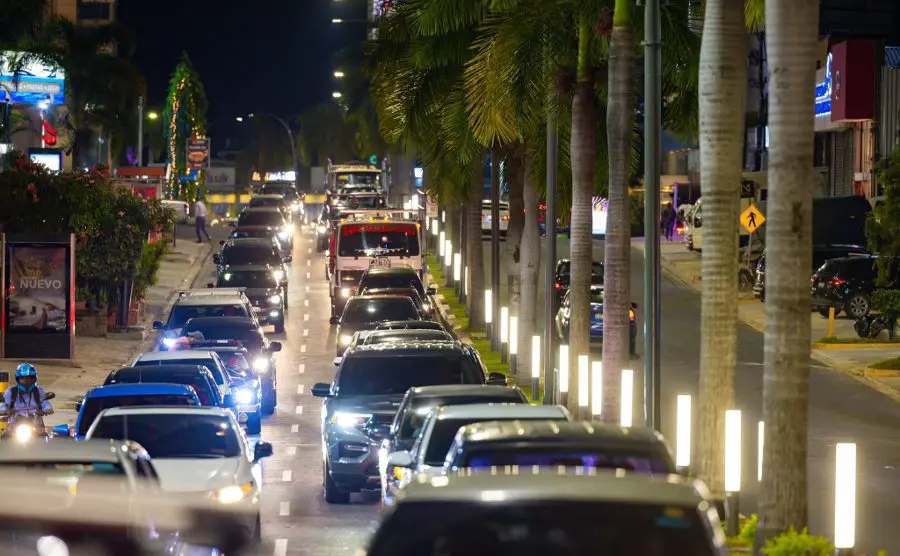
Traffic congestion is a daily problem, especially in San Salvador and nearby towns. During rush hour in the morning and evening, even short trips can take much longer than expected.
Road safety is also a concern. Speeding, distracted driving, unsafe passing, and other risky actions cause accidents throughout El Salvador. These accidents affect drivers, passengers, pedestrians, and cyclists.
Authorities enforce traffic rules with roadside checks, patrols, and fines. They also arrest drivers suspected of being under the influence.
Road accidents can do more than just damage vehicles—they can deeply affect families. Reports of traffic deaths in El Salvador show why safe driving and responsible road use are so important.
Drivers should follow speed limits, stay focused, and keep a safe distance from other vehicles. Pedestrians and cyclists should also stay alert, especially on roads that are not well lit.
For official traffic updates, travelers can check with the Viceministry of Transportation. This office manages traffic rules, road safety programs, and other public services related to transportation.
Transportation Costs and Daily Commuting
Transportation costs depend on where you live, how often you travel, and the services you choose. Public buses usually have the lowest fares, but using a private vehicle comes with extra costs.
Fuel, maintenance, insurance, parking, and repairs can all add to your transportation costs at home. If you commute long distances, it’s important to consider these expenses when making your monthly budget.
Bus riders can look up official fares using the Viceministry of Transportation’s online fare system. You can search by route number or vehicle registration and report any fare increases that aren’t authorized.
If you work in San Salvador but live in a nearby town, your commute may be longer. Living closer to your job, school, or important services can help lower your transportation costs and save time.

Transportation in Rural Areas
Transportation in rural El Salvador differs from what you’ll find in larger cities. Public buses connect many communities, but some routes operate less frequently or require passengers to make transfers.
People in smaller towns often rely on buses, motorcycles, private cars, or whatever local transport is available. It can be especially hard to get around in places that are far from main highways.
If you’re visiting rural areas, it helps to plan your transportation ahead of time. Some places are only reachable by unpaved roads, and regular cars might have trouble there, especially when it rains.
Weather can also make travel harder. Heavy rain sometimes damages roads, causes flooding, or leads to landslides, especially in the mountains where roads go through steep areas.
Air Transportation and Airport Development
Air transportation links El Salvador to other countries, making it easier for tourists, business travelers, and families to visit. The main international airport handles most commercial flights and is a key hub in the region.
El Salvador is building more aviation facilities. The Airport of the Pacific, located in eastern El Salvador, is designed to boost air travel and help the economy grow near La Unión.
According to the Autonomous Executive Port Commission (CEPA), the new Airport is under construction in Conchagua. Its development is intended to complement the country’s existing international Airport.
While airport infrastructure continues to develop, travelers should verify available flights, ground transportation, and terminal information directly with airlines and airport authorities before making travel arrangements.
Choosing the Best Way to Get Around El Salvador
Your best way to get around depends on your daily routine, where you’re going, and how much you want to spend. Public buses work well for most daily trips, while private vehicles give you more freedom for longer journeys.
Visitors arriving by air can explore transportation options at El Salvador’s main international airport, including taxis, private transfers, and rental vehicles, before continuing toward San Salvador or other destinations.