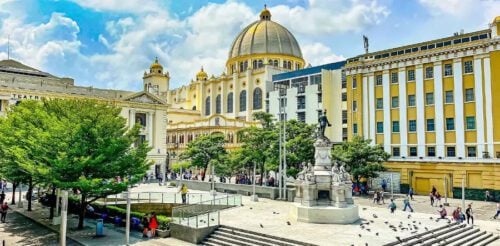
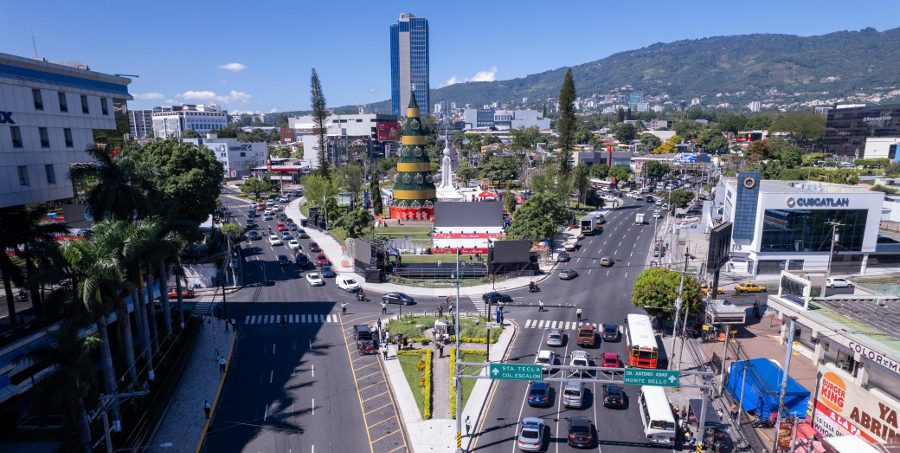
 San Salvador El Salvador.
Living in El Salvador can be surprisingly affordable or financially challenging, depending on where you live, how much you earn, and the lifestyle you maintain.
A family living in rural El Salvador faces different financial realities than someone renting an apartment in San Salvador. Housing, food, transportation, healthcare, and utilities all influence monthly household budgets.
For many Salvadorans, affordability depends on stretching local wages to cover essential needs. Foreigners and returning Salvadorans earning income abroad may experience a different reality, making income an important factor when evaluating living expenses.
Understanding the Cost of Living in El Salvador
The cost of living in El Salvador includes everything a household needs to maintain its standard of living, from rent and groceries to transportation, utilities, healthcare, and education.
El Salvador uses the U.S. dollar as its main currency, so Americans and Salvadorans returning from the United States can easily understand everyday prices.
But using dollars doesn’t mean people in El Salvador earn American wages. Most local workers make much less, creating a big gap between what things cost and what families can actually afford.
According to the 2025 Multipurpose Household Survey figures reported in 2026, average monthly earnings among employed people were approximately $437.39 per month.
Is El Salvador an Affordable Country to Live In?
El Salvador can be affordable for people with stable, relatively high incomes, particularly those earning money abroad. However, affordability becomes more complicated when household expenses depend entirely on local wages.
A person earning dollars through remote employment may comfortably afford private healthcare, restaurants, and modern housing. Someone earning a Salvadoran minimum wage must usually make much more careful spending decisions.
Average Monthly Living Expenses in El Salvador
No single monthly budget works for everyone living in El Salvador. How much you spend depends on your household size, where you live, your housing situation, and your lifestyle.
Single adults who share housing can often save money compared to those who rent on their own. Families usually spend more because they must cover food, education, healthcare, clothing, and transportation for several people.
The following table illustrates how monthly expenses might differ between households. These are hypothetical planning budgets, not official averages or verified market prices.
| Monthly expense | Single adult | Family of four |
|---|---|---|
| Housing | $250 | $450 |
| Groceries | $180 | $450 |
| Utilities and internet | $75 | $120 |
| Transportation | $60 | $140 |
| Healthcare and personal expenses | $60 | $120 |
| Other expenses | $75 | $170 |
| Total | $700 | $1,450 |
These examples reflect fairly modest lifestyles and assume you can find housing within the estimated budgets. You may spend considerably more if you choose to live in a popular neighborhood or need private services.
Regional Comparison: Living Expenses Across Central America
When it comes to living costs in Central America, El Salvador falls in the middle—neither the cheapest nor the most expensive. This balance makes it appealing to both locals and expats.
Costa Rica is the most expensive country in the region. Panama and Guatemala follow closely, with prices reflecting their stronger economies and more developed urban centers.
| R | Country | Cost Index |
|---|---|---|
| 1 | Costa Rica | 56.8 |
| 2 | Panama | 46.5 |
| 3 | Guatemala | 45.4 |
| 4 | El Salvador | 41.6 |
| 5 | Honduras | 36.8 |
| 6 | Nicaragua | 36.2 |
El Salvador ranks fourth, offering a more affordable alternative without sacrificing modern comforts. Everyday expenses, such as food, utilities, and transportation, remain moderate, especially outside San Salvador.
Overall, El Salvador offers a good balance between affordability and comfort. You can keep your expenses manageable while enjoying essential services and amenities without giving up too much.
Housing Costs in El Salvador
Housing takes up a big part of many household budgets. How much you pay in rent depends on where you live, the size of the property, the neighborhood, and how close you are to jobs, transportation, and essential services.
Renting in San Salvador and Other Cities
San Salvador and its surrounding communities offer plenty of housing options, from apartments and houses to gated communities and luxury homes. Prices can vary quite a bit depending on whether you choose an older neighborhood or a newer development.
Communities such as Santa Tecla, Antiguo Cuscatlán, and areas of San Salvador attract residents seeking convenient access to workplaces, shopping centers, schools, and medical facilities.
Smaller cities and towns may offer less expensive rental opportunities. However, affordable housing isn’t always available in convenient locations, and some residents must travel considerable distances to work.
Buying Versus Renting a Home
Owning a home can help families save money on housing over time, especially when they don’t have a mortgage. However, buying property takes substantial savings, financing, and extra money for maintenance and repairs.
Like in other countries, renters should consider transportation costs, neighborhood conditions, utility bills, and potential rent increases before signing a lease.
Comparing Buying and Renting
Housing costs in El Salvador vary widely depending on location and lifestyle. As in any country, location and property type play a significant role in the cost of renting or buying.
The prices in the following table are estimates and may change depending on the location, property type, and market conditions. The areas will be divided into popular cities and smaller towns.
| Low Cost | High Cost | |
|---|---|---|
| ***Popular cities San Salvador Santa Tecla Antiguo Cuscatlán |
Buying $175,000 Renting $400 |
Buying $900,000 + Renting $1,500 + |
| ***Smaller towns Suchitoto Juayua Sensuntepeque |
Buying $55,000 Renting $200 |
Buying $200,000 + Renting $450 + |
In cities like San Salvador, Santa Tecla, and Antiguo Cuscatlán, home prices can range from $175,000 to over $800,000. Monthly rents start around $400 and can exceed $1,500.
Smaller towns like Suchitoto, Juayúa, and Sensuntepeque offer cheaper alternatives. You can find homes priced from $55,000 to over $200,000, while monthly rents range from around $200 to more than $450.
Over the past few years, El Salvador’s housing costs have increased, driven by the country’s improved safety and growing tourism industry, which has heightened housing demand, particularly in coastal areas and expat-friendly zones.
Many foreigners, investors, and members of the Salvadoran diaspora are purchasing properties, driving up prices in key locations. Despite this, El Salvador remains more affordable than many other countries, offering a diverse range of budget options.
Food and Grocery Expenses in El Salvador
Food takes up a big part of nearly every Salvadoran household’s budget. How much families spend depends on what they eat, how many people they feed, and where they shop, whether at supermarkets, municipal markets, or neighborhood stores.
The Basic Food Basket in El Salvador
The government measures essential food expenses through the Canasta Básica Alimentaria, or Basic Food Basket, which estimates the cost of a defined selection of foods.
The Oficina Nacional de Estadística y Censos (ONEC) publishes separate urban and rural figures each month. These indicators measure basic food requirements rather than the complete cost of maintaining a household.
To put things into perspective, the urban food basket cost $264.73 in August 2026, while the rural food basket cost $189.63. It is important to note that each basket contains different items.
Supermarkets Versus Local Markets
Supermarkets make shopping easy by offering packaged foods, imported products, household essentials, and popular international brands. But buying at supermarkets regularly can quickly drive up your monthly grocery bill.
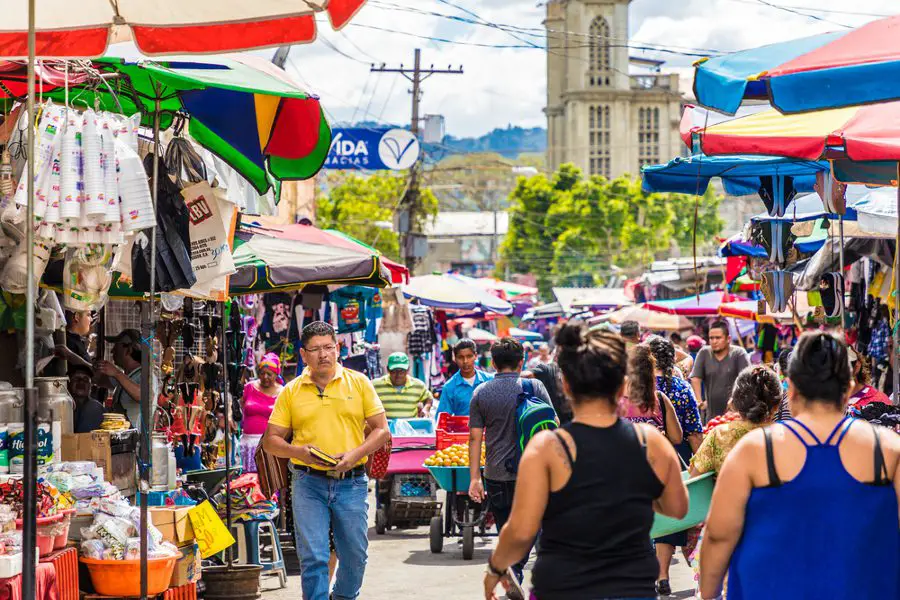
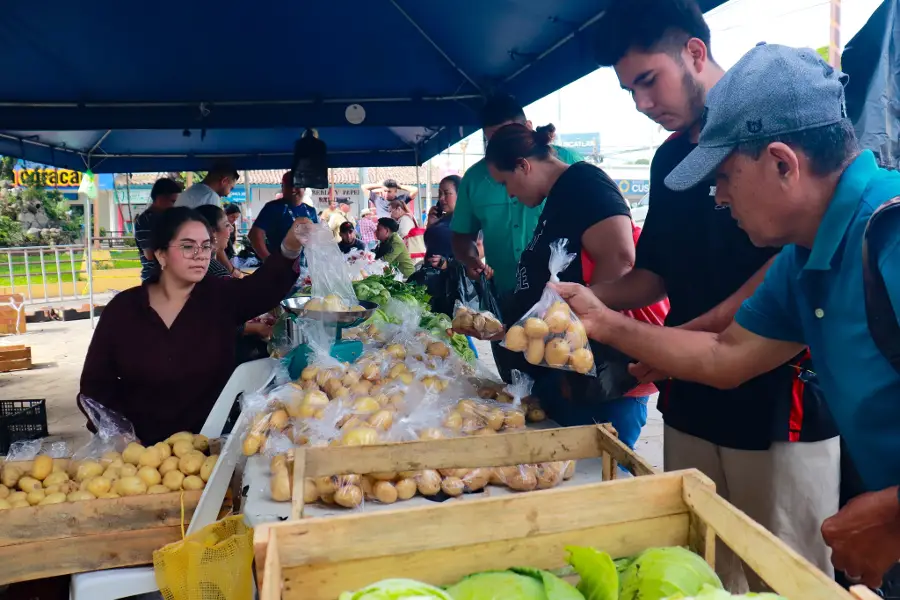
Municipal markets and neighborhood vendors often offer more affordable options for fresh produce, grains, and everyday ingredients. Here are a few examples of today’s prices at a local market compared to those at a supermarket.
| Item | Local Market | Supermarket |
|---|---|---|
| 30 jumbo eggs | $5.00 | $6.85 |
| Sugar White (2.5 kg) | $2.10 | $2.60 |
| Red Beans (1 lb) | $1.05 | $1.40 |
The above table only has a few items because the prices fluctuate regularly. But prices are about 10% to 30% cheaper at local markets.
To see what things cost at the supermarket today, visit the SuperSelectos or La Despensa de Don Juan website.
Eating Out in El Salvador
Eating out in El Salvador varies in cost depending on the location and type of establishment. Local pupuserías, neighborhood eateries, and market food stalls offer traditional Salvadoran dishes at budget-friendly prices, while more upscale restaurants provide pricier dining options.
Families who cook most of their meals at home can better manage their food budgets. Eating out regularly, ordering food deliveries, and buying convenience items can quickly drive up monthly expenses.
The table below provides an overview of the prices for food at a local market, eateries, and restaurants for breakfast, lunch, and dinner. These prices are on the lower end and may vary depending on the location.
| local market | Eateries | Restaurant | |
|---|---|---|---|
| Typical Salvadoran Breakfast with drink |
$2.75 | $4.55 | $7.50 |
| Lunch combo with drink |
$3.75 | $7.50 | $12.50 |
| Dinner combo with drink |
$6.00 | $9.00 | $16.00 |
Utilities and Household Services
Electricity, water, cooking gas, internet, and mobile phone services make up another important part of household expenses in El Salvador. Monthly costs vary depending on household size, consumption, location, and service providers.
Basic utilities such as electricity, water, and cooking gas typically cost about $90 per month for an individual and $150 for a family. These estimates are on the lower end, so actual costs may vary based on your household’s usage.
For home internet, expect to pay between $33 and $85 per month, depending on the provider, connection speed, and services included.
Mobile phone service is relatively cheap, averaging about $15 per month. Most plans cost between $10 and $50, depending on how much data you need. Claro, Tigo, and Digicel are among the main mobile providers in El Salvador.
Keep in mind that these figures are estimates. Your actual monthly expenses will depend on where you live, how much electricity and water you use, and the internet and mobile plans you choose
Transportation Costs in El Salvador
Transportation in El Salvador is relatively affordable compared to other Central American countries, especially if you rely on public transportation.
Public buses and minibusses, commonly called “Micros,” are the cheapest way to get around cities, with fares ranging from $0.25 to $0.75. For longer trips between cities, bus tickets typically cost between $2 and $6 one way.
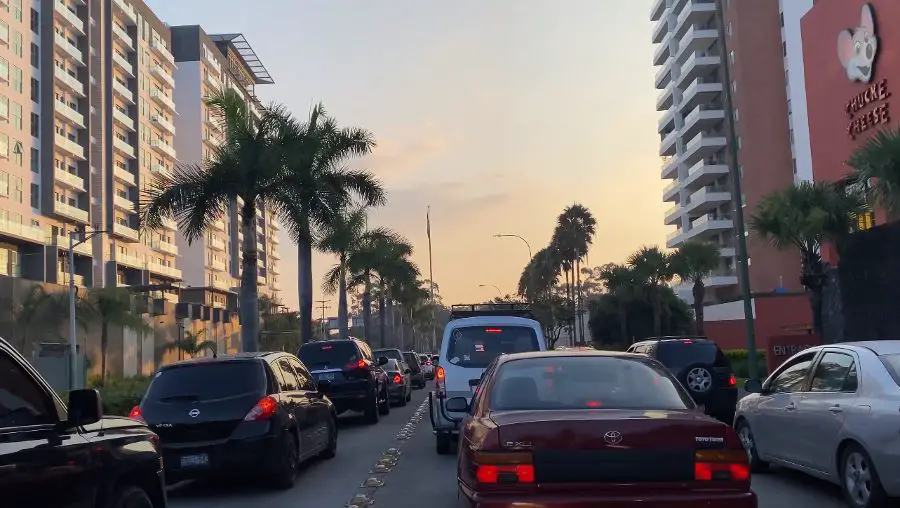
Although public transportation is inexpensive, buses can get crowded, and safety standards vary. If you prefer more comfort and convenience, taxis and ride-hailing services like Uber are available in urban areas.
Taxi fares generally start around $5, while Uber rides in San Salvador typically cost between $3 and $15, depending on the distance, traffic, and time of day.
Driving is one of the most popular ways to get around El Salvador, but owning a car comes with additional expenses.
Let’s start with gasoline prices. As of mid-October 2026, regular gasoline costs approximately $4.80 to $4.81 per gallon, depending on the region.
Car insurance is an additional expense, with premiums varying based on your vehicle and the coverage you choose.
Since insurance isn’t mandatory in El Salvador, many drivers don’t carry it. You should get full coverage, especially to protect yourself if an uninsured driver hits your car.
Overall, getting around El Salvador doesn’t have to be expensive. Public transportation offers the biggest savings, while taxis, Uber, and private vehicles provide more convenience at a higher cost.
Healthcare Costs in El Salvador
How much you spend on healthcare in El Salvador depends on whether you choose public hospitals, social security services, or private clinics. Each option comes with different costs, waiting times, and access to medical care.
Public healthcare is free, making it the cheapest option. However, overcrowded hospitals, long wait times, and limited medical resources can make it harder to get treatment when you need it.
Private healthcare offers faster service, modern facilities, and more convenience, but it comes at a higher price. You can expect to pay between $10 and $50 for a regular doctor’s visit and $50 to more than $100 for a specialist.
Staying at a private hospital can cost several hundred dollars per night, while complex surgeries can easily cost thousands. These expenses can add up fast, especially if you don’t have health insurance.
Also, keep in mind that some doctors and clinics don’t accept insurance, particularly in smaller towns and rural areas. You may need to pay out of pocket and request reimbursement from your insurance company.
Education and Childcare Expenses
Education costs in El Salvador vary depending on the type of school you choose. Although public schools are free, families still spend money on school supplies, transportation, internet access, and year-round activities.
Private schools are an option but they typically charge over $50 per month, depending on their location, reputation, and facilities.
International and bilingual schools cost even more, with monthly tuition often costing over $300. These schools mainly serve expatriates and higher-income Salvadoran families looking for bilingual programs or international curricula.
For younger children, daycare generally costs between $100 and $250 per month, depending on location. Extracurricular activities, such as sports, music, and language lessons, can add over $100 to monthly expenses.
Even when families choose free public education, school-related expenses can add up quickly.
Urban Versus Rural Cost of living in El Salvador
Living expenses differ between urban and rural El Salvador, although lower prices in smaller communities don’t automatically guarantee better financial conditions.
Living in urban areas gives residents easier access to jobs, hospitals, universities, shopping centers, and other services. However, higher housing costs and transportation expenses can make city life more expensive.
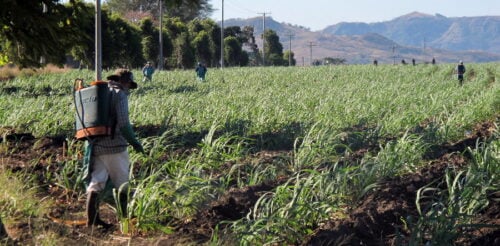
Rural areas often offer cheaper housing and the chance to grow your own food. However, fewer job opportunities, limited transportation, and less access to specialized services can create financial challenges.

Cost of Living in El Salvador
The cost of living in El Salvador strikes a good balance for anyone planning to live in Central America—it’s neither the cheapest nor the most expensive in the region.
El Salvador remains affordable for most people, though adapting to local habits can help stretch your budget. While some prices have increased, essentials such as food, utilities, and transportation remain reasonably priced.
For expats and retirees, housing costs differ by location. Smaller towns and local neighborhoods offer great value, while urban and coastal areas command higher prices due to tourism and development.
By shopping at local markets, utilizing public transportation, and accessing affordable healthcare, residents can enjoy a comfortable and cost-effective lifestyle throughout El Salvador.