 Safety in El Salvador
Yes, El Salvador is safe to visit in 2026. The country is no longer the dangerous destination it once was. Today, it stands as one of Central America’s safest and most surprising travel experiences—a country reborn with confidence and calm.
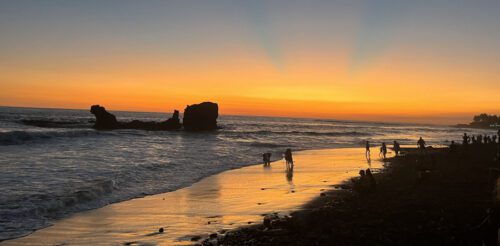
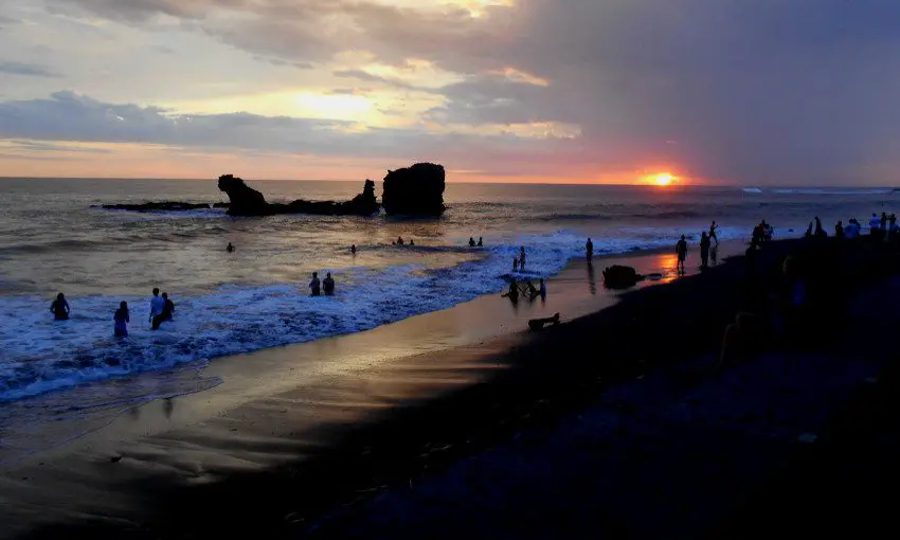
Over the last five years, visitors consistently report feeling safe traveling across the country, from the beaches of La Libertad to the colonial streets of Suchitoto.
The transformation is undeniable; violent crime in El Salvador is almost non-existent. The country’s emphasis on security and tourism has made it one of Central America’s safest destinations.
Crime in El Salvador Today
For years, crime and violence discouraged many from visiting El Salvador—a painful reality that tarnished the nation’s image and kept countless travelers from experiencing its true beauty.
Today, El Salvador enjoys its highest security levels in more than half a century, marking a dramatic turnaround and restoring confidence among locals and international visitors alike.
Homicides have plummeted to historic lows, making El Salvador one of the safest countries in Latin America and a growing model for regional security reform.
Today, the country regularly achieves days with zero homicides, a milestone that underscores the country’s progress toward lasting stability and peace.
El Salvador is currently under a State of Exception that limits certain constitutional rights. Still, it hasn’t discouraged tourism—on the contrary, visitor numbers continue to rise as travelers feel safer exploring the country.
Crime Statistics: The Safest Country in Central America
Before 2019, El Salvador ranked among the world’s most violent nations, burdened by staggering homicide rates and a grim reputation for violence across Latin America.
In 2015, murders spiked dramatically, earning El Salvador the label of “murder capital of the world,” with an alarming average of 18.24 killings every single day.
That same year, the homicide rate reached 106.3 per 100,000 inhabitants—a shocking figure that shaped global perceptions and discouraged tourism for years to come.
| Year | Total Homicides | Daily Homicide Rate | Homicides per 100,000 Inhabitants |
|---|---|---|---|
| 2026 *Sep 20 | 45 | 0.17 | 0.98 |
| 2025 | 82 | 0.22 | 1.36 |
| 2024 | 114 | 0.31 | 1.89 |
| 2023 | 156 | 0.43 | 2.4 |
| 2022 | 495 | 1.36 | 7.8 |
| 2021 | 1152 | 3.16 | 18.1 |
| 2020 | 1341 | 3.67 | 21.2 |
| 2019 | 2398 | 6.57 | 35.8 |
| 2018 | 3346 | 9.17 | 50.4 |
| 2017 | 3962 | 10.85 | 60.2 |
| 2016 | 5280 | 14.47 | 81.0 |
| 2015 | 6656 | 18.24 | 106.3 |
| 2014 | 3921 | 10.74 | 61.3 |
| 2013 | 2513 | 6.88 | 40.6 |
By the end of 2025, the story had undergone a complete transformation. Homicides fell to just 0.22 per day, or 1.36 per 100,000 people—a record low, making 2025 the safest year in the country’s modern history and a turning point for national security.
Another clear example of how security has improved in El Salvador is the days with zero homicides. Over the past three years, El Salvador has achieved more than 250 days without homicides each year—a remarkable improvement in security.
| 2022 | 2023 | 2024 | 2025 | 2026 | |
|---|---|---|---|---|---|
| Jan | 3 | 22 | 24 | 27 | 26 |
| Feb | 1 | 21 | 24 | 25 | 24 |
| Mar | 3 | 20 | 22 | 22 | 23 |
| Apr | 15 | 24 | 20 | 25 | 27 |
| May | 17 | 18 | 21 | 25 | 26 |
| Jun | 14 | 21 | 24 | 26 | 28 |
| Jul | 19 | 23 | 22 | 29 | 27 |
| Aug | 18 | 20 | 18 | 27 | 24 |
| Sep | 18 | 20 | 23 | 23 | 16 |
| Oct | 19 | 14 | 26 | 24 | |
| Nov | 18 | 23 | 25 | 26 | |
| Dec | 23 | 20 | 30 | 26 | |
| Total | 168 | 246 | 279 | 305 | 221 |
It’s unfortunate that some media outlets still describe El Salvador using outdated statistics, clinging to a past that no longer reflects current reality.
Given the country’s violent history, it’s understandable that skepticism remains. However, ignoring its undeniable progress only fuels misconceptions and deters informed travelers.
Since 2022, El Salvador has even recorded fewer homicides than Costa Rica—long considered Central America’s safest destination—proving that times have truly changed.
El Salvador Is Not Dangerous Anymore
There’s no denying it—safety in El Salvador has improved dramatically. Yet, this progress has primarily benefited locals, as tourists have long enjoyed a relatively secure experience.
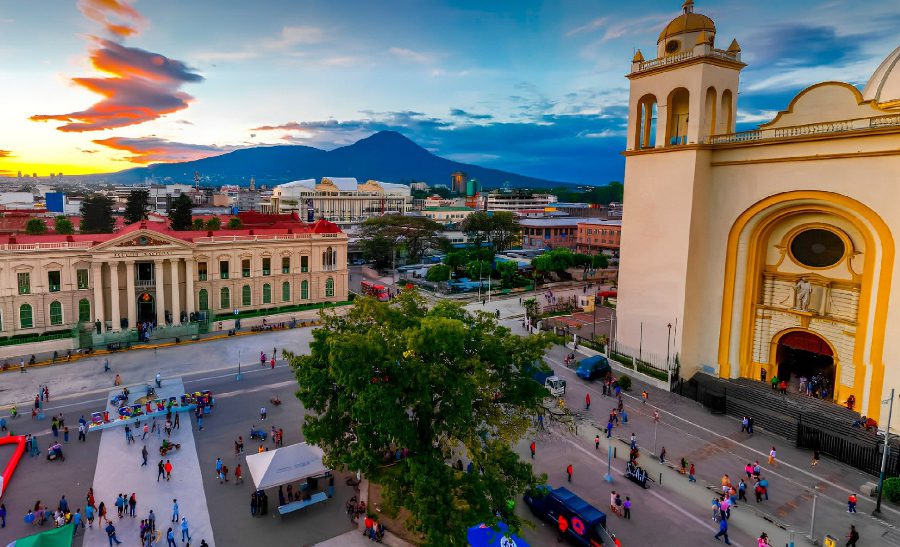
San Salvador, the nation’s capital, offers a striking example of this transformation, illustrating just how far the country has come in terms of public safety.
From 2010 onward, the capital city often ranked among the world’s 50 most dangerous, and in 2015, it even reached a shocking third place globally.
By 2020, however, San Salvador had fallen off that infamous list entirely, marking a milestone in the nation’s ongoing fight against crime; it has not been included on the list since leaving it.
Today, the capital is not even the most dangerous place in El Salvador—a remarkable turnaround that reflects years of steady reform and stronger security measures.
So, Is El Salvador Dangerous for Tourists?
Given the sharp decline in crime, especially homicides, and El Salvador’s solid record of tourist safety, it’s clear that the country is not a dangerous destination for visitors.
Of course, every nation has places that require extra caution—this is true not only in Central America but everywhere around the world.
Even in the United States, several cities carry safety warnings, proving that no destination is entirely without risk or the need for awareness.
El Salvador is no exception; while most areas are perfectly safe, there are still a few regions tourists should avoid for peace of mind.
The best advice for travelers is simple: follow safety guidelines, stick to reputable areas, and use common sense—you’ll enjoy your trip and likely want to turn again and again!
Government Travel Advisories for El Salvador
Looking at travel advisories is a reliable way to assess how safe a country is. However, governments will always look at the country as a whole and not at specific areas.
The U.S. and U.K. travel advisory websites are the most popular and have reliable travel information. They are the ones who tend to have the most detailed information about safety in specific countries, in this case, El Salvador.
U.S. Travel Advisory
El Salvador currently holds a Level 1 U.S. Travel Advisory, meaning visitors are advised to exercise standard precautions—the lowest risk level issued by the U.S. Department of State.
This rating reflects the country’s remarkable progress in public safety and crime reduction, making it one of the safest destinations in the Central American region today.
As of now, El Salvador is the only Central American nation with a Level 1 status, distinguishing it from its regional neighbors, which have higher advisories.
Across Latin America, only El Salvador and Argentina share this distinction, highlighting the success of both countries in creating stable and secure environments for international visitors.
For travelers, this advisory signals confidence from the U.S. government, recognizing El Salvador’s significant decline in crime and its growing reputation as a safe and attractive destination.
Tourists can explore freely, knowing the country’s security measures continue to support peaceful travel experiences across cities, beaches, and cultural landmarks.
UK Travel Advisory
The UK is another trustworthy travel advisory source. To view today’s current advisory from the United Kingdom, visit the UK government advisory page.
Avoid demonstrations and do not engage in any political activity… Security in El Salvador has improved considerably with significant reductions in crime. However, travellers should remain cautious as the risks of violent and petty crime still exist. UK government
10 Safety Tips to Follow
Here are a few suggestions to keep in mind when traveling or planning to visit El Salvador. Some of them might seem simplistic and obvious; however, in El Salvador, they should be taken more seriously.
1. Do Your Research and Plan Ahead
Before traveling to El Salvador, research the areas you want to visit. Know how to get there, what to do, and whether it’s safe before you go.
2. Learn from Other Travelers
Speak with individuals who have visited El Salvador. Their firsthand experiences often provide better insights than government advisories, helping you understand what to expect.
3. Choose Safe Accommodations
Check hotel reviews before booking. Look for consistent positive feedback and avoid properties with repeated safety concerns or negative comments about the area.
4. Avoid Risky Areas
Avoid known dangerous neighborhoods, especially those where locals advise against visiting. Listen to residents—they know which places are best avoided.
5. Be Cautious at Night
Nightlife is lively but varies by area. Stick to well-lit, family-friendly regions if you want to minimize risk during evening outings.
6. Use Public Transportation Wisely
If taking a bus, confirm with your hotel whether the route is safe. Some routes pass through risky zones—avoid them and follow local advice.
7. Take Guided Tours
Joining guided tours is one of the safest ways to explore. Licensed operators know safe routes and handle transportation, giving you peace of mind.
8. Keep Emergency Numbers Handy
Save local emergency contacts, such as the police, Red Cross, and your embassy. El Salvador’s 911 works, but local branches often respond faster.
9. Avoid Gang-Related Numbers
Avoid wearing or displaying the numbers 13 or 18, as they are often associated with gang activity. Even as fashion, these symbols can attract unwanted attention.
10. Don’t Flash Valuables
Use common sense—avoid flaunting expensive items in less developed areas. It’s unnecessary attention that could invite risk, even if unlikely.
Is El Salvador safe to visit for tourists?
El Salvador’s transformation is nothing short of remarkable. Once avoided by travelers, it’s now recognized as one of Central America’s safest and most welcoming destinations.
The country’s low crime rates and lively tourism revival demonstrate that safety is not a concern, but rather a testament to effective reform and progress.
Visitors today walk the colorful streets of Suchitoto, surf the waves of El Tunco, and explore volcanoes—confidently and without fear.
This new reality is reflected internationally, with El Salvador earning a Level 1 U.S. Travel Advisory—”Exercise Normal Precautions”—the safest rating possible.
For those seeking authenticity, adventure, and peace of mind, El Salvador today stands as a shining example of how change can redefine a nation’s future.