 Najepa's Balls of Fire Festival.
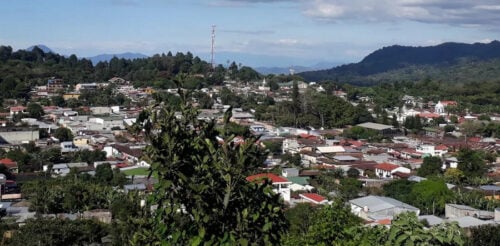
 The small town of Nejapa in El Salvador is a historic place often called the “River of Ashes.” Nejapa’s landscape was shaped by volcanic activity, particularly the devastating 1658 eruption of El Playón volcano.
The town is best known for its colorful traditions, especially the famous Balls of Fire Festival (Bolas de Fuego Festival) and the annual festivities honoring San Jerónimo, Nejapa’s patron saint. These two events bring together history, religion, and community.
Nejapa is a typical Salvadoran small town with a rich local history and colorful traditions. Like many other towns in the country, it has ties to colonial times, which enrich its culture.
Nejapa may not be among El Salvador’s top tourist destinations. However, it is a charming small town rich in culture, tradition, and religious devotion worth visiting.
Nejapa: A Town of Tradition and Celebration
Nejapa has two annual events worth exploring that combine tourism, history, and local culture: the Balls of Fire Festival and Nejapa’s patron saint festivities.
Both events give visitors a great opportunity to experience Nejapa’s traditions and community spirit.
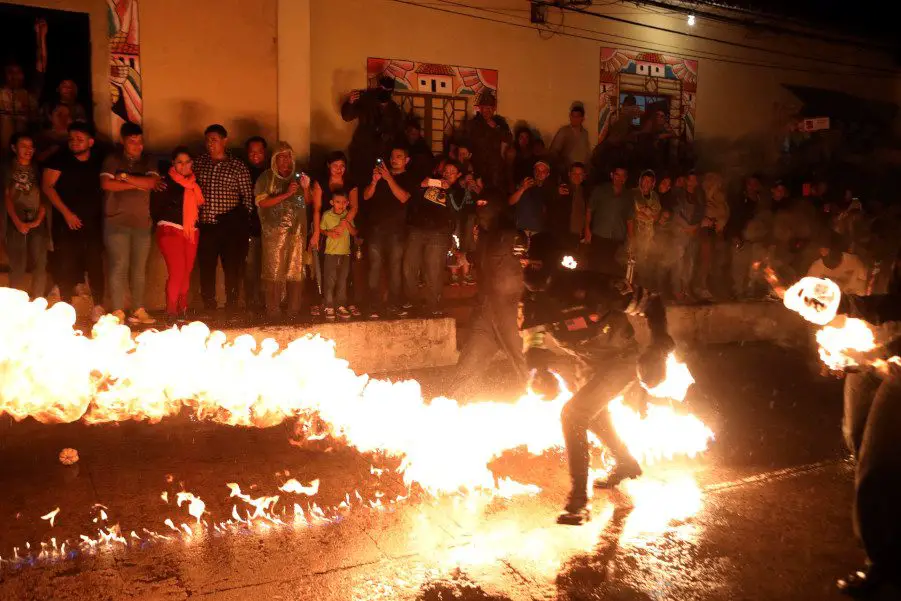
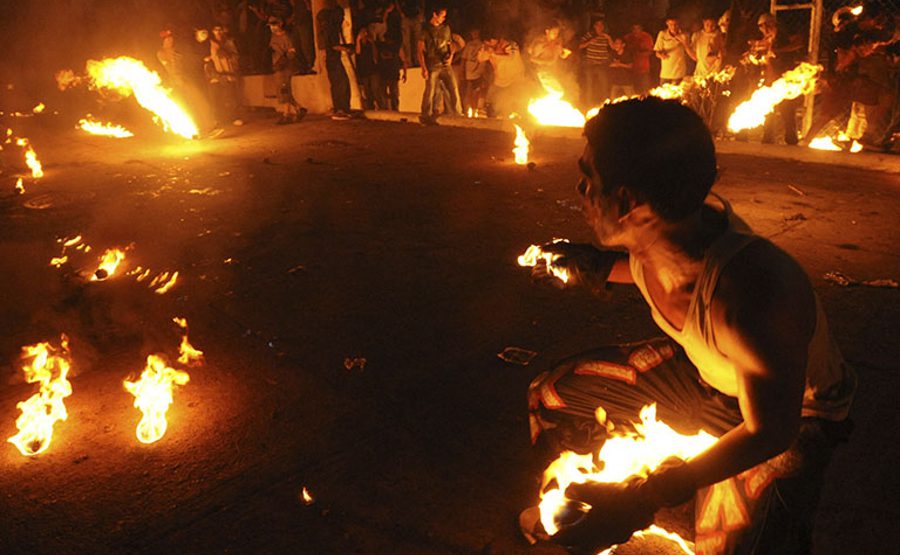
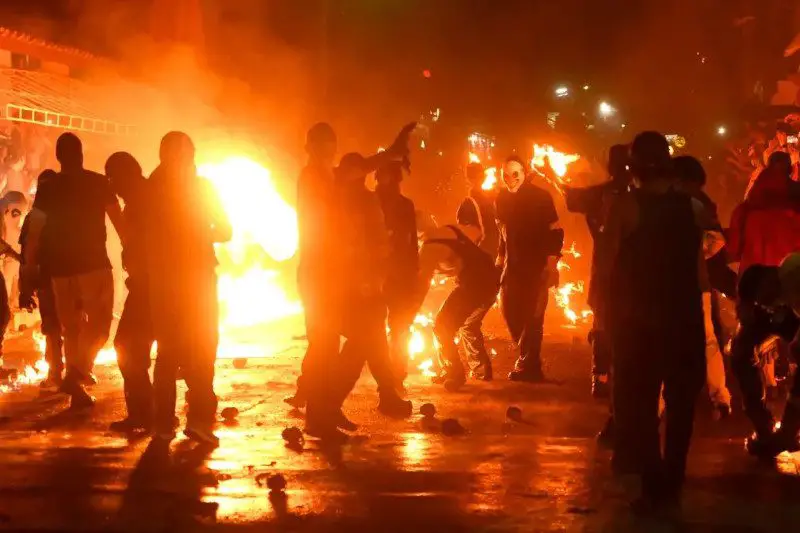
The Balls of Fire Festival is a must-see event held every year on August 31. During this unique celebration, locals throw flaming fireballs to commemorate a historic volcanic eruption, attracting both national and international attention.
Then, Nejapa’s patron saint festivities take place every September, from the 19th through the 30th. The celebrations honor Saint Jerome, the town’s patron saint, and are an important part of Nejapa’s religious and cultural traditions.
Whether you visit in August for the fiery fireball spectacle or in September for the saint’s celebrations, Nejapa offers an authentic cultural experience that showcases the heart and traditions of El Salvador.
The Nejapa Balls of Fire Festival
The Nejapa Balls of Fire Festival is a local tradition unique to this town, rooted in religion and history. This unique tradition involves two opposing teams throwing balls of fire at each other.
Think about having a snowball fight, but instead of tossing snowballs, you use balls engulfed in kerosene and on fire. Yes, the two opposing teams fight each other with these fireballs. Fun, is it?
The festival takes place every year on August 31. According to historians, the celebration has two origins, one historical and one religious.
The historical version explains that in 1658, the El Playon volcano erupted, forcing the villagers of the old Nejapa village, known as Nixapa, to relocate and settle at their current location. The festival serves as a way to remember that catastrophic event.
The religious version states that during the volcanic eruption, Saint Jerome battled the devil with fireballs as the lava flowed down from the volcano into the village.
The Balls of Fire celebration reenacts the fight between good and evil—Saint Jerome is the patron saint of the district.
In any case, the Balls of Fire Festival in Nejapa is a unique event worth attending, observing, and experiencing.
Saint Jerome Festivities
Nejapa’s patron saint festivities are celebrated every year from September 19 to 30 in honor of Saint Jerome (San Jerónimo). These festivities are among the town’s most important religious and cultural celebrations.
During the festivities, locals come together for religious activities, community events, music, food, and entertainment. These celebrations give visitors a chance to experience Nejapa’s traditions and community atmosphere.
For those interested in Salvadoran culture, visiting Nejapa during its patron saint festivities offers a closer look at the town’s religious heritage and traditions.
Short History of Nejapa, El Salvador
Historians believe the Pipil people originally inhabited Nejapa in pre-Columbian times. The original settlement is thought to have been located near the present-day Opico area.
Following the eruption of El Playón Volcano in 1658, residents moved to the Quezaltepeque area. They later relocated again, eventually settling where Nejapa stands today.
In 1878, a legislative decree granted Nejapa the title of Villa. Decades later, in 1959, another legislative decree elevated Nejapa from Villa to City.
Nejapa’s Economy
Nejapa’s economy is based primarily on agriculture, livestock farming, manufacturing, and local commerce. Agricultural production includes coffee, basic grains, vegetables, and fruits, while livestock farming includes cattle, pigs, and poultry.
Manufacturing also contributes to the local economy. Nejapa has food-processing facilities, a beverage bottling plant, a coffee mill, metalworking shops, bakeries, carpentry businesses, and other small industries.
Local commerce includes a variety of businesses serving residents and visitors, such as pharmacies, hardware stores, shoe stores, bookstores, and other retail establishments.
Location
Nejapa is located about 25 kilometers from the city of San Salvador and 58 kilometers from the international airport.
The district is bordered to the north by Quezaltepeque and Aguilares. To the East with Guazapa and Apopa. To the South with San Salvador and Santa Tecla, and to the West with Quezaltepeque.
Nejapa El Salvador
Nejapa may be a small Salvadoran town, but its history, traditions, and local character make it an interesting destination to explore.
The famous Balls of Fire Festival and the patron saint festivities honoring San Jerónimo are excellent examples of Nejapa’s cultural heritage. These celebrations allow visitors to experience traditions that remain important to residents.
For travelers looking beyond El Salvador’s better-known destinations, Nejapa provides another perspective on the country’s history, culture, and everyday life.