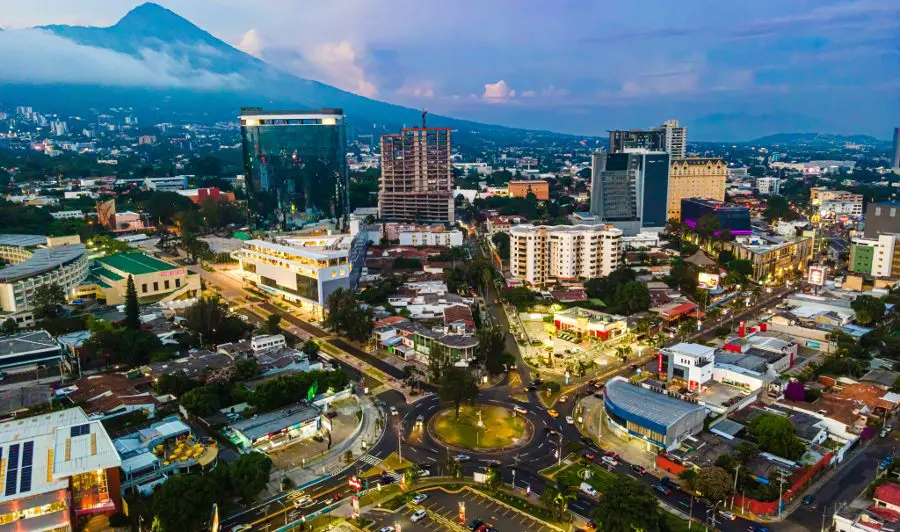
 San Salvador El Salvador.
SAN SALVADOR, El Salvador — The World Bank expects El Salvador’s economy to grow 4.5% in 2026, significantly raising its previous forecast and placing the country ahead of its Central American neighbors.
The updated projection appears in the World Bank’s latest Economic Outlook for Latin America and the Caribbean, released in October. The institution previously forecast economic growth of 3.2% for El Salvador this year.
The revised estimate represents an increase of 1.3 percentage points from the previous projection. It also suggests the Salvadoran economy will grow faster in 2026 than it did during the previous year.
El Salvador’s economy expanded 3.9% in 2025. If the World Bank’s latest projection holds, economic growth would accelerate by 0.6 percentage points this year compared with last year’s performance.
The 4.5% forecast would also make El Salvador the fastest-growing economy in Central America in 2026, according to the World Bank’s projections for countries across the region.
Panama follows El Salvador with projected economic growth of 4.2%, while Guatemala’s economy is expected to expand 3.7%. The World Bank forecasts 3.6% growth for Nicaragua and 3.4% for Honduras.
Costa Rica has the lowest projected growth rate among the six Central American economies included in the comparison. The World Bank expects the Costa Rican economy to expand 3.3% during 2026.
The World Bank’s latest estimate also matches some of the more optimistic forecasts from Salvadoran authorities and international organizations monitoring the country’s economy this year.
El Salvador’s Central Reserve Bank projects the national economy will grow between 4.5% and 5% in 2026, putting the government institution’s forecast slightly above the World Bank estimate at the upper end.
The International Monetary Fund and the Economic Commission for Latin America and the Caribbean also projects El Salvador’s economy will expand 4.5% this year, matching the World Bank’s revised estimate and reinforcing expectations of stronger growth compared with 2025.
Despite differences among the forecasts, the major institutions expect the Salvadoran economy to continue expanding this year. The estimates range from 4.5% projection to the Central Reserve Bank’s upper estimate of 5%.
The World Bank’s revision stands out because of the size of the adjustment. Raising the forecast from 3.2% to 4.5% represents a substantial improvement in expectations for El Salvador’s economic performance during 2026.
A 4.5% expansion would also mark a stronger pace than the 3.9% growth recorded last year, while giving El Salvador a narrow lead over Panama among Central America’s fastest-growing economies.
The revised outlook provides another positive economic indicator for El Salvador as 2026 moves into its final months, although actual full-year growth will depend on economic activity during the remainder of the year.