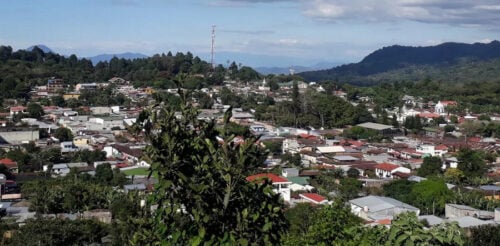
Just a short drive from the busy streets of San Salvador, a small town preserves centuries of Indigenous heritage, colonial architecture, and colorful traditions that continue to shape its identity.
The town of Panchimalco El Salvador, offers visitors a different side of the country. Its historic church, cobblestone streets, religious celebrations, and strong cultural identity make it a fascinating destination for travelers interested in Salvadoran history.
For visitors, Panchimalco offers more than a quick sightseeing trip. It’s an opportunity to explore a community where history, faith, and cultural traditions remain part of everyday life.
Where Is Panchimalco, El Salvador?
Panchimalco is a historic colonial town in the San Salvador department—south of the country’s capital. Its location among hills and green landscapes provides a peaceful setting away from the capital’s busiest neighborhoods.
The town lies approximately 17 kilometers from central San Salvador, which makes it a convenient destination for a day trip.
Panchimalco is also the name of the surrounding district, which includes rural communities and mountainous landscapes. The historic town center remains the main attraction for visitors interested in local culture.
What Does the Name Panchimalco Mean?
The name Panchimalco comes from Indigenous Nahuatl and is commonly interpreted as “Place of Flags and Shields.” This name’s meaning reflects the area’s pre-Hispanic identity.
Today, the town’s name connects its modern community with the Indigenous populations who lived in the region long before the arrival of Spanish colonizers.
Panchimalco History: Indigenous Roots and Colonial Heritage
Panchimalco history stretches back to the pre-Hispanic period, when Nahua-speaking Indigenous inhabited the region. Their language, beliefs, agricultural practices, and customs helped establish the area’s cultural foundations.
The arrival of Spanish colonizers during the sixteenth century introduced new religious institutions and political structures. Over time, Indigenous traditions blended with Catholic practices, creating cultural customs that are still visible today.
Indigenous Origins and Nahua-Pipil Heritage
Panchimalco has deep roots in El Salvador’s Nahua-Pipil heritage. Indigenous communities established settlements in the region and developed traditions that connected their daily lives with agriculture, spirituality, and community relationships.
Although centuries of social and cultural change transformed the area, aspects of that heritage survived through oral traditions, celebrations, clothing, and local expressions of identity.
The town’s Indigenous past remains an important part of its historical character. However, its cultural identity reflects both Indigenous continuity and the changes introduced during the colonial and modern periods.
Panchimalco During the Spanish Colonial Period
During the colonial period, Panchimalco grew around its Catholic church and community gathering spaces. The construction of its historic church gave residents a central place to come together for religious celebrations, social events, and everyday community activities.
Spanish colonial influence also left its mark on the town’s architecture, religious celebrations, and local customs. However, residents didn’t completely abandon their Indigenous roots. Instead, they blended Spanish traditions with their existing customs, creating a unique cultural identity that continues today.
The historic center continues to reflect this cultural mixture, offering visitors a glimpse into how Salvadoran towns developed during centuries of colonial rule.
Panchimalco Traditions and Cultural Identity
Panchimalco traditions play a big role in what makes this town special. Religious celebrations, local festivals, and artistic expression bring the community together and keep its rich cultural heritage alive.
For locals, these traditions mean much more than colorful celebrations that attract visitors. They help families stay connected to their roots, pass down customs from one generation to the next, and preserve the history and identity that make Panchimalco unique.
Traditional Clothing and Cultural Heritage
Traditional Indigenous clothing has long played an important role in Panchimalco’s cultural identity, especially the colorful outfits women wore in the past.
Today, locals still wear traditional clothing during certain festivals and cultural events. By keeping these traditions alive, the community celebrates its Indigenous heritage and passes an important part of its history to future generations.
Religious Customs and Community Celebrations
Religion plays an important role in Panchimalco’s traditions and celebrations. Throughout the year, residents come together for Catholic ceremonies, colorful processions, and community gatherings that keep their faith and local customs alive.
Some celebrations also include traditions that go back to the town’s Indigenous roots. This mix of Catholic and Indigenous influences gives Panchimalco a unique cultural identity.

Panchimalco Festival of Flowers and Palms
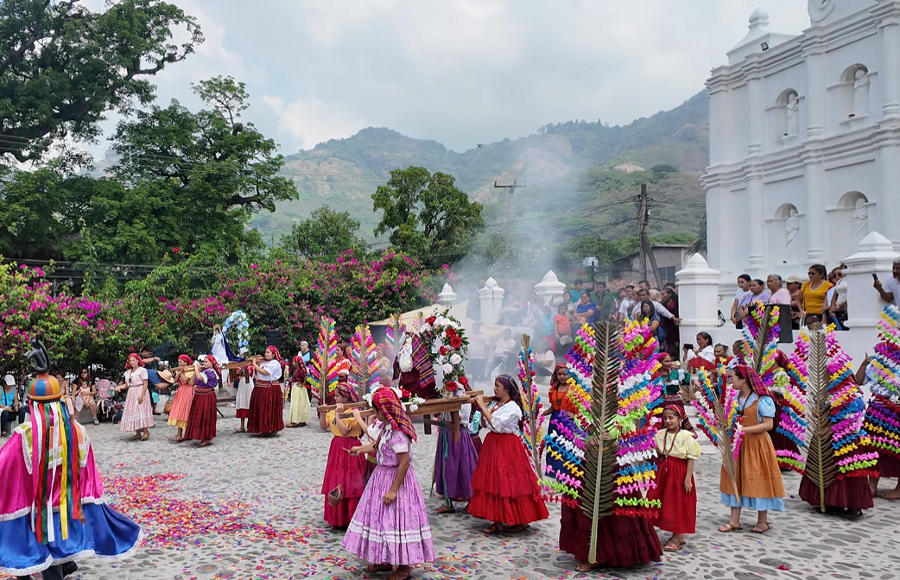
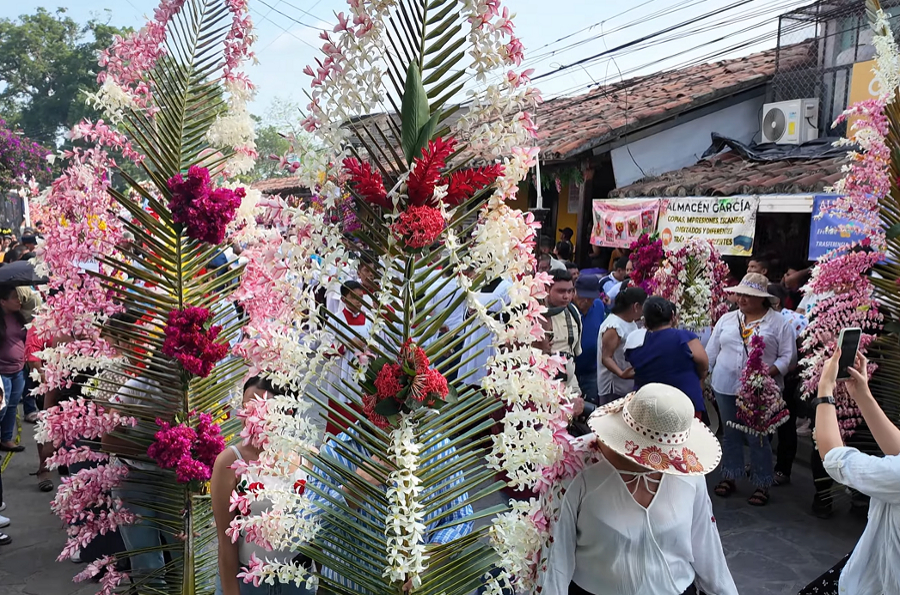
The Panchimalco Festival of Flowers and Palms, known locally as the Fiesta de las Flores y las Palmas, is one of the town’s most popular cultural celebrations. The festival honors the Virgin Mary.
Every May, the festival brings together religious traditions, colorful decorations, and community activities that demonstrate Panchimalco’s rich heritage.
During the celebration, people carry beautiful flower arrangements and decorated palms through the streets as they join religious processions and ceremonies.
But the festival offers more than colorful displays and religious activities. It also shows how much local families value their cultural traditions. Residents and religious groups work together to keep these customs alive and pass them down to younger generations.
The celebration also highlights Panchimalco’s strong connection to its history and religious roots. Through their participation, the community helps preserve traditions that have shaped the town’s identity for generations.
In 2025, the Cofradía de las Flores y las Palmas earned international recognition when UNESCO added it to its Representative List of the Intangible Cultural Heritage of Humanity.

Things to See and Do in Panchimalco
Panchimalco attracts visitors with its historic buildings, colorful celebrations, local art, and laid-back atmosphere. You don’t need a detailed itinerary to enjoy the town; walk around, explore its streets, and discover what makes it special.
Unlike larger Salvadoran destinations known for beaches or adventure activities, Panchimalco appeals primarily to travelers who enjoy cultural experiences and like places with deep historical roots.
Visit the Historic Panchimalco Church
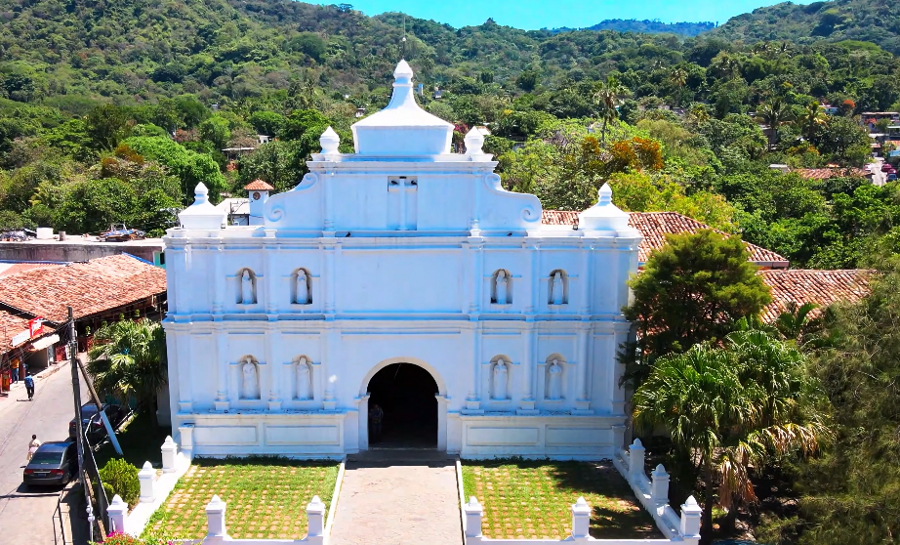
The Panchimalco Church, officially called the Church of Santa Cruz de Roma, is one of the town’s most important historical landmarks and remains a central part of community life.
The church dates back to the colonial period and showcases traditional architecture that reflects the area’s religious history. Its white exterior and distinctive design make it one of Panchimalco’s most recognizable landmarks.
Declared a National Monument in 1975, the church represents an important part of El Salvador’s architectural heritage. You can admire its exterior, appreciate its historical significance, and explore the surrounding plaza.
Explore Panchimalco’s Historic Town Center
Walking through Panchimalco’s historic center offers a closer look at traditional Salvadoran town life. The streets, older buildings, and public squares create a different atmosphere compared to the urban areas of the capital.
The central plaza provides a natural starting point. From there, you can observe the church, explore nearby streets, and appreciate the atmosphere of a community full of traditions.
Most travelers enjoy visiting in the morning, when they can explore at a comfortable pace and take photographs of the town’s historic surroundings.
Discover Local Art and Handicrafts
Art and craftsmanship play a significant role in Panchimalco’s cultural identity. Local artistic activities not only celebrate Salvadoran traditions but also provide residents opportunities to express their creativity.
Visitors may encounter handmade decorations, traditional crafts, and cultural displays, particularly during community events.

Enjoy the Surrounding Natural Landscapes
Panchimalco’s mountainous surroundings add another dimension to the visitor experience. Rural scenery, and elevated terrain create attractive landscapes beyond the historic town center.
Travelers interested in combining cultural tourism with nature can explore nearby destinations, including the Los Planes de Renderos area and the well-known Puerta del Diablo viewpoint.
These surrounding attractions are separate from Panchimalco’s historic center, so visitors should plan additional travel time when including them in a day trip.
Traditional Food in Panchimalco
Food is another way to experience the town’s Salvadoran identity. Visitors can enjoy familiar dishes associated with the country’s traditional cuisine, especially during local celebrations.
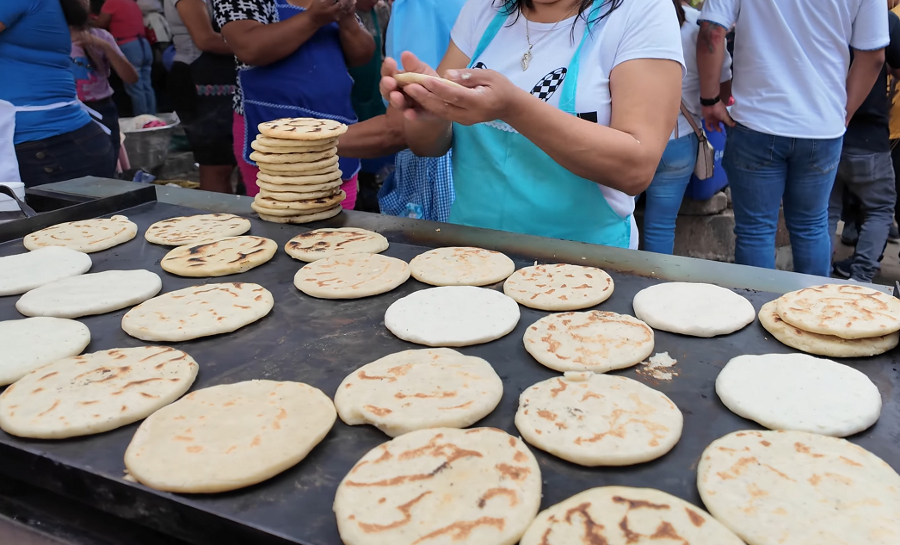
Just like in other small towns in El Salvador, you will find Pupusas, tamales, traditional sweets, and corn-based beverages.
During major celebrations, food becomes part of the social experience. Families and visitors gather around traditional dishes while enjoying religious activities, music, and community events.
How to Get to Panchimalco From San Salvador
Travelers staying in San Salvador can easily reach Panchimalco, making it a convenient destination for a day trip. Along the way, the busy city streets give way to quieter rural areas.
If you plan to drive to Panchimalco, head towards the southern outskirts of San Salvador and follow the roads leading into town. Travel times can vary based on traffic, road conditions, and your starting point.
Public transportation provides visitors with an additional way to reach the town. However, bus routes and schedules may change, so it’s advisable to check the latest transportation information before heading out.
Best Time to Visit Panchimalco El Salvador
Panchimalco welcomes visitors throughout the year, but the experience changes depending on the season. The dry season generally offers more predictable conditions for walking and sightseeing.
If you enjoy local traditions, plan your visit in May when Panchimalco celebrates the Festival of Flowers and Palms, one of the town’s biggest cultural events.
If you prefer a quieter experience, visit when there aren’t any major festivals. You can explore the historic church, walk around the town center, and get a feel for everyday life in the community.
Why Panchimalco El Salvador Is Worth Visiting
Panchimalco offers something that many larger tourist destinations cannot easily reproduce: a strong connection between its historical roots, religious celebrations, and living cultural traditions.
Panchimalco brings together Indigenous heritage, a historic colonial church, colorful festivals, and a friendly small-town atmosphere. It’s a great place for anyone who wants to discover a different side of El Salvador beyond its famous beaches and volcanoes.
You don’t need several days or a packed itinerary to enjoy Panchimalco. Just a few hours walking around the historic center can show you why this colonial town plays such an important role in Salvadoran culture.
If you enjoy history, local traditions, and experiencing everyday life in small communities, Panchimalco El Salvador, has plenty to offer.