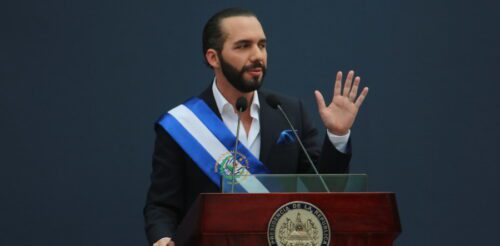
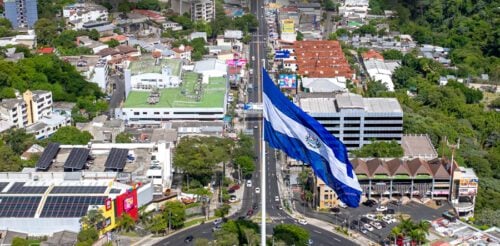
Salvadoran Congress in Session.
Every law passed in El Salvador can affect how people live, work, and do business. Behind these decisions stands one of the country’s most influential government institutions: the Legislative Assembly.
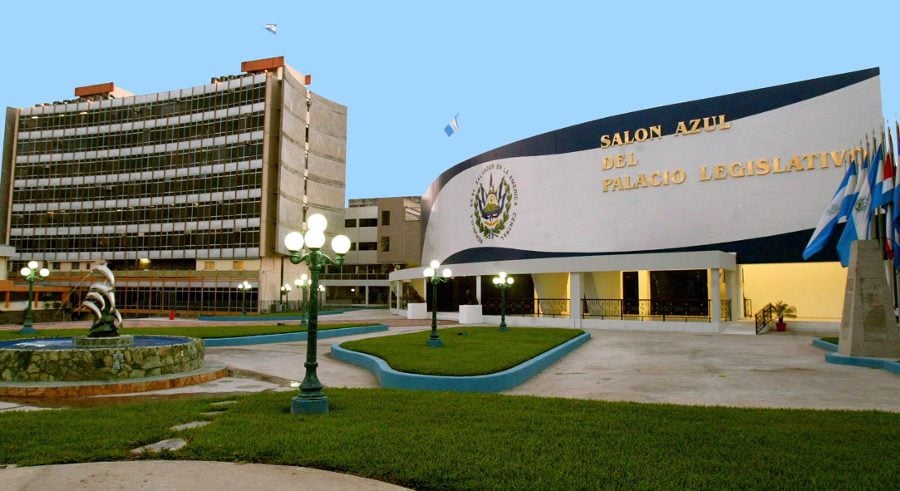
The El Salvador Legislative Assembly (Asamblea Legislativa de El Salvador) is responsible for making laws, approving government spending, and exercising important constitutional powers.
Its decisions influence everything from public education and healthcare to taxes, economic development, and national security. Understanding how this institution works helps Salvadorans follow the decisions that affect their daily lives.
What Is the El Salvador Legislative Assembly?
The Legislative Assembly is El Salvador’s national lawmaking body and one of the country’s three fundamental branches of government, alongside the executive and judicial branches.
Article 121 of the Salvadoran Constitution establishes the Assembly’s primary responsibility: legislating. This means creating, modifying, interpreting, and repealing laws that govern the country.
Unlike countries with two legislative chambers, El Salvador operates a unicameral legislature. It has a single chamber of elected representatives responsible for debating and approving national legislation.
Although political parties compete for legislative representation, the Constitution establishes that deputies represent the entire Salvadoran population, not simply the voters or political organizations that supported them.
How Is El Salvador Legislative Assembly Structured?
The Legislative Assembly has elected deputies who debate important issues, review proposed laws, and vote on decisions that affect the country. Legislative election results determine who gets a seat in the Assembly.
The Assembly currently has 60 deputies, down from 84 following an electoral reform. Future reforms could change that number again.
A governing board, known as the Junta Directiva, manages the Assembly’s daily operations. It organizes legislative activities, handles administrative matters, and coordinates the institution’s work.
Legislative committees, known as comisiones legislativas, review proposed laws and other issues before the full Assembly discusses them. They help lawmakers examine complex proposals and prepare them for debate and voting.
2024-2027 Legislative Assembly Deputies
The Salvadoran Legislative Assembly has 60 deputies representing the country’s 14 departments. The current legislative term runs from May 1, 2024, through April 30, 2027.
| Name | Department | Political Affiliation |
|---|---|---|
| Estuardo Ernesto Rodríguez Pérez | Ahuachapán | Nuevas Ideas |
| Herberth Antonio Sierra Rivera | Ahuachapán | Nuevas Ideas |
| José Serafín Orantes Rodríguez | Ahuachapán | PCN |
| José Francisco Menjívar Barahona | Cabañas | Nuevas Ideas |
| Nancy Yanira Alfaro Márquez | Cabañas | Nuevas Ideas |
| Reynaldo Antonio López Cardoza | Chalatenango | PCN |
| Saúl Enrique Mancía | Chalatenango | Nuevas Ideas |
| Janneth Xiomara Molina | Cuscatlán | Nuevas Ideas |
| Jonathan Isaac Hernández Ramírez | Cuscatlán | Nuevas Ideas |
| José Francisco Lira Alvarado | La Libertad | ARENA |
| Norma Idalia Lobo Martel | La Libertad | Nuevas Ideas |
| Ricardo Humberto Rivas Villanueva | La Libertad | Nuevas Ideas |
| Salvador Alberto Chacón García | La Libertad | Nuevas Ideas |
| Sandra Patricia Interiano Zarceño | La Libertad | Nuevas Ideas |
| Sharon Salazar | La Libertad | Nuevas Ideas |
| Walter Amílcar Alemán Hernández | La Libertad | Nuevas Ideas |
| Adolfo Antonio Rivas Ramírez | La Paz | Nuevas Ideas |
| Herbert Azael Rodas Díaz | La Paz | Nuevas Ideas |
| Walter David Coto Ayala | La Paz | Nuevas Ideas |
| José Óscar Robles Sorto | La Unión | Nuevas Ideas |
| William Eulises Soriano Herrera | La Unión | Nuevas Ideas |
| José Bladimir Barahona Hernández | Morazán | Nuevas Ideas |
| Juan Alberto Rodríguez Escobar | Morazán | Nuevas Ideas |
| Andrés Antonio Miranda Martínez | San Miguel | Nuevas Ideas |
| Caleb Neftalí Navarro Rivera | San Miguel | Nuevas Ideas |
| Erick Josué Romero Portillo | San Miguel | Nuevas Ideas |
| Francisco Eduardo Amaya Benítez | San Miguel | Nuevas Ideas |
| Reinaldo Alcides Carballo Carballo | San Miguel | PDC |
| Ana Magdalena Figueroa Figueroa | San Salvador | Nuevas Ideas |
| Benjamín Zavaleta López | San Salvador | Nuevas Ideas |
| Christian Reynaldo Guevara Guadrón | San Salvador | Nuevas Ideas |
| Claudia Mercedes Ortiz Menjívar | San Salvador | VAMOS |
| Dania Abigail González Rauda | San Salvador | Nuevas Ideas |
| Dennis Fernando Salinas Bermúdez | San Salvador | Nuevas Ideas |
| Diana Teresa González Fuentes | San Salvador | Nuevas Ideas |
| Edgardo Antonio Meléndez Mulato | San Salvador | Nuevas Ideas |
| Elisa Marcela Rosales Ramírez | San Salvador | Nuevas Ideas |
| Ernesto Alfredo Castro Aldana | San Salvador | Nuevas Ideas |
| Francisco Josué García Villatoro | San Salvador | Nuevas Ideas |
| Katheryn Alexia Rivas González | San Salvador | Nuevas Ideas |
| Marcela Guadalupe Villatoro de Moisés | San Salvador | ARENA |
| Rodrigo Javier Ayala Claros | San Salvador | Nuevas Ideas |
| Rubén Reynaldo Flores Escobar | San Salvador | Nuevas Ideas |
| Suecy Beverley Callejas Estrada | San Salvador | Nuevas Ideas |
| Edgar Antonio Fuentes Guardado | San Vicente | Nuevas Ideas |
| Helen Morena Jovel de Tovar | San Vicente | Nuevas Ideas |
| Amílcar Giovanny Zaldaña Cáceres | Santa Ana | Nuevas Ideas |
| Claudia Carolina Toledo de Morán | Santa Ana | Nuevas Ideas |
| Cruz Evelyn Merlos Molina | Santa Ana | Nuevas Ideas |
| Felipe Alfredo Martínez Interiano | Santa Ana | Nuevas Ideas |
| Lorena Johanna Fuentes de Orantes | Santa Ana | Nuevas Ideas |
| David Alexander Cupido Ayala | Sonsonate | Nuevas Ideas |
| Héctor Enrique Sales Salguero | Sonsonate | Nuevas Ideas |
| José Raúl Chamagua Noyola | Sonsonate | Nuevas Ideas |
| Mauricio Edgardo Ortiz Cardona | Sonsonate | Nuevas Ideas |
| Samuel Aníbal Martínez Rivas | Sonsonate | Nuevas Ideas |
| Ana Maricela Canales Cárdenas | Usulután | Nuevas Ideas |
| Ángel Josué Lobos Rodríguez | Usulután | Nuevas Ideas |
| Johana Paola Hernández Batres | Usulután | Nuevas Ideas |
| Raúl Neftalí Castillo Rosales | Usulután | Nuevas Ideas |
Nuevas Ideas dominates El Salvador’s Legislative Assembly, holding 54 of the 60 seats, or 90% of the total. This gives the ruling party a commanding majority and significant control over legislative decisions.
The opposition holds just six seats. ARENA and the National Conciliation Party (PCN) each have two deputies, representing 3.3% of the Assembly per party.
The Christian Democratic Party (PDC) and VAMOS each hold one seat, or 1.7%. With such limited representation, opposition parties have little influence over legislative votes unless ruling-party deputies support their positions.
Legislative Deputies Elected
Salvadorans head to the polls every three years to elect their legislative deputies. Political parties nominate candidates who compete for seats representing different electoral districts across the country.
Deputies serve three-year terms and can run for reelection. This gives voters a chance to decide every three years whether to keep their current representatives or elect new ones.
Each new legislative term begins on May 1, following the elections. Once in office, deputies debate proposed laws, serve on legislative committees, and carry out their constitutional responsibilities.
What Are the Powers of the Legislative Assembly?
The Salvadoran Constitution gives the Legislative Assembly several important responsibilities. Deputies mainly focus on making laws, but they also make decisions about public spending, appoint government officials, and oversee government institutions to ensure accountability.
Article 131 outlines many of these powers, establishing the Assembly’s authority over matters that influence public administration and the country’s legal and political framework.
Lawmaking and Budget Approval
One of the Assembly’s main jobs is making and approving laws. Deputies introduce proposals, debate how they could affect the country, and vote on whether to create new laws or change existing ones.
The Assembly also approves the national budget, deciding how much money the government can spend on public institutions, programs, infrastructure projects, and essential services.
These decisions can directly affect Salvadorans. Funding for schools, hospitals, roads, and other public priorities depends partly on the budgetary framework approved by the legislature.
Government Oversight and Constitutional Responsibilities
The Assembly also oversees government activities. Lawmakers can request information from public officials, review government actions, and create special investigative committees to examine important national issues.
The Assembly also elects several high-ranking officials, including Supreme Court magistrates, the attorney general, and other authorities. Lawmakers must follow the procedures established by the Constitution when making these appointments.
These appointments give the Assembly an important role in shaping public institutions. The effectiveness of that role depends on how deputies exercise their constitutional responsibilities.
How Are Laws Passed in El Salvador?
Laws generally begin as proposals presented by officials or institutions authorized under the Constitution. These include legislative deputies and the president through government ministers, among others.
Many proposals go to legislative committees, where deputies examine their content, discuss possible changes, and prepare recommendations before submitting them to the full Assembly for consideration.
During a plenary session, deputies can debate the proposal and vote on its approval. The required number of votes depends on the type of legislation or constitutional decision involved.
Once the Assembly approves a law, the proposal generally goes to the president for review. The president may approve it, raise objections, or exercise constitutional veto powers.
When the proposal completes the required constitutional procedures, authorities publish the law in the Diario Oficial, El Salvador’s official government gazette. Its effective date depends on the applicable legal provisions.
The Constitution also establishes special procedures for certain decisions, meaning not every legislative action follows exactly the same approval process.
Why Is El Salvador Legislative Assembly Important?
The Legislative Assembly plays a major role in shaping El Salvador’s future. Its decisions affect everyday life, from employment and education to healthcare, taxes, public safety, and government services.
Beyond passing laws, lawmakers debate national priorities, approve public spending, and oversee government activities. Transparency and public accountability help Salvadorans evaluate their elected representatives.
Understanding how the Assembly works gives citizens a clearer picture of who makes important decisions and how those decisions influence the country’s direction.