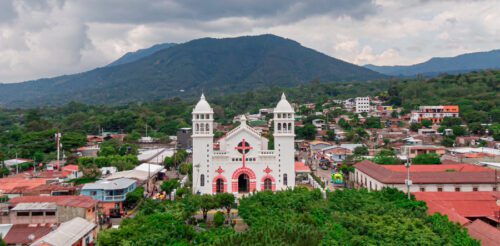
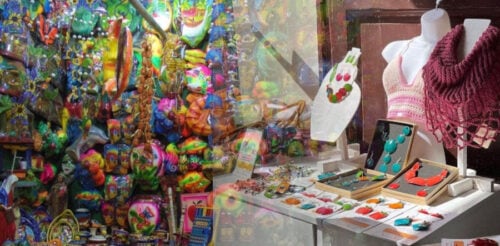
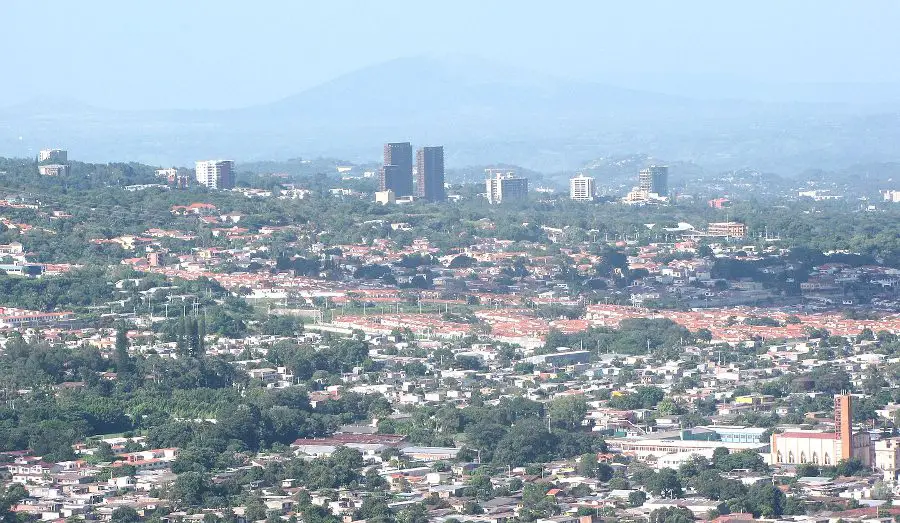
 Santa Tecla City.
The cities in El Salvador offer a fascinating mix of history, culture, colonial architecture, and modern life. Each destination has its own character, from busy commercial centers to peaceful communities surrounded by mountains.
Exploring these urban destinations is an excellent way to experience El Salvador’s tourism. Visitors can discover historic landmarks, colorful markets, traditional food, and nearby natural attractions.
Salvadoran cities offer much more than tourist attractions. They bring together jobs, schools, businesses, and everyday activities.

Overview of Cities in El Salvador
El Salvador may be the smallest country in mainland Central America, but its cities have plenty to offer. Some buzz with business and shopping, while others charm visitors with historic neighborhoods, colorful markets, and beautiful old buildings.
San Salvador, the capital, is the largest metropolitan area in the country. Santa Ana and San Miguel serve as important regional centers, while cities like Ahuachapán, Sonsonate, and San Vicente connect visitors to various parts of the country.
Many cities in El Salvador also make great starting points for trips to nearby beaches, volcanoes, lakes, archaeological sites, and charming mountain towns. And because distances are relatively short, you can easily visit several destinations in a single trip.
Major Cities vs. Small Towns in El Salvador
The distinction between cities and towns in El Salvador isn’t always obvious. Some places officially recognized as cities maintain the atmosphere of small towns, with central plazas, traditional markets, and close-knit communities.
Suchitoto, for example, holds city status but remains widely known for its small-town charm, cobblestone streets, and colonial architecture. Its peaceful atmosphere contrasts with the busy streets of San Salvador.
Visitors interested in quieter destinations can also explore the small towns in El Salvador, where local traditions, colorful buildings, and scenic surroundings are often the main attractions.

Major Cities in El Salvador
El Salvador’s major cities offer a mix of history, culture, and natural beauty. Some feature historic landmarks and busy shopping districts, while others put visitors close to volcanoes, beaches, and beautiful countryside.
Each city has something different to offer. The following destinations stand out for their cultural attractions, regional importance, and opportunities to explore everyday Salvadoran life.
The following cities stand out for their regional importance, cultural attractions, and opportunities for visitors to experience different aspects of Salvadoran life.
San Salvador – The Capital City
San Salvador is the country’s capital and its main political, economic, and cultural center. The city combines historic landmarks, busy commercial districts, museums, restaurants, and residential neighborhoods.
In downtown San Salvador, visitors can explore historic landmarks like the Metropolitan Cathedral, National Palace, National Theater, and Plaza Libertad. These iconic sites offer a look at the capital’s history, architecture, and cultural heritage.
The city also has plenty of museums, shopping centers, local markets, and cultural attractions to discover. Just outside the capital, visitors can explore El Boquerón National Park on the San Salvador Volcano or visit Joya de Cerén, one of the country’s most important archaeological sites.
San Salvador is also an important transportation hub, making it a convenient starting point for exploring other destinations throughout the country.
Santa Ana – Historic Architecture and Volcanoes
Santa Ana is one of El Salvador’s most historic cities. It attracts visitors with its beautiful architecture, culture, and easy access to nearby natural attractions.
The Santa Ana Cathedral is one of the city’s most famous landmarks. Its impressive Gothic Revival architecture stands out among the historic buildings surrounding it, including the Santa Ana Theater and Municipal Palace.
Travelers can explore the central plaza, visit local restaurants, and experience everyday life in one of El Salvador’s principal regional cities.
Santa Ana also provides access to Cerro Verde National Park, Santa Ana Volcano, Lake Coatepeque, and the archaeological site of Tazumal in nearby Chalchuapa.
San Miguel – Eastern El Salvador’s Major City
San Miguel is a major commercial and cultural center in eastern El Salvador. Its traditional markets and regional importance make it a significant destination beyond the capital.
The Cathedral Basilica of Queen of Peace dominates the historic center. Nearby plazas, shops, and restaurants provide opportunities to experience the city’s daily rhythm and local traditions.
San Miguel is particularly famous for its annual carnival, one of El Salvador’s best-known celebrations. The festivities bring music, dancing, colorful decorations, and visitors from across the country.
The city also serves as a gateway to eastern attractions, including Chaparrastique Volcano, Laguna de Olomega, and the coastal destinations of El Cuco and Las Flores.
Santa Tecla – Culture and Urban Attractions
Santa Tecla sits just west of San Salvador and is part of the capital’s metropolitan area. The city has historic buildings, residential neighborhoods, busy shopping areas, and popular spots for dining and entertainment.
Paseo El Carmen is among its best-known attractions. This historic district features restaurants, cafés, cultural activities, and architecture that reflects the city’s past.
Visitors can also explore the city’s central park and historic buildings or enjoy nearby recreational areas. The surrounding landscape includes access to the Cordillera del Bálsamo and routes toward western El Salvador.
Santa Tecla’s proximity to the capital makes it a practical destination for short visits and an important residential center for people working throughout the metropolitan area.
Sonsonate – Gateway to Western El Salvador
Sonsonate is an important commercial center in western El Salvador. Its location connects travelers with coastal destinations, historic communities, and the mountainous landscapes of the region.
The city features traditional markets, churches, commercial streets, and public spaces where visitors can observe everyday Salvadoran life.
Sonsonate is also a convenient starting point for exploring the Ruta de las Flores, a scenic route known for its mountain towns, coffee-growing landscapes, local crafts, and cultural traditions.
Nearby destinations include Nahuizalco, Juayúa, Izalco, and the Pacific beaches of Los Cóbanos and Acajutla.
Ahuachapán – Geothermal Landscapes and Traditions
Ahuachapán sits in western El Salvador and stands out for its rich cultural heritage, historic downtown, and unique geothermal landscapes. The city offers a quieter, more relaxed atmosphere than the country’s larger urban centers.
Visitors can stroll through the central plaza, explore historic churches, shop at traditional markets, and wander streets that showcase the city’s local character and traditions.
One of the area’s most interesting natural attractions is Los Ausoles, where geothermal activity produces steam vents and bubbling mud pools. Nearby, coffee plantations and beautiful mountain scenery give travelers even more reasons to explore the region.
Ahuachapán provides access to destinations such as Ataco, Apaneca, and Laguna El Espino, making it a useful base for exploring western El Salvador.
La Unión – Coastal Scenery and the Gulf of Fonseca
La Unión is a coastal city in eastern El Salvador, right along the Gulf of Fonseca. Its waterfront location gives it a laid-back atmosphere and beautiful views of the gulf and its islands.
Visitors can enjoy fresh seafood at local restaurants, explore nearby fishing communities, or take a boat trip to discover the islands of the Gulf of Fonseca.
La Unión also makes a great starting point for visiting nearby attractions like Playa Las Tunas, the town of Conchagua, and the beautiful landscapes around Conchagua Volcano.
Usulután – Gateway to Eastern Coastal Destinations
Usulután is a regional commercial center in eastern El Salvador. Although it receives less international tourism than San Salvador or Santa Ana, it provides access to important natural destinations.
The city has traditional markets, churches, local restaurants, and commercial streets that reflect the everyday character of eastern Salvadoran communities.
One of its main advantages is its proximity to the broader Jiquilisco Bay region, known for mangrove forests, coastal ecosystems, islands, and wildlife.
Travelers exploring the department can also visit Alegría, Laguna de Alegría, and the landscapes surrounding Tecapa Volcano.
San Vicente – Colonial Heritage and Volcanic Landscapes
San Vicente is a historic city in central El Salvador with plenty of colonial charm, traditional streets, and beautiful views of the surrounding volcanic landscapes.
The city’s famous clock tower, historic churches, and central plazas give visitors a glimpse into its rich history and local culture. Visitors can stroll through downtown, browse local markets, and try traditional Salvadoran dishes at small restaurants and food stalls.
Nearby attractions include San Vicente Volcano, also called Chinchontepec, and the archaeological site of Tehuacán, located near Tecoluca.
Chalatenango – Mountain Destinations and Local Culture
Chalatenango is a small city in northern El Salvador, surrounded by beautiful mountains. It offers a quieter, more relaxed atmosphere than the country’s larger cities.
Visitors can explore local markets, visit churches, browse traditional shops, and spend time in public spaces where locals gather and enjoy everyday life.
Chalatenango is especially useful as a starting point for exploring northern destinations, including La Palma, San Ignacio, and the mountainous landscapes surrounding El Pital.
Travelers interested in cooler highland environments, handicrafts, and rural tourism will find several appealing destinations throughout the department.
Sensuntepeque – The City of 400 hills
Sensuntepeque, the historic capital of Cabañas, is a charming city in north-central El Salvador. Surrounded by green hills, it offers visitors a peaceful atmosphere, traditional culture, and a glimpse into everyday Salvadoran life.
You can stroll through the historic center, visit Santa Bárbara Church, and try traditional Salvadoran dishes at local restaurants.
Visitors can also explore nearby small towns, enjoy scenic countryside views, and discover the natural beauty of Cabañas. Sensuntepeque makes a great starting point for exploring the surrounding region.
Ilobasco: The City of Clay Artisans
Ilobasco, in the department of Cabañas, is famous for its traditional pottery and colorful handmade ceramics. The city has a rich artistic heritage, with skilled artisans passing their craft down through generations.
Visitors can explore local pottery workshops, shop for unique clay figurines, and discover the famous miniature creations known as sorpresas, which depict scenes of everyday Salvadoran life.
The historic center features the San Miguel Arcángel Church, charming streets, and local restaurants. Many visitors come to Ilobasco to experience its artistic traditions and authentic Salvadoran culture.

Comparison of Major Cities in El Salvador
The following table highlights the main characteristics of ten important Salvadoran cities, along with their attractions and nearby destinations.
| City | Department | Known For | Main Attractions | Nearby Destinations |
|---|---|---|---|---|
| San Salvador | San Salvador | Capital, culture, commerce | Historic Center, National Palace, Metropolitan Cathedral | El Boquerón, Joya de Cerén |
| Santa Ana | Santa Ana | Historic architecture, western tourism | Santa Ana Cathedral, National Theater | Santa Ana Volcano, Lake Coatepeque |
| San Miguel | San Miguel | Commerce, carnival, eastern culture | Cathedral Basilica, historic center | Chaparrastique Volcano, El Cuco |
| Santa Tecla | La Libertad | Restaurants, culture, residential areas | Paseo El Carmen, historic center | El Boquerón, Cordillera del Bálsamo |
| Sonsonate | Sonsonate | Regional commerce, cultural heritage | Central market, historic churches | Ruta de las Flores, Los Cóbanos |
| Ahuachapán | Ahuachapán | Geothermal landscapes, traditions | Historic center, Los Ausoles | Ataco, Apaneca |
| La Unión | La Unión | Gulf scenery, port activities | Waterfront, coastal restaurants | Conchagua, Gulf of Fonseca islands |
| Usulután | Usulután | Regional commerce, coastal access | Central park, local markets | Jiquilisco Bay, Alegría |
| San Vicente | San Vicente | Historic architecture, local traditions | Clock tower, churches | Chinchontepec Volcano, Tehuacán |
| Chalatenango | Chalatenango | Northern culture, mountain access | Central park, traditional markets | La Palma, San Ignacio, El Pital |
| Sensuntepeque | Cabañas | Colonial heritage, local traditions, regional commerce | Central park, Santa Bárbara Church, traditional markets | Ilobasco, Guacotecti, Victoria |
| Ilobasco | Cabañas | Handmade pottery, clay figurines, artisan traditions | Pottery workshops, artisan shops, central park | Sensuntepeque, Suchitoto, Cinquera |
Best Cities to Visit in El Salvador
The best Salvadoran cities to visit depend on what you enjoy. Whether you love history, outdoor adventures, or local culture, you’ll find plenty of interesting places to explore across the country.
Best Cities for History and Architecture
San Salvador, Santa Ana, and San Vicente offer plenty of history to explore. Visitors can walk through their downtown areas and discover historic churches, old government buildings, plazas, and architecture that reflects each city’s past.
Santa Ana is particularly appealing for its cathedral and theater, while San Salvador offers an extensive collection of nationally significant monuments within its historic center.
Best Cities for Culture and Traditions
San Miguel, Ahuachapán, and Sonsonate provide opportunities to experience Salvadoran traditions through local markets, regional cuisine, religious celebrations, and community activities.
San Miguel’s annual carnival is especially well known. Meanwhile, western cities connect visitors with coffee-growing communities, artisan traditions, and the cultural attractions of the Ruta de las Flores.
Best Cities for Food and Local Markets
San Salvador offers one of the country’s widest selections of restaurants, from traditional pupuserías to international dining establishments. Its markets also showcase everyday ingredients and Salvadoran dishes.
Santa Ana, San Miguel, and Sonsonate provide more regional food experiences. Visitors can discover traditional snacks, fresh produce, local specialties, and busy markets frequented by residents.
Best Cities for Outdoor Adventures
Santa Ana is an excellent starting point for visiting volcanoes and Lake Coatepeque. Ahuachapán offers access to geothermal attractions, coffee-growing landscapes, and scenic mountain communities.
La Unión appeals to travelers interested in coastal scenery and the Gulf of Fonseca, while Chalatenango connects visitors with some of northern El Salvador’s most recognizable mountain destinations.

Living in Cities in El Salvador
Salvadoran cities offer much more than tourist attractions. They’re places where families work, study, shop, spend time together, and keep local traditions alive through everyday activities.
Life in El Salvador varies from the busy San Salvador metropolitan area to smaller, quieter cities. Job opportunities, housing options, transportation, and access to essential services all play a role in where people choose to live.
Urban Life and Daily Routines
San Salvador and its surrounding municipalities offer plenty of shopping, schools, healthcare services, and entertainment options. Many residents commute between their neighborhoods and busy business districts for work, school, and everyday activities.
Santa Ana and San Miguel also have busy commercial areas, but life moves at a different pace than in the capital. Residents can find essential services, enjoy local businesses, and stay connected to nearby towns and communities.
Smaller cities such as Chalatenango and San Vicente generally offer a more compact urban setting, with traditional markets and community spaces playing an important role.
Healthcare, Education, and Essential Services
The San Salvador metropolitan area has a substantial concentration of hospitals, universities, specialized medical services, and private educational institutions.
Santa Ana and San Miguel also serve as important regional centers for healthcare and education, supporting residents from nearby towns and rural communities.
Access to specialized services may require travel to larger cities, particularly for people living in smaller urban centers.
Safety and Quality of Life in Salvadoran Cities
Safety, infrastructure, transportation, and access to services all affect quality of life in Salvadoran cities. Conditions can differ between neighborhoods, even within the same metropolitan area.
Residents and visitors should consider pedestrian infrastructure, street lighting, transportation availability, and access to healthcare when evaluating an area.
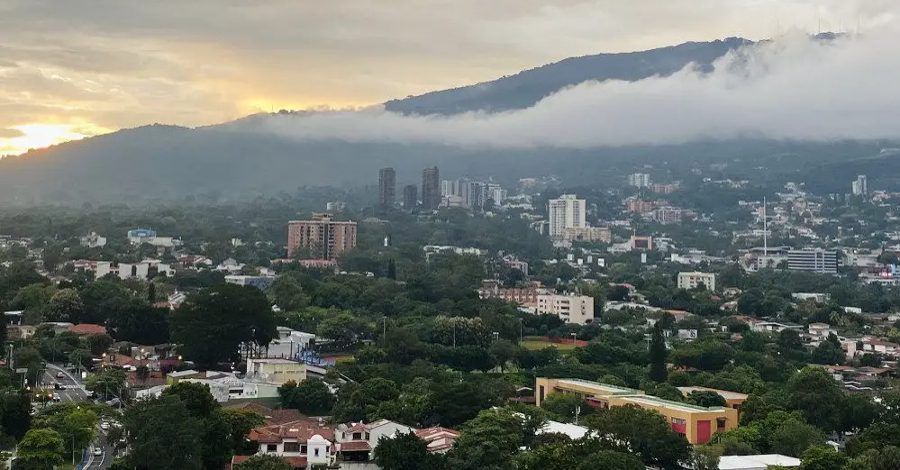
Climate also plays a big role in daily life. Lower-elevation cities like San Miguel tend to get hotter, while higher areas around Santa Tecla and northern El Salvador usually enjoy cooler weather.
For people planning a long-term move, visiting neighborhoods at different times of day provides a better understanding of traffic, noise, commercial activity, and residential surroundings.
Exploring the Cities of El Salvador
The cities of El Salvador offer much more than historic landmarks and popular tourist attractions. Each destination has its own character, shaped by local history, cultural traditions, and the people who call it home.
From the busy streets of San Salvador to the colonial charm of Suchitoto, travelers can explore colorful markets, historic churches, traditional restaurants, and lively public squares filled with local activity.
Visiting these cities also gives you a closer look at Salvadoran culture and traditions. Local festivals, traditional foods, artisan crafts, and community celebrations bring the country’s rich cultural heritage to life.
Beyond tourism, these urban centers reveal what everyday life in El Salvador looks like. Residents work, shop, socialize, and maintain traditions that give each city its unique identity.
Whether you’re planning a quick trip or a longer stay, exploring El Salvador’s cities gives you plenty to see and do. Each destination offers something different and another reason to discover the country.