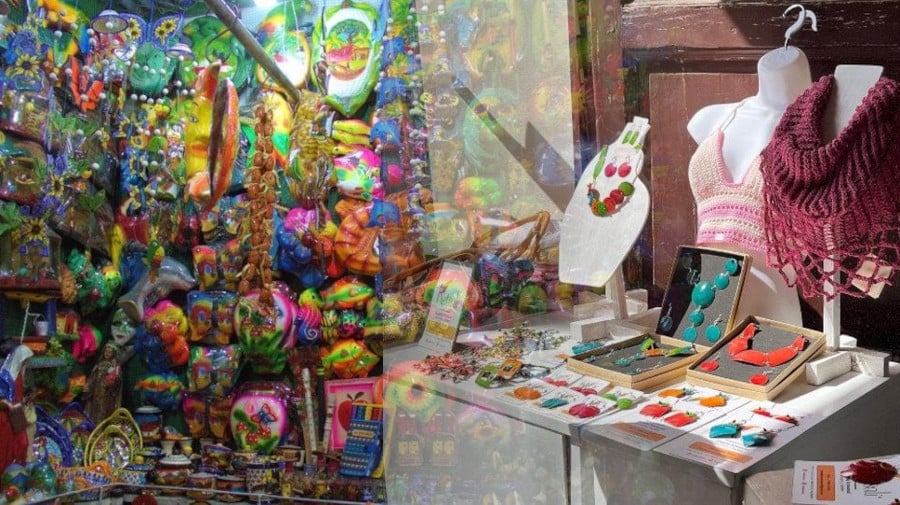
 El Salvador Traditional Arts and Crafts.
Traditional Arts and Crafts in El Salvador reflect the country’s history, creativity, and cultural identity. From colorful wooden paintings to handmade pottery and textiles, Salvadoran artisans preserve traditions through their work.
Across El Salvador, talented artisans use clay, wood, cotton, and natural fibers to create everyday crafts and decorative art pieces.
These handmade creations offer a closer look at El Salvador’s culture, connecting indigenous knowledge, colonial influences, and modern artistic expression through traditions that continue to shape everyday life.
- Overview of Traditional Arts and Crafts in El Salvador
- History and Origins of Salvadoran Arts and Crafts
- Types of Traditional Arts and Crafts in El Salvador
- Famous Artisan Towns in El Salvador
- Traditional Materials and Craftmaking Techniques
- The Role of Artisans in Salvadoran Culture
- Preserving Traditional Arts and Crafts in El Salvador
- Where to Find Traditional Handicrafts in El Salvador
- Traditional Salvadoran Arts and Crafts: A Living Cultural Heritage
Overview of Traditional Arts and Crafts in El Salvador
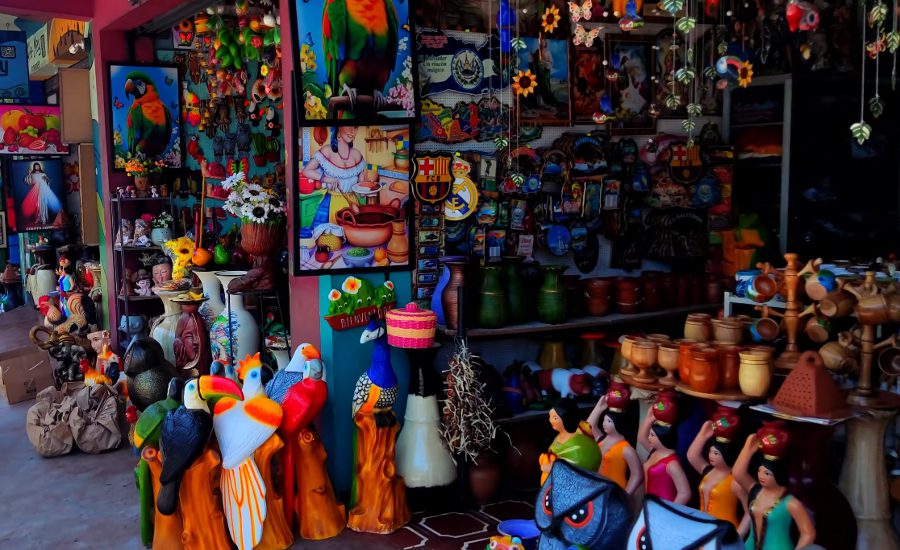
Salvadoran arts and crafts include pottery, weaving, woodwork, basketry, painting, and other forms of handmade production. Some crafts serve practical purposes, while others express artistic creativity or represent cultural traditions.
Artisans often acquire their skills from relatives or experienced craftspeople. They develop these techniques through years of practice, using tools and materials that may have changed little over generations.
Different parts of El Salvador have their own specialties. Ilobasco is known for its clay figurines, La Palma for its colorful folk art, Nahuizalco for its natural-fiber crafts, and San Sebastián for its traditional woven textiles.
These traditions represent more than decorative objects. They connect communities with their past, provide livelihoods for artisan families, and help preserve skills that might otherwise disappear.
History and Origins of Salvadoran Arts and Crafts
Indigenous Roots of Salvadoran Craftsmanship
Long before the Spanish arrived, Indigenous communities in what is now El Salvador made pottery, textiles, baskets, and tools using materials they found locally. They used these handmade items in daily life, farming, trade, and traditional ceremonies.
They learned how to shape clay, weave plant fibers, and make practical household items. Archaeological discoveries show just how skilled they were and how well they understood the natural materials around them.
Many of these traditional crafts have passed from one generation to the next, although the techniques, designs, and materials have changed over time. Today, Indigenous craftsmanship continues to play an important role in preserving El Salvador’s cultural heritage.
Spanish Colonial Influences on Traditional Crafts
Spanish colonization introduced new tools, materials, artistic styles, and production techniques. These European influences blended with existing indigenous traditions, creating unique forms of Salvadoran craftsmanship.
Local artists began creating religious images, decorative woodwork, and textiles using techniques introduced during colonial times. They mixed these new influences with their own traditions.
Today, many Salvadoran handicrafts reflect this combination of cultural influences rather than belonging exclusively to one historical period.

Types of Traditional Arts and Crafts in El Salvador
El Salvador has a rich variety of traditional arts and crafts that reflect the country’s history, creativity, and cultural heritage. Local artisans use skills passed down through generations to create beautiful, practical handmade products.
From traditional pottery and handwoven textiles to wood carving, basket weaving, and hammock making, each craft tells a different story. You can also discover traditional indigo dyeing, a centuries-old technique that remains part of Salvadoran craftsmanship.
Traditional Pottery and Ceramics
Pottery is among El Salvador’s oldest craft traditions. Artisans shape clay into cooking vessels, decorative objects, figurines, and other handmade pieces using techniques developed through years of experience.
Ilobasco, in the department of Cabañas, is particularly well known for its pottery. Local craftspeople produce colorful clay figures depicting people, animals, religious scenes, and everyday Salvadoran life.
The town is also famous for miniaturas, small clay figures that often recreate familiar activities with remarkable detail. These pieces combine traditional craftsmanship with humor and storytelling.
Handwoven Textiles and Traditional Weaving
Textile weaving has deep roots in Salvadoran craftsmanship. Traditional weavers use looms to transform threads into fabric for clothing, household goods, and decorative products.
San Sebastián, in the department of San Vicente, has a longstanding reputation for producing colorful woven textiles. Artisans create blankets, tablecloths, hammocks, and other fabric products.
Traditional patterns often feature stripes and bright color combinations. Although modern textile production has changed the industry, handloom weaving remains an important local craft.
Wood Carving and Painted Wooden Crafts
Woodworking is another recognizable Salvadoran artisan tradition. Craftspeople produce carved objects, decorative ornaments, furniture, and painted wooden pieces using different tools and finishing techniques.
La Palma, in Chalatenango, is especially associated with brightly painted wooden handicrafts. Its recognizable designs feature birds, flowers, houses, rural landscapes, and scenes inspired by Salvadoran life.
These colorful objects have become popular representations of the country’s folk art, appearing on everything from small souvenirs to larger decorative pieces.
Basket Weaving and Natural Fiber Crafts
Basket weaving uses plant-based materials to create functional and decorative products. Artisans work with fibers such as tule, wicker, and other locally available plants, depending on the community and craft.
Nahuizalco, in Sonsonate, is widely recognized for its tradition of producing baskets, furniture, and household objects from natural materials.
Many pieces require careful preparation of the fibers before weaving begins. Craftspeople then shape and interlace the materials to produce durable objects with distinctive textures.
Traditional Hammock Making
Hammocks are familiar household items throughout El Salvador. People use them for resting, relaxing outdoors, and enjoying the shade during warm afternoons.
Traditional hammock makers weave cotton or synthetic threads to create strong, flexible hammocks. They use different weaving techniques to make them in a variety of sizes, colors, textures, and patterns.
Although hammocks are common throughout Central America, handmade Salvadoran hammocks remain part of the country’s practical craft traditions.
Traditional Indigo Dyeing
Indigo, known locally as añil, has an important place in El Salvador’s economic and cultural history. The plant-based dye produces distinctive shades of blue and once played a major role in regional trade.
Traditional indigo production involves extracting pigment from plants through processes that include soaking and fermentation. Artisans can then use the pigment to dye textiles and other materials.
Today, natural indigo dyeing connects historical agricultural knowledge with contemporary textile craftsmanship, artistic experimentation, and efforts to preserve traditional techniques.

Famous Artisan Towns in El Salvador
Several Salvadoran towns have developed strong identities around particular handicrafts. Their workshops, markets, and family businesses offer opportunities to understand how traditional craftsmanship continues.
Many of these colorful towns are part of El Salvador’s Artisanal Route, a great way to explore the country’s traditional arts and crafts. Along the route, you can meet local artisans, shop for handmade products, and discover the unique traditions that make each community special.
Ilobasco: Pottery and Clay Figurines
Ilobasco is one of the country’s best-known pottery centers. Its artisans create religious figures, miniature scenes, decorative ceramics, and clay objects inspired by everyday experiences.
Many of these workshops operate as family businesses, allowing younger generations to learn the techniques and artistic styles associated with the community.
While visiting Ilobasco, you can explore local shops to appreciate the variety of clay figures and the creativity behind their designs.
La Palma: Colorful Salvadoran Folk Art
La Palma became an important center of Salvadoran folk art through the influence of artist Fernando Llort, who helped popularize a distinctive style of colorful, simplified images.
His artistic approach inspired local craftspeople to decorate wooden objects, ceramics, and other products with scenes featuring nature, village life, and symbolic figures.
Today, La Palma’s colorful handicrafts are among the most recognizable examples of Salvadoran decorative art.
Nahuizalco: Natural Fiber Handicrafts
Nahuizalco has a longstanding tradition of working with natural fibers. Local artisans produce baskets, woven furniture, mats, and decorative household objects.
Its craftmaking heritage also reflects the area’s indigenous cultural roots, particularly traditions associated with western El Salvador.
Visitors can find locally made products in shops and markets, where handcrafted objects remain an important part of the town’s identity.
San Sebastián: Traditional Textile Weaving
San Sebastián is well known for its textile workshops and traditional looms. For generations, local weavers have created colorful fabrics that people use to decorate their homes and make everyday household items.
There is no question that weaving takes patience, skill, and attention to detail. Artisans carefully prepare the threads, operate traditional looms, and create patterns that reflect their experience and creativity.
Over the years, textile weaving has become an important part of San Sebastián’s identity. This tradition keeps local craftsmanship alive and connects the community to its history and cultural heritage.
Other Artisan Towns in El Salvador
Suchitoto, San Ignacio, and Citalá also have plenty to offer when it comes to traditional arts and crafts. You can meet local artisans, shop for handmade products, and explore the history, traditions, and charm that make each town special.

Traditional Materials and Craftmaking Techniques
Salvadoran artisans use materials that reflect the country’s natural resources, agricultural traditions, and local environments. Clay, wood, cotton, and plant fibers appear in many traditional products.
Potters work with clay, shaping it into different pieces before letting it dry and adding decorations. Each workshop has its own techniques, depending on the type of pottery and local traditions.
Weavers use looms to turn threads into colorful fabrics with different patterns and textures. Basket makers work with flexible plant fibers, weaving them into baskets and other everyday items.
Woodworkers carve, sand, paint, and finish their pieces by hand. Each technique requires practice, and small variations often give handmade products their individual character.
The Role of Artisans in Salvadoran Culture
Traditional artisans play a vital role in preserving Salvadoran cultural identity by passing down their knowledge of arts and crafts through generations.
Craftmaking also provides income for households and small businesses. In some communities, local artisan activity supports markets, tourism, and related commercial services.
Women and men participate in different aspects of craft production, including weaving, pottery, painting, finishing, and selling handmade products. Their roles vary among families and communities.
Beyond their economic contribution, artisans keep local stories and artistic traditions visible. A clay figurine, woven textile, or painted wooden box can express something meaningful about Salvadoran life.
Preserving Traditional Arts and Crafts in El Salvador
Traditional craftsmanship faces challenges as industrially manufactured goods compete with handmade products. Changing consumer preferences and limited opportunities for younger artisans can also affect the continuity of certain crafts.
Handmade production often requires considerable time, yet customers may not always recognize the labor and skill behind each object.
Families, artisan associations, cultural organizations, and local communities play important roles in preserving these traditions through workshops, exhibitions, teaching, and commercial opportunities.
Buying products from local artisans helps keep traditional crafts alive. It also shows younger generations that learning these skills can be worthwhile and even provide a way to earn a living.
Preserving traditional crafts doesn’t mean artisans have to do everything the old way. Many mix traditional techniques with modern designs, materials, and fresh ideas while staying connected to their cultural roots.
Where to Find Traditional Handicrafts in El Salvador
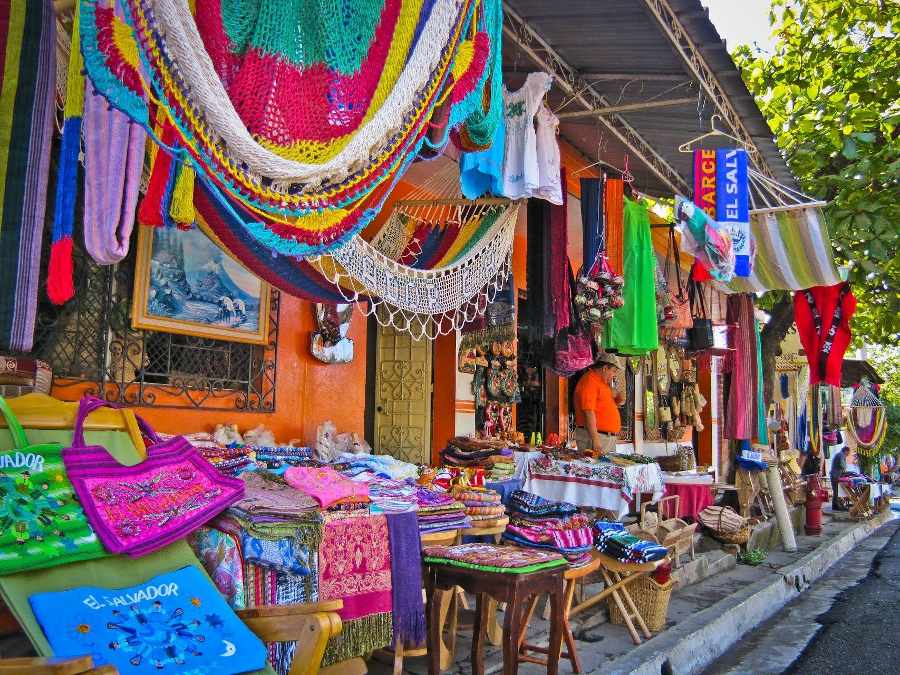
You can find Salvadoran handicrafts in artisan towns, local markets, cultural fairs, and specialty shops throughout the country. Some workshops also welcome visitors interested in observing traditional production methods.
Ilobasco, La Palma, Nahuizalco, and San Sebastián are especially useful destinations for exploring the country’s different craft traditions.
San Salvador also has markets and shops that sell handmade products from different regions, allowing visitors to discover several styles without traveling to every artisan community.
When you buy handicrafts, ask where they come from and whether the seller works directly with the artisan. A quick chat can tell you more about who made the item and how they created it.
Purchasing directly from artisans, when possible, helps support their work. It also creates opportunities to learn about the people and communities behind traditional Salvadoran craftsmanship.
Traditional Salvadoran Arts and Crafts: A Living Cultural Heritage
Traditional arts and crafts are an important part of Salvadoran culture and identity. From pottery and textiles to woodwork and colorful paintings, local artisans keep generations of creativity, skills, and traditions alive.
Each artisan community has something special to offer. Ilobasco is known for its detailed clay figures, La Palma for its colorful paintings, and San Sebastián for its traditional woven fabrics.
But these towns offer much more than handmade crafts. You can visit historic churches, learn about local religious traditions, and enjoy festivals that bring communities together throughout the year.
You can also try traditional Salvadoran foods like pupusas, tamales, and other local favorites. Many visitors spend time walking around town centers, shopping for handmade crafts, and enjoying the food and customs that make each place special.
Exploring traditional arts and crafts in El Salvador is a great way to experience the country beyond its popular tourist destinations.