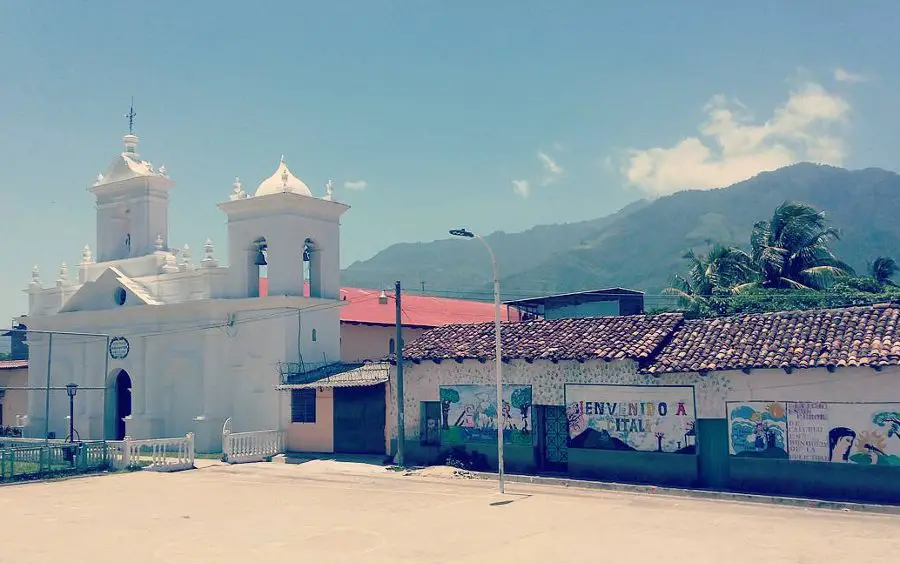
 Citala in Chalatenango
The Artisanal Route in El Salvador, “Ruta Artesanal,” offers a vibrant journey through towns where tradition, creativity, and culture thrive.
From indigo workshops to colorful folk art, this route preserves ancestral crafts while inviting travelers to explore authentic Salvadoran culture and community life.
El Salvador’s Artisanal Route is a cultural tourism initiative launched by the government to highlight the work of Salvadoran artisans and their communities.
The aim is to connect towns that have preserved traditional crafts, such as ceramics, weaving, indigo dyeing, and folk art, with both tourists and locals.
More than just a tourist circuit, La Ruta Artesanal is a living museum of creativity where visitors can see, touch, and even participate in the making of crafts that have been passed down for generations.
Towns That Form Part of the Route
Ilobasco – Famous for its miniature clay figures and ceramics, lobasco is a town where every piece tells a story. Visitors can walk through workshops and watch artisans shape clay into intricate designs.
Suchitoto – Known for its colonial charm and indigo dyeing workshops, Suchitoto preserves one of the oldest traditions in El Salvador. Tourists can learn how fabrics are dyed naturally with the plant añil.
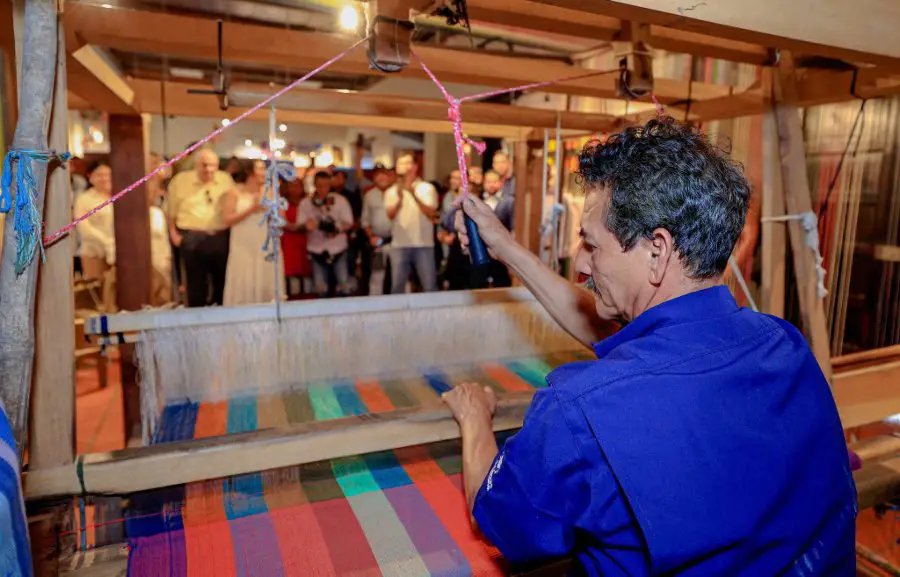
San Sebastián – This town is synonymous with weaving. San Sebastian’s textiles, woven on traditional looms, are prized for their vibrant colors and patterns.
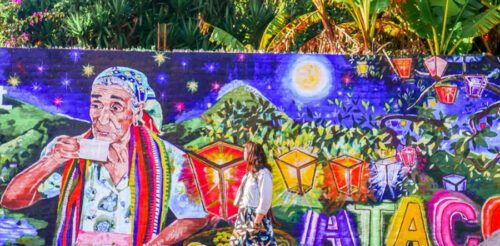
La Palma – Home to the legacy of Fernando Llort, La Palma is famous for its colorful folk art. Murals, wooden crafts, and paintings reflect a unique style rooted in Salvadoran identity.
San Ignacio — Nestled in the mountains of Chalatenango, San Ignacio embodies the artistic legacy of Fernando Llort. Local artisans adapt their colorful, symbolic style into woodcraft and murals, turning the town into a lively showcase of Salvadoran folk identity.
Citala – located on El Salvador’s northern border, the colorful town of Citala preserves centuries-old artisanal traditions. Known for weaving and woodcraft, the town keeps ancestral techniques alive, showcasing the resilience and creativity central to Salvadoran cultural identity.
Other towns and villages also contribute with their own specialties, ensuring that every stop along the route offers something different. For example, Concepción de Ataco, Panchimalco, Nahuizalco, Juayua, Apaneca, and Salcoatitan.
Why It Is Important to Salvadoran Culture
The Artisanal Route preserves and celebrates a vital part of El Salvador’s heritage. Crafts like indigo dyeing and clay work are living links to pre-Columbian and colonial traditions.
By keeping these practices alive, artisans strengthen national identity and share a piece of Salvadoran culture with the world.
For those who make these crafts, they are more than souvenirs—they are stories of resilience, creativity, and community pride.
Ruta Artesanal’s Tourism and Economic Value
For El Salvador, the Artisanal Route is more than cultural preservation—it is also an economic lifeline. Tourists drawn to these towns bring income to artisans, families, and local businesses.
The route helps diversify the country’s tourism, which is often associated with beaches and volcanoes, by adding cultural depth to the visitor experience.
This not only boosts local economies but also positions El Salvador as a destination for authentic cultural tourism.
Why You Should Explore El Salvador’s Artisanal Route
Exploring the Artisanal Route allows you to engage with Salvadoran life beyond typical tourist attractions. You can participate in workshops, connect with artisans, and take home one-of-a-kind handmade crafts that embody the spirit of their creators.
The experience is personal, authentic, and enriching. For travelers seeking sustainable and meaningful tourism, this route offers a chance to support communities directly while discovering the beauty of Salvadoran tradition.
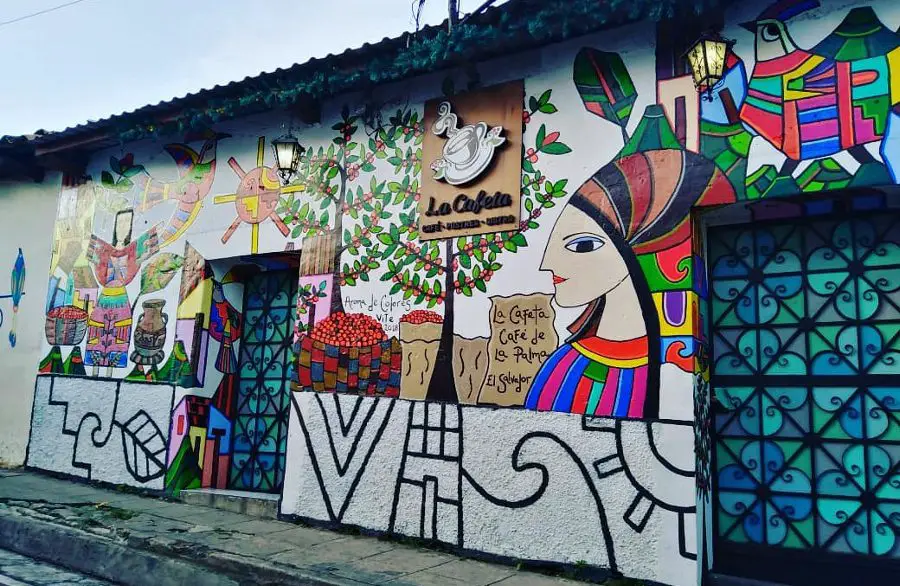
El Salvador’s Artisanal Route
The Artisanal Route is a celebration of Salvadoran heritage, creativity, and resilience. It connects visitors to the country’s history while providing artisans with opportunities to thrive.
Whether through clay, fabric, or color, the Artisanal Route is a reminder that culture is important to Salvadorans. For anyone exploring El Salvador, it is an unmissable journey into the heart of its traditions.