 Museum of the Salvadoran Revolution in Perquin.
The Museum of the Salvadoran Revolution in Perquín, Morazán, offers a revealing look into the country’s 12-year civil war through historical photographs, personal belongings, wartime equipment, and accounts of former guerrilla combatants.
This museum is different from traditional ones that display ancient artifacts or famous art. Instead, it focuses on a more recent part of Salvadoran history.
Among the many museums worth visiting in El Salvador, this institution stands out for its historical significance and community roots. It’s a place to learn, ask questions, and better understand the country’s past.
Getting to Know the Museum of the Salvadoran Revolution
Known locally as the Museo de la Revolución Salvadoreña, the museum sits near the center of Perquín, a mountain town in northern Morazán, approximately 207 kilometers from San Salvador.
Perquín is a historic town surrounded by pine-covered mountains. Its peaceful setting stands in contrast to its wartime past. The museum helps visitors see how the community has changed over the years.
What makes this museum particularly interesting is its connection to people who experienced the armed conflict. Former guerrilla combatants have helped preserve the collection and share their memories with visitors.
The museum tells the story of El Salvador’s civil war mainly from the guerrilla movement’s point of view. Reading other accounts alongside it can help you see how people experienced the war and how it shaped Salvadoran society.
History of the Museum of the Salvadoran Revolution
The museum’s history is closely linked to Perquín’s role in the armed conflict. It was created because the community wanted to keep their history alive and not let years of experiences be forgotten.
Perquín During the Salvadoran Civil War
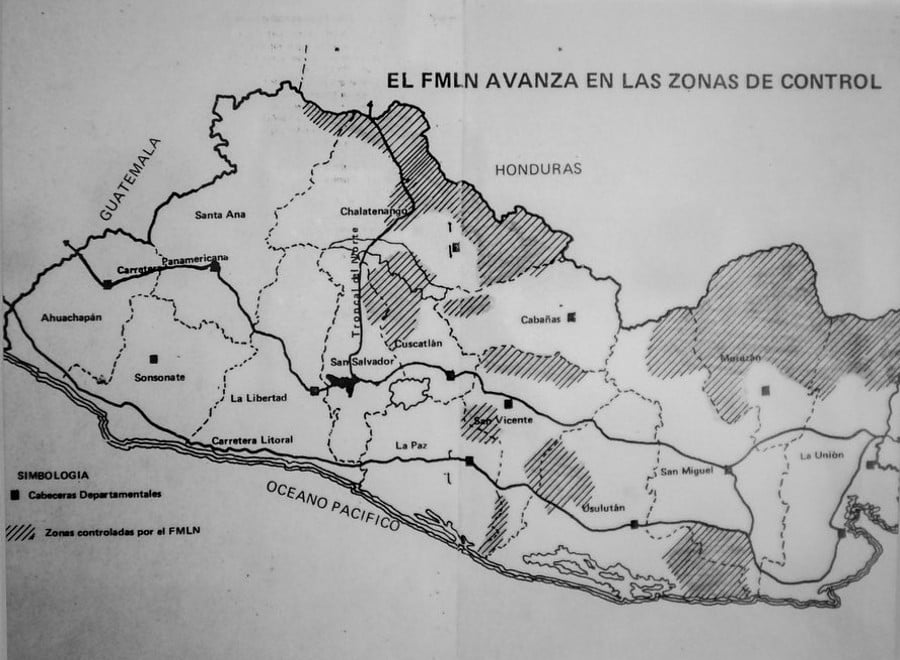
Between 1980 and 1992, El Salvador experienced a civil war between government forces and the Farabundo Martí National Liberation Front (FMLN), a coalition of five leftist guerrilla organizations.
Northern Morazán was one of the main areas affected by the conflict. Perquín and nearby communities were key centers for guerrilla activity, and military operations often disrupted daily life for civilians.
For families in the area, the war was more than just politics or fighting. Many people faced displacement, separation from loved ones, and constant uncertainty in their daily lives.
The Founding of the Museum in 1992
The Museum of the Salvadoran Revolution opened on December 13, 1992, nearly eleven months after the Salvadoran government and the FMLN signed the Chapultepec Peace Accords in Mexico.
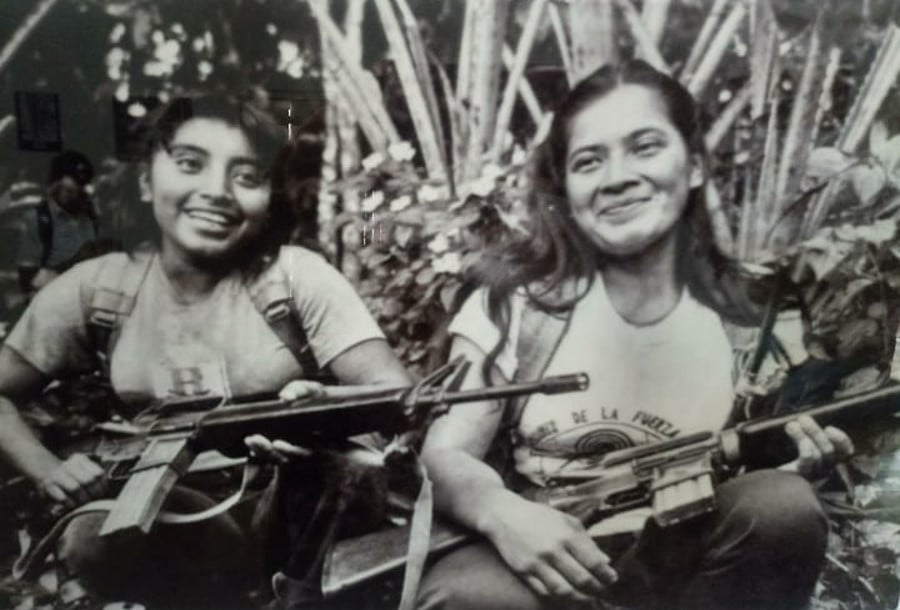
Former guerrilla combatants from the People’s Revolutionary Army (ERP) established the museum to preserve historical objects, documents, photographs, and personal accounts connected to the revolutionary movement and armed conflict.
Over the years, former fighters have helped run the museum and take part in its educational programs. Their stories bring a personal touch that photos and written explanations alone can’t fully show.
Preserving these memories also gives younger Salvadorans an opportunity to explore a period they didn’t experience personally. For older generations, the exhibitions may bring back difficult and deeply personal memories.
What to See Inside the Museum of the Salvadoran Revolution
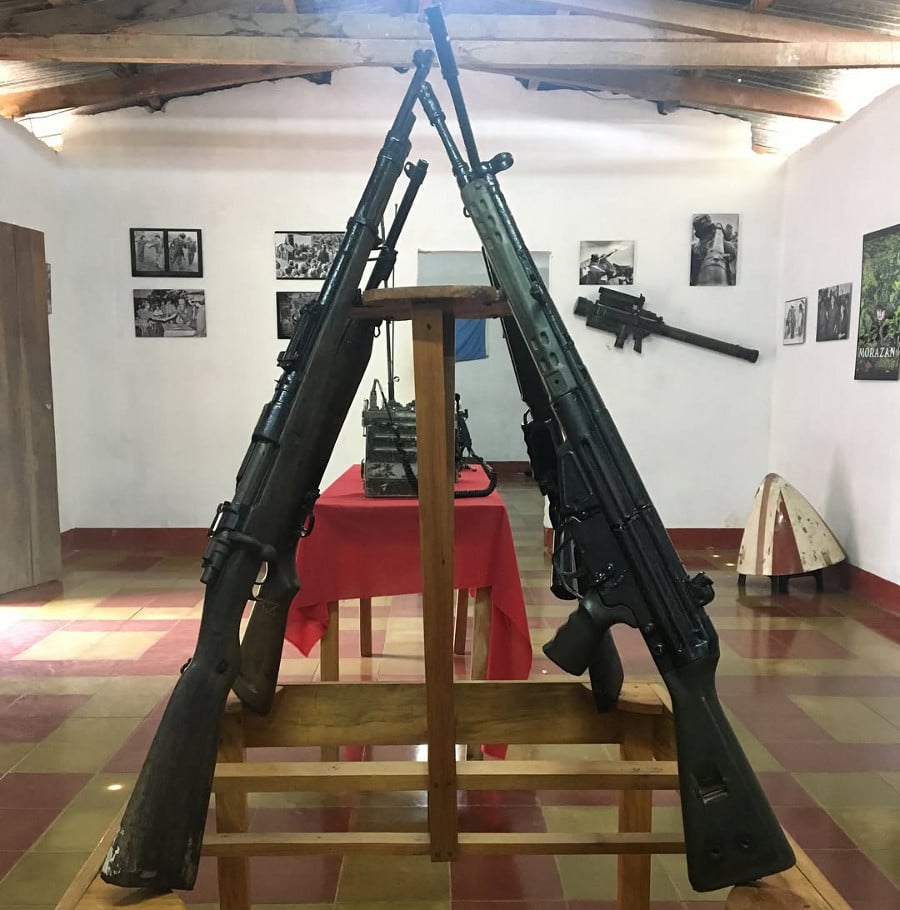
The museum features five exhibition rooms covering historical events, international solidarity, guerrilla camp life, wartime equipment, the peace process, and one of the country’s best-known underground radio stations.
The Origins of the Salvadoran Civil War
The first exhibition looks at the social and political factors that led to the armed conflict. The displays focus on economic inequality, political repression, social exclusion, and violence against civilians.
Historical photos and documents show why tensions grew during the twentieth century. They also help explain how revolutionary groups formed and why opposition to different governments increased.
Another exhibition examines international solidarity through posters and historical materials. These displays illustrate how the Salvadoran conflict attracted attention from political organizations, activists, and supporters well beyond Central America.
Daily Life in Guerrilla Camps
What was daily life like for people in guerrilla camps? This exhibition looks past political events to focus on the real human experiences behind the revolutionary movement.
The museum has personal belongings, old photos, and everyday items showing how fighters lived in tough conditions.
The exhibition also shows how women took part in the movement. They took on many roles during the conflict, challenged traditional gender roles, and helped keep guerrilla communities running day to day.
Wartime Artifacts and the Peace Accords
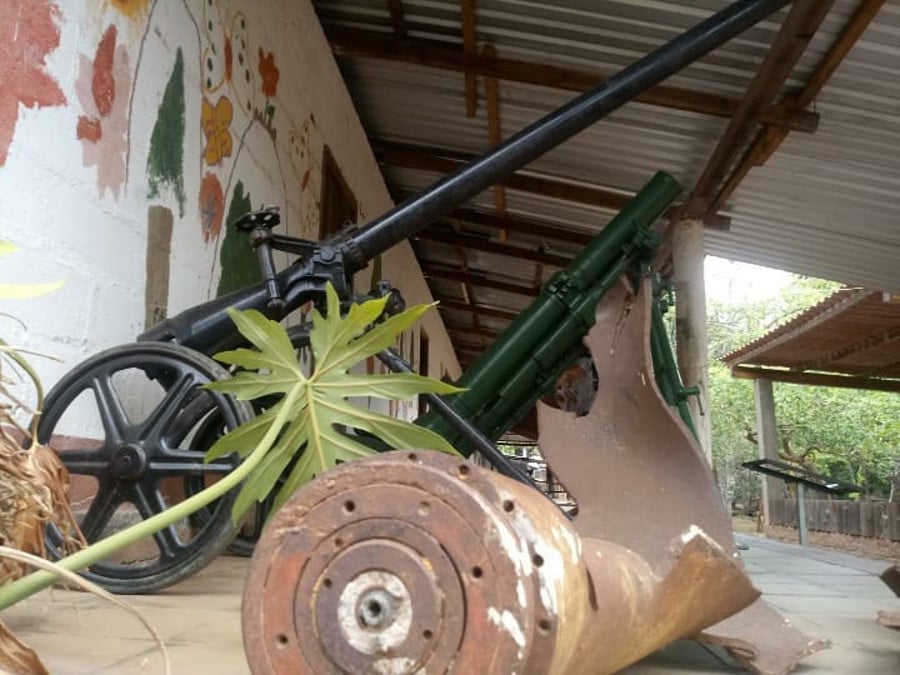
The museum keeps a collection of wartime artifacts that show how large the conflict was and how it related to the bigger political divisions of the Cold War.
The exhibition also looks at how the conflict shifted from fighting to political talks. After years of war, neither side won, so reaching a negotiated agreement became more important.
On January 16, 1992, representatives from the Salvadoran government and the FMLN signed the Peace Accords. This agreement ended the civil war and brought important changes to the country’s institutions and politics.
The Radio Venceremos Exhibition
During the Salvadoran Civil War, Radio Venceremos served as the FMLN’s official underground radio station.
The station began broadcasting on January 10, 1981, in the community of La Guacamaya, Morazán. Its programming included war reports, political messages, interviews, commentary, and revolutionary music.
During El Salvador’s civil war, Radio Venceremos challenged the government’s account of events. The guerrilla movement used the station to share news from its point of view and get its political message out.
Inside the exhibition, visitors can examine historical broadcasting equipment and learn about the people behind the station. It’s an intriguing look at journalism, propaganda, communications, and their relationship with warfare.
If you are interested in media history, this section is worth a closer look. It explores how information gets to the public during conflicts and how different stories can shape what people believe.
Exploring the Museum’s Outdoor Exhibitions
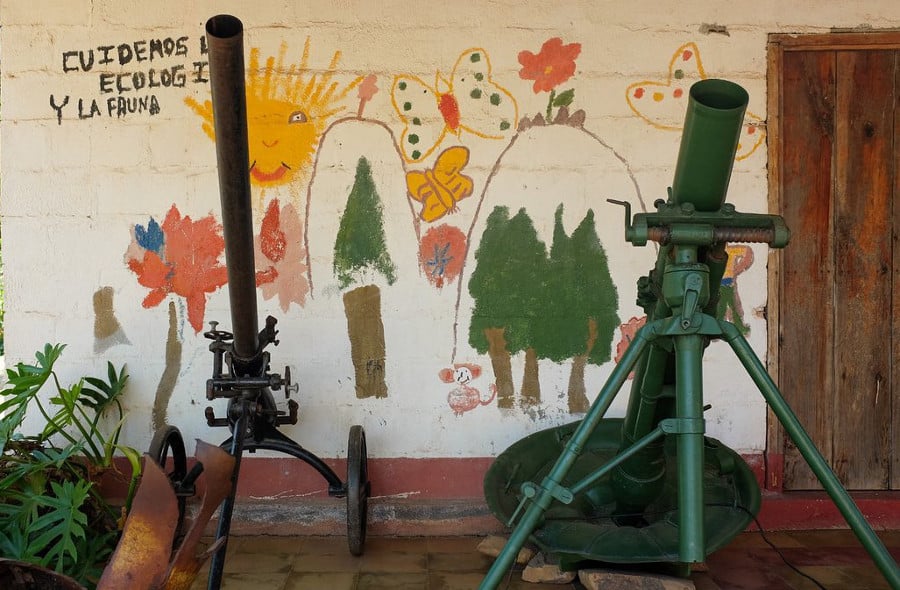
The historical experience extends beyond the exhibition rooms, with larger wartime artifacts displayed in the museum’s open areas. Seeing these objects gives visitors a clearer sense of the conflict’s destructive effects.
Outside the museum, you can see the wreckage of military helicopters and armored vehicles from the war. They’re a reminder that this mountainous region once saw heavy fighting.
The museum grounds also contain a preserved bomb crater dating back to 1981. Standing near this physical scar in the landscape offers a different perspective from looking at historical photographs.
Planning Your Visit to the Museum
Visiting the museum is pretty simple, but getting to northern Morazán does take a bit of planning. The trip to Perquín is enjoyable, especially if you like rural views and peaceful places.
How to Get to the Museum
From San Salvador, take the Pan-American Highway east to San Miguel. Then, head toward San Francisco Gotera and drive north through Morazán until you arrive in Perquín.
If you drive, you’ll have more freedom to visit places nearby. You can also use public transportation, but you might need to switch buses in San Miguel or San Francisco Gotera.
Best Time to Visit
The dry season, from November to April, usually has better weather for exploring the museum’s outdoor exhibits and visiting other attractions in northern Morazán.
During the rainy season, the mountains are greener and the afternoons are cooler. If you plan to visit between May and October, try to arrive in the morning to avoid afternoon rain.
Set aside around two hours for the museum, especially if you enjoy reading historical information and asking questions.
Other Attractions Near the Museum of the Salvadoran Revolution
Perquín is known for more than just its wartime past. When you visit the nearby communities, you’ll find mountain views, traditional Salvadoran dishes, historic sites, and natural spots that make northern Morazán a great place to explore.
Begin your visit with a walk through Perquín’s town center, check out the central park, and try some local food. The laid-back vibe here invites you to take your time instead of hurrying from place to place.
Close to the museum, you’ll find a rebuilt guerrilla camp that shows what life was like during the war. Here, you can see the simple shelters and tough conditions people faced in the mountain camps.
For a change of scenery, head toward the Sapo River near Arambala. Its forested surroundings, rocky riverbed, and natural pools offer opportunities to enjoy one of Morazán’s best-known natural attractions.
Combining historical sites with outdoor experiences is one of the many compelling reasons to visit El Salvador. Northern Morazán brings these experiences together without losing its distinctive rural identity.
The El Mozote Memorial
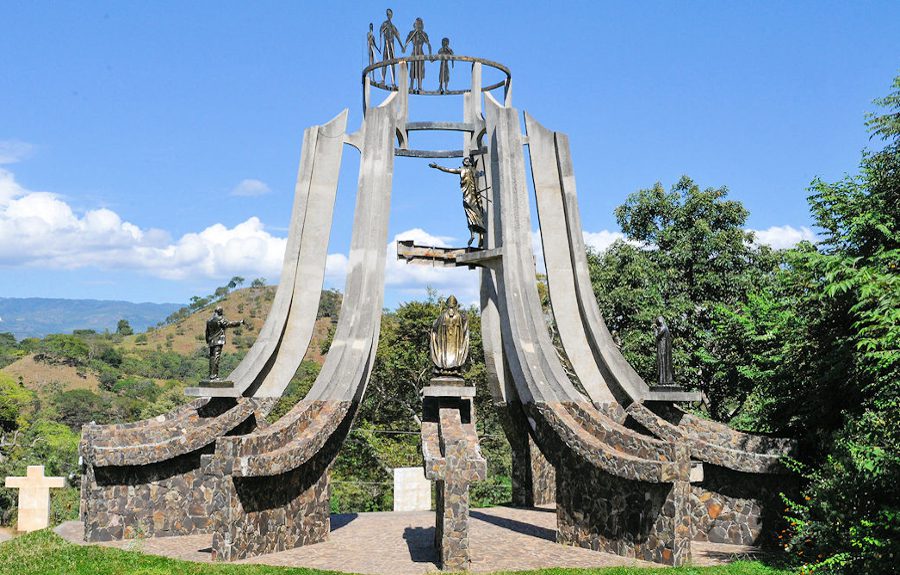
The El Mozote Memorial commemorates the victims of a massacre carried out by Salvadoran military forces in December 1981. Most victims were civilians, including many children from the surrounding communities.
The memorial pays tribute to those who died and helps keep the community’s history alive. Its spaces invite visitors to reflect on how the conflict deeply affected everyday Salvadoran families.
Visiting El Mozote along with the Museum of the Salvadoran Revolution gives a wider view of history. Together, these sites show different sides of the war, especially its lasting impact on people.

Exploring the Peace Route
Perquín is one of the stops along the Peace Route in northern Morazán, also called the Ruta de la Paz. This route links together communities that were shaped by the armed conflict and the peace process that followed.
Along the route, you can stop in mountain towns, visit memorials, and spend time by rivers or in the forest. Arambala, Cacaopera, and Perquín each give you a different look at life in northern Morazán.
If you’re exploring things to see and do in San Salvador before heading east, consider adding a couple of days in Morazán for a different perspective on the country.
Discovering El Salvador’s History Through the Museum of the Salvadoran Revolution
Some of the moments that stay with you after a trip come from learning about a place’s hardest years. In El Salvador, those stories can help you understand how the past still shapes life today.
The Museum of the Salvadoran Revolution lets you explore the country’s past through preserved objects and personal stories. It’s a reminder that history is deeply personal for many people.
The museum doesn’t tell every side of the Salvadoran Civil War. Nevertheless, its collection represents an important perspective that deserves consideration alongside the experiences of civilians and other historical accounts.
Beyond its beaches and volcanoes, El Salvador’s diverse tourism attractions include destinations that reveal the country’s complicated history, cultural identity, and ongoing relationship with its past. Perquín is one such place.
Whether you’re Salvadoran or visiting from abroad, spending time at the museum can deepen your understanding of the country. The war may have ended in 1992, but its history still matters.