 Sapo River in Morazán El Salvador
Located in the mountains of Morazán, the Sapo River is one of El Salvador’s last untouched natural wonders—a turquoise sanctuary of waterfalls, wildlife, and peace that anchors the country’s growing eco-tourism network within the celebrated Ruta de la Paz.
The Sapo River draws nature lovers seeking to reconnect with the country’s unspoiled landscapes and rural tranquility.
Its turquoise waters wind through dense tropical forest, forming natural pools and cascades that make the Sapo River a sanctuary for wildlife and weary travelers alike.
Designated as part of the Río Sapo Protected Area, this river system safeguards endangered species while supplying clean water to nearby rural communities in Morazán.
Visitors come to swim in crystal-clear pools, hike forest trails, and explore hidden waterfalls framed by cliffs alive with birdsong and the scent of wild orchids.
For eco-tourists, it’s more than recreation—it’s immersion in a living ecosystem shaped by volcanic terrain, tropical rain, and community conservation efforts spanning generations.
There are approximately 324 rivers in El Salvador, but most have suffered the effects of pollution and deforestation.
Very few maintain the purity necessary to support wildlife and serve as a water source without posing a health risk.
Among them, the Sapo River, located in Morazán, stands out, earning the title of one of the cleanest rivers in the country.
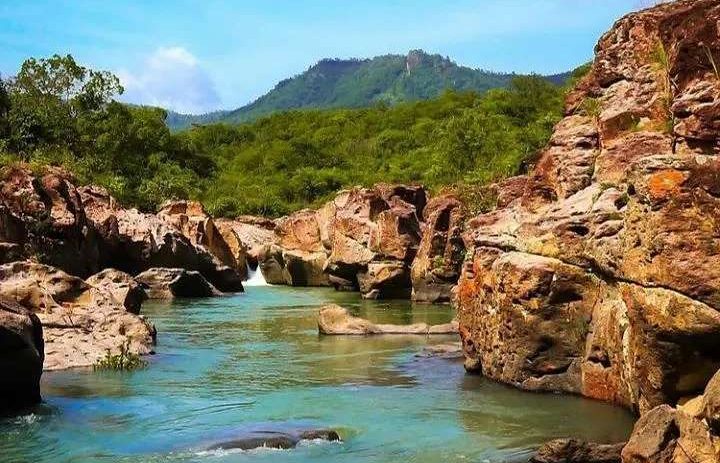
The region around the Sapo River also offers opportunities for wildlife spotting, including rare birds and amphibians thriving in one of El Salvador’s healthiest river systems.
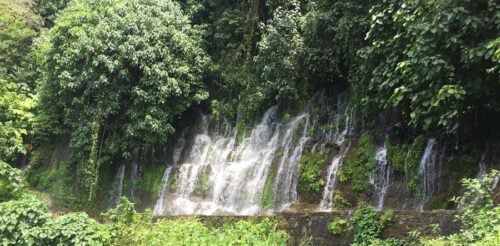
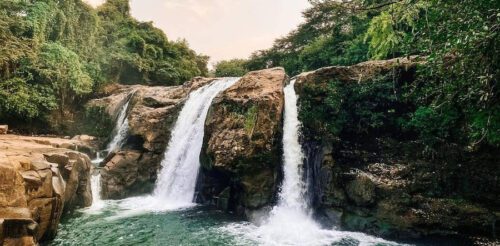
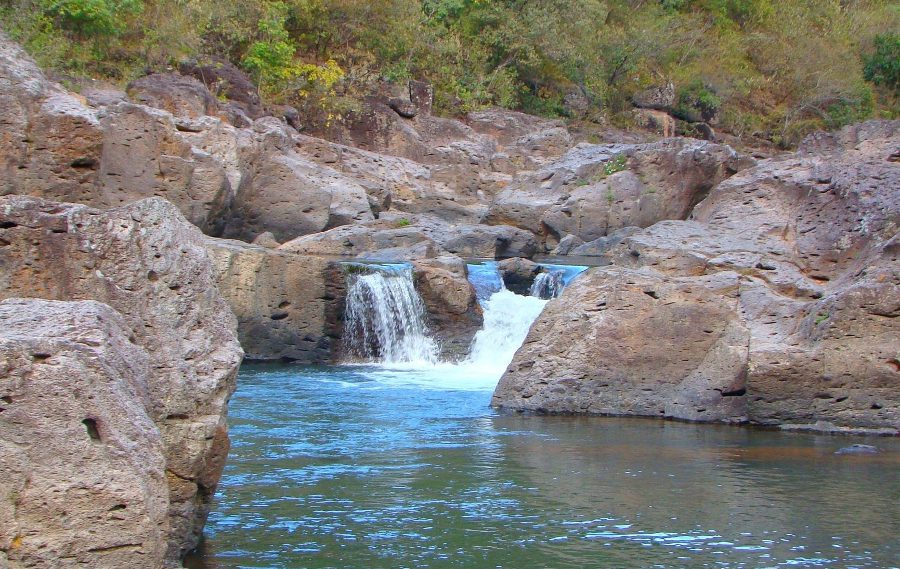
Along its course, the rocks form cascades and pools that resemble natural swimming pools.
Among the most recognizable are Las Pilas, with a 30-meter free fall, and La Olomina, which surprises with two drops of 26 and 9 meters in height.
Accessing the Sapo River is straightforward: from San Salvador, travel east to San Francisco Gotera, then continue to Perquín, and finally head toward Arambala, the gateway to the protected zone.
The best months for visiting are during the dry season, from November to April, when roads are accessible and the river’s clarity reaches postcard-perfect clarity.
Small eco-lodges and family-run hostels in Perquín and Arambala offer comfortable stays, local food, and guides who know every bend of the river.
Morazán’s peaceful atmosphere belies its past as a battleground during the civil war, now transformed into a model of community-led tourism rooted in history and environmental stewardship.
This transformation reflects El Salvador’s broader shift toward sustainable tourism—balancing economic opportunity with respect for nature and the people who live closest to it.
The Sapo River’s clean flow symbolizes resilience—a reminder that El Salvador’s natural wonders endure through care, awareness, and the will of its communities.
Those following the Ruta de la Paz can pair the Sapo River with historic sites in Perquín, where museums honor the peace process that reshaped the region.
The Sapo River flows through the districts of Perquín, Joateca, Arambala, and Meanguera in northern Morazán, spanning over 6,000 hectares of mountainous terrain.
The Sapo River begins in Cueva del Monte, Honduras, as a modest stream that swells with tributaries before entering El Salvador, where it merges with the Guaco River. Together, they form striking cascades and natural pools that now draw eco-tourists from across the country.
More than a destination, the Sapo River stands as a reminder of what El Salvador can still protect. In a nation struggling with water pollution, this clean, living river flows as a symbol of hope, resilience, and national pride.
A visit to the Sapo River is more than a day trip; it’s an act of connection with El Salvador’s living landscapes and the communities that protect them.
Plan your journey and explore other natural wonders through our El Salvador Tourism page, your guide to the country’s most inspiring eco-destinations.