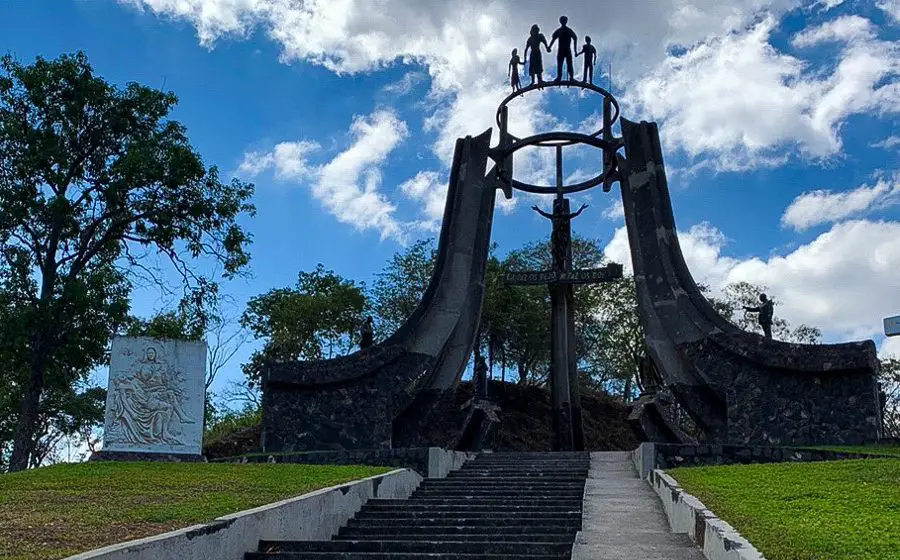
 Peace Route Monument in Morazan
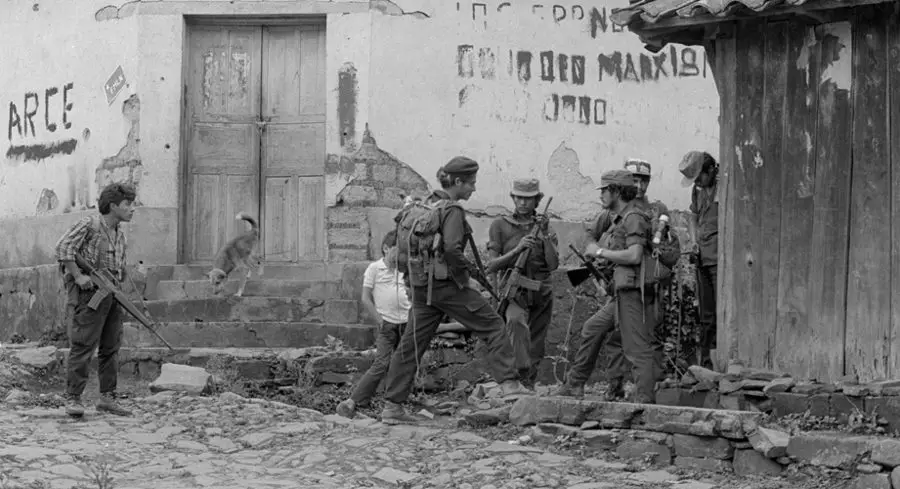
El Salvador’s history is one of violence and resilience. For twelve years, from 1980 to 1992, the country endured a brutal civil war that left deep scars across its people and land.
Yet, from this painful past emerged a remarkable story of renewal—one that can be experienced along The Peace Route, or Ruta de la Paz, in the Morazán department of Eastern El Salvador. This route is part of the “Tourist Routes in El Salvador.”
The Peace Route shows historical and cultural sites from the war. Today, it stands not only as a reminder of the past but as a celebration of peace, reconciliation, and the strength of community.
- What Is the Peace Route?
- Things to Do on the Peace Route
- Six Tourist Circuits of the Peace Route
- History Between Mountains Circuit
- Memories and Landscapes Circuit
- Cacahuatique Villages Circuit
- Lenca Roots Circuit
- Sites and Traditions Circuit
- Kakawira Circuit
- Top Attractions Along the Peace Route
- Museum of the Salvadoran Revolution
- El Mozote Memorial Site
- Peace and Reconciliation Monument
- El Mozote Church
- Perquin
- Other Attractions
- Why the Peace Route Matters to Salvadorans
- Why People Should Visit
What Is the Peace Route in Morazán?
The Salvadoran government created the Peace Route to preserve the historical memory of the civil war and promote tourism that benefits local communities.
The tourist route was designed to transform once-war-torn areas into places for learning and reflection, while also showcasing the region’s ecotourism activities.
Located mainly in Morazán, the route takes visitors through towns and landmarks that once served as the heart of the resistance.
Each stop along the Peace Route tells a story—not only one of hardship and loss, but also of hope, courage, and the determination to build a better future.
By visiting, travelers contribute to local economic development while helping preserve El Salvador’s collective memory of a brutal civil war that cost the lives of over 75,000 Salvadorans.
Top Things to Do on the Peace Route
The top activities to enjoy on the Peace Route include learning, hiking, practicing ecotourism, camping, picnicking, and taking in the stunning scenery.
Learning the history of Morazán along the Peace Route offers insight into El Salvador’s civil war. Museums and memorials reveal stories of resilience, sacrifice, and community rebuilding.
Hiking through the region’s rugged landscapes blends history and nature. Trails lead to former guerrilla camps, rivers, and hidden waterfalls surrounded by dense mountain forests.
Camping and picnicking in Morazán’s tranquil sites allow visitors to slow down and connect with the land. Many locals offer eco-friendly spaces for an immersive outdoor experience.
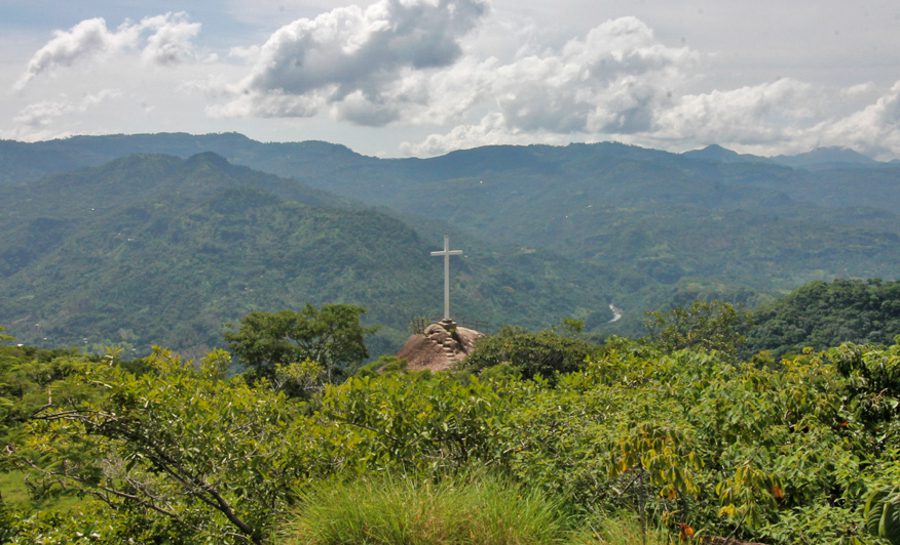
From Perquín to Arambala and throughout the tourist circuits, numerous viewpoints showcase sweeping panoramas of the mountainous terrain—reminders of both hardship and enduring natural beauty.
The Six Tourist Circuits of the Peace Route
The Peace Route has six tourist circuits that include the 26 districts across Morazán, each offering a unique blend of history, culture, and natural beauty that defines the region’s identity.
The History Between Mountains Circuit explores former conflict zones and museums; Memories and Landscapes highlights panoramic views; Cacahuatique Villages and Lenca Roots celebrate indigenous heritage; Archaeological Sites and Traditions preserve ancestral legacy; and Kakawira Circuit showcases community tourism and rural life.
History Between Mountains Circuit
Located in the north of Morazán, the History Between Mountains Circuit covers the districts of Arambala, Perquín, Torola, and San Fernando—villages of Lenca origin rich in history and culture.
Surrounded by pine-covered hills, these picturesque communities invite travelers to explore their customs and hear stories of resilience from the civil war era of the 1980s.
The circuit offers numerous natural attractions, including the Negro, Sapo, and La Joya rivers, the Cañaveral waterfall, and the refreshing La Culebra and Los Manantiales pools.
Tourists can relax at comfortable hotels and restaurants such as El Ocotal and Las Margaritas, or visit scenic lookouts like El Pericón Cabins and El Bordo Farm for sweeping mountain views.
Memories and Landscapes Circuit
The Memories and Landscapes Circuit covers the districts of Meanguera, Jocoaitique, Villa El Rosario, and Joateca—areas deeply marked by El Salvador’s civil war and its enduring stories.
Visitors can explore historic landmarks like El Mozote and the Monument to Peace and Reconciliation, powerful sites that preserve the memory and resilience of local communities.
Beyond its history, the circuit offers breathtaking landscapes, natural pools, and hot springs along the Torola, Araute, Sapo, and San Antonio rivers, perfect for outdoor relaxation.
Agrotourism thrives here, with farms like Finca La Pasarela, Finca Los Mejía, and Finca Integral Las Delicias offering experiences in henequen cultivation and beekeeping.
For sweeping views, visit Vista al Río, Monseñor Romero, and Río Torola viewpoints, or enjoy local crafts at Artesanos de la Laguna and La Trilla Family Recreation Center.
Accommodations include Hotel Portales de Jocoaitique, Hotel Mi Casita, and Posada El Torogoz, while the Friends of the Tourist Center Ruta de Paz provides visitor information and support.
Cacahuatique Villages Circuit
The Cacahuatique Villages Circuit includes the districts of Chilanga, Delicias de Concepción, Osicala, Gualococti, San Simón, and San Isidro—each preserving deep cultural and artistic traditions.
Visitors can experience indigenous and folk groups like the Old Men of August, the Centurions, and the Yeguita, known for their colorful costumes, dances, and symbolic rituals.
Nature lovers will find plenty to explore, from the San Francisco and Torola rivers to waterfalls like Espadín, El Salto, El Chorrón, and pools such as Las Marías and La Redonda.
The circuit’s landscapes include El Picacho Hill and the Cerro Cacahuatique Protected Natural Area, both offering panoramic views and serene hiking experiences.
Agrotourism thrives here, with the San Carlos II Coffee Farm offering guided tours and hands-on experiences in coffee production and henequen cultivation.
Tourists can also shop for handmade mezcal, clay crafts, and hammocks, or unwind at the Mundo Acuático, Tesoro Acuático, and San Lucas del Valle tourist centers.
Lenca Roots Circuit
The Lenca Roots Circuit spans the districts of Guatajiagua, San Carlos, San Francisco Gotera, Sensembra, and Yamabal—towns that proudly preserve their Lenca heritage and ancestral craftsmanship.
Local artisans skillfully create black clay pottery and tule handicrafts, maintaining centuries-old techniques passed down through generations as symbols of cultural identity and community pride.
Visitors can explore the remains of old gold mines, offering a glimpse into the region’s mining history and its role in shaping local livelihoods.
Agriculture thrives here, with traditional cacao, staple grains, and livestock farming sustaining rural families and forming the foundation of the local economy.
Nature enthusiasts can enjoy the Los Amates, San Diego, and San Francisco rivers, or experience rural life through agritourism at Rancho Los Rodríguez and scenic Cerro de La Virgen.
Sites and Traditions Circuit
The Archaeological Sites and Traditions Circuit includes the districts of Corinto, El Divisadero, Jocoro, and Sociedad—destinations rich in history, heritage, and unique cultural traditions.
Visitors can explore the region’s mining legacy, especially in Divisadero and Jocoro, where gold extraction flourished during the first half of the 20th century.
This circuit takes its name from the area’s remarkable archaeological treasures, including the Gruta del Espíritu Santo, where ancient rock art decorates the cave walls with spiritual symbolism.
These towns also preserve Lenca traditions through festivals and folklore, most famously the Jocoro Giant, a beloved figure in Morazán’s local celebrations.
Travelers can stay at the Hotel Corinto, wander the colonial streets of Sociedad, and immerse themselves in the living history of the Jocoro Giantess and her legend.
Kakawira Circuit
The Kakawira Circuit includes the districts of Cacaopera, Lolotiquillo, and Yoloaiquín—an area known for its dramatic rocky landscapes, rolling hills, and breathtaking panoramic valley views.
This region is home to the Kakawira people, an ancient ethnic group whose traditions and cultural expressions define the identity of modern-day Cacaopera.
Visitors can witness traditional dances such as Los Emplumados (The Feathered Ones) and Los Negritos, which preserve centuries-old rituals tied to local folklore and spirituality.
The San Francisco and Torola Rivers traverse the area, offering scenic spots, natural viewpoints, and eco-tourism attractions, such as Laja-Karan and Apalipul Tourist Centers.
In Cacaopera, travelers can explore caves with petroglyphs that reveal the artistic legacy of pre-Hispanic civilizations and enjoy vibrant August festivals celebrating the town’s patron saint.
Top Attractions/Highlights Along the Peace Route
The Peace Route in Morazán leads travelers through powerful landmarks that preserve El Salvador’s history, resilience, and the spirit of peace born from its struggle.
The Museum of the Salvadoran Revolution in Perquín showcases artifacts, photographs, and stories that bring the legacy of the civil war and the courage of the people to life.
At the El Mozote Memorial Site, visitors honor over a thousand victims, while the nearby Church of El Mozote and Peace and Reconciliation Monument stand as symbols of hope.
Finally, the mountain town of Perquín captivates with its cool climate, scenic views, and deep connection to El Salvador’s revolutionary past.
Museum of the Salvadoran Revolution
The Museum of the Salvadoran Revolution stands as a powerful tribute to the heroes and martyrs of El Salvador’s civil conflict, preserving the nation’s collective memory from 1972 to 1992.
Located in the colorful town of Perquín, this museum provides visitors with a profound insight into the country’s struggle for justice, equality, and peace through authentic historical exhibits.
Its five exhibition rooms explore the causes of the war, international solidarity, life in guerrilla camps, conventional weapons and peace accords, and the historic Radio Venceremos.
Outside, visitors can see helicopter remains, armored vehicles, and the crater of a 500-pound bomb, powerful reminders of the war’s human cost and resilience.
El Mozote Memorial Site
The Monument to the Victims of El Mozote is located in the municipality of Meanguera, Morazán, in eastern El Salvador, and stands as a national symbol of remembrance.
This sacred site honors the more than 1,000 civilians—mostly women, children, and the elderly—who the Atlacatl Battalion killed during the civil war.
Built on the site of the former village church, the monument preserves the memory of those lost and promotes reflection on the need for peace and justice.
The memorial features plaques engraved with victims’ names and a sculpture of a family, representing innocence, unity, and the enduring strength of the Salvadoran people.

Peace and Reconciliation Monument
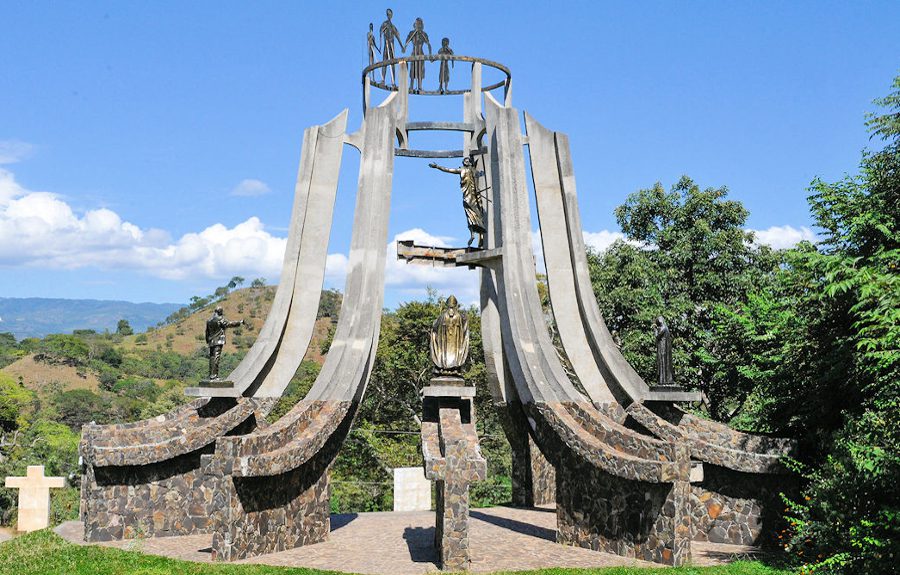
The Holy Innocents Monument of the Peace and Reconciliation Project stands in El Mozote Village, just one kilometer from the leading historic site in Meanguera, Morazán.
The monument was built in memory of the victims of El Salvador’s armed conflict. It serves as a lasting symbol of peace, forgiveness, and national healing.
The monument was funded by a German priestly order and designed by English architects, blending faith and art to promote reflection and reconciliation.
Its fiberglass statues depict global icons of peace and human rights, including Saint John Paul II, Mother Teresa, Martin Luther King Jr., and Mahatma Gandhi.
At its center stands a figure of Jesus Christ with the words, “Peace I leave you, my peace I give unto you,” embodying the site’s spiritual message of hope.
El Mozote Church
The Church of El Mozote is located in the historic center of the village, about 4 kilometers from Arambala and 8.8 kilometers from Perquín.
This sacred site stands as a place of prayer and remembrance for the victims of the tragic El Mozote massacre during El Salvador’s civil war.
Inside the church lies the Garden of Innocent Children, created in honor of the hundreds of children—most under 12 years old—who lost their lives during the massacre conducted by the Salvadoran Army (Atlacatl Battalion).
Each year, from December 11 to 13, the community holds religious and cultural events to honor the victims and promote peace and reconciliation.
Perquin
Perquín is the symbolic center of The Peace Route. Once a guerrilla stronghold has transformed into a peaceful town filled with warmth and hospitality.
Perquin is home to the Museo de la Revolución Salvadoreña (Museum of the Salvadoran Revolution) is a must-visit, while visiting this town.
Visitors should explore Perquín, a small mountain town in Morazán known for its rich revolutionary history, cool climate, welcoming locals, and breathtaking landscapes that blend culture, nature, and memory.
Other Attractions
Beyond its historic landmarks, the Peace Route in Morazán offers stunning natural and cultural attractions that reveal El Salvador’s beauty, spirituality, and deep connection to the land.
The Sapo River invites visitors to swim in clear waters surrounded by tropical forests, making it one of the region’s most pristine eco-tourism destinations.
The Grotto of the Holy Spirit in Corinto captivates with its ancient petroglyphs—mystical symbols carved by pre-Hispanic peoples, offering a glimpse into El Salvador’s ancestral spirituality.
For relaxation, the Los Manantiales Pools and the sweeping vistas from El Pericón Hill and El Conde Lookout complete this unforgettable journey.
Why the Peace Route Matters to Salvadorans
For many Salvadorans, La Ruta de la Paz is not just a tourist attraction—it’s a living testament to resilience. It preserves the memories of those who lived through the conflict while fostering dialogue, education, and healing.
Economically, the route has become a lifeline for rural communities, providing sustainable income through tourism and cultural preservation.
Socially, it reminds Salvadorans — and visitors — that peace is an ongoing commitment, built daily through empathy and collaboration.
Why People Should Visit the Peace Route in Morazán
The Peace Route offers something truly rare: the chance to experience history through the voices of those who lived it. It’s a journey of empathy and discovery—where lessons of the past meet the beauty of El Salvador’s present.
Visitors can expect:
- A blend of history, culture, and nature found nowhere else in Central America.
- Authentic, community-based tourism experiences.
- A safe and welcoming environment shaped by people who have turned pain into purpose.
- Opportunities to make a real impact by supporting local guides, artisans, and families.
By walking this route, you don’t just explore a destination—you honor a story of survival and hope.
The Peace Route in Morazán El Salvador
The Peace Route in El Salvador is more than a travel itinerary—it’s a pilgrimage of remembrance and renewal. It invites you to walk through history, listen to stories of resilience, and witness how a nation has turned its wounds into wisdom.
If you’re seeking meaningful travel that connects heart, history, and humanity, La Ruta de la Paz awaits. Explore it—and discover how peace, once fragile, continues to grow strong in the mountains of El Salvador.