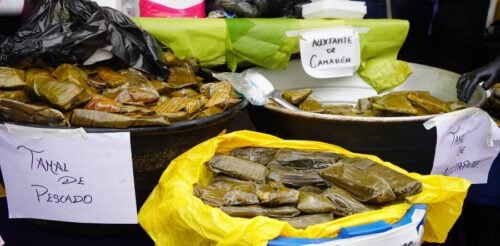
National Pacamara Coffee Day in El Salvador.
National Pacamara Coffee Day falls on March 23 every year in El Salvador. The date honors a coffee variety developed in the country and recognizes the people who grow it.
If you’ve ever seen Pacamara on a café menu, you might’ve wondered what the name means. It comes from two coffee varieties that Salvadoran researchers crossed decades ago, Pacas and Maragogipe.
March 23 offers an excuse to order a cup and ask where it grew. If you’re planning a trip around local flavors, look for food festivals that showcase Salvadoran specialties along the way.
Why El Salvador Celebrates Pacamara on March 23
El Salvador’s Legislative Assembly approved Decree No. 966 on March 12, 2024. The decree established March 23 as an annual observance to promote Salvadoran coffee farming and encourage people to drink Pacamara.
The celebration also reaches beyond El Salvador. Salvadoran embassies and consulates have used the occasion to introduce the coffee to people abroad through cultural events and trade promotion.
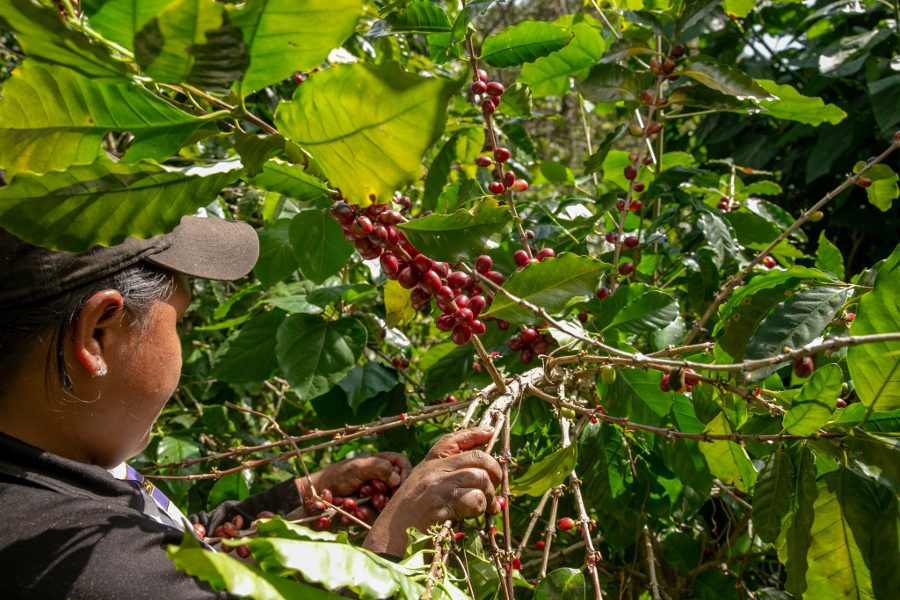
How Salvadoran Researchers Developed Pacamara
Researchers at the Salvadoran Institute for Coffee Research began work on the cross in 1958. They released the variety for the first time in 1980, and its wider launch followed in 1992.
Pacamara is an Arabica variety, and its name combines parts of Pacas and Maragogipe. Its beans are notably large, a trait you can spot if you buy a bag of whole beans.
Farmers grow Pacamara across all six of El Salvador’s coffee regions. The decree singles out the Alotepeque-Metapán mountain range, where the variety is especially prominent.
Pacamara often places near the top in El Salvador’s Cup of Excellence competitions. To see where it fits alongside other varieties, read about the farms and regions behind Salvadoran coffee.
What to Look for When You Order a Cup
Start by asking which farm grew the coffee. Some cafés list the producer and region on the menu or bag, and those details give you a way to find the same coffee again.
If the café has two Pacamaras on offer, try them side by side. Take a sip of each while it’s hot, then come back as it cools and see which one you prefer.
For a midafternoon break, order a cup with quesadilla salvadoreña, a sweet cheese cake. The pairing is an easy way to try one of the baked treats you’ll find in Salvadoran kitchens and bakeries.
Coffee is one part of what you’ll find on a local drinks menu. If you’re curious about what else people order, look for traditional Salvadoran drinks such as horchata and atol.
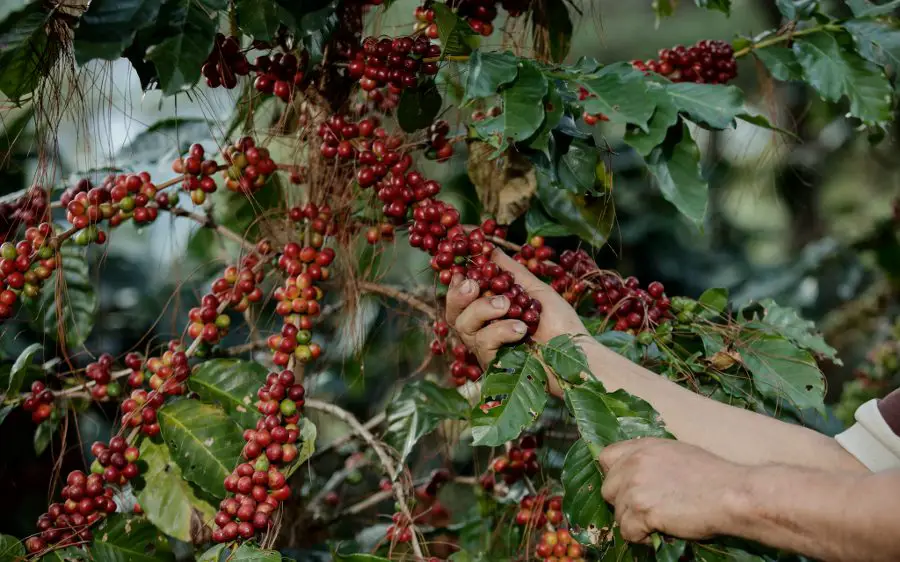
How to mark National Pacamara Coffee Day
If you’re in El Salvador around March 23, ask a local roaster or café whether it plans to serve a Pacamara from a particular farm. If you’re buying beans, check the label for the producer’s name.
You can also call ahead to a coffee farm that receives visitors. Ask whether it grows Pacamara and whether you can taste it during your visit. Availability can vary from one farm to another.
Pacamara Coffee and Salvadoran Culture
Pacamara’s story starts with a cross between two plants, but it takes more than a lab to put that coffee in your cup. Growers, pickers, mill workers, roasters, and baristas all have a hand in it.
That’s part of what makes a cup of Pacamara a good starting point for exploring Salvadoran culture through everyday traditions. Ask where the beans came from, and you might leave with a farm name to remember.