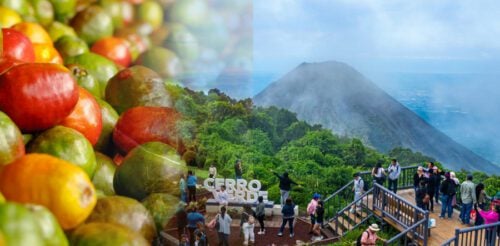
Day of the Cross in San Miguel.
Festivals in El Salvador bring communities together through colorful parades, religious ceremonies, traditional music, and celebrations that reflect the country’s history, beliefs, and strong sense of cultural identity.
Throughout the year, towns and cities across El Salvador come alive with festivals celebrating patron saints and traditions passed down for generations. Some draw crowds from around the country, while others bring local communities together.
These celebrations give visitors a chance to experience the cultural traditions that make festivals in El Salvador so special. They bring families and neighbors together to celebrate their faith, share traditions, and show pride in their communities.
- Overview of Festivals in El Salvador
- Religious Festivals in El Salvador
- Traditional and Cultural Festivals in El Salvador
- Patron Saint Festivals in El Salvador
- National and Civic Celebrations in El Salvador
- Festival Traditions and Customs in El Salvador
- When Are Festivals Celebrated in El Salvador?
- Celebrating El Salvador’s Cultural Heritage
Overview of Festivals in El Salvador
Festivals are a big part of life in El Salvador. They bring families, neighbors, and visitors together while keeping alive the traditions that local communities have passed down for generations.
Many celebrations have strong Catholic roots, but you’ll also find Indigenous influences, local folklore, and customs that have become part of Salvadoran culture over the centuries.
Every town celebrates a little differently, but you’ll notice plenty of familiar sights: colorful decorations, lively streets, traditional music, religious events, and families gathering to enjoy the festivities together.
The Role of Festivals in Salvadoran Culture
For many Salvadorans, festivals are about much more than celebrating once a year. They bring people closer to their hometowns, remind them of family memories, and keep traditions passed down through generations alive.
Weeks before the celebrations begin, locals get busy decorating streets, planning processions, practicing performances, and organizing community events.
Salvadorans living abroad also stay connected to these traditions. Many travel back home for major festivals.
What Makes Salvadoran Festivals Unique?
One thing that makes Salvadoran festivals special is how they bring religion and community celebrations together. You might see a solemn religious procession in the morning, followed by music, colorful parades, and lively entertainment later in the day.
Local traditions also play a big role. Even neighboring towns celebrate the same religious holidays in their own ways, adding unique decorations, traditional characters, and customs passed down through generations.
That’s what makes exploring festivals across El Salvador so interesting. You’ll notice familiar traditions wherever you go, but each town has something different to offer.
Religious Festivals in El Salvador
Religion has shaped Salvadoran celebrations for centuries, especially Catholic traditions that arrived during colonial times. Today, communities across El Salvador continue to celebrate their faith through religious festivals that remain an important part of local culture.
Some commemorate significant moments in Christianity, while others honor patron saints or religious figures associated with particular towns and cities.
Holy Week (Semana Santa)
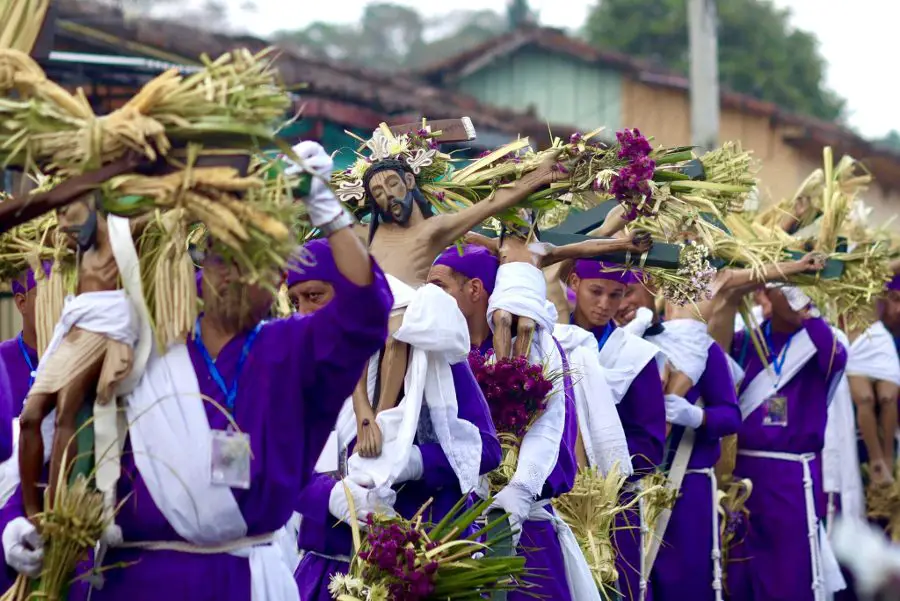
Holy Week is among El Salvador’s most significant religious observances. Celebrated in March or April, it commemorates the final days of Jesus Christ’s life, his crucifixion, and resurrection.
Churches across the country hold processions, prayer services, and religious ceremonies. Local communities also decorate the streets with colorful sawdust carpets, called alfombras, creating beautiful designs along the routes where processions take place.
These colorful carpets often depict biblical scenes, religious symbols, and intricate geometric designs. Families and community groups work together to complete them before the processions begin.
Fiestas Agostinas in San Salvador
The Fiestas Agostinas take place in early August and honor the Divine Savior of the World, the patron of San Salvador and an important religious symbol for the country.
The celebrations combine religious ceremonies with parades, amusement rides, concerts, and other public activities. They rank among the capital’s most recognizable annual festivities.
A central religious tradition is La Bajada, a ceremony associated with the Transfiguration of Jesus, celebrated on August 5 as part of the festivities.
Day of the Cross (Día de la Cruz)
Celebrated on May 3, Día de la Cruz combines Catholic symbolism with traditions associated with the agricultural calendar and the arrival of the rainy season.
Families decorate wooden crosses with colorful paper, fresh flowers, and seasonal fruits. You can spot these beautiful displays in homes, neighborhoods, and community spaces throughout the celebration.
The tradition has deep cultural roots, but not every region celebrates it the same way. In some communities, families keep it alive by gathering together, praying, and decorating their crosses.
Christmas and Las Posadas
Throughout December, families and communities across El Salvador come together to celebrate Christmas with colorful decorations, music, religious traditions, and lively neighborhood gatherings.
One of the most cherished traditions is Las Posadas, which recreates Mary and Joseph’s search for shelter before Jesus was born. Families visit homes, sing traditional songs, pray together, and enjoy festive gatherings.
Many Salvadoran communities also organize nativity displays, church services, and Christmas activities, keeping familiar traditions alive across generations.

Traditional and Cultural Festivals in El Salvador
Beyond the big religious celebrations, towns across El Salvador host their own unique festivals, bringing local folklore, history, and traditions to life.
These festivals give visitors a chance to experience a different side of El Salvador, away from the country’s more famous national celebrations.
Flowers and Palms Festival in Panchimalco
The Flowers and Palms Festival, known locally as Festival de las Flores y Palmas, takes place in Panchimalco, a town south of San Salvador.
Usually celebrated in May, the festival honors the Virgin Mary and showcases traditions associated with the town’s cultural heritage.
Residents decorate streets and religious spaces with flowers and palms. Traditional clothing, music, artistic performances, and community participation contribute to the celebration’s distinctive character.
Calabiuza Festival in Tonacatepeque
Tonacatepeque hosts one of El Salvador’s most unusual cultural celebrations: the Festival de la Calabiuza, traditionally held in November.
The festival highlights Salvadoran folklore through nighttime parades, costumes, and characters inspired by traditional legends, including La Siguanaba and El Cipitío.
Participants often wear handmade costumes and carry decorated gourds resembling skulls. The celebration offers visitors an opportunity to discover local stories and supernatural characters passed down through generations.
Festival de los Farolitos
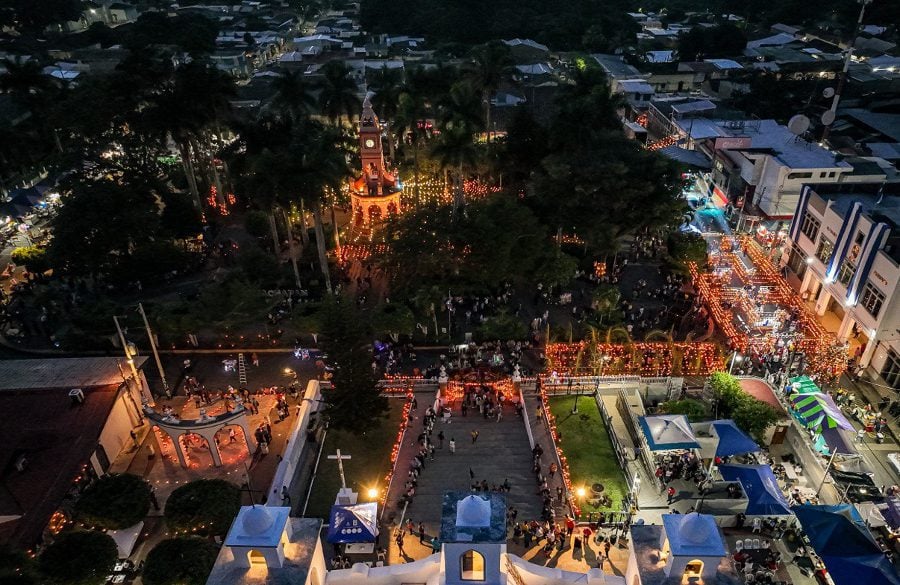
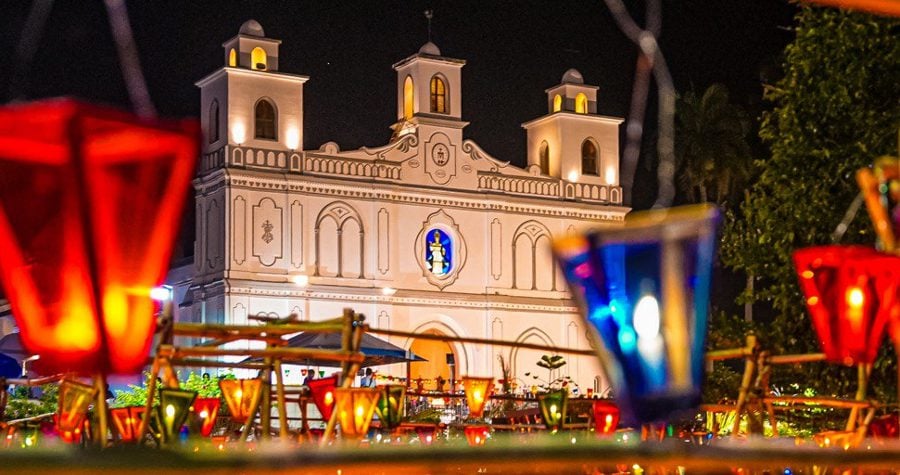
Every September 7, Ahuachapán and several nearby communities celebrate the Festival de los Farolitos, one of the country’s most visually memorable traditions.
Residents decorate homes, sidewalks, and public spaces with handmade lanterns, creating beautiful displays of light after sunset.
The festival has religious associations with the Virgin Mary’s birth, while its lantern-making traditions have become an important expression of community identity.
Bolas de Fuego Festival in Nejapa
Every August 31, Nejapa comes alive with its famous Bolas de Fuego festival. The celebration draws crowds eager to experience one of El Salvador’s most unusual and exciting traditions.
During the festival, participants throw burning, fuel-soaked balls through the streets in organized displays.
Some locals connect the tradition to Nejapa’s volcanic past, while others believe it has religious and historical roots. These different stories add to the festival’s unique character.
Today, the Bolas de Fuego festival remains a big part of Nejapa’s identity. It continues to attract visitors from across El Salvador and beyond, keeping this remarkable local tradition alive.
Patron Saint Festivals in El Salvador
Patron saint festivals, commonly called fiestas patronales, are among the most widespread celebrations in El Salvador.
Nearly every municipality has traditions honoring its patron saint or religious protector. These celebrations often combine Catholic ceremonies with entertainment and community gatherings.
What Are Patron Saint Festivals?
Fiestas patronales are annual celebrations dedicated to a town’s patron saint or religious figure. Their origins generally reflect the country’s Catholic history and local community traditions.
The dates vary according to the saint being honored, meaning Salvadorans can experience patron saint celebrations in different communities throughout the year.
Common Traditions During Patron Saint Celebrations
Many patron saint festivals feature religious processions, church services, decorated streets, music, and traditional entertainment.
Local committees, municipal authorities, churches, and neighborhood groups often organize different activities, giving residents opportunities to participate in preparing and celebrating the festivities.
Some towns also select festival queens, organize parades, and host public performances.
Popular Patron Saint Festivals Across El Salvador
San Salvador’s Fiestas Agostinas are among the best-known examples, but cities such as Santa Ana, San Miguel, and Sonsonate also maintain important annual celebrations.
Santa Ana celebrates its patron saint festivities every July, while San Miguel comes alive in November with its famous Carnaval de San Miguel.
Smaller towns have plenty to offer, too. Their celebrations feel more personal, giving visitors a chance to experience local traditions, meet residents, and see how communities celebrate their heritage.
National and Civic Celebrations in El Salvador
Not all major celebrations in El Salvador have religious roots. Salvadorans also come together for national holidays and civic events.
These celebrations focus on the country’s history, national pride, and shared traditions rather than honoring a particular saint.
El Salvador Independence Day Celebrations
El Salvador celebrates Independence Day on September 15, commemorating Central America’s declaration of independence from Spain in 1821.
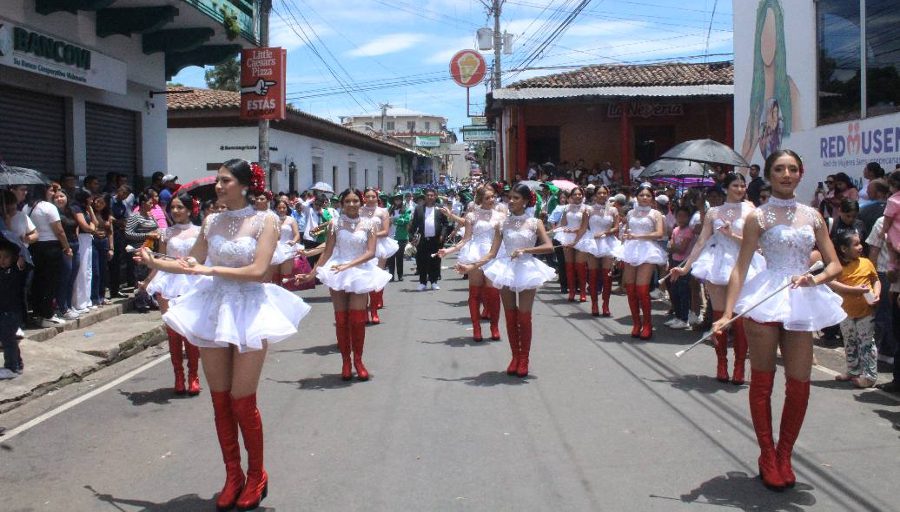
Schools, government offices, and local communities come together to celebrate Independence Day with marching bands, colorful parades, and ceremonies honoring the national flag.
Students take center stage in many of these celebrations, while families gather to watch and cheer them on. It’s a special tradition that brings Salvadoran communities together year after year.
Civic Parades and School Celebrations
Civic parades are a big part of life in El Salvador, especially during September’s independence celebrations.
Students, teachers, marching bands, and local communities come together to celebrate the country’s history, show their national pride, and keep Salvadoran traditions alive.
Although these gatherings differ from religious festivals, they contribute to the country’s broader tradition of celebrating important occasions collectively.
Festival Traditions and Customs in El Salvador
Despite their differences, Salvadoran festivals share customs that help define the country’s celebrations.
Understanding these traditions gives visitors a better appreciation of the activities they encounter in towns and cities throughout the year.
Religious Processions and Ceremonies
Religious processions are a big part of many festivals in El Salvador. People carry sacred images through the streets while families come together to watch, pray, or walk alongside the procession.
The atmosphere varies depending on the occasion. Some processions are solemn and reflective, while others include music, decorations, and expressions of celebration.
Traditional Music, Dance, and Costumes
Music and dance contribute to the atmosphere of many cultural festivals, particularly those highlighting regional traditions and folklore.
Traditional clothing, artistic performances, and community dance groups help preserve cultural expressions that might otherwise disappear from everyday life.
Parades, Fireworks, and Street Celebrations
Colorful parades, fireworks, and street performances bring excitement to patron saint festivals and other community celebrations across El Salvador.
During these festivities, streets and public squares come alive as neighbors get together, families enjoy the celebrations, and visitors get a taste of local traditions.
When Are Festivals Celebrated in El Salvador?
El Salvador celebrates festivals throughout the year, making it possible to experience cultural traditions during different seasons.
Some events follow fixed calendar dates, while others depend on the religious calendar or schedules established by local organizers.
| Festival | Traditional Date or Month | Location |
|---|---|---|
| Holy Week | March or April | Nationwide |
| Día de la Cruz | May 3 | Various communities |
| Flowers and Palms Festival | May | Panchimalco |
| Santa Ana Patron Saint Festivities | July | Santa Ana |
| Fiestas Agostinas | Early August | San Salvador |
| Bolas de Fuego | August 31 | Nejapa |
| Festival de los Farolitos | September 7 | Ahuachapán and nearby communities |
| Independence Day | September 15 | Nationwide |
| Calabiuza Festival | November 1 | Tonacatepeque |
| San Miguel Carnival | November | San Miguel |
| Christmas and Las Posadas | December | Nationwide |
Festivals With Dates That Change Each Year
Holy Week follows the Christian liturgical calendar, so its dates change annually. The Flowers and Palms Festival and some other community celebrations may also vary.
Before planning your trip, check festival dates with local tourism offices, authorities, or organizers, especially if you don’t want to miss a particular procession or cultural performance.
Celebrating El Salvador’s Cultural Heritage
Festivals in El Salvador bring the country’s history, faith, and traditions to life. These celebrations are a big part of everyday life.
From the colorful lanterns lighting up Ahuachapán’s streets to the religious processions during Holy Week, Salvadorans celebrate their heritage in ways that keep local customs alive.
Whether you’re exploring a busy city or wandering through a small town, joining a local festival is a great way to meet people, experience Salvadoran traditions, and make lasting memories.