 Día de Los Farolitos in Ahuachapan.
Every September, thousands of lanterns transform the Ahuachán Center Municipality into one of El Salvador’s most captivating destinations.
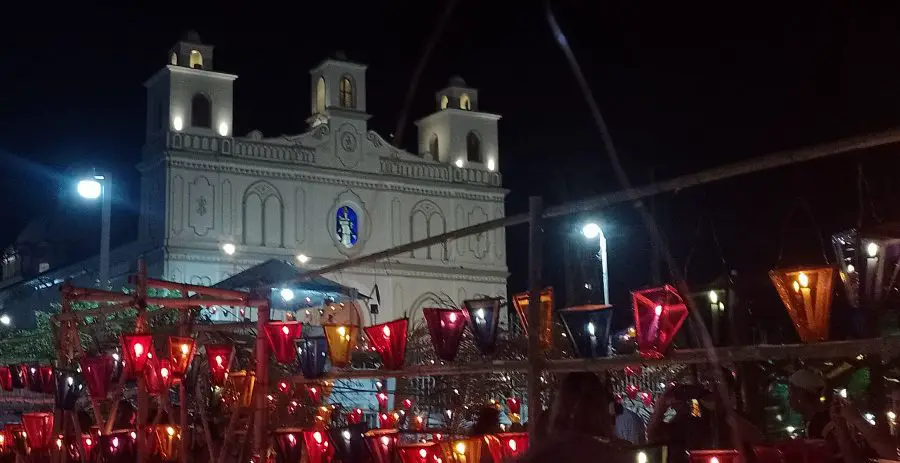
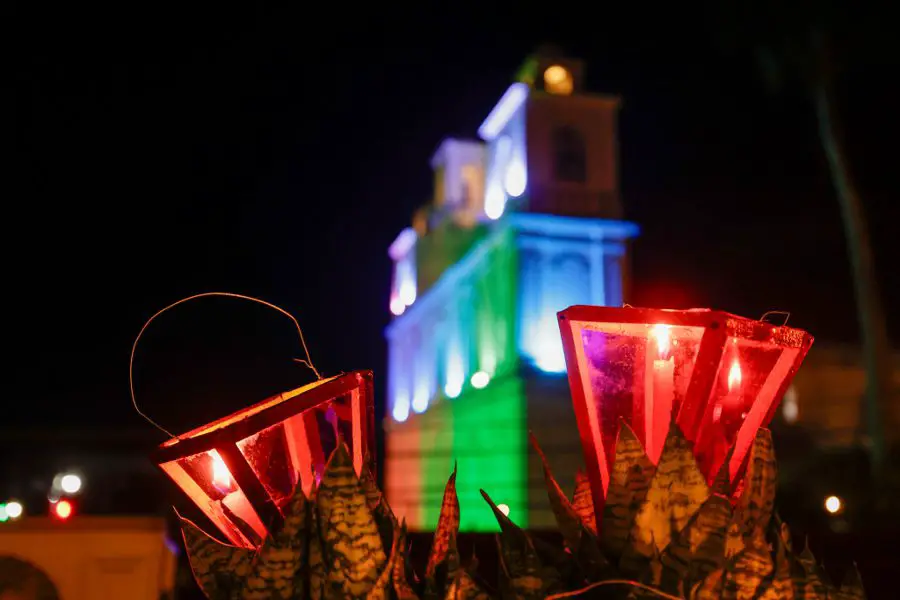
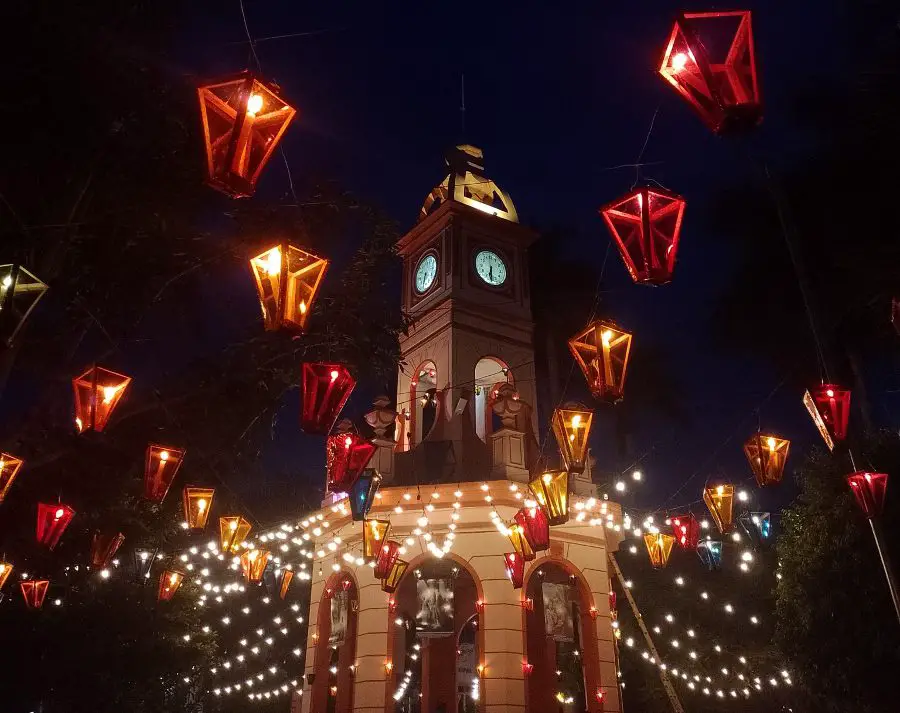
During the colorful Day of the Lanterns or Día de los Farolitos, the streets, homes, churches, and plazas glow with handmade lanterns, creating a stunning visual display.
The Day of the Lanterns combines Catholic devotion, Salvadoran traditions, community participation, and tourism. It is a celebration that has been part of Ahuachán’s cultural identity for generations.
Ahuachapan is the primary city recommended for experiencing this festival; however, other small towns along the Flowers Route, such as Ataco, Apaneca, and Tacuba, also celebrate El Día de los Farolitos on September 7—each with its own celebratory approach.
2026 Day of the Lanterns or Día de Los Farolitos
From September 5 to 8, the municipality of Ahuachapán Center will celebrate the 2026 Día de los Farolitos with several days of activities. The main celebration will take place on the night of September 7.
The Ahuachapán Center city hall is already preparing for one of its most anticipated celebrations of the year. Streets and public spaces will come alive with handcrafted lanterns, colorful displays, local traditions, and cultural activities.
This year’s celebrations will take place in the districts of Ahuachapán, Concepción de Ataco, Apaneca, and Tacuba. Each of the districts will offer visitors a different way to experience the tradition
When Is the Festival de los Farolitos Celebrated?
The main celebration takes place every September 7, one Day before Catholics observe the Nativity of the Virgin Mary. Once darkness arrives, residents begin illuminating homes, streets, churches, parks, and other public spaces.
September 7 remains the main Day for the celebrations, but the festivities often go beyond just one evening. Local authorities and cultural groups also organize concerts, parades, exhibitions, live performances, and other activities around the main event.
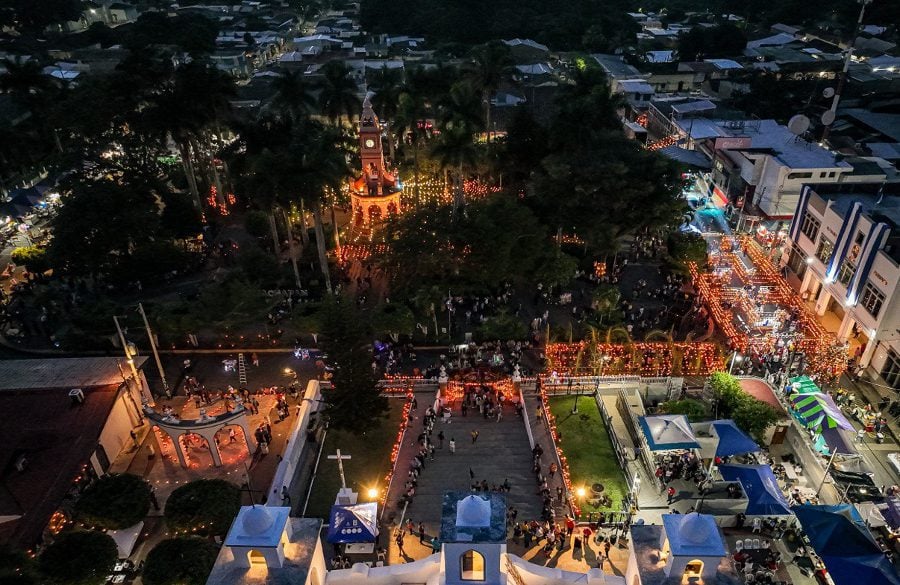
For visitors, nighttime is when the festival really comes to life. As the sun goes down, thousands of colorful farolitos light up the districts of the Ahuachapán Center municipality, filling the streets with families, vendors, musicians, photographers, and visitors enjoying the displays.
The Origins of the Farolitos Tradition
The origin of this tradition is uncertain, but two main views attempt to explain how the festivity began. One theory attributes it to the area’s strong religious roots. Another suggests it began with a natural phenomenon that led locals to use candles.
Religious Roots.
Many believe the tradition originated in 1893, when an image of the Virgin Mary, also known as the Virgin of Mercy, was brought from Guatemala. The faithful Jesús de Eguizábal was in charge of the relic, and that same year, he placed lanterns on it to symbolize faith and the Birth of the Virgin Mary.
Natural Phenomenon.
It is said that around 1850, an earthquake struck the municipality of Ahuachapan. The earthquake was so strong that it forced the inhabitants to sleep in the streets, lit only by candles. In response, residents prayed to the Virgin Mary for protection. They vowed to honor her every September 7 in gratitude for safeguarding them.
A Celebration Dedicated to the Virgin Mary
Although the Festival de los Farolitos has become a popular cultural and tourist attraction, its religious roots are still an important part of the celebration. The festival honors the Virgin Mary on the evening before the Catholic celebration of her birth.
For many people, farolitos are more than just colorful decorations. Their lights symbolize faith, gratitude, and devotion, linking today’s celebration to generations of Salvadorans who have preserved this special tradition.
A Tradition Beyond the City of Ahuachán
Although Ahuachapán is the historical heart of the Farolitos tradition, the celebration also reaches nearby communities.
Under El Salvador’s current municipal structure, Ahuachapán Centro includes the districts of Ahuachapán, Apaneca, Concepción de Ataco, and Tacuba.
Visitors can enjoy the farolitos in several communities across this part of western El Salvador. Apaneca and Concepción de Ataco are especially popular because of their colorful architecture, mountain scenery, and tourist-friendly atmosphere.
Still, Ahuachapán is the main place to experience the history behind the tradition.
An Intangible Cultural Heritage of El Salvador
The national importance of Los Farolitos received formal recognition in 2014. Through Legislative Decree No. 783, the Salvadoran Legislative Assembly declared the September 7 tradition in Ahuachán part of El Salvador’s Intangible Cultural Heritage.
The tradition received additional recognition in 2024, when lawmakers approved declaring Ahuachán Centro the Capital of the Republic of El Salvador for one Day in connection with the annual September 7 festivities.
Why the Festival de los Farolitos Is Special
One of the best things about the Festival de los Farolitos is how involved residents are. Families decorate their homes, artisans make colorful lanterns, churches prepare religious displays, and entire neighborhoods work together to transform their streets.
For visitors, the festival is a chance to experience Salvadoran culture up close. Faith, history, traditional food, craftsmanship, family customs, and community pride all come together in the streets of Ahuachapán Centro during this special celebration.
More than 170 years after its commonly accepted beginnings, the Festival de los Farolitos continues illuminating western El Salvador each September. Its enduring appeal comes not simply from thousands of lanterns, but from what they represent.
The Day of the Lanterns, El Día de los Farolitos, is more than just a visual extravaganza; it celebrates community, faith, and Salvadoran tradition. This is a must-see cultural event for anyone visiting Ahuachapan or El Salvador in early September.