 Nejapa Balls of Fire Festival.
The Nejapa Balls of Fire Festival stands out as one of El Salvador’s most unique celebrations. It is a must-see event held every year on August 31.
Known locally as Bolas de Fuego, this annual event attracts Salvadorans and international visitors. It’s among the most distinctive traditional festivals in El Salvador.
The celebration combines local history, religious beliefs, and a spectacular display of fire. Beyond the excitement, it represents a tradition that Nejapa residents have preserved for generations.
What Is the Nejapa Balls of Fire Festival?
Every year, Nejapa hosts a festival where people throw burning balls at each other. This unique event draws large crowds to the town, which is close to San Salvador.
Instead of parades or dancing, Nejapa’s festival is all about an organized fireball fight. People take part in this local tradition while others come to watch the action.
Think about having a snowball fight, but instead of tossing snowballs, you use balls engulfed in kerosene and on fire. Yes, the two opposing teams fight each other with these fireballs. Fun, is it?
The festival takes place every August 31 in Nejapa, in the San Salvador department. The celebration traditionally unfolds around the town’s central streets and public spaces.
Visitors can explore Nejapa, El Salvador, before the evening activities begin. Local organizers determine the exact schedule, viewing areas, and additional events each year.
For people in Nejapa, this celebration is more than just entertainment. It brings generations together through a tradition that shows the community’s history, beliefs, and strong identity.
History and Origins of the Nejapa Balls of Fire Festival
The festival began because of Nejapa’s volcanic history and its religious traditions. People in the community say the celebration is linked to events from centuries ago that shaped their history.
Although the volcanic events occurred much earlier, the organized fireball tradition is generally traced to 1922. Over time, the celebration became one of Nejapa’s best-known cultural expressions.
The Volcanic Eruption Legend
Local tradition links the festival to the 1658 eruption of El Playón, a volcanic area near the San Salvador volcano. This eruption impacted nearby settlements.
Popular stories say that residents remembered the volcanic eruption with symbolic celebrations. These accounts show why the festival is tied to Nejapa’s history, even though historians have different views.
The historical account says that in 1658, the El Playón volcano erupted and forced the people of the old Nejapa village, called Nixapa, to move and settle where they live now. The festival is a way to remember that disaster.
The Religious Traditions Behind the Festival
Some people link the celebration to Saint Jerome, or San Jerónimo, who is Nejapa’s patron saint. In some traditions, the fireballs stand for spiritual conflict.
These religious stories coexist with accounts of the volcanic eruption. Together, they give the festival a distinctive identity shaped by local beliefs, historical memory, and community storytelling.
According to the religious story, when the volcano erupted, Saint Jerome fought the devil with fireballs while lava poured into the village. The Balls of Fire celebration reenacts the fight between good and evil.
How Is the Nejapa Balls of Fire Festival Celebrated?
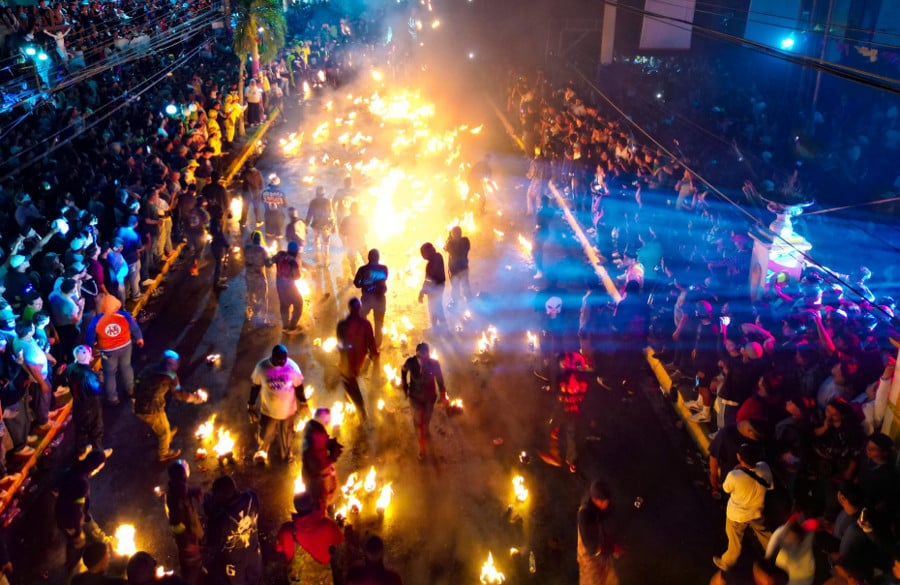
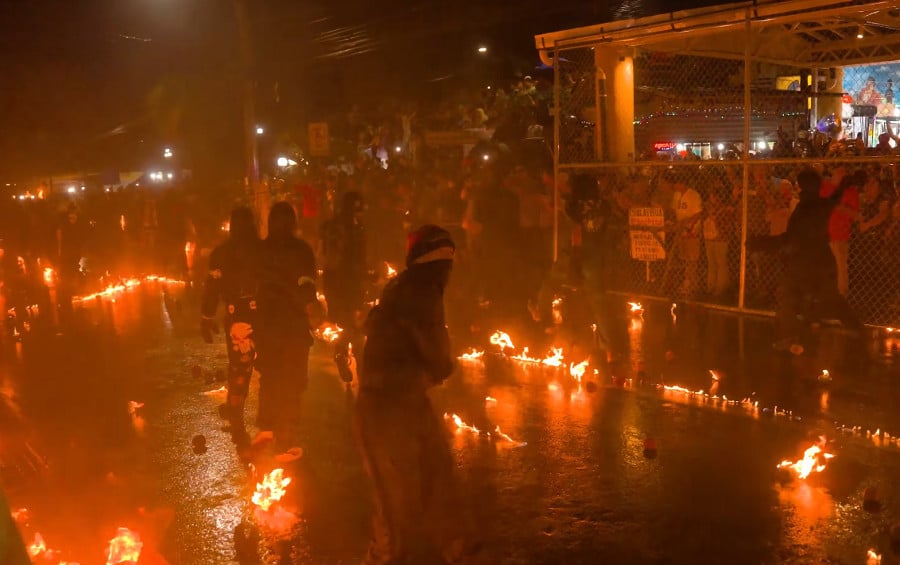
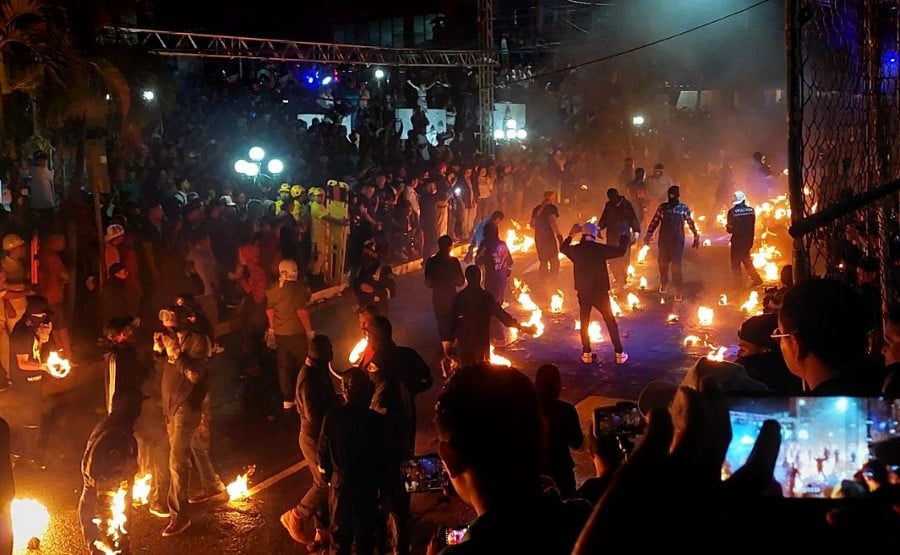
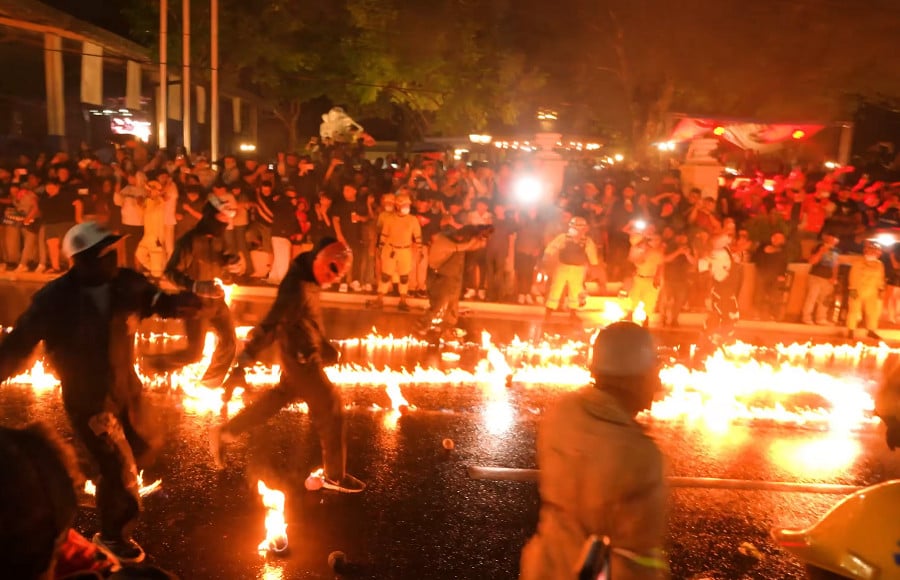
The highlight of the festival is the nighttime event where participants throw burning balls of fire at each other. Spectators gather in the designated area to watch the display of fire.
The celebration may also include music, food vendors, and community activities. Like other holidays and celebrations in El Salvador, it brings families and neighbors together.
The Traditional Fireball Battle
In the battle, people throw burning balls made from fabric or other materials soaked in flammable substances. The sight of the flames moving through the night streets is dramatic and memorable.
Participants follow local organizational practices and take precautions before entering the battle. Visitors should watch from authorized locations rather than approaching the active throwing area.
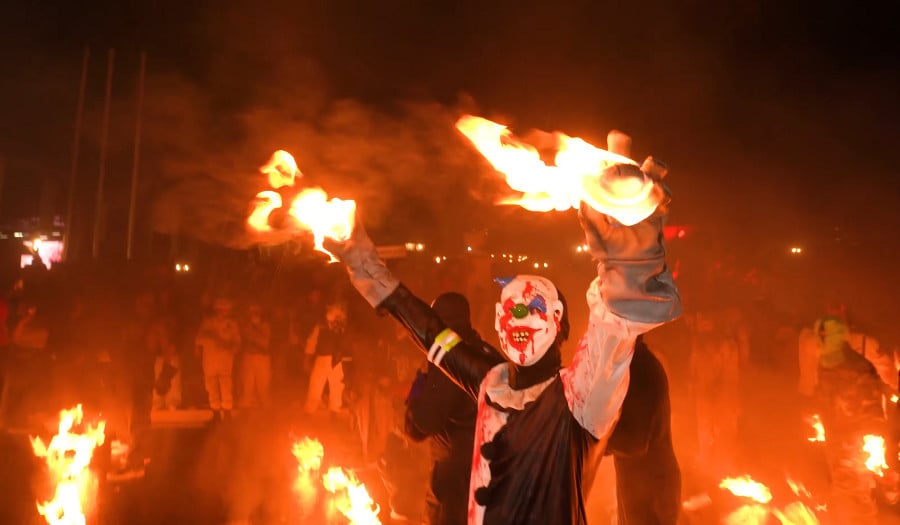
Participants usually wear clothes that cover their bodies, along with gloves, face coverings, or other protective gear. These steps help lower the risk of getting burned during the battle.
Some people also paint their faces or wear unique outfits, which brings a theatrical feel to the celebration. Still, wearing protective clothing does not remove all the risks that come with burning objects.
What Do the Balls of Fire Symbolize?
The burning balls are tied to Nejapa’s history and religious beliefs. They show how people keep memories alive by passing down traditions from one generation to the next.
People have come up with different ways to explain the celebration. Some focus on the area’s volcanic past, while others point to religious stories about the town’s patron saint.
The festival’s fiery imagery recalls the volcanic activity that affected the region centuries ago. Local accounts connect the burning balls with memories of the 1658 eruption.
Although the modern celebration developed much later, the volcanic connection remains an important part of its identity. It gives the tradition historical significance beyond the spectacle itself.
Visiting the Nejapa Balls of Fire Festival
Visitors interested in attending should plan around the August 31 celebration. Because the event involves open flames and large gatherings, preparation and attention to safety are essential.
The festival offers an unusual cultural experience, but it isn’t a typical street performance. Spectators should respect local instructions and understand the risks before attending.
The fireball battle usually happens on certain streets near the center of Nejapa. Each year, organizers set up where spectators can stand and mark off safety boundaries.
If you arrive early, you’ll have time to get familiar with the area and find a good spot to watch. Always listen to the organizers and keep away from the people taking part in the event.
Visitors can expect a lively atmosphere, large crowds, and an intense nighttime spectacle. The burning balls create flashes of light as participants move through the battle area.
The experience differs from conventional cultural festivals because of its physical intensity. Spectators should remain alert, respect restricted spaces, and avoid interfering with the participants.
How to Get to Nejapa from San Salvador
Nejapa is north of San Salvador and you can get there by road from the capital. You can drive yourself or book a ride with a local transportation service.
Those planning a trip can explore other places to visit in El Salvador while organizing their itinerary. Transportation arrangements should account for festival crowds and possible road restrictions.
Why the Nejapa Balls of Fire Festival Is Worth Experiencing
The Nejapa Balls of Fire Festival is unique because it brings together history, religious meaning, and community involvement. Not many Salvadoran celebrations show local identity in such a dramatic way.
If you are interested in El Salvador’s cultural traditions, this festival is a great chance to see how people keep their heritage alive with unique yearly celebrations.
The festival is more than just fire and excitement. It shares the story of Nejapa and its people, and it is a tradition that brings generations together through shared memories.