 National Day of Pupusas El Salvador.
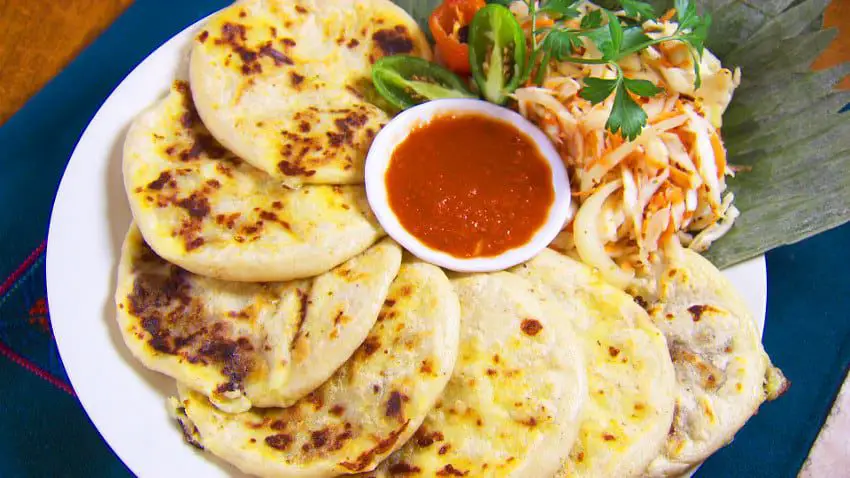
Few foods say “El Salvador” quite like a hot pupusa. Add curtido and tomato sauce, and you have something that Salvadorans recognize instantly, whether they’re at home or thousands of miles away.
That connection goes far beyond the dinner table. Every November, Salvadorans dedicate an entire day to their best-known traditional dish, celebrating pupusas with festivals, competitions, family outings, and cultural events across the country.
What Is National Pupusa Day in El Salvador?
El Salvador celebrates National Pupusa Day, or Día Nacional de las Pupusas, on the second Sunday of November each year.
The celebration became official in 2005, when El Salvador’s Legislative Assembly approved Legislative Decree No. 655. The decree also formally recognized pupusas as the “National Dish of El Salvador.”
Lawmakers recognized the pupusa because of its Salvadoran roots, widespread popularity, and strong connection to the country’s culture. The law also recognized maize as an important part of El Salvador’s Mesoamerican food heritage.
National Pupusa Day isn’t a national holiday that shuts down businesses and government offices. Instead, it’s a cultural celebration centered on food, community activities, and tourism.
Why the Pupusa Matters to Salvadoran Culture
Let’s start by stating that you don’t need a special occasion to eat pupusas in El Salvador. Pupusas are everyday food, served in cities, small towns, roadside stalls, neighborhood pupuserías, tourist destinations, and countless family kitchens.
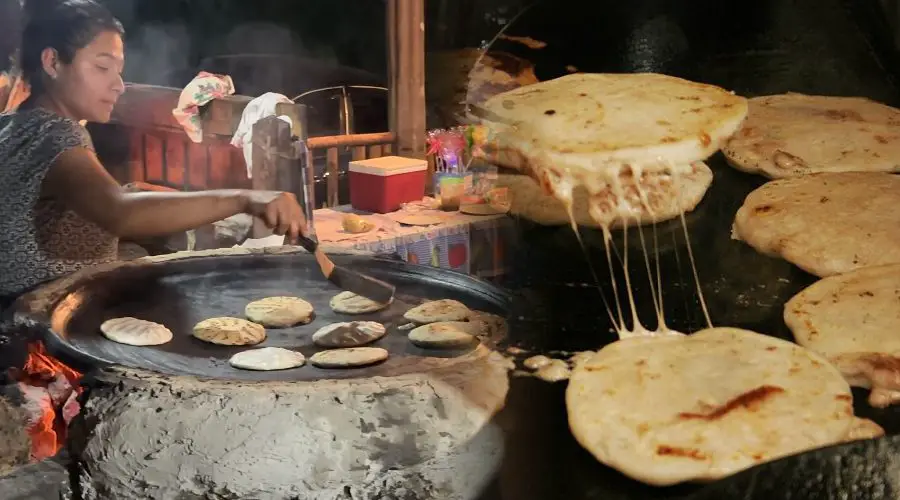
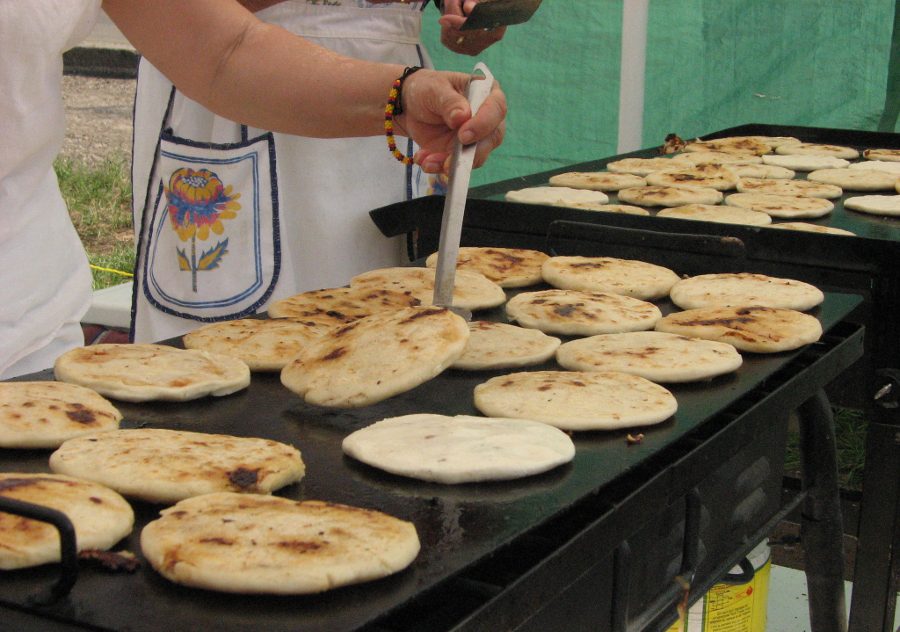
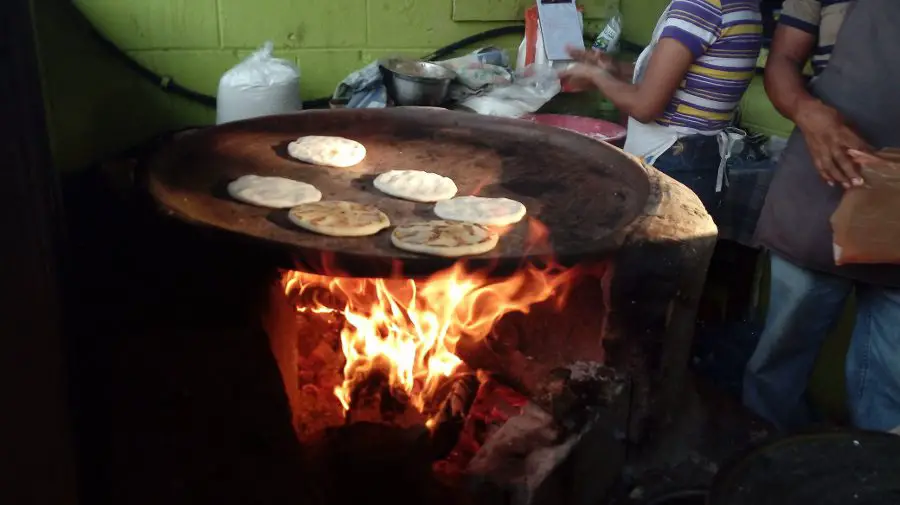
Cooks traditionally make pupusas with corn masa and fill them with cheese, refried beans, chicharrón, loroco, or a mix of ingredients. They shape and flatten each pupusa by hand, then cook it on a hot griddle or comal until it’s ready to serve.
The comal itself connects modern Salvadoran cooking to a much older Mesoamerican tradition. Its name derives from the Nahuatl word comalli, and similar cooking surfaces have long been used to prepare maize-based foods.
Pupusas also stand out because almost anyone can enjoy them. You can grab a few at a small neighborhood pupusería or try creative versions at a restaurant. Either way, the basic recipe stays simple: masa, filling, heat, and skilled hands.
That simplicity is part of what makes pupusas so important to Salvadoran culture. People don’t save them for weddings, religious festivals, or major holidays. Salvadorans eat them for breakfast or dinner, during weekend gatherings and family outings, or simply whenever they’re craving a good pupusa.
They also support thousands of small businesses. The 2005 legislative decree specifically recognized pupusa-making as an important microenterprise activity that provides income to Salvadoran households throughout cities, towns, villages, and rural communities.
Pupusas Come in More Varieties Than You Might Expect
Ask several Salvadorans for their favorite pupusa, and you probably won’t get the same answer. Revueltas, cheese, chicharrón, and bean-and-cheese pupusas remain familiar choices, but the possibilities extend much further.
Loroco adds a distinctly Central American flavor, while restaurants and pupuserías experiment with ingredients ranging from chicken and vegetables to seafood. In eastern El Salvador, visitors can even find pupusas filled with curil, a local shellfish.
There’s also the question of masa. Corn dominates much of the country, but Olocuilta has become particularly famous for its rice-flour pupusas, giving the town its own recognizable place in Salvadoran food culture.
How Salvadorans Celebrate National Pupusa Day
National Pupusa Day turns something Salvadorans eat year-round into a public celebration. Festivals and community events bring together pupusa makers, local businesses, families, visitors, musicians, and plenty of hungry spectators.
Celebrations change depending on the place and the year. Recent events have included live music, parades, cultural activities, pupusa-eating competitions, and contests between pupusa makers. Visitors can also sample everything from classic pupusas to creative versions with less traditional fillings.
You don’t necessarily have to attend an organized festival, either. For many people, celebrating can be as simple as visiting a favorite pupusería and sharing a plate with family or friends.
The celebration also creates an opportunity to recognize the pupuseras themselves. Making pupusas quickly and consistently requires experience, especially when shaping filled masa by hand without breaking it before it reaches the hot cooking surface.
How to celebrate National Pupusa Day
One of the best ways to celebrate is by attending a gastronomic festival. Communities organize events where you can enjoy freshly made pupusas, live entertainment, competitions, and a lively Salvadoran atmosphere.
You can also visit Olocuilta, widely known for its pupusa tradition. The town has numerous pupuserías, making it a popular destination for anyone wanting to explore different fillings, flavors, and styles.
Of course, celebrating can be much simpler. Grab your family or friends and head to your favorite pupusería. Order a few varieties, add curtido and salsa, and enjoy them.
If you’re outside El Salvador, look for a Salvadoran restaurant nearby. Many Salvadoran communities abroad celebrate their food and culture through local restaurants, festivals, and gatherings centered around the country’s most famous dish.
Or try making pupusas yourself. Preparing the masa, choosing your fillings, and shaping each pupusa takes some practice, but that’s part of the fun—and imperfect homemade pupusas still taste pretty good.
Olocuilta Takes the Celebration to Another Level
If one place has become especially associated with National Pupusa Day, it’s Olocuilta. Located along the route between San Salvador and the international airport, the town is widely known for its rice pupusas.
Olocuilta’s pupusa culture isn’t difficult to find. El Salvador’s official tourism website estimates that the area has around 350 pupuserías and four pupusódromos, making food a major part of the local visitor experience.
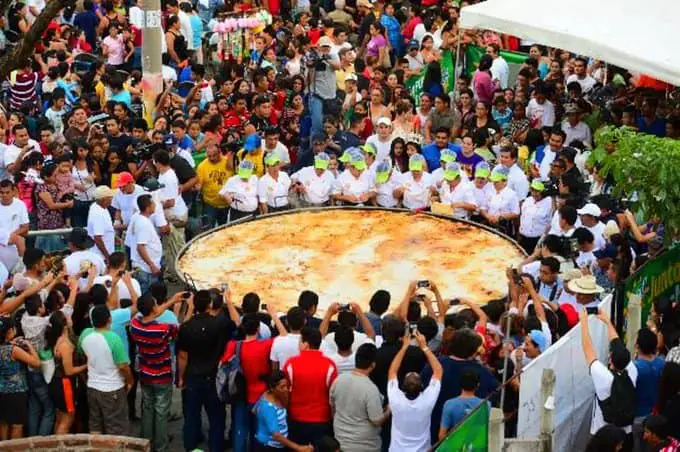
During National Pupusa Day festivities, Olocuilta becomes one of the country’s main celebration points. Its annual festival attracts visitors for food, entertainment, competitions, local entrepreneurship, and one particularly oversized attraction.
The big attraction is the giant pupusa. In 2025, around 30 women came together to make a massive rice pupusa measuring about 5.5 meters across. They used hundreds of pounds of flour, cheese, beans, and chicharrón.
The giant pupusa shows what makes the celebration so much fun. A meal Salvadorans know and love turns into a huge community project, while the women who make pupusas every day get their moment in the spotlight.
But Olocuilta isn’t the only place to enjoy a good pupusa. Los Planes de Renderos, Antiguo Cuscatlán, the Ruta de las Flores, Izalco, Puerto El Triunfo, and Conchagua also have strong pupusa traditions worth exploring.
A Salvadoran Tradition That Crossed Borders
Pupusas have traveled wherever Salvadorans have gone. In cities across the United States and elsewhere, Salvadoran restaurants and family businesses have transformed the dish into an edible connection between immigrant communities and home.
That international reach gives National Pupusa Day even more meaning. Salvadorans aren’t just celebrating a national dish. They’re celebrating a tradition they’ve carried with them and shared with communities around the world.
For children and grandchildren growing up abroad, pupusas offer an easy connection to their Salvadoran roots. They don’t need to know every detail of the country’s history to recognize the smell of pupusas on the griddle or enjoy them around the table with family.
National Pupusa Day Celebrates More Than Food
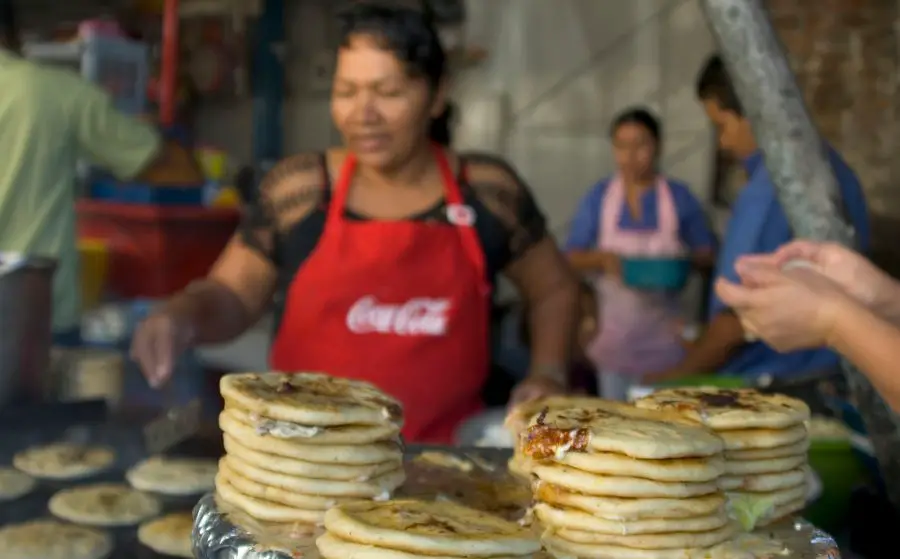
National Pupusa Day works because the food at its center isn’t distant or ceremonial. Pupusas remain part of ordinary Salvadoran life, made by people whose skills have often passed through families and generations.
The celebration honors those pupuseras, small businesses, local traditions, and communities while giving Salvadorans an excuse to enjoy something they already love. Visitors get something valuable, too: a delicious introduction to the country’s culture.
When the second Sunday of November rolls around, Salvadorans don’t just celebrate their national dish—they make pupusas, sell them, share them, compete over them, and, most importantly, eat plenty of them.
For a country with a remarkably rich food culture, that’s a fitting tribute. The pupusa remains uncomplicated, affordable, adaptable, and deeply Salvadoran—a small round dish carrying a much bigger story.