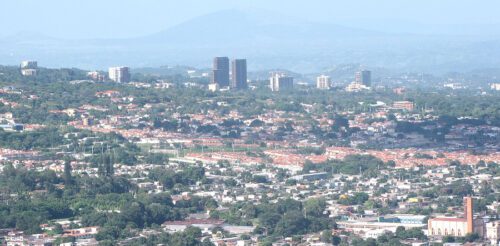
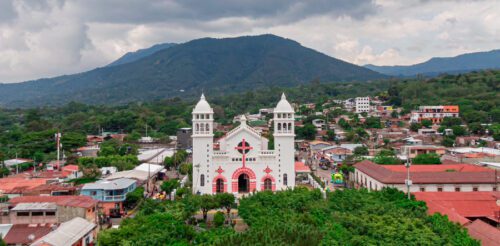
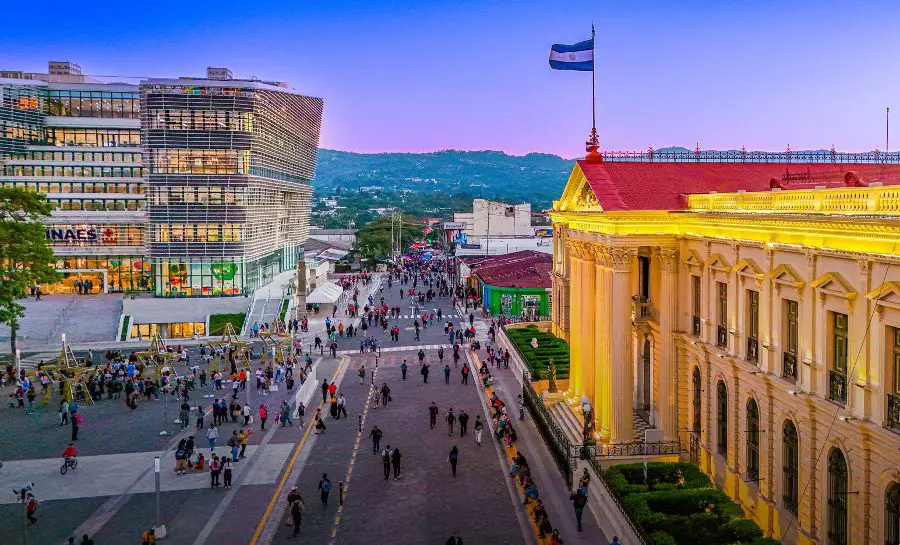
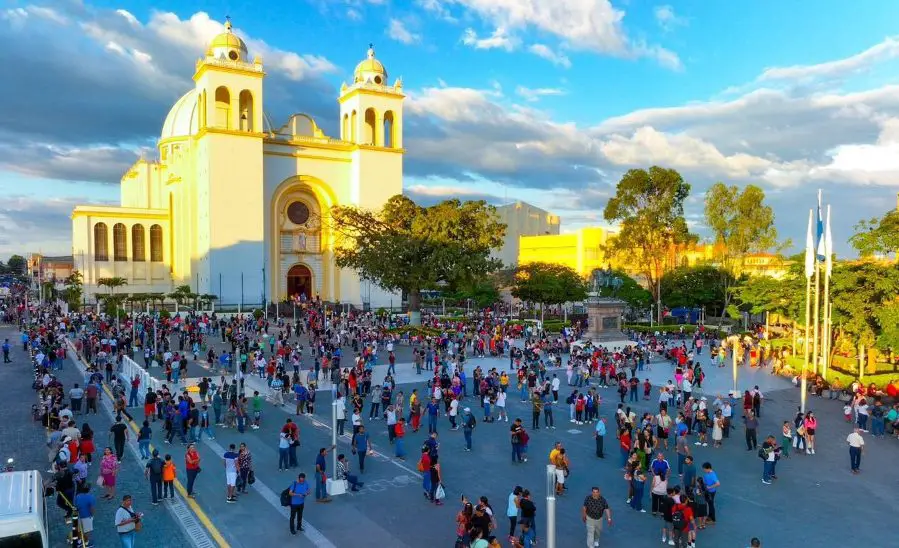
 Downtown San Salvador.
 For years, El Salvador was primarily associated with gang violence and insecurity, which shaped global perceptions and limited its appeal. Headlines emphasized crime rates, migration pressures, and instability rather than culture or opportunity.
By 2026, that narrative has shifted. The country is now recognized for improved security, rising tourism, and bold policies like Bitcoin adoption, alongside growing interest in its beaches, volcanoes, and vibrant local culture.
El Salvador is also known for surfing destinations, traditional pupusas, and the leadership of Nayib Bukele, whose policies continue to spark both praise and debate worldwide.
El Salvador’s Identity Shift
El Salvador’s global image today reflects a sharp shift from its past. Once defined by crime, the country is now recognized for various improvements that have enhanced its image worldwide.
When broken down, what El Salvador is known for worldwide today centers on improved security, Nayib Bukele, Bitcoin, gangs and violence, the Terrorism Confinement Center (CECOT), and the ongoing state of exception.
At the same time, the country is recognized globally for its beaches and surfing, pupusas and coffee, volcanoes, and its recent tourism growth and broader rebranding efforts.
El Salvador Improved Security
El Salvador’s extraordinary security improvement over the last few years has helped people worldwide take notice of the smallest country in Latin America. Under the Bukele administration, El Salvador has experienced a dramatic shift in public safety.
Once considered one of the most violent countries in the world, El Salvador now ranks among the safest in Latin America—if not the safest.
El Salvador’s security gains are widely credited to the Territorial Control Plan and the controversial state of exception, introduced by President Nayib Bukele in June 2019 and March 2022, respectively. Both measures have centered on an aggressive crackdown against criminal gangs.
Thanks to this security measure, authorities have arrested over 90,000 suspected gang members or collaborators, which has massively cut down homicide rates and brought peace back to communities that were stuck living in fear for years.
While local and international critics have raised concerns over human rights violations and due process, most Salvadorans strongly support the measure.
| Year | Total Homicides | Daily Homicide Rate | Homicides per 100,000 Inhabitants |
|---|---|---|---|
| 2026 *Oct 20 | 49 | 0.17 | 0.96 |
| 2025 | 82 | 0.22 | 1.36 |
| 2024 | 114 | 0.31 | 1.89 |
| 2023 | 156 | 0.43 | 2.4 |
| 2022 | 495 | 1.36 | 7.8 |
| 2021 | 1152 | 3.16 | 18.1 |
| 2020 | 1341 | 3.67 | 21.2 |
| 2019 | 2398 | 6.57 | 35.8 |
| 2018 | 3346 | 9.17 | 50.4 |
| 2017 | 3962 | 10.85 | 60.2 |
| 2016 | 5280 | 14.47 | 81.0 |
| 2015 | 6656 | 18.24 | 106.3 |
| 2014 | 3921 | 10.74 | 61.3 |
| 2013 | 2513 | 6.88 | 40.6 |
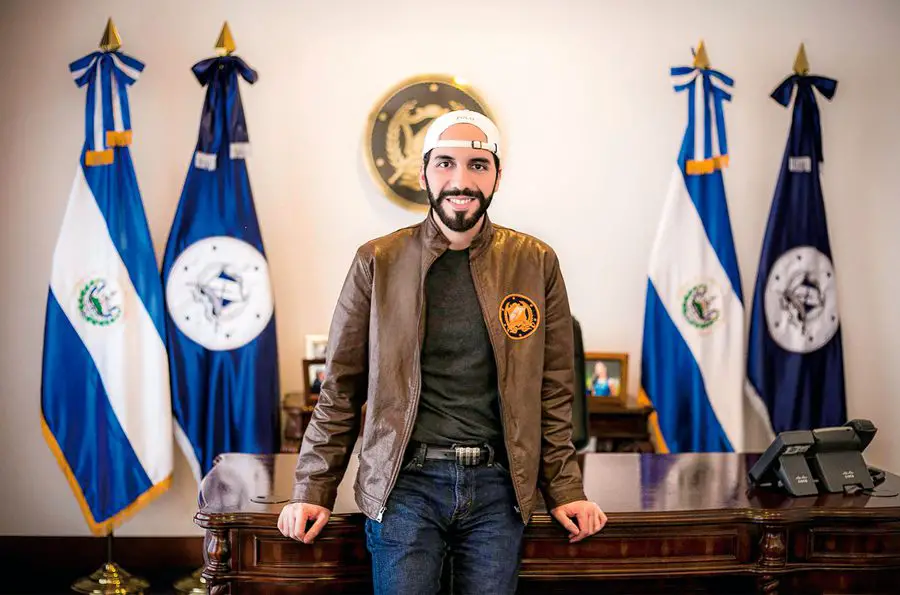
President Nayib Bukele
Whether people agree with him or not, Nayib Bukele is likely to remain El Salvador’s global face in 2026. His bold, unconventional leadership style has drawn significant international attention.
As El Salvador enters a pivotal pre-electoral year, Nayib Bukele will remain a global figure in 2026. The alignment of presidential, legislative, and municipal elections raises the stakes and draws international scrutiny.
His expected bid for a third presidential term—unprecedented for a sitting Salvadoran leader—will fuel debate over democratic norms, constitutional limits, and political power, keeping him at the center of regional and global attention.
Supporters will highlight security improvements and political dominance, while critics will question institutional balance. This ongoing tension keeps Bukele in the spotlight, making him one of the most visible leaders in the world in 2026.
Bukele will continue to make headlines for his massive crackdown on gangs, which many in El Salvador credit with a dramatic drop in violence.
At the same time, critics, both locally and abroad, raise concerns about human rights violations and democratic backsliding, yet he remains immensely popular at home.
Whether admired or criticized, Bukele has undeniably become a global figure shaping conversations about governance, technology, and public security.
SEE ALSO: Exploring El Salvador Culture: Embracing Vibrant Customs and Traditions with Warm-hearted People
Salvadoran State of Exception
El Salvador’s State of Exception has drawn substantial international attention since its introduction in late March 2022. The controversial security measure grants the government extraordinary powers to combat criminal gangs and restore public safety.
The current administration supporters point to the dramatic improvements in security as evidence of its success and why it needs to continue.
The country, which was labeled the world’s murder capital in 2015, achieved one of the lowest homicide rates in the Americas by 2025.
These gains have helped transform daily life for many Salvadorans and contributed to a broader sense of security not seen in more than five decades.
As part of the crackdown, authorities have arrested more than 90,000 people on suspicion of gang-related activities. The secxurity plan has also contributed to El Salvador becoming one of the countries with the highest incarceration rates in the world.
Despite its popularity among Salvadorans, the State of Exception has generated intense debate both domestically and internationally.
Human rights organizations and critics have raised concerns about civil liberties, due process, and the potential for abuses of power, highlighting the challenge of balancing public security with individual rights.
CECOT: The Terrorism Confinement Center
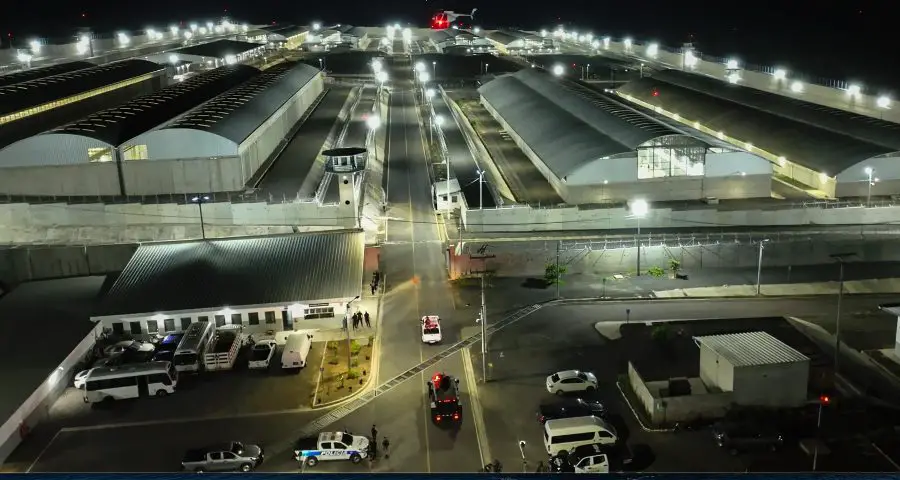
The Terrorism Confinement Center (CECOT) is El Salvador’s massive, high-security prison built under President Nayib Bukele’s anti-gang strategy.
CECOT is one of the largest prisons in the world; it was designed to hold up to 40,000 inmates. The primary purpose of this mega jail is to house and isolate gang members and violent criminals from Salvadoran society—it reinforces Bukele’s tough stance on crime.
Globally, CECOT has sparked attention and debate—some view it as a bold solution to gang violence. In contrast, others criticize it for harsh conditions and potential human rights violations.
Nevertheless, this maximum security prison is another thing people worldwide know about El Salvador—it symbolizes El Salvador’s new approach to public security.
SEE ALSO: Surf Tournaments in El Salvador: Showcasing World-Class Waves and Talent
Beaches and Surfing
El Salvador has always offered incredible surf spots and top notch beaches. But the 1980s civil war and the gang violence that followed kept them off the global radar.
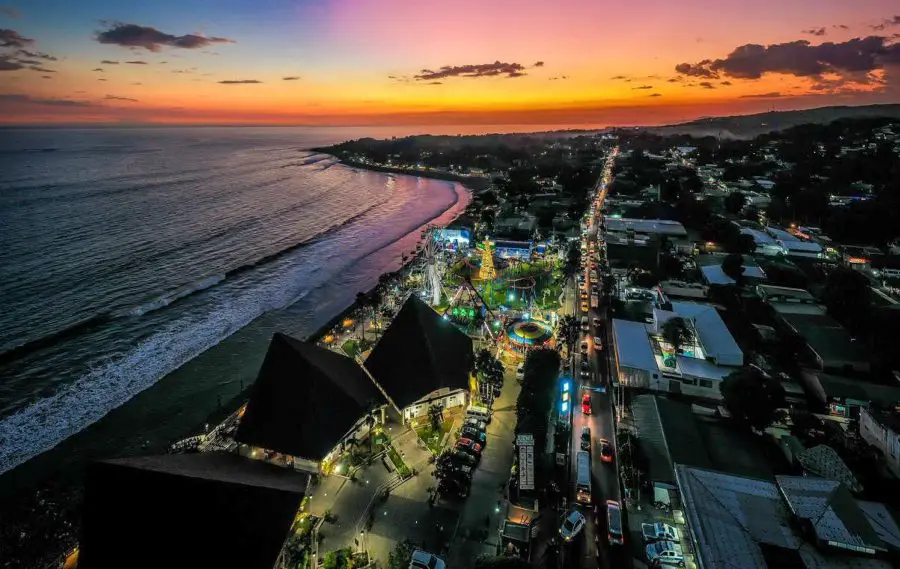
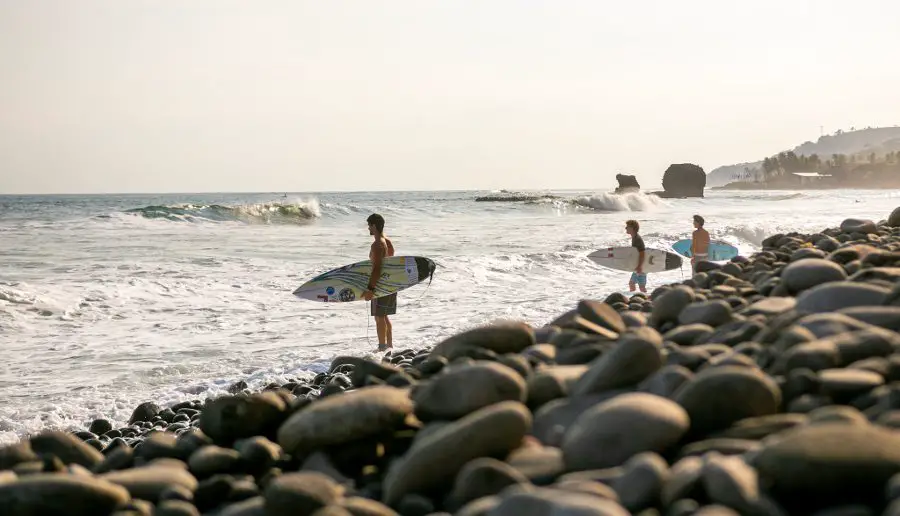
That changed in 2019 when the Bukele administration launched the Surf City El Salvador project to showcase the country’s stunning Pacific coast. Since then, El Salvador has hosted major international surfing events.
The country now enjoys global recognition for its top-tier waves and vibrant surf culture, drawing enthusiasts from across the globe.
Because of their consistent swells and atmosphere, beaches like El Zonte, La Costa del Sol, and El Cuco offer the perfect mix of relaxation and adventure.
For many travelers, El Salvador’s beaches now represent adventure, beauty, and opportunity, making them one of the country’s most valuable assets on the global stage.
Bitcoin
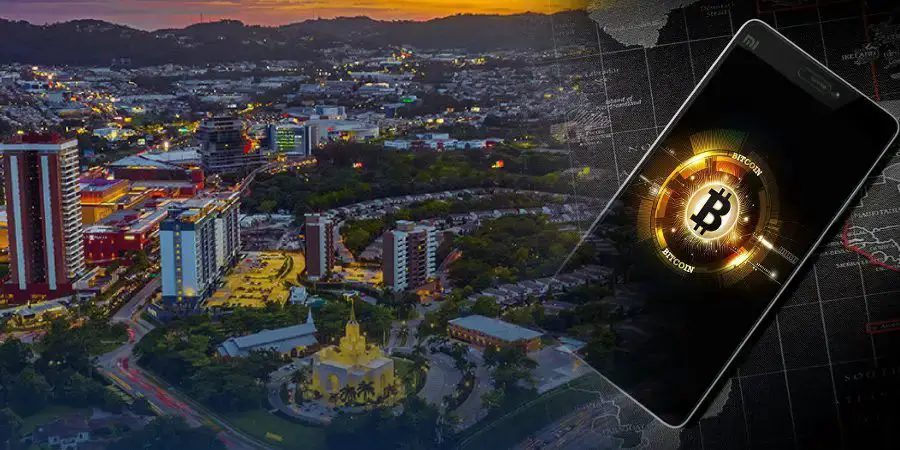
Many people around the world are aware of El Salvador because of its association with Bitcoin. In 2021, the Salvadoran legislature adopted Bitcoin as legal tender at the request of President Nayib Bukele. Since then, El Salvador and Bitcoin have become significant topics of discussion on the global stage.
El Salvador’s bold decision made international headlines. It shifted the world’s focus—from stories of gangs and violence to a narrative of innovation, economic reform, and digital transformation.
Although Bitcoin remains volatile and controversial and might no longer be a legal tender in El Salvador, it continues to attract positive attention to a country previously known for violence and gangs.
The adoption of Bitcoin rebranded El Salvador as a symbol of financial experimentation. It fueled tourism and interest in the country’s progress.
Bitcoin changed how people around the world thought about El Salvador, eliminating old stereotypes and replacing them with a bold, forward-looking vision of leadership.
Pupusas and Coffee
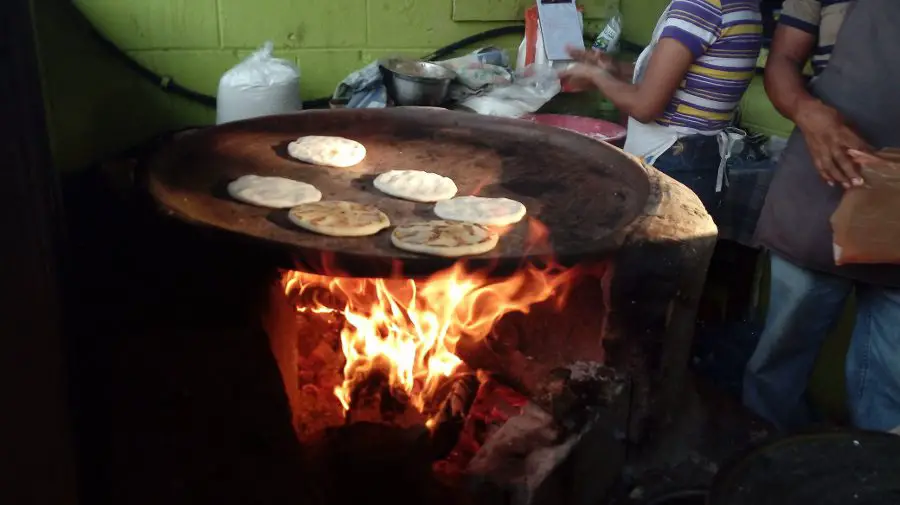
Pupusas and coffee are two pillars of Salvadoran cuisine, reflecting the country’s deep cultural roots and traditions.
Pupusas, El Salvador’s national dish, are a beloved comfort food that has steadily gained international recognition.
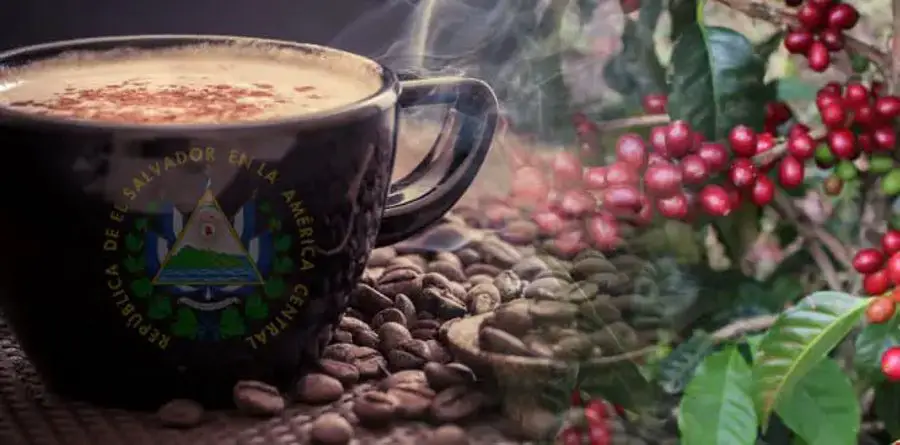
Salvadoran coffee, grown in high-altitude volcanic soil, is prized for its smooth flavor and consistent quality. As one of the country’s leading exports, it connects El Salvador to coffee lovers around the world.
Together, pupusas and coffee help promote national identity while supporting local businesses and global trade.
Whether enjoyed at home, in street markets, or in cafés abroad, these iconic flavors tell El Salvador’s story—one bite and one sip at a time.
The Land of Volcanoes
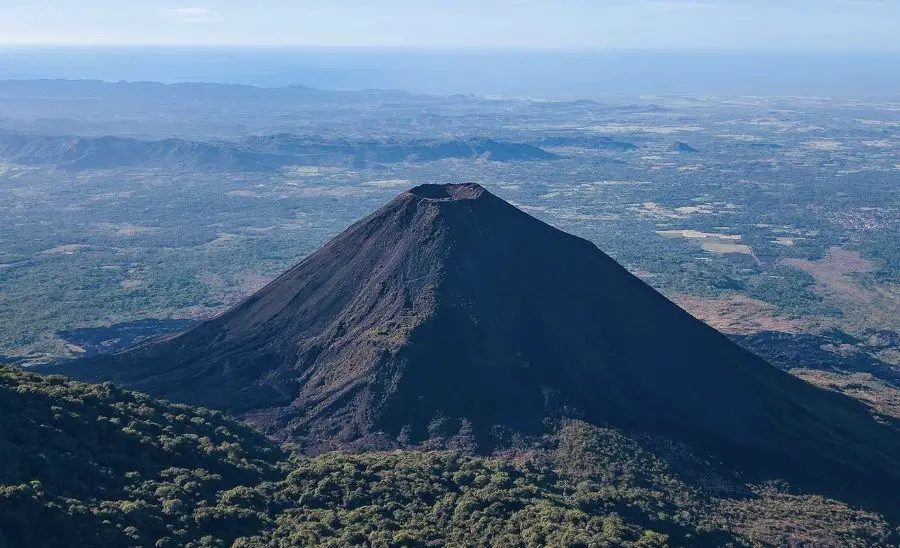
El Salvador is known as the “Land of Volcanoes.” Despite being the smallest country in mainland Central America, it is home to approximately 170 volcanoes and volcanic structures spread across its 21,041 square kilometers.
Located along the Pacific Ring of Fire, El Salvador’s volcanic landscape has played a major role in shaping the country’s geography, history, and culture.
Many of these volcanoes have become major tourist attractions, drawing thousands of local and international visitors each year.
Some of the country’s most famous volcanoes include the Santa Ana Volcano, the highest in El Salvador; the San Salvador Volcano, which overlooks the capital city; and the iconic Izalco Volcano, once known as the “Lighthouse of the Pacific” because sailors could see its eruptions from far out at sea.
Volcanoes are among the most recognizable symbols of El Salvador worldwide. Their towering peaks, scenic crater lakes, and hiking trails have helped establish the country as a leading destination for nature and adventure tourism in Central America.
Today, images of El Salvador’s volcanoes frequently appear in travel guides, documentaries, and promotional campaigns, making them one of the country’s most famous natural landmarks.
Gangs and Violence
For decades, gangs and violence defined El Salvador’s image abroad, often placing the country in the international spotlight for the wrong reasons. News outlets around the world frequently portrayed El Salvador as one of the most dangerous countries on Earth.
During this time, criminal gangs such as MS-13 and Barrio 18 controlled large parts of El Salvador, spreading fear and intimidation throughout communities.
Their violence influenced and shaped international perceptions of the country, often overshadowing its rich culture, natural beauty, and economic potential.
Although violence has fallen to historic lows under the Bukele administration, many people around the world still associate El Salvador with crime and insecurity. The legacy of decades of gang violence continues to influence international media coverage and public opinion.
As the country seeks to redefine itself through improved security, growing tourism, and innovation, changing long-held perceptions remains a challenge. Rebuilding a national image takes time.
Even today, El Salvador is often linked to gangs and violence. Yet a different story is beginning to emerge—one marked by greater safety, transformation, and renewed hope for the future.
What Is El Salvador Known for?
El Salvador’s global image is rapidly evolving. While many still remember its troubled past, the country is making headlines for innovation, security reforms, and cultural pride.
From Bitcoin and surfing beaches to pupusas and coffee, El Salvador continues to reshape how the world sees it—one step, wave, and bold move at a time.